Overview: What housing actually looks like at York St John London Campus
York St John London campus is based at 1 Clove Crescent, E14 2BA, in a modern building beside East India DLR in Tower Hamlets. It is small, city-near, and commuter-friendly because it sits on a major public transport corridor with links to Canary Wharf, Bank and Canning Town.
Unlike the York campus, the official accommodation guidance for London is clear: students should plan to find accommodation in the private sector. This means many students move quickly during the pre-arrival period, so starting early is important.
The London campus is also close enough to support students who want a professional, short commute without adding long daily travel time.
Campus location and why transport should shape your shortlist
You are effectively shopping for accommodation around East London rather than within one managed campus estate. The university says:
- It is next to East India DLR station.
- There is pay-and-display parking only nearby (no dedicated free campus parking).
- Key bus routes near the campus include D3, N550 (East India) and 15 (Blackwall area).
- TFL and walking are the main ways to stay connected across London.
Practical read:
- If going by rail from York: King’s Cross → Northern line to Bank → DLR to East India.
- If living outside Central London, budget travel by zone-based fares and daily caps accordingly.
Private accommodation is the default: how to treat options
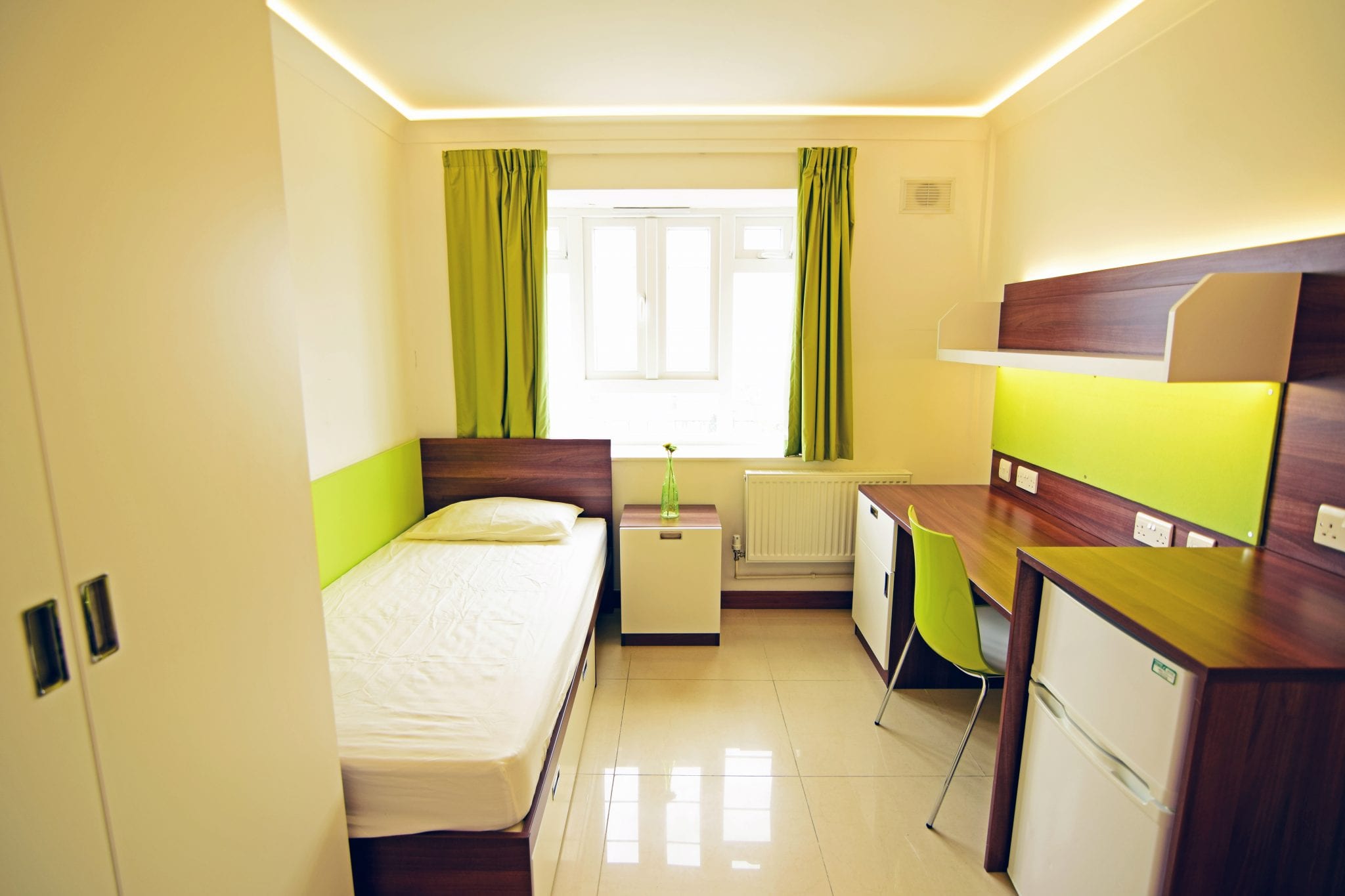
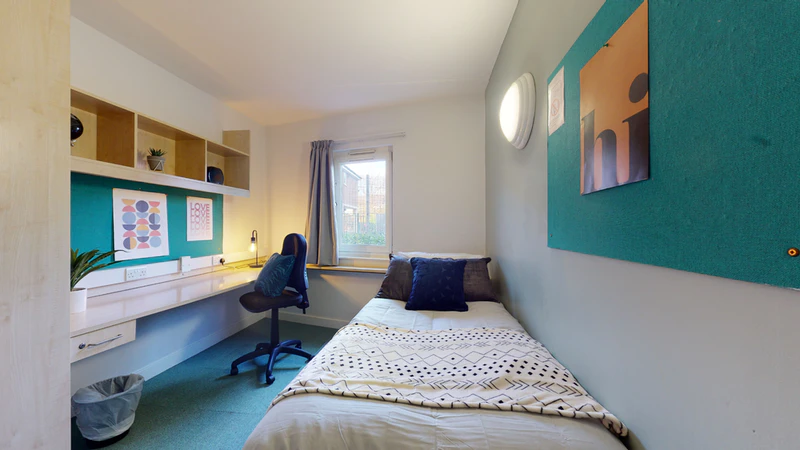
Since there are no dedicated university halls listed for London in the current guidance, treat this as a private-market search with university-backed advice layered in.
How to compare options
| Housing path |
Best for |
Typical trade-offs |
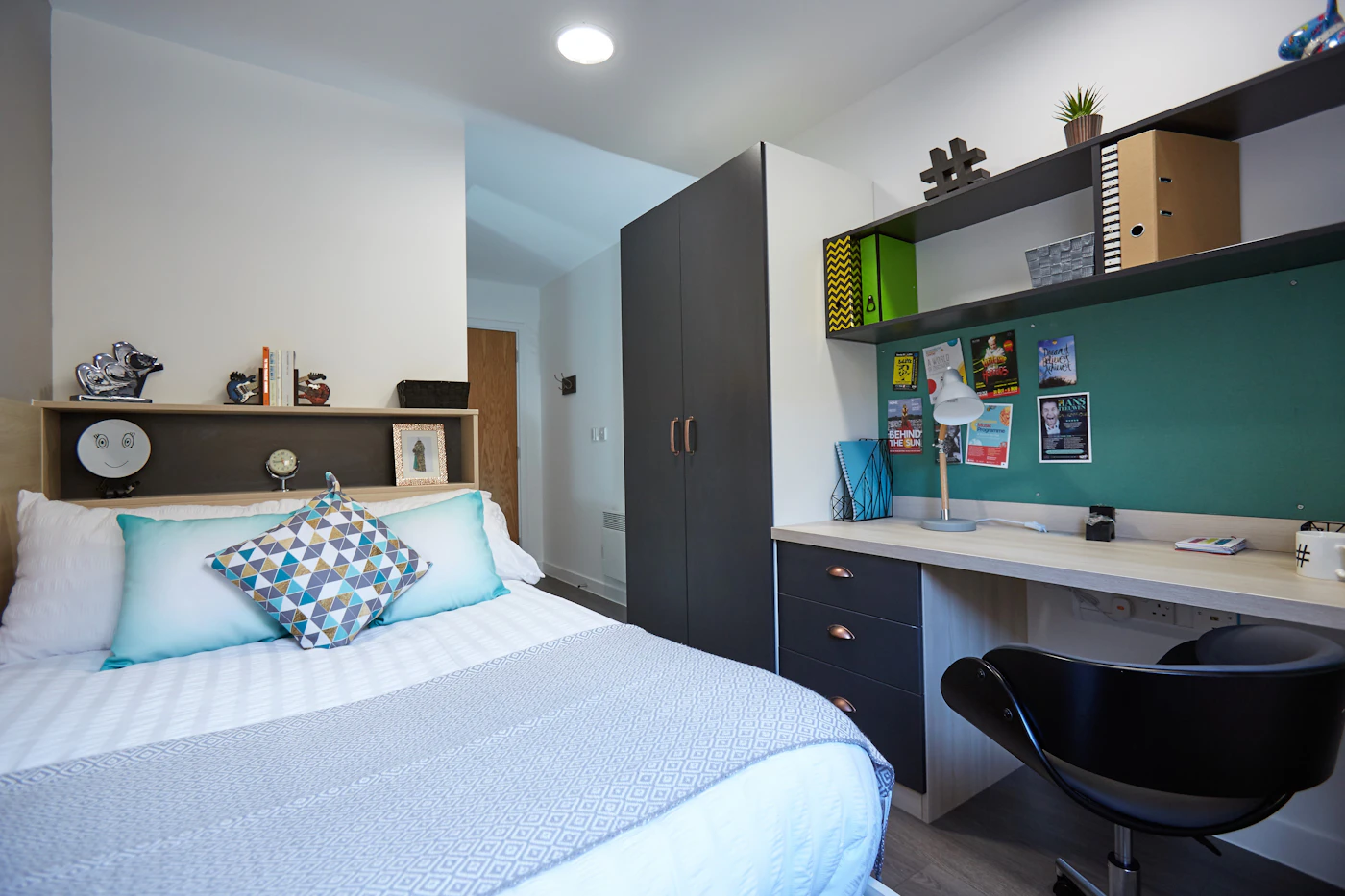
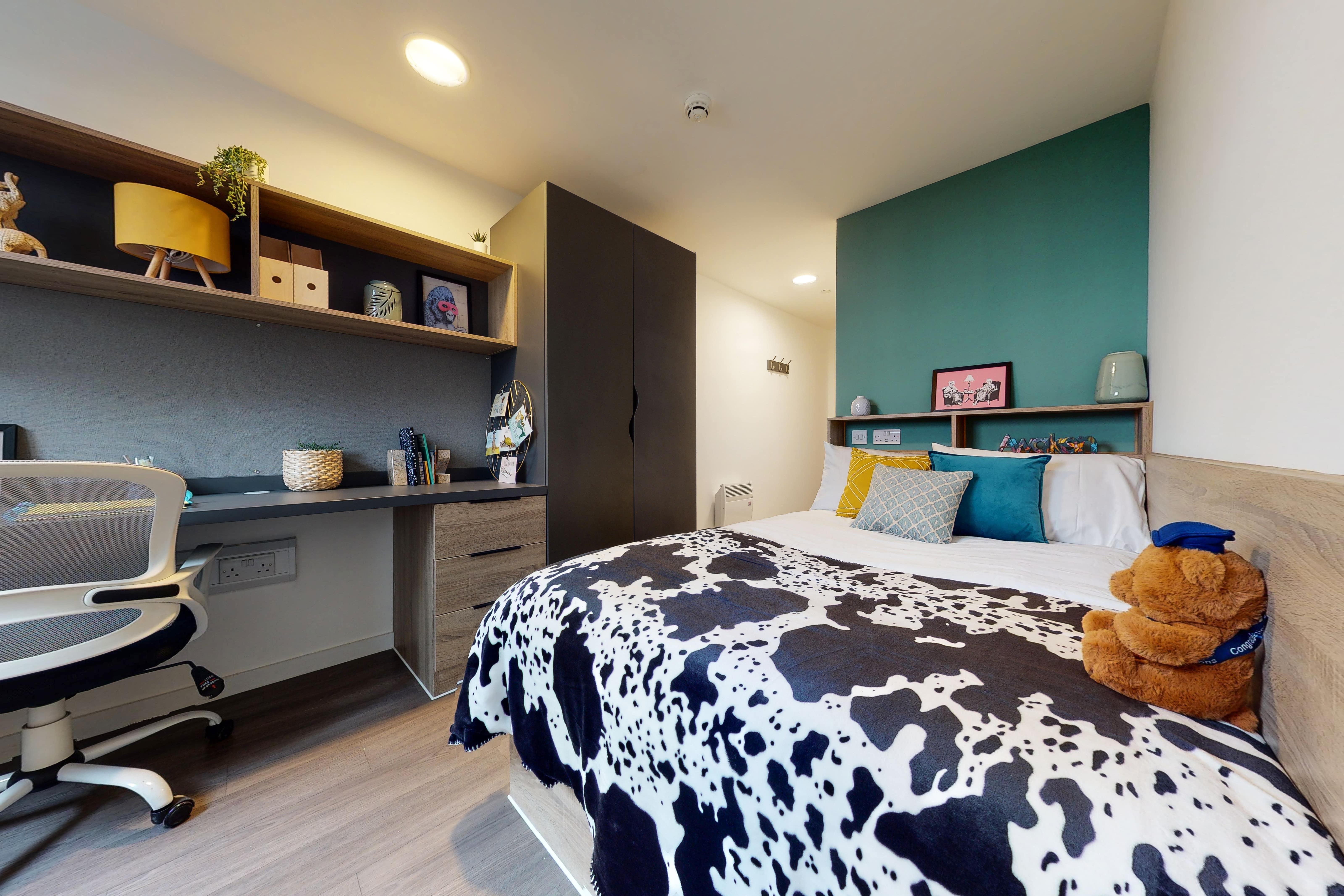
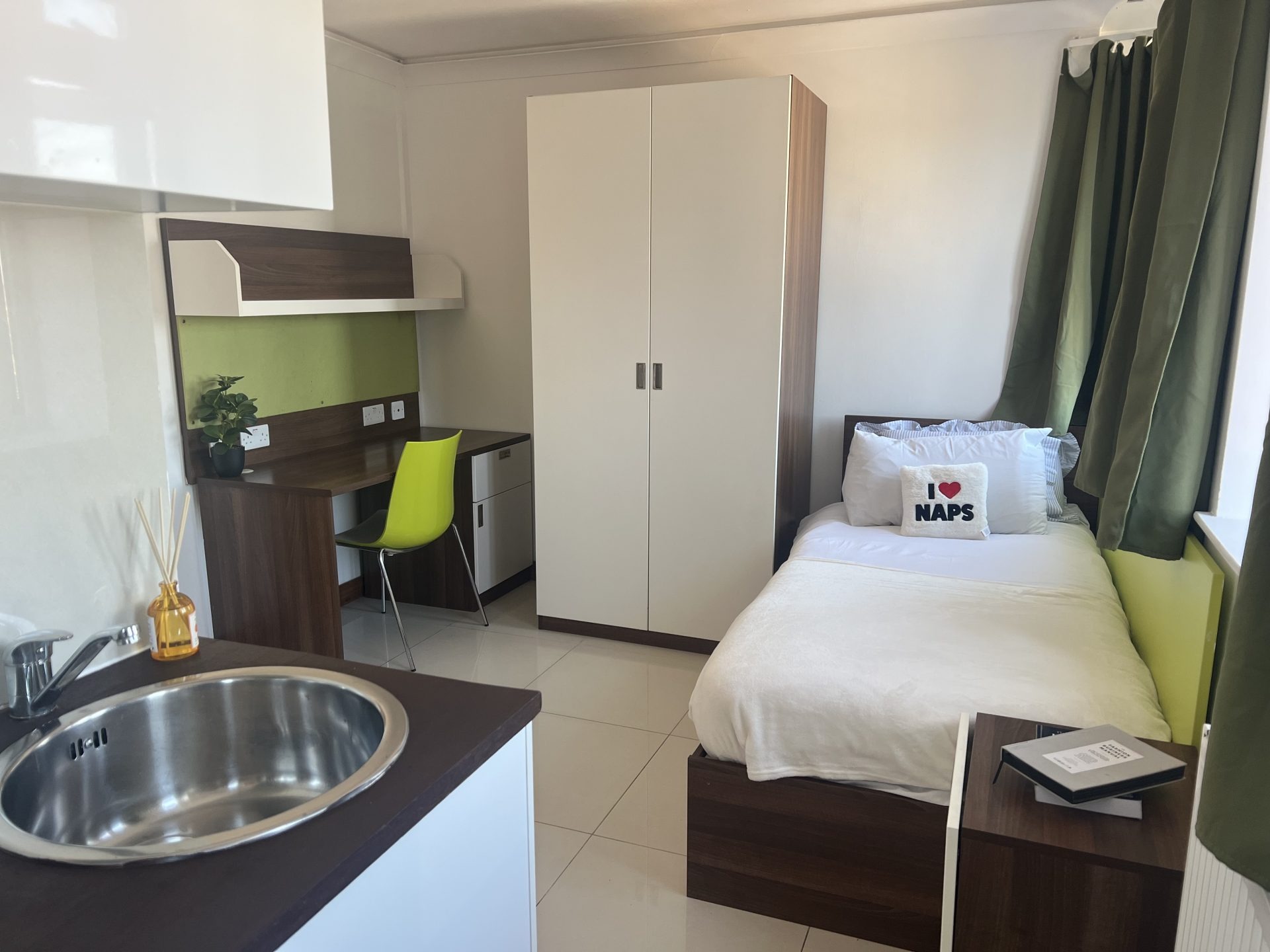
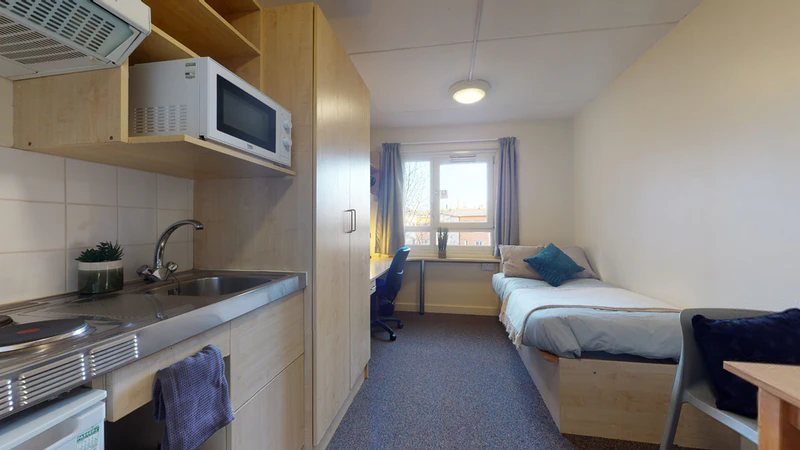
| PBSA-style managed student buildings |
Students who want bills/services bundled and quick move-in support |
Usually pricier, fewer custom options |
| Landlord-managed private flats/houses |
Flexible room types and mixed student/non-student roommates |
Needs careful contract and bill checks |
| Living with friends/family in London |
Lower cost if you already have a local network |
Can require custom split agreements |
| Commuter from outer London zones |
Larger properties and lower rent per person |
Longer travel time, weekly transport costs rise |
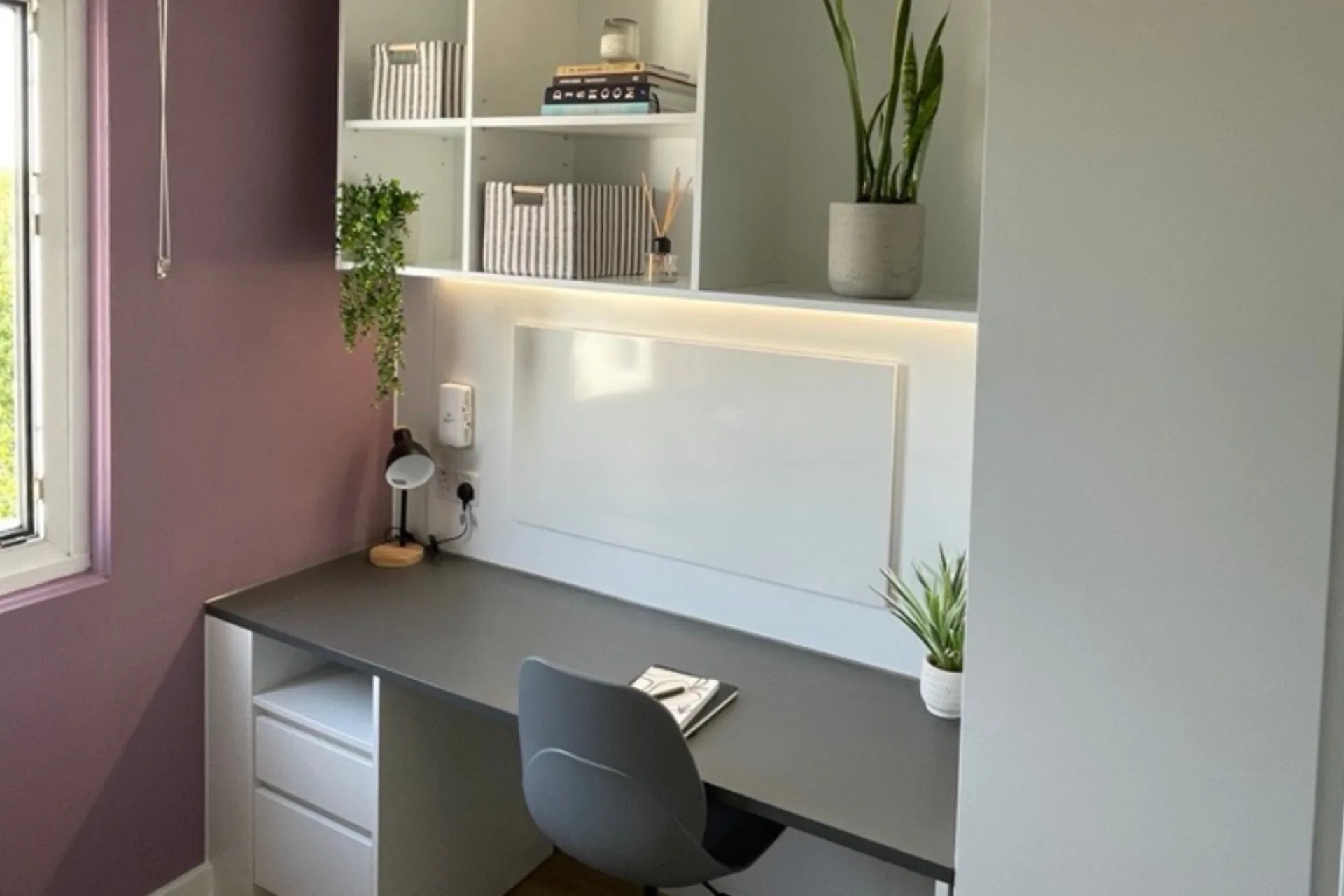
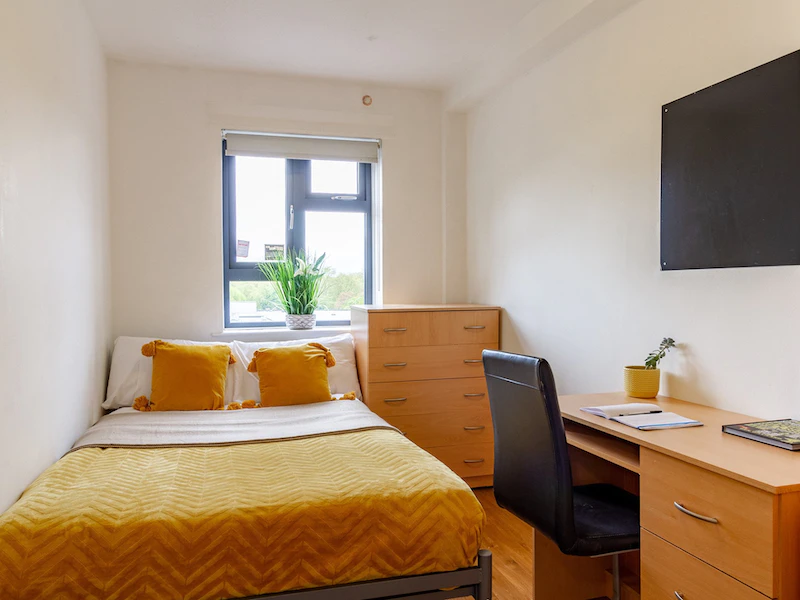
What makes a better London student room
Prioritise:
- Walking distance to East India DLR/Blackwall (to avoid expensive, stressed commutes)
- No hidden utility bills if you want predictable spending
- In-unit practicality: washer/dryer access, Wi-Fi, secure entry
- Short lease clarity before paying any deposit
London neighborhoods you should shortlist
For a London campus student, the practical ring is often: East India / Poplar / Isle of Dogs / Canary Wharf. These areas keep peak-hour connections short and place students near the campus node quickly.
When scanning listings, use these checks:
- Distance to East India DLR (walk + DLR frequency)
- Road noise and security conditions (especially late study sessions and return times)
- Bill split clarity (electric, water, internet, service charges)
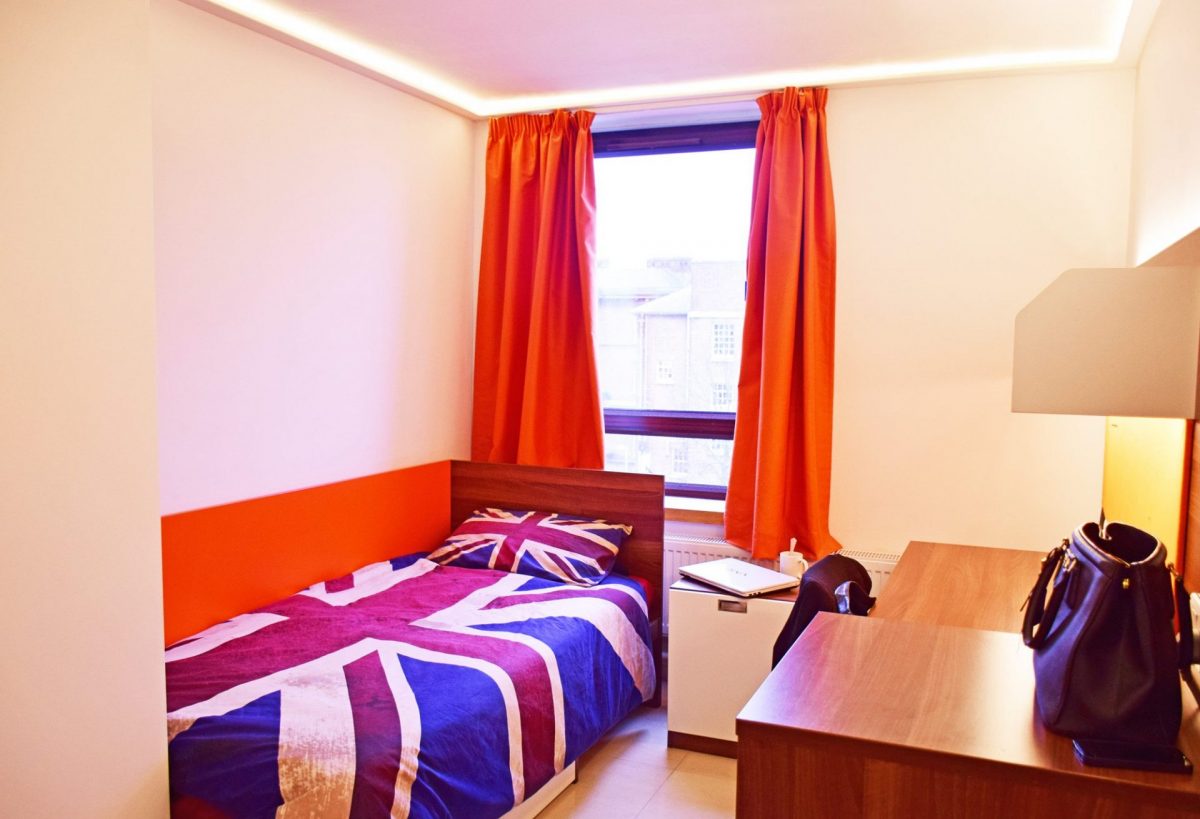
- Room occupancy (single, twin, double-share)
Budget expectations and where to spend your energy
London demand is volatile. Private student accommodation in East London often changes month-to-month, so look at total cost, not just room rent.
| Budget item |
Budget tip |
| Rent |
Compare monthly rent + bills + license/insurance costs |
| Utilities |
Ask whether gas/electric/internet are included |
| Transport |
Zone-based Oyster/Caps can shift “cheap outer-zone” rooms from savings to higher total cost |
| Setup costs |
Expect holding deposit, fees, inventory fee, identity checks |
Approximate student price ranges
- Starter/private shared room: around £400–£550/week for managed student-style setups in East London
- Single private room/studio: around £520–£750/week depending on area and facilities
- Outer-zone alternatives: typically cheaper but check daily travel time into East India
Booking timeline (best-effort sequence)
- 10–12 weeks before classes: shortlist by transport corridor first, then by budget.
- 8–10 weeks before: shortlist shortlisted providers, demand references and copies of contract terms.
- 6–8 weeks before: secure the cheapest viable option that has clear deposit rights and realistic commuting.
- 2–4 weeks before: complete Right to Rent docs, confirm inventory, and finalise move-in.
Scam prevention & tenant safety checklist
London’s high demand attracts rushed decisions. Use this order every time:
- Verify the listing and landlord identity before transferring anything.
- Only pay through secure channels and keep written records.
- Read the full contract (duration, renewals, notice, bills, deposit terms).
- Demand a gas certificate, energy certificate, and deposit protection confirmation for new tenancies.
- Visit in person or request a live video walk-through if you cannot be on-site.
International students, Right to Rent and visa-ready preparation
For international students, start early and gather immigration documents before signing. The UK requires landlord-side right-to-rent checks for private lets, and students without lawful permission can face delays or contract risks.
Prepare these in advance:
- Passport and valid visa documents
- University offer and visa status support email if required
- Proof of term start and address
- UK bank details and emergency contact details
If unsure, start from a university international support email before finalizing tenancy terms.
Tenancy agreement cheat sheet (private rented sector)
Mandatory protections to request
- Deposit protection: the deposit should be registered with a government-approved scheme.
- Deposit return conditions: inspect inspection standards and the return process.
- What bills are included: gas, electric, water, internet and council charges.
- Notice and ending rules: request who must provide what notice and by which date.
Red flags to avoid
- "Pay-to-hold" asks made in multiple currencies or via unknown links
- No documented inventory
- No landlord email or official property manager profile
- Upfront charge for non-refundable "processing" on top of standard fees
Accessibility and additional support
York St John supports students with additional support needs through disability teams and student support services.
If you have accessibility needs, mention these before application, and ask for accommodations clearly in writing. Keep records of all support and medical evidence requests early.
What to pack vs what is usually provided
What you should bring
- Power adapter, power strip, phone and laptop accessories
- Basic kitchen tools if not guaranteed in your agreement
- Lockable storage and travel-safe bedding kit
Often included (depends on property)
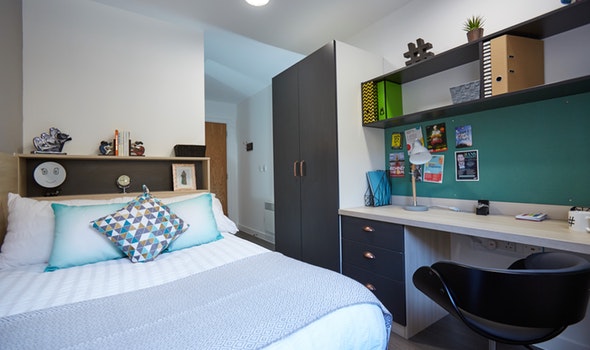
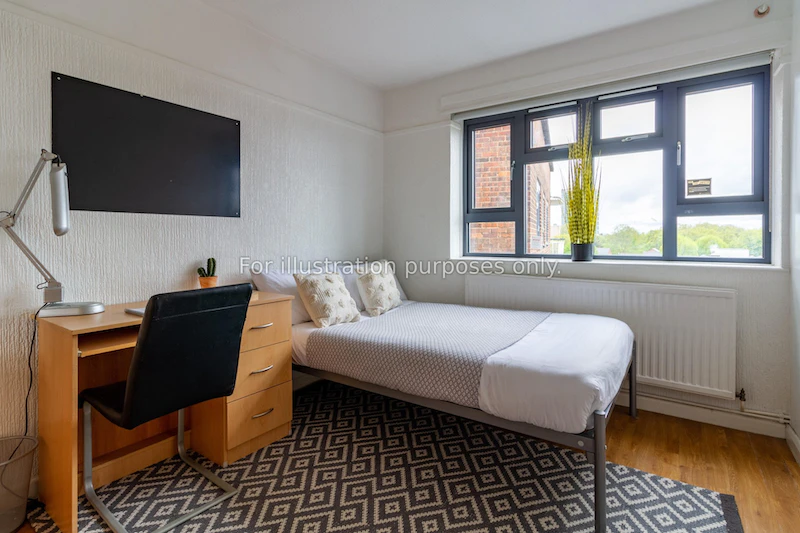
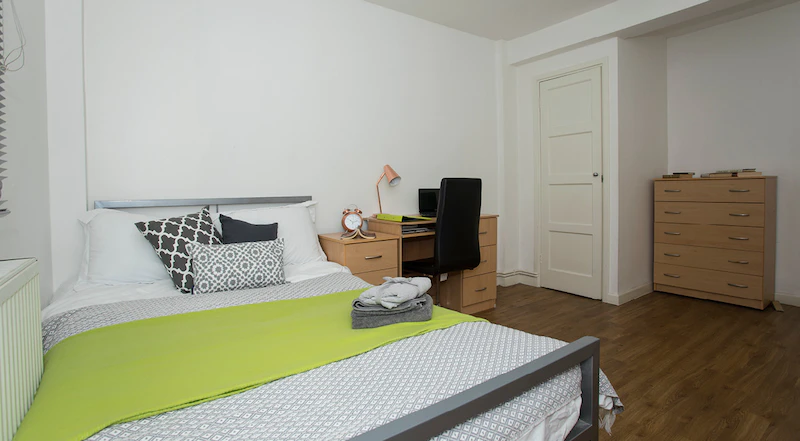
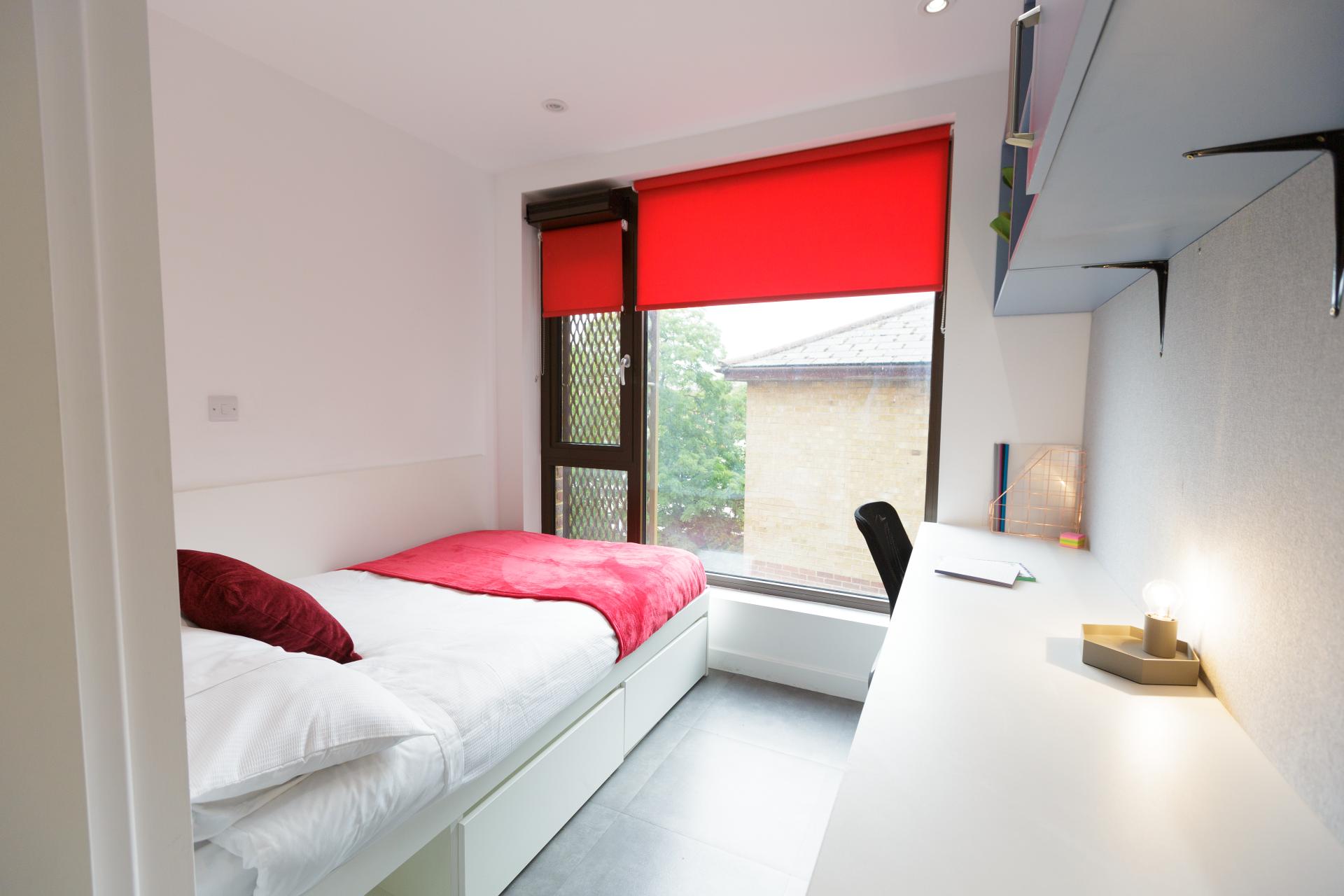
- Furnished room items
- Wi-Fi and utility setup
- Kitchen basics and washer access
- Security access and communal facilities
FAQ quick read
If your budget is fixed, evaluate by walking distance + bills, not headline rent.
If your visa timeline is fixed, lock transport + tenancy docs first, then room aesthetics.
If this is your first London move, consider managed student providers for safer support.