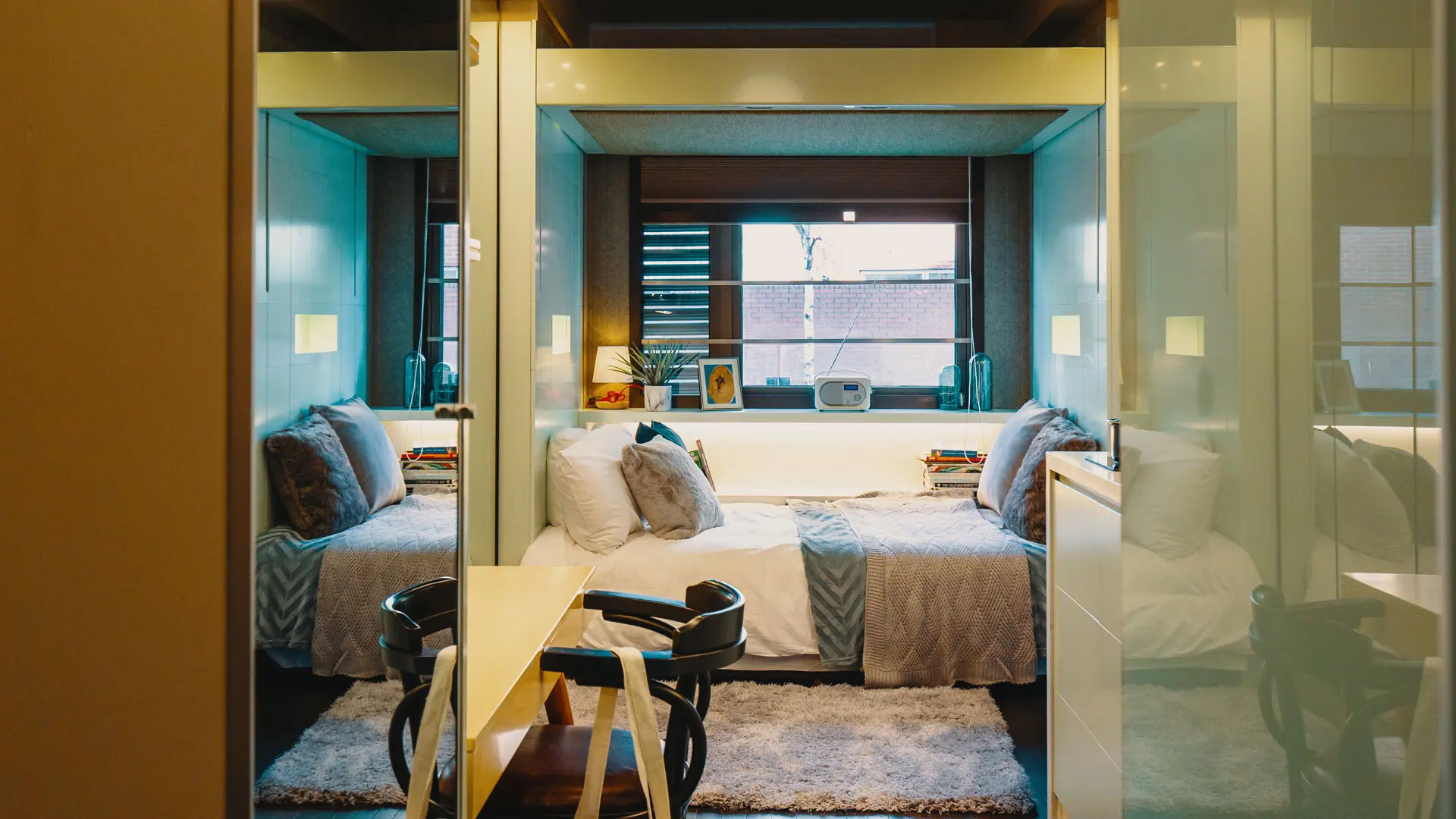
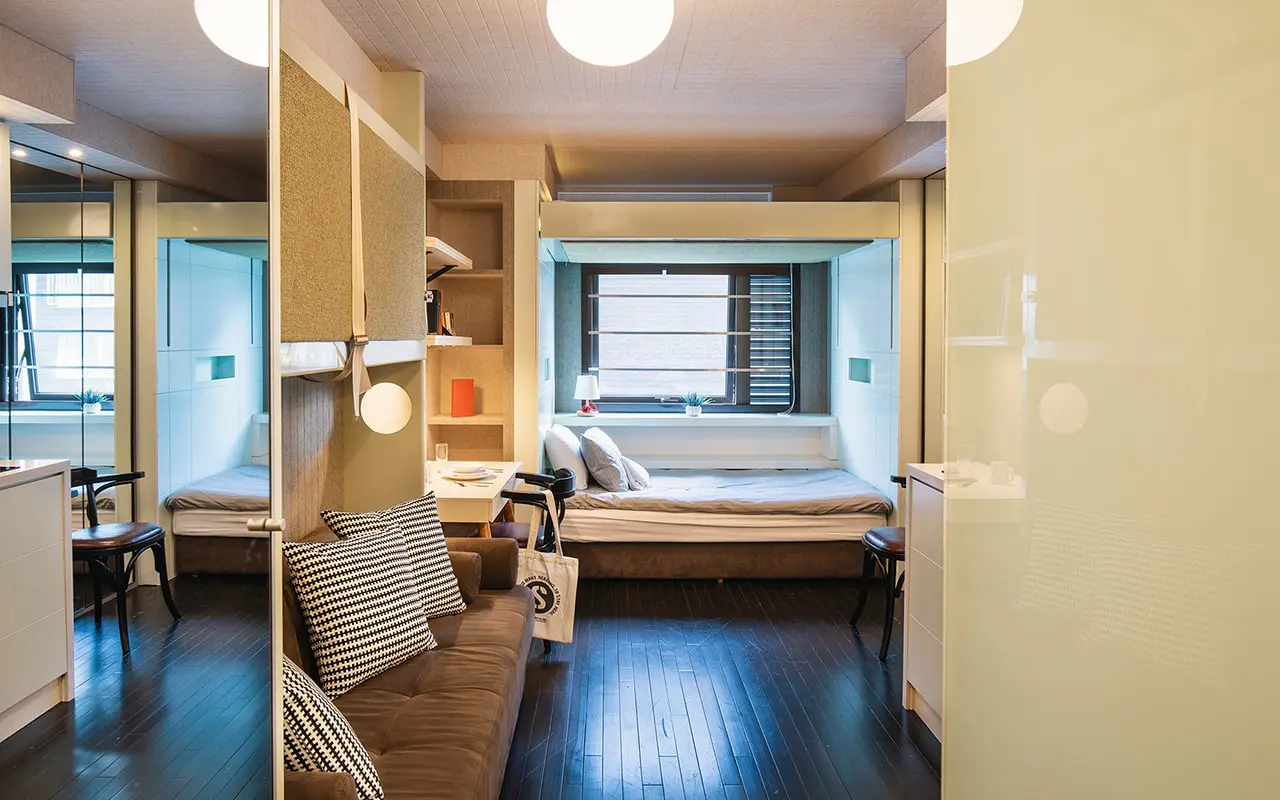
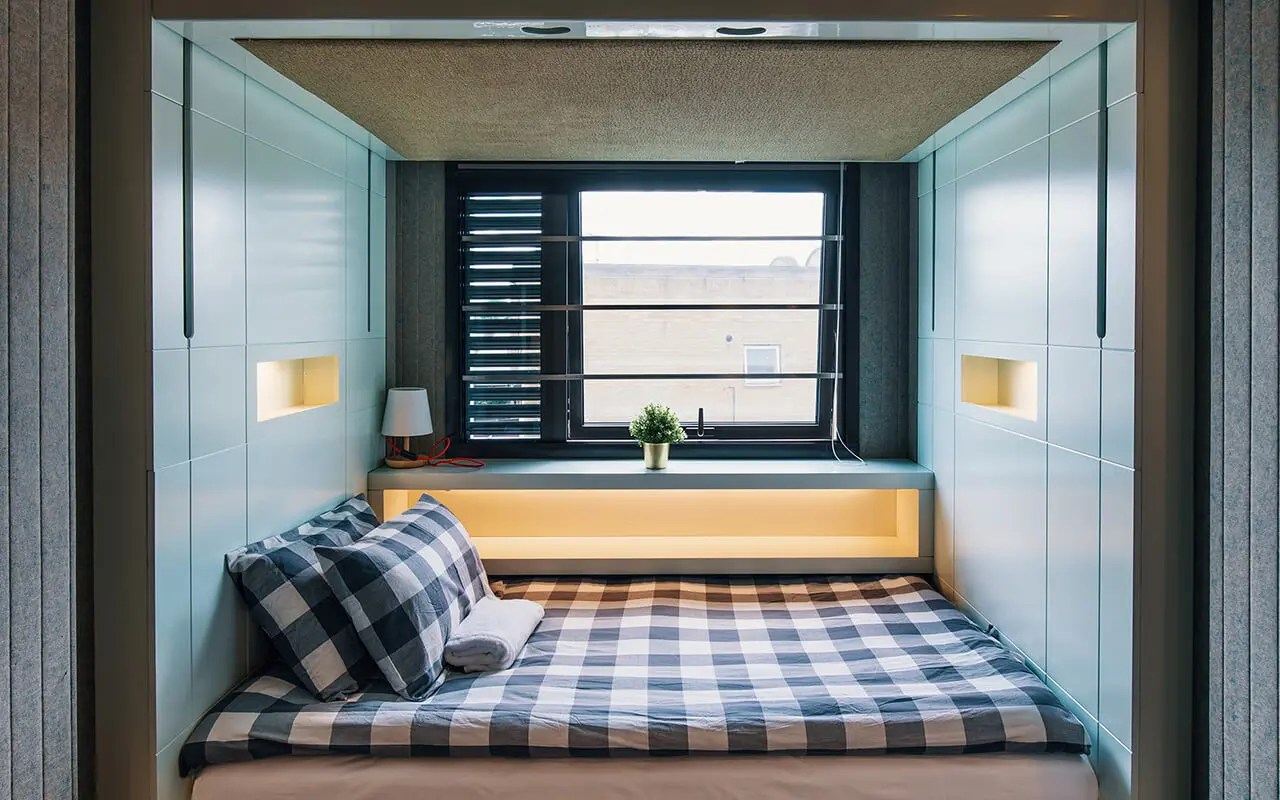
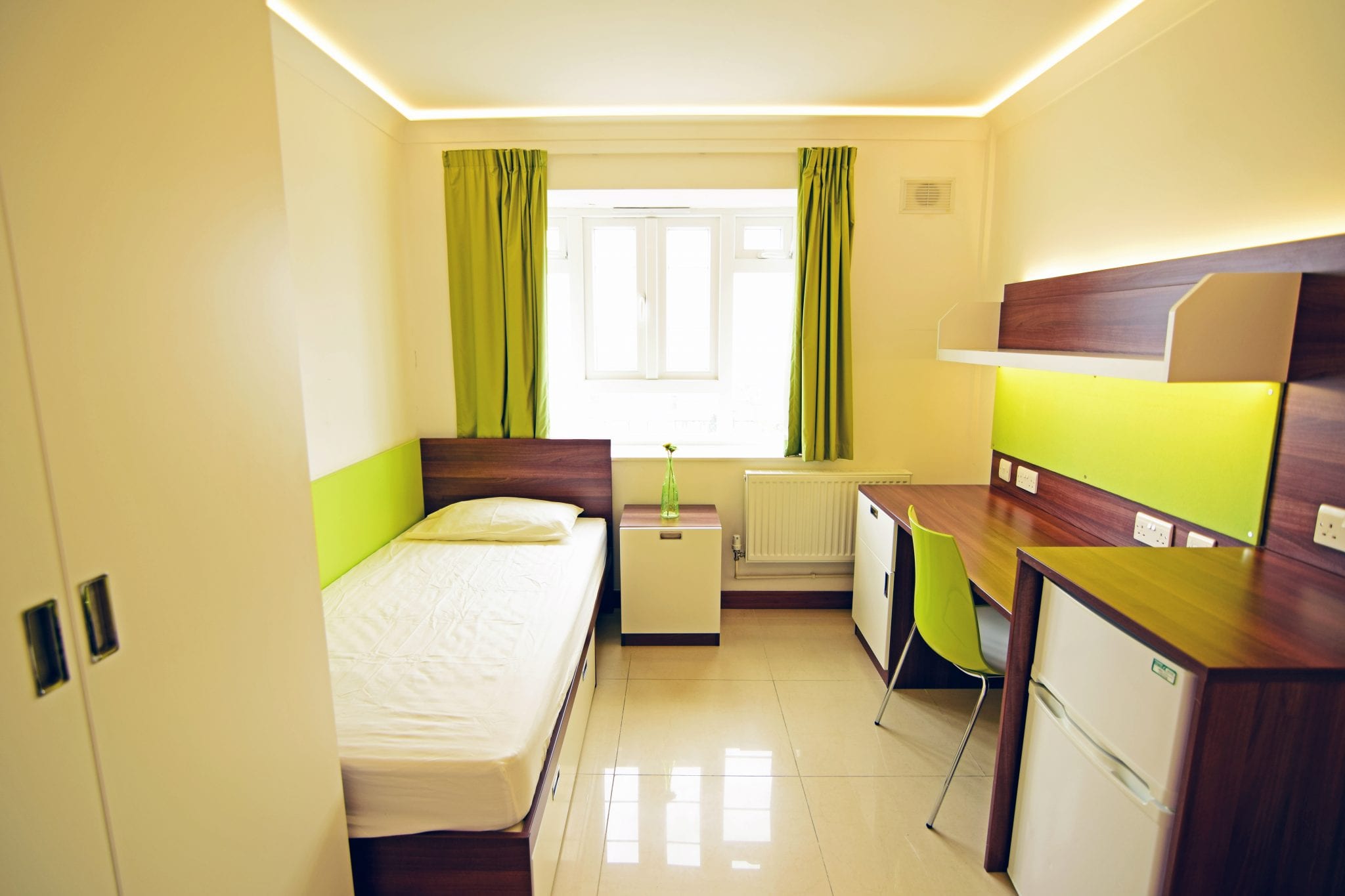
Overview: finding student accommodation at University of the Arts London
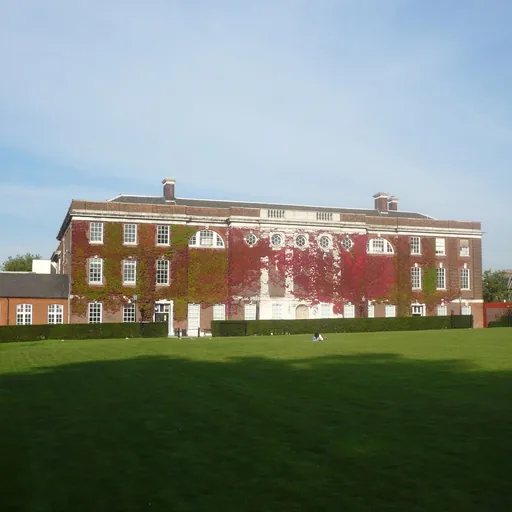
University of the Arts London (UAL) is spread across London rather than based on one traditional campus. Its colleges include Camberwell College of Arts, Central Saint Martins, Chelsea College of Arts, London College of Communication, London College of Fashion and Wimbledon College of Arts. That makes accommodation choice more strategic: the right room is not just the cheapest one, but the one that fits your college, commute, studio hours and budget.
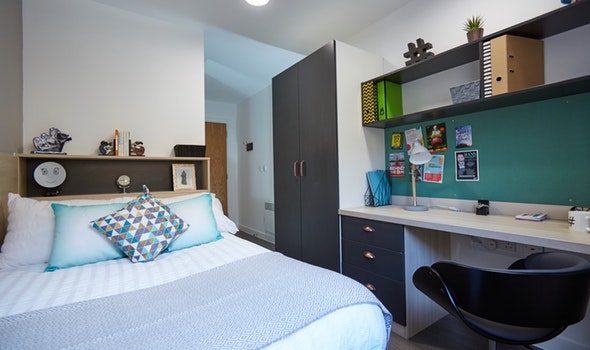
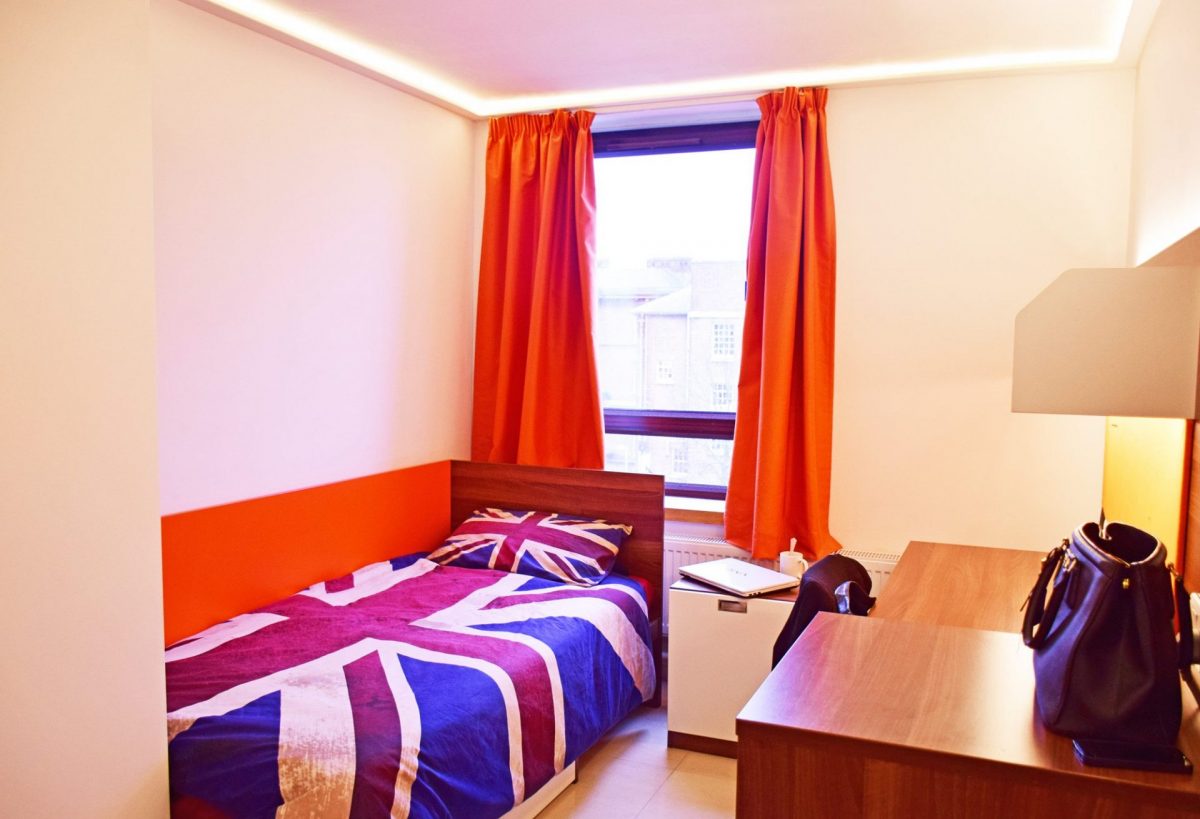
For most students, especially first years and international students, purpose-built student accommodation (PBSA) or UAL halls are the simplest starting point. They usually include furniture, bills, WiFi, maintenance, security and shared study or social spaces. Private renting can be cheaper in a shared flat, but it takes more admin and often adds bills, guarantor checks and a longer search.
Quick takeaways for UAL students:
- Best all-round option: PBSA or UAL halls with a direct route to your college.
- Most central UAL cluster: Elephant and Castle, Southwark, Stockwell and Peckham.
- Best for London College of Fashion: Stratford, Hackney Wick, Bow, Leyton and Tottenham Hale.
- Best for Central Saint Martins: King Cross, Finsbury Park, Holloway, Camden and Tottenham Hale.
- Best for Wimbledon College of Arts: Wimbledon, South Wimbledon, Tooting, Morden and Earlsfield.
- Typical 2026/27 UAL hall range: about £185 to £410 per week, depending on room type, funding, hall and tenancy length.
UAL campus locations and what they mean for housing
UAL students should start by checking where most teaching happens for their course. A 15-minute walk is useful, but a reliable 25-minute Tube or bus commute can be better than an expensive room in the wrong part of London.
| UAL college or site |
Main area |
Accommodation areas to compare |
Practical commute tip |
| Central Saint Martins |
King Cross |
King Cross, Camden, Holloway, Finsbury Park, Tottenham Hale |
Prioritise Piccadilly, Victoria, Northern or Thameslink links into King Cross St Pancras. |
| London College of Communication |
Elephant and Castle |
Elephant and Castle, Southwark, Waterloo, Stockwell, Bermondsey |
Walking distance is possible from some PBSA, but check late studio journeys. |
| London College of Fashion |
Stratford, East Bank |
Stratford, Hackney Wick, Bow, Leyton, Tottenham Hale |
Stratford is extremely well connected by Tube, Overground, DLR, rail and Elizabeth line. |
| Camberwell College of Arts |
Camberwell and Peckham |
Camberwell, Peckham, New Cross, Brixton, Stockwell |
Bus routes matter because nearby Tube access is weaker than in central London. |
| Chelsea College of Arts |
Millbank |
Vauxhall, Pimlico, Victoria, Waterloo, Stockwell |
Living slightly south can cut rent while keeping the commute manageable. |
| Wimbledon College of Arts |
Wimbledon |
Wimbledon, South Wimbledon, Tooting, Morden, Earlsfield |
District line, tram, rail and bus links can all be useful. |
Why PBSA is often the preferred choice
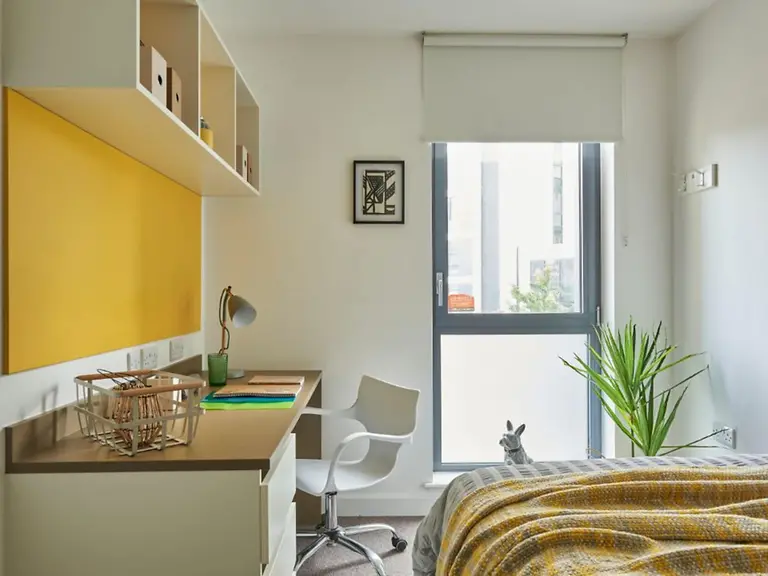
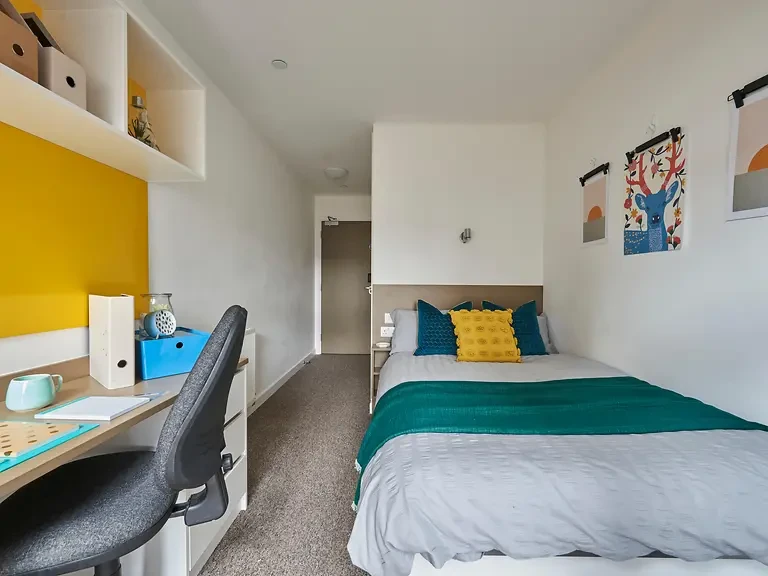
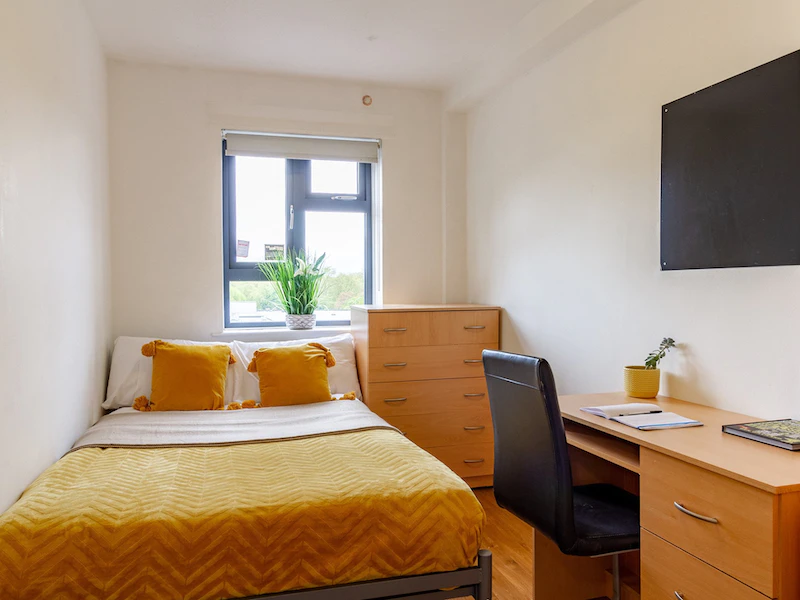
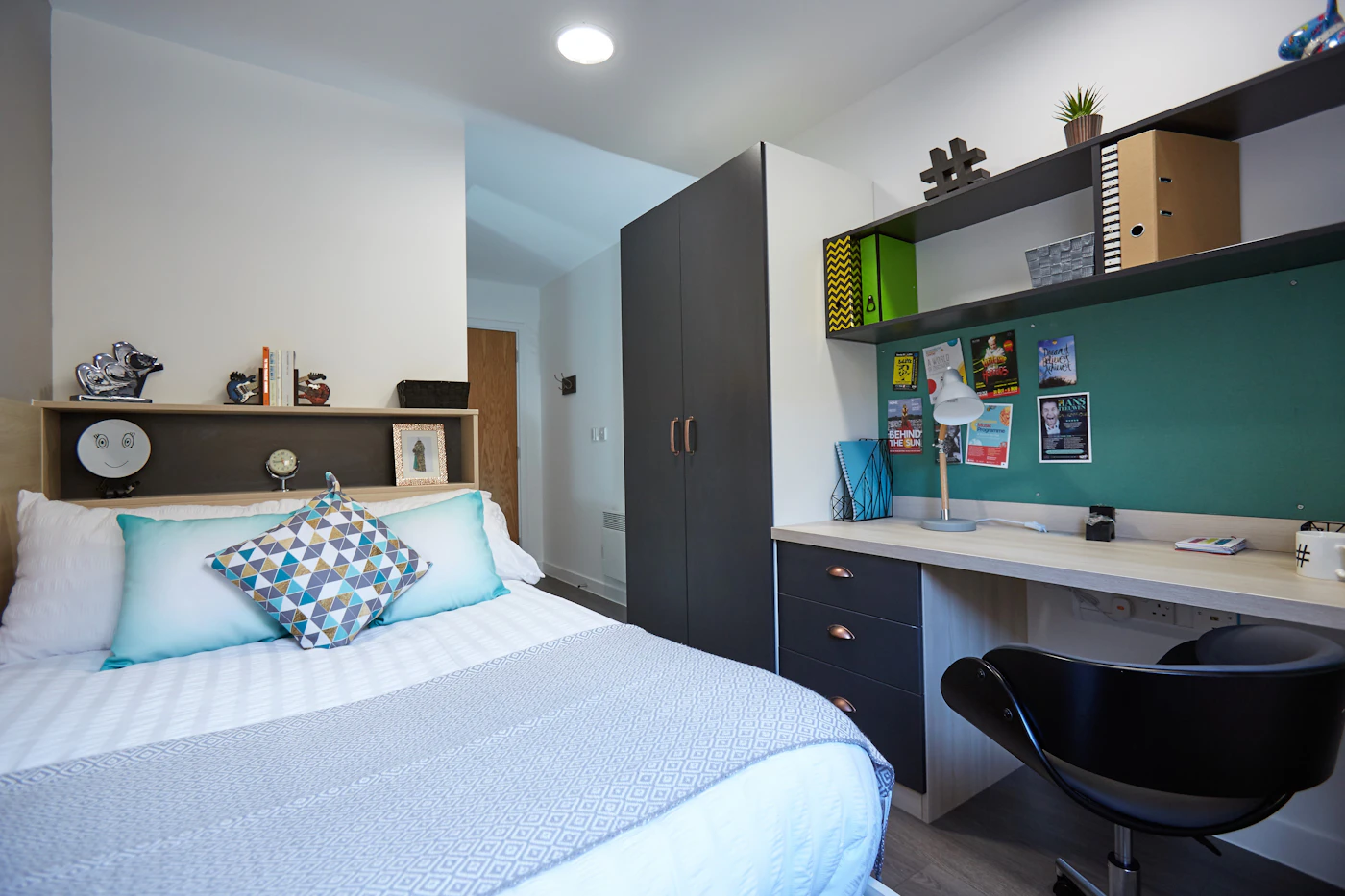
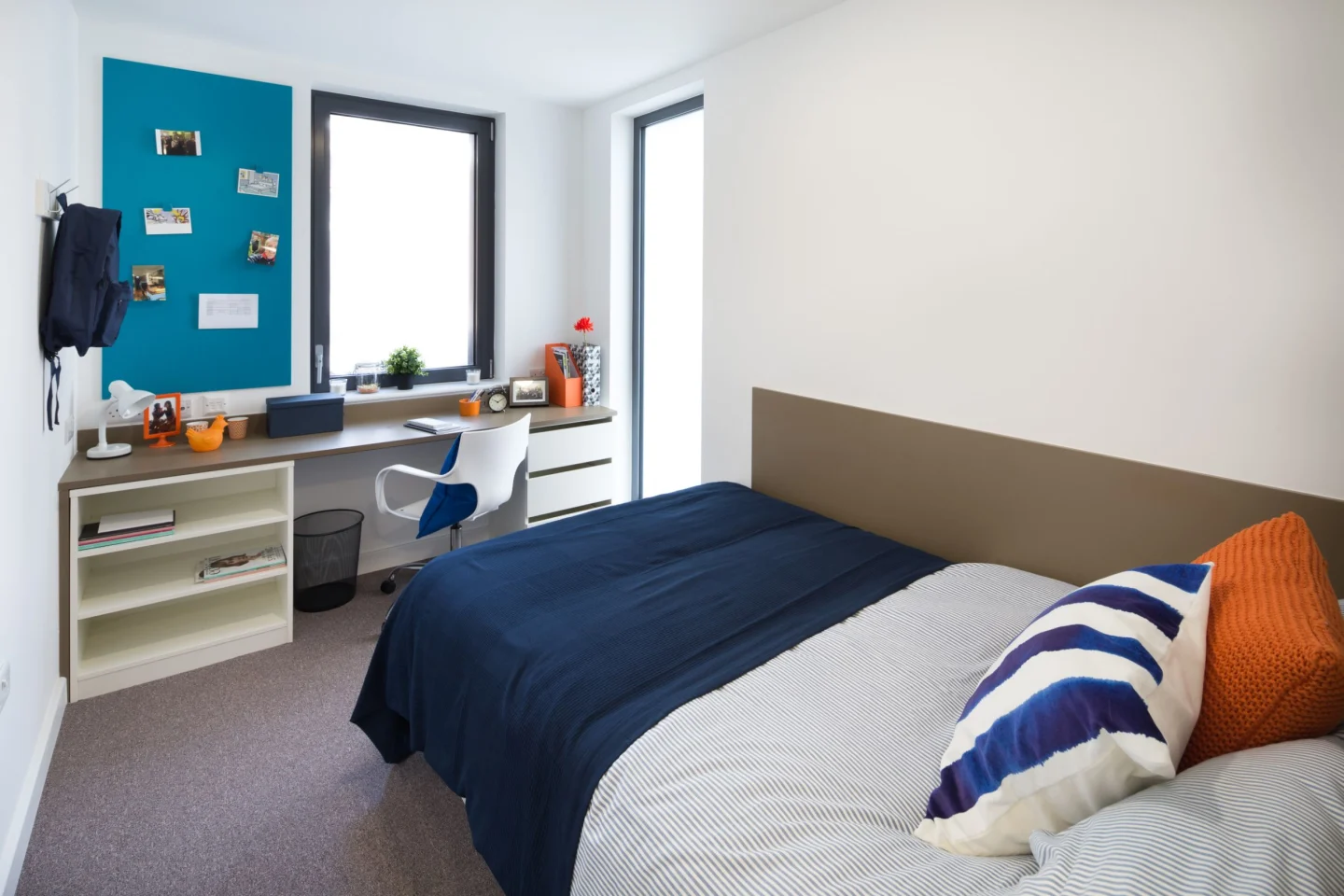
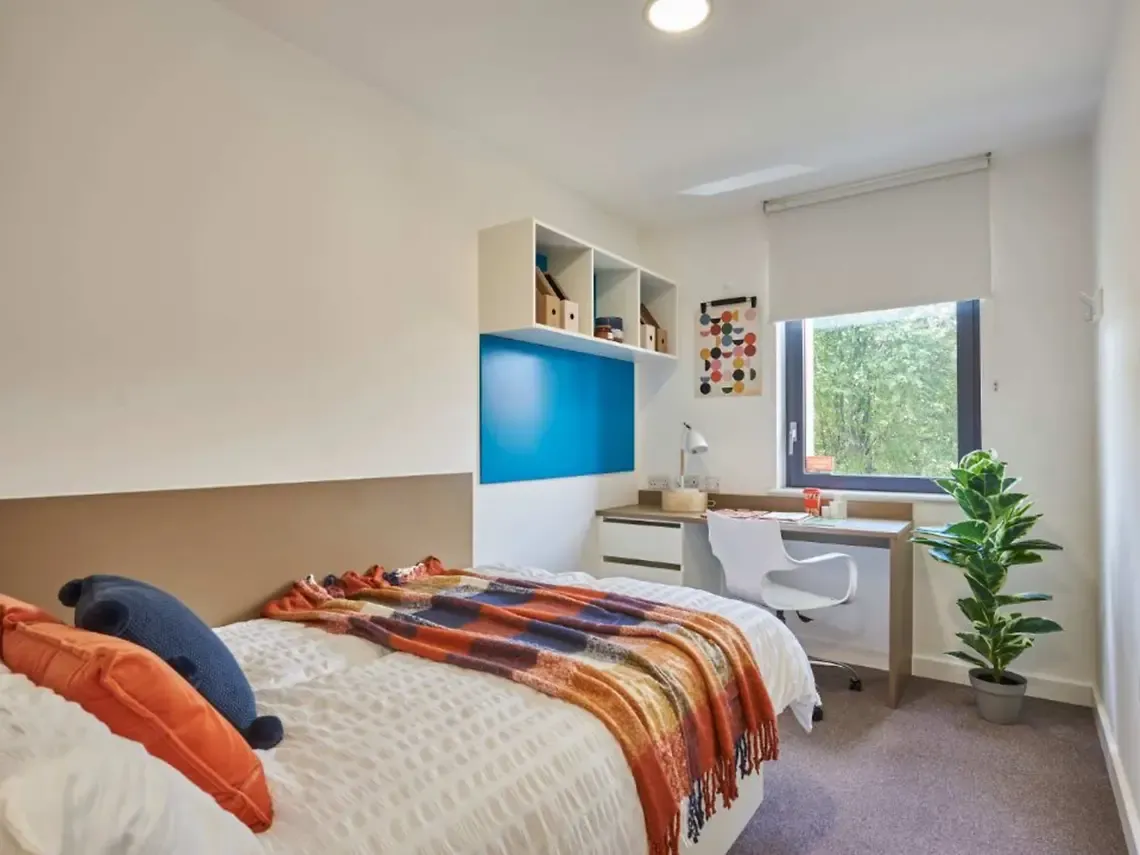
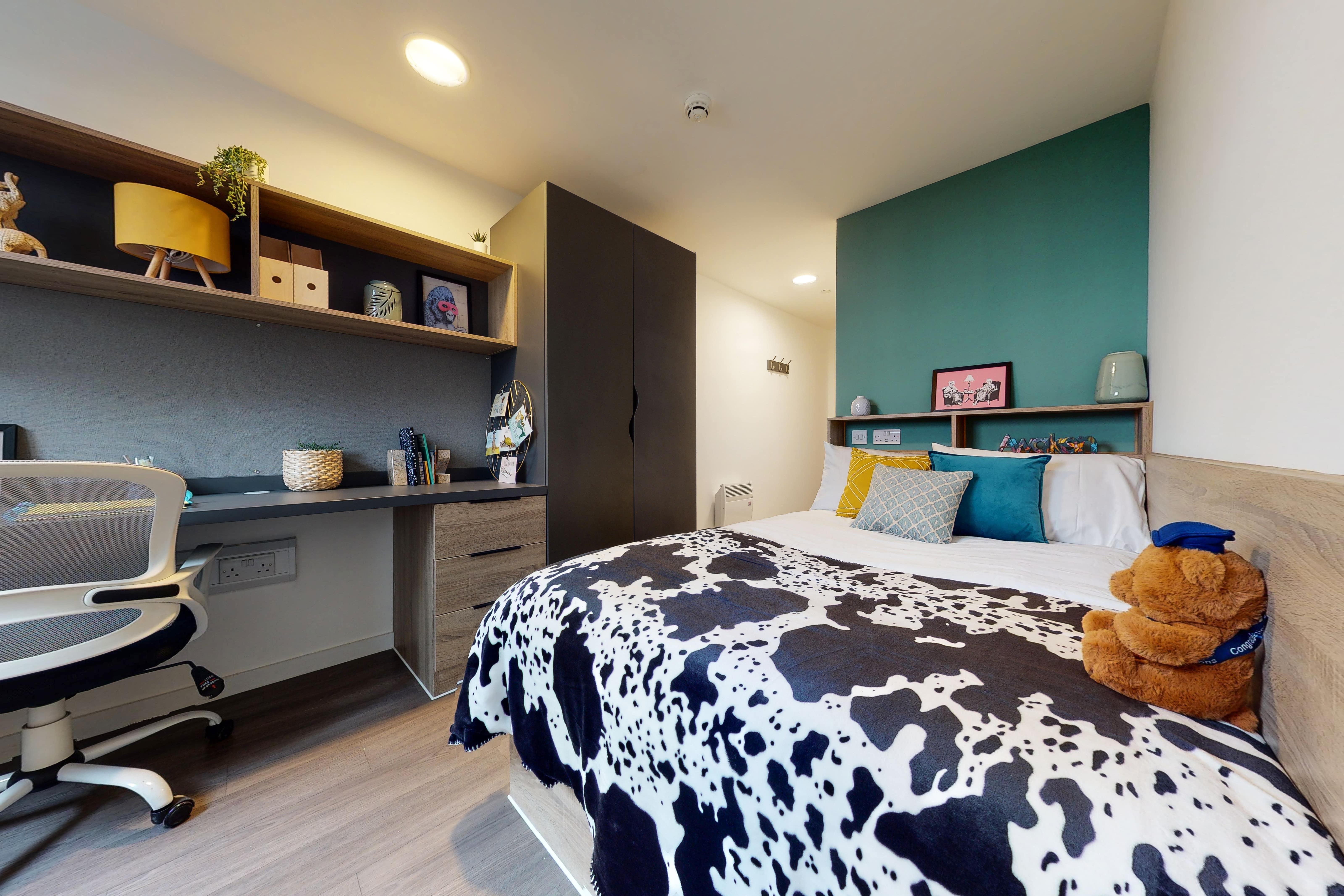
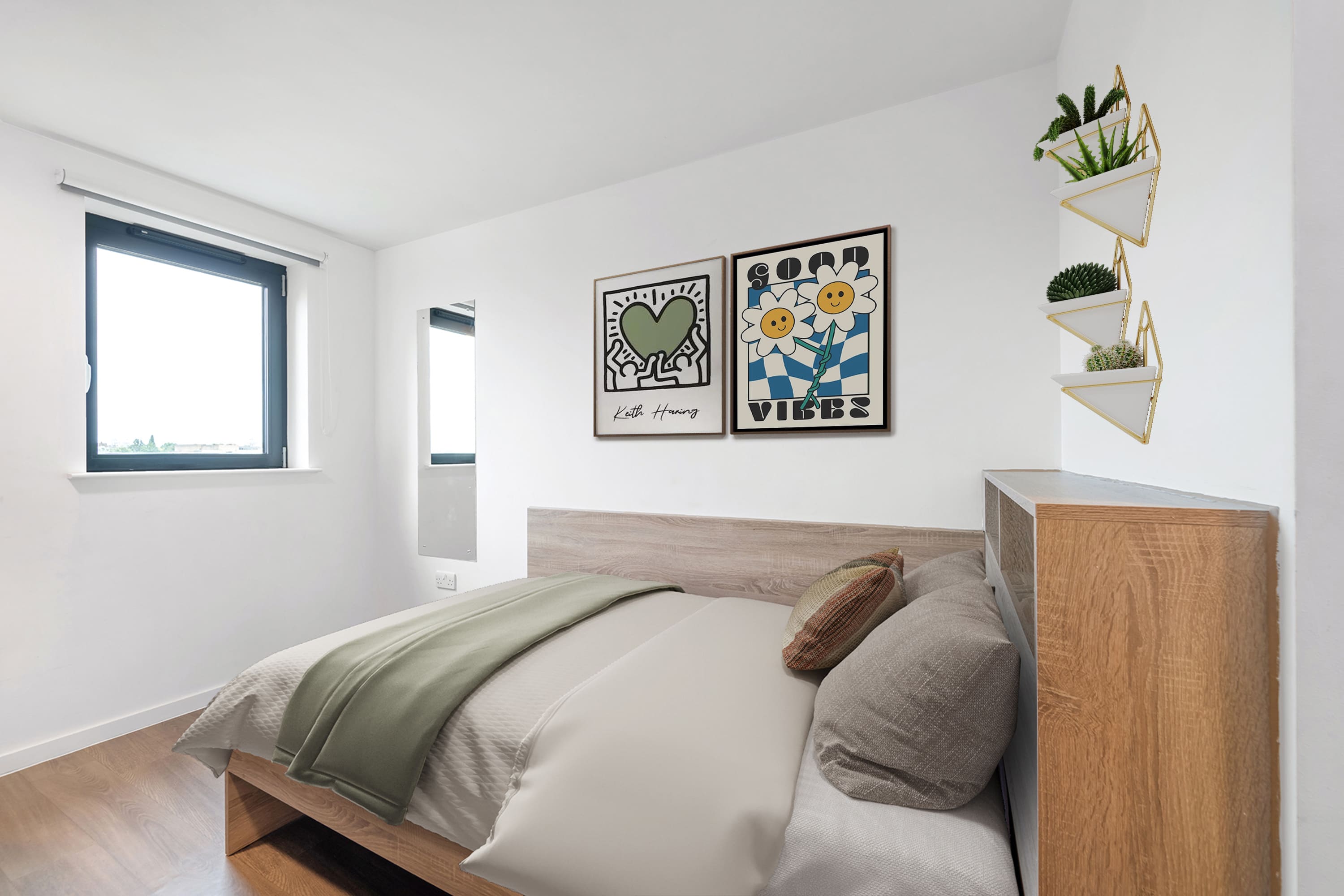
PBSA works especially well for UAL because creative courses can mean late studio sessions, large project materials, group work and uneven timetables. A good PBSA building gives you a predictable base while you settle into London.
PBSA advantages for UAL students:
- Bills are usually included, making budgeting easier.
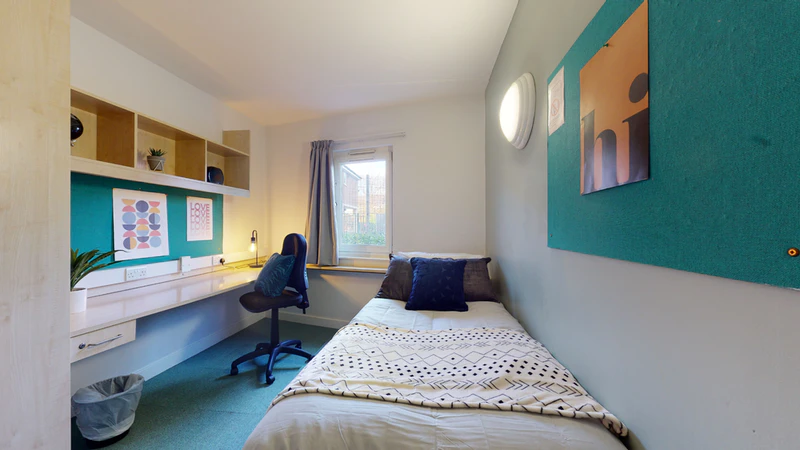
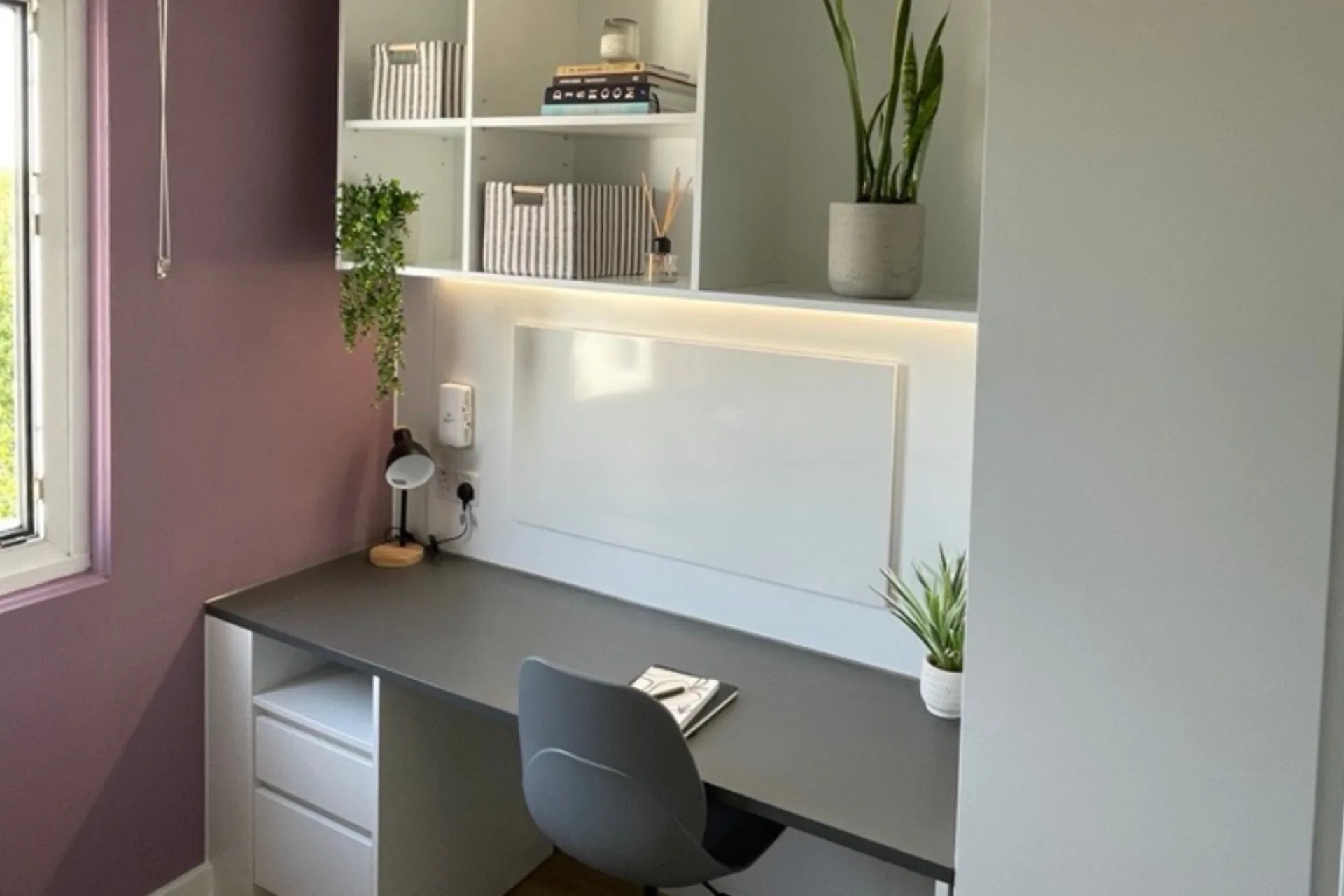
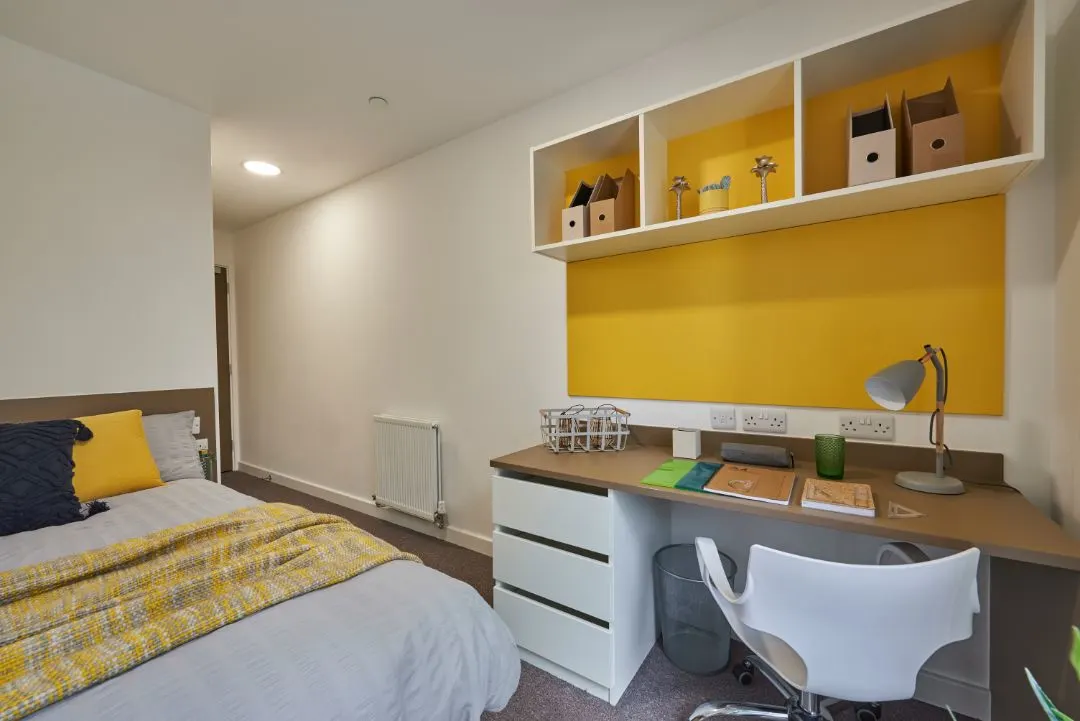
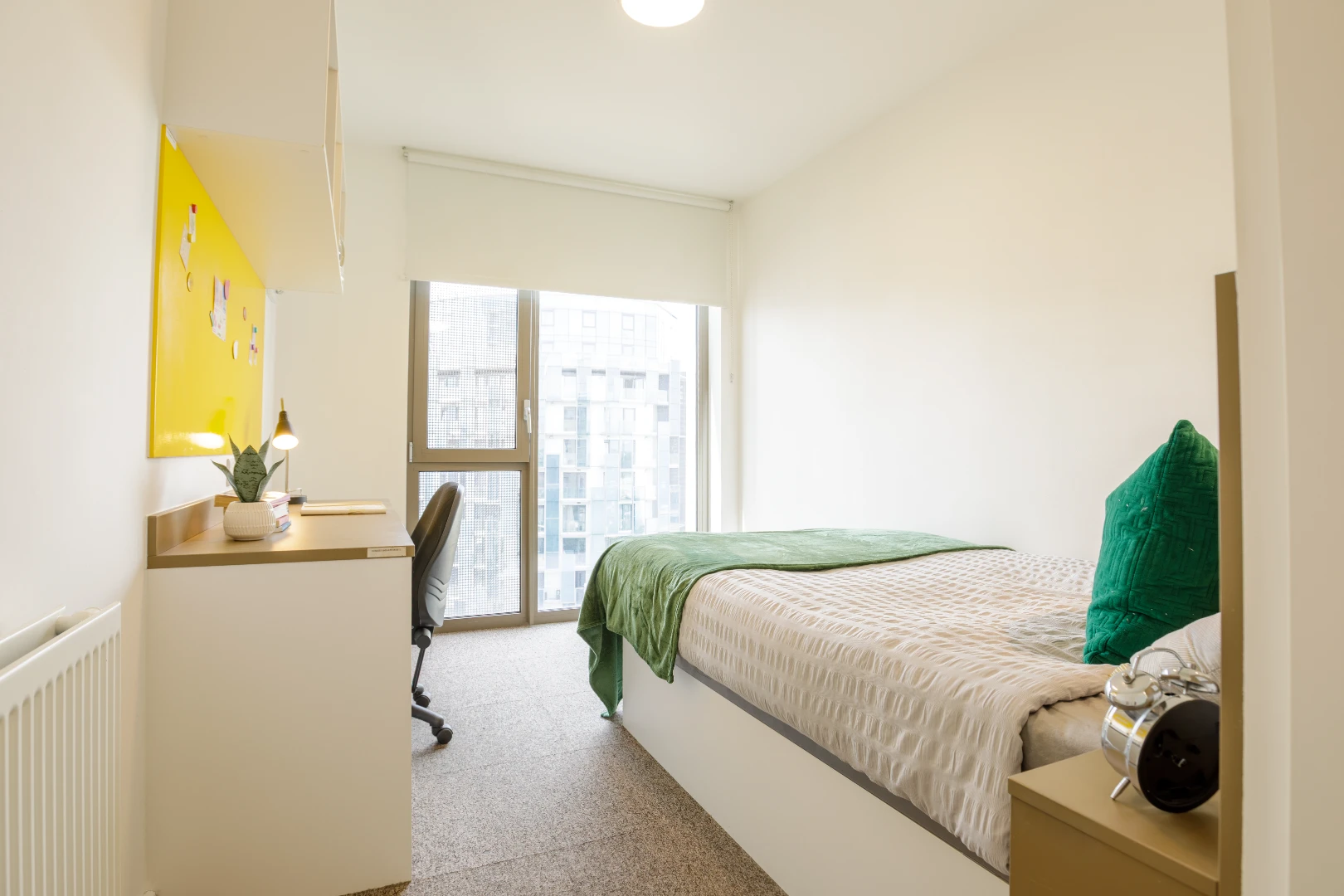
- Rooms are furnished, so you do not need to buy a bed, desk or wardrobe.
- WiFi and study spaces help with research, portfolio work and online submissions.
- On-site maintenance is faster than chasing a private landlord.
- Security and reception can be reassuring for students new to London.
- Flexible room types range from shared flats with ensuite rooms to self-contained studios.
The trade-off is price. Central London PBSA and studios can be expensive, so compare the full annual cost, not just the weekly rent. A £20 per week difference over a 50-week tenancy is £1,000.
UAL halls and official accommodation
UAL operates halls across London, with room types ranging from twin rooms and shared-bathroom rooms to ensuite rooms and studios. For 2026/27, UAL lists options such as Archwood House, Emily Bowes Court, Gardens House, Glassyard Building, Hawthorne House, Highline Building, Portland House, Signal House, Sketch House, The Costume Store, Wick Park, YourTRIBE Southwark and YourTRIBE Elephant and Castle.
Some examples from UAL 2026/27 pricing show the spread:
| Hall example |
Useful for |
2026/27 indicative room pricing |
| Hawthorne House, Stratford |
London College of Fashion |
Partially funded ensuite rooms around £185.10/week; standard ensuite rooms around £330/week |
| Highline Building, Elephant and Castle |
London College of Communication |
Ensuite rooms around £304 to £318/week; mobility adaptable studios around £372/week |
| The Costume Store, Acton |
Central and west London links |
Standard rooms around £231/week; studios around £330/week |
| Archwood House, Camberwell |
Camberwell and south London colleges |
Shared-bathroom rooms around £234.50/week; studios up to about £405/week |
| Sketch House, Finsbury Park |
Central Saint Martins |
Standard rooms around £298.50/week; studios around £368.50/week |
| YourTRIBE Southwark |
Southwark and central routes |
Partially funded rooms around £204/week |
Important: UAL hall availability changes. Some buildings leave or join the portfolio, and partially funded rooms can have eligibility criteria. Always check the current accommodation portal before making a decision.
Best student areas for UAL
Elephant and Castle, Southwark and Waterloo
This is one of the strongest zones for London College of Communication and students who want central access. It is practical for South Bank, Westminster, London Bridge and many cross-London routes.
Choose this area if you want:
- A short walk or quick bus to LCC.
- Strong Tube, rail and bus links.
- Easy access to central London galleries, libraries and creative events.
- PBSA options with study rooms and shared facilities.
Expect rents to be high, especially for studios. Ensuite PBSA can still be worth it if it saves daily travel time.
King Cross, Camden, Holloway and Finsbury Park
This cluster works well for Central Saint Martins students at Granary Square. King Cross is convenient but expensive, so many students look one or two stops away.
Good options to compare:
- King Cross: best convenience, highest prices.
- Camden: lively, creative and central, with high demand.
- Holloway: often better value with bus and Tube routes.
- Finsbury Park: strong Victoria and Piccadilly line access, useful for halls such as Sketch House.
Stratford, Hackney Wick, Bow and Leyton
This is the main housing search zone for London College of Fashion at East Bank. Stratford has excellent public transport, major shops, green space and growing PBSA supply.
Why students choose Stratford:
- Walking or short public transport commute to LCF.
- Elizabeth line, Central line, Jubilee line, DLR, Overground and rail links.
- Access to Queen Elizabeth Olympic Park.
- More modern accommodation stock than some older central areas.
Hackney Wick is creative and close to East Bank, but private rents can be competitive. Leyton and Bow can offer better value.
Peckham, Camberwell, Brixton and Stockwell
These areas suit Camberwell College of Arts, Chelsea College of Arts and students who want south London culture with slightly more space. They are popular with creative students, but transport varies by exact street.
Check carefully before booking:
- Bus routes to campus.
- Night travel after studio sessions or part-time work.
- Distance to supermarkets and laundrettes.
- Whether the room is close to a reliable Overground or Tube station.
Wimbledon, Tooting, Morden and Earlsfield
These areas are sensible for Wimbledon College of Arts. Wimbledon itself is convenient but can be pricey. Tooting and Morden may give better value while keeping the commute realistic.
Best for students who want:
- A calmer residential base.
- Access to District line, Northern line, rail or tram routes.
- Lower pressure than central London housing markets.
- More private shared-house options.
Accommodation types and expected costs
London is expensive, so build your budget around the full monthly cost. Weekly rents can look manageable until you multiply them across a long tenancy.
| Accommodation type |
Typical student fit |
Expected cost pattern |
What to watch |
| UAL halls |
First years, international students, students wanting UAL-managed support |
About £185 to £410/week in 2026/27 examples |
Availability, tenancy length and eligibility for partially funded rooms |
| Private PBSA ensuite |
Students wanting all-inclusive bills and amenities |
Often about £250 to £380/week, higher in prime central locations |
Contract length, laundry charges and distance to your college |
| Private PBSA studio |
Students wanting full privacy |
Often £330+/week and can be much higher centrally |
Total annual cost and whether you really need a private kitchen |
| Shared private flat |
Returning students or friendship groups |
Often cheaper per person outside Zone 1, but bills extra |
Guarantors, deposits, council tax status, repairs and scams |
| Homestay or short stay |
Short courses, summer schools, temporary arrivals |
Varies widely by area and package |
Meals, house rules and commute time |
Budget example: a £300/week room on a 50-week contract costs £15,000 before food, travel and course materials. Art, fashion, communication and performance courses can add extra spending on materials, printing, fabric, storage, travel and portfolio work.
Transport planning for UAL students
Because UAL is multi-site, do not judge accommodation only by map distance. London travel depends on interchanges, walking time, bus frequency and whether your route is reliable at the times you actually travel.
Before you book, test the commute:
- Search the route to your specific college building, not just "UAL".
- Check weekday morning, evening and late-night journeys.
- Add walking time from your room to the station or bus stop.
- Check whether you need to carry heavy materials.
- Compare weekly rent savings against transport costs.
For many UAL students, the best value is Zone 2 or Zone 3 accommodation with a direct route, rather than a costly central room with awkward connections.
Step-by-step booking timeline
9 to 12 months before moving
- Set your maximum weekly rent and annual rent ceiling.
- Confirm your main UAL college and likely teaching location.
- Shortlist three areas: one ideal, one balanced, one budget.
- Join accommodation alerts and check official UAL booking guidance.
6 to 9 months before moving
- Compare UAL halls and private PBSA.
- Prepare documents, student ID details and guarantor information.
- Ask whether rent is paid termly, monthly or in advance.
- Check cancellation policies if your visa or results are pending.
3 to 6 months before moving
- Book once you are confident about location, contract and affordability.
- Read the tenancy agreement before paying more than a holding amount.
- Save screenshots or PDFs of advertised rent, room type and included bills.
- Plan your move-in date around induction and Welcome events.
Final month
- Confirm move-in slot, payment schedule and inventory process.
- Arrange bedding, kitchen items and insurance if needed.
- Test the route from accommodation to campus.
- Keep emergency contacts and accommodation reception details on your phone.
Scam prevention and safety
London student housing moves quickly, which creates opportunities for scams. Slow down before sending money.
Red flags include:
- A landlord refusing video viewings or in-person viewings.
- Pressure to pay immediately by bank transfer.
- Rent that looks far below the local market.
- No written contract or unclear landlord details.
- Requests to send documents through informal channels only.
- A deposit that is not protected for an assured shorthold tenancy.
Safer habits:
- Use official UAL channels, recognised PBSA providers or established agents.
- Check whether private halls are signed up to a recognised student accommodation code.
- Never rely only on social media messages.
- Search the building name, agent name and address separately.
- Ask UAL accommodation advice for help if a contract feels unclear.
International student guide and Right to Rent
International students should plan accommodation earlier because payment checks, visa timing and guarantor rules can take longer.
Key points for international students:
- Private landlords in England normally need to check your Right to Rent before a private tenancy starts.
- Student halls and some PBSA arrangements may be exempt from standard Right to Rent checks, but you should still expect identity checks.
- If you have digital immigration status, you may need to generate a share code.
- Some landlords ask for a UK guarantor or several months of rent upfront.
- Check whether your contract allows cancellation if your visa is refused.
Keep copies of your passport, visa decision, share code, CAS, offer letter and payment receipts in one secure folder.
Tenancy agreement cheat sheet
Before you sign, look for these details:
| Contract point |
Why it matters |
| Tenancy length |
A 38-week room and a 51-week room can have very different total costs. |
| Payment schedule |
Some providers ask for termly payments or upfront rent. |
| Guarantor rules |
International students may need a guarantor service or advance payment. |
| Bills |
Confirm electricity, heating, water, internet and contents insurance. |
| Cancellation |
Check what happens if your course, visa or results change. |
| Room moves |
Ask whether room transfers are possible if accessibility or wellbeing needs change. |
| Deposit protection |
For private tenancies, confirm how your deposit will be protected. |
| Maintenance response |
Understand how repairs are reported and how urgent issues are handled. |
If anything is unclear, ask for the answer in writing before paying.
What to pack vs what is usually provided
Most halls and PBSA rooms are furnished, but they rarely include everything you need for daily life.
| Usually provided |
Usually bring or buy |
| Bed frame and mattress |
Bedding, pillows and mattress protector |
| Desk, chair and wardrobe |
Towels and laundry basket |
| Shared kitchen appliances |
Pans, plates, cutlery and food containers |
| WiFi |
Extension lead if permitted |
| Basic maintenance support |
Art materials, storage boxes and portfolio tubes |
| Common room or study space |
Laptop lock, headphones and desk lamp if allowed |
For UAL courses, think beyond normal student packing. You may need safe storage for sketchbooks, fabric, models, cameras, tools or large-format work. Check accommodation rules before bringing specialist equipment.
Accessibility and special requirements
UAL lists accessible rooms across several halls and has accommodation disability support routes. If you need an adapted room, quiet living, mental health support, step-free access or a particular commute pattern, raise it early.
Action checklist:
- Contact accommodation support before booking.
- Explain your access needs clearly and provide evidence if requested.
- Check the route from room to campus, including lifts, station access and night travel.
- Ask about fridge space for medication if relevant.
- Confirm whether carers, assistance animals or specialist equipment are permitted.
Do not wait until rooms are nearly full. Accessible and adapted rooms are limited in number.
Final advice for choosing UAL accommodation
The best UAL accommodation is the one that protects your time, energy and budget. A slightly more expensive room can be worth it if it cuts a stressful commute and includes bills. A cheaper shared flat can work well if you already know London, have reliable flatmates and understand the contract.
A strong shortlist should include:
- One UAL hall or PBSA option close to your college.
- One better-value option with a direct transport route.
- One backup area in case rooms sell out.
- A clear maximum annual rent, not just a weekly figure.
Once you know your college, compare accommodation around the real commute. UAL life is creative, busy and often materials-heavy, so choose a room that makes it easier to get to studios, work safely and still have enough money left for London life.