Why this guide matters for University of Notre Dame (USA), London students
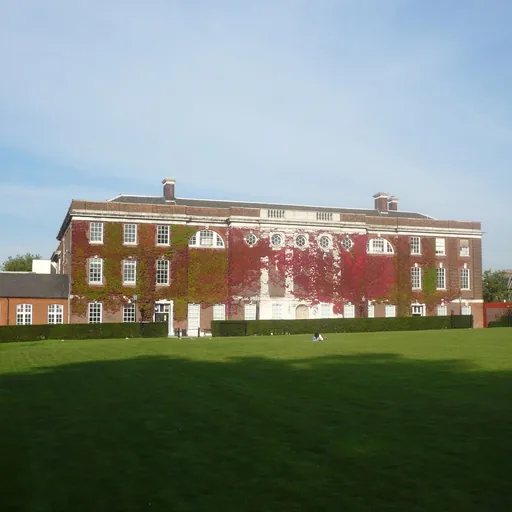
Notre Dame London is unusually centralized in a way many overseas programs are not: most students are based at the same urban cluster around 1-4 Suffolk Street (SW1Y 4HG), with classes in Marian Kennedy Fischer Hall near Trafalgar Square and residence in Conway Hall near Waterloo and the South Bank.
That setup makes your housing decision mostly an either/or choice:
- Use university-managed residence (Conway Hall) for maximum convenience.
- Go private in central London only if you need specific preferences like a quieter setup or a different commute pattern.
University overview and accommodation reality
Notre Dame London confirms that it is based at Fischer Hall in central London and that students are housed in Conway Hall during term.
The Undergraduate program is significant in scale, with ~200 undergraduates each term, and the academic year runs in two main windows (late August–mid December and mid-January–early May).
In practice, this creates a very specific accommodation market:
- Term starts are concentrated, especially around autumn and spring arrival windows.
- Central London costs are high, and housing inventory is competitive.
- Commute stress should not be ignored, despite the central location: you still need to time travel, budget for peak fares, and pre-plan your student life route.
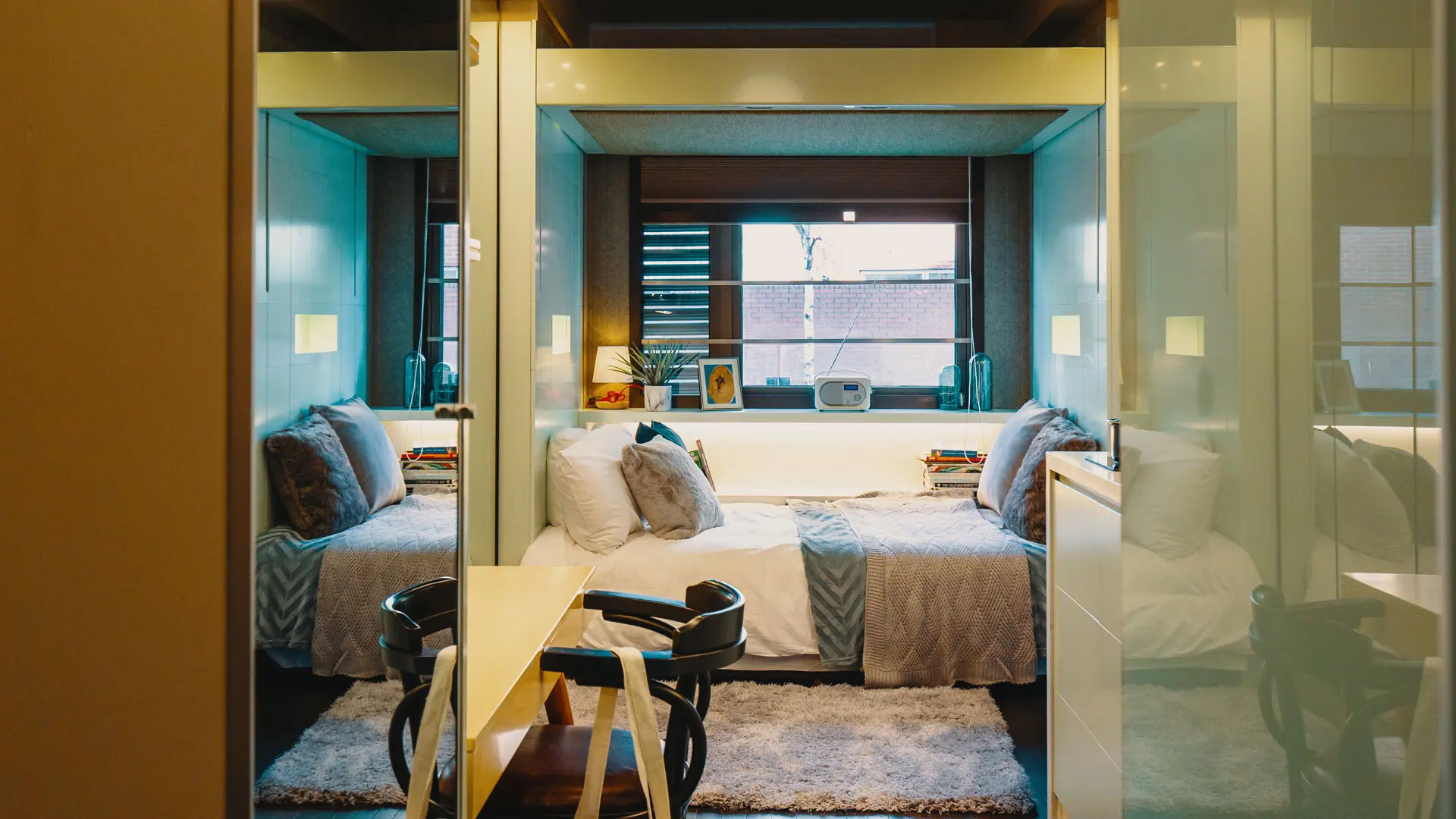
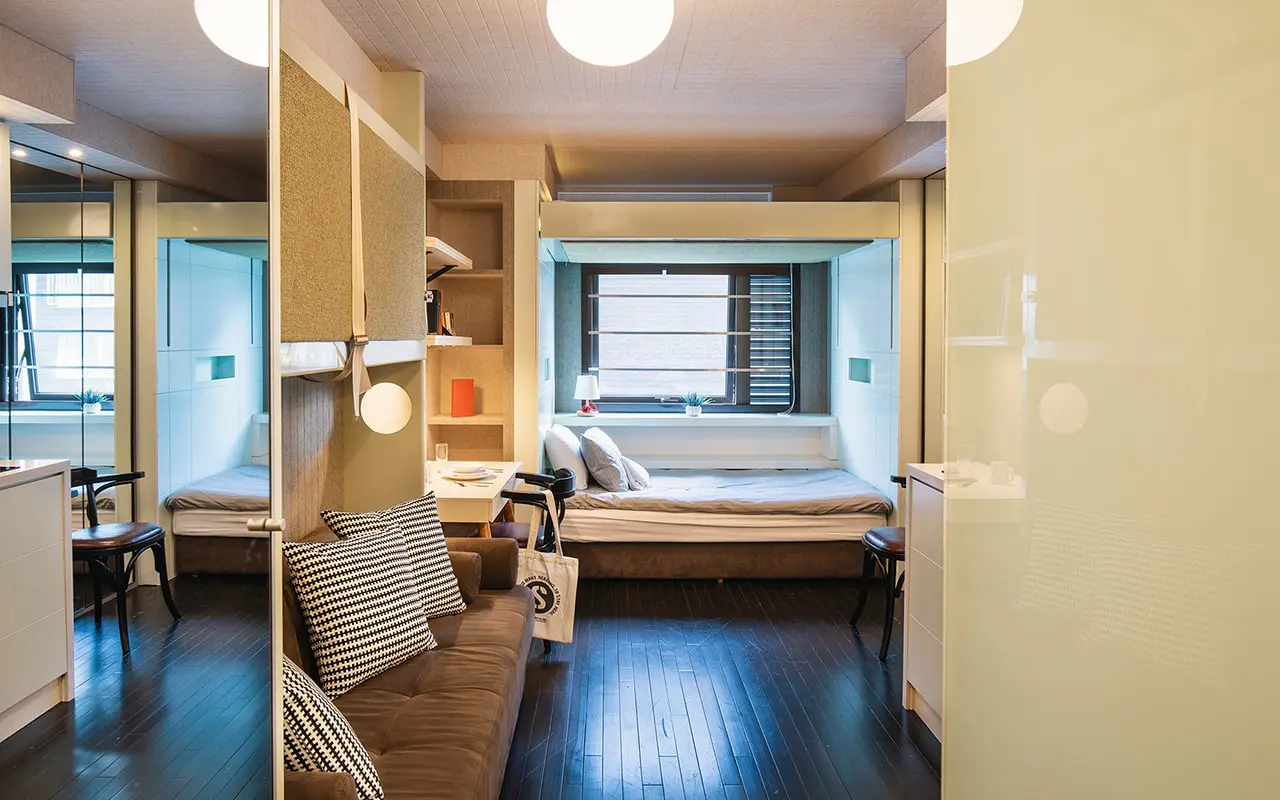
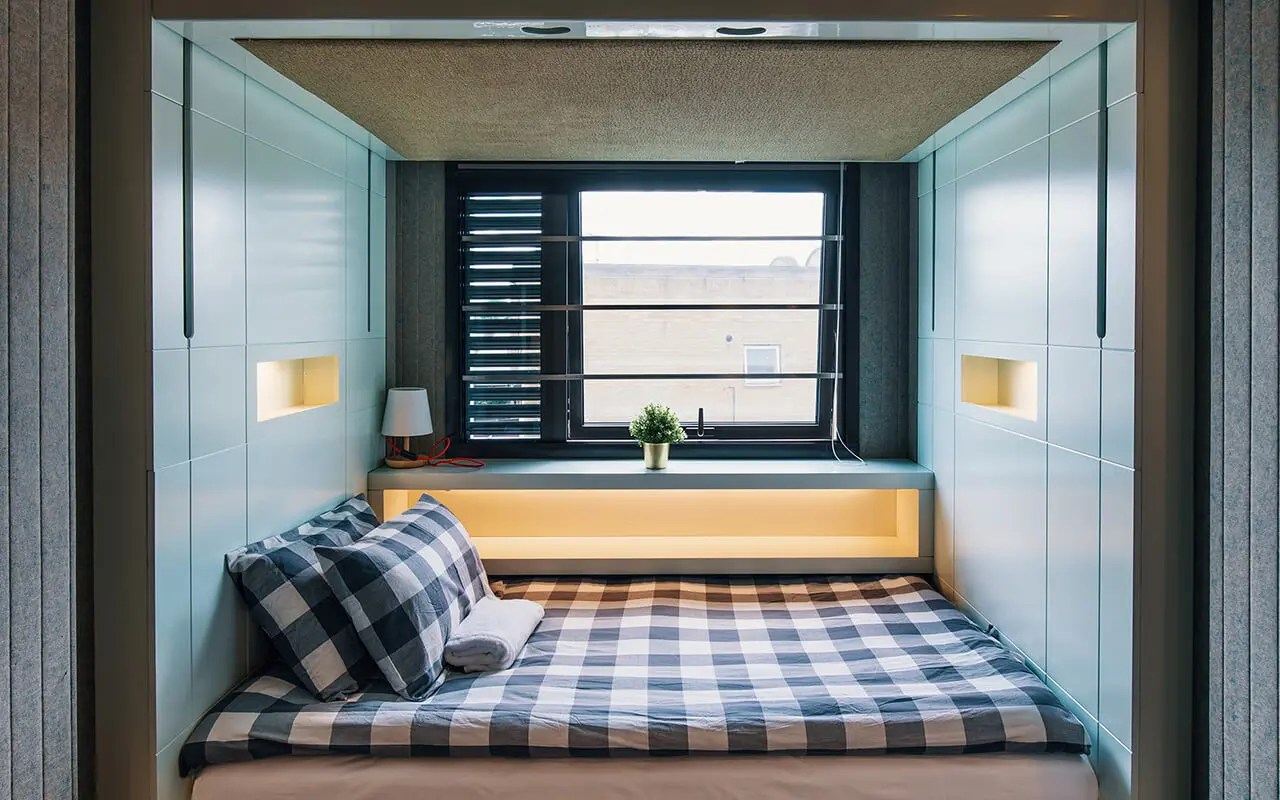
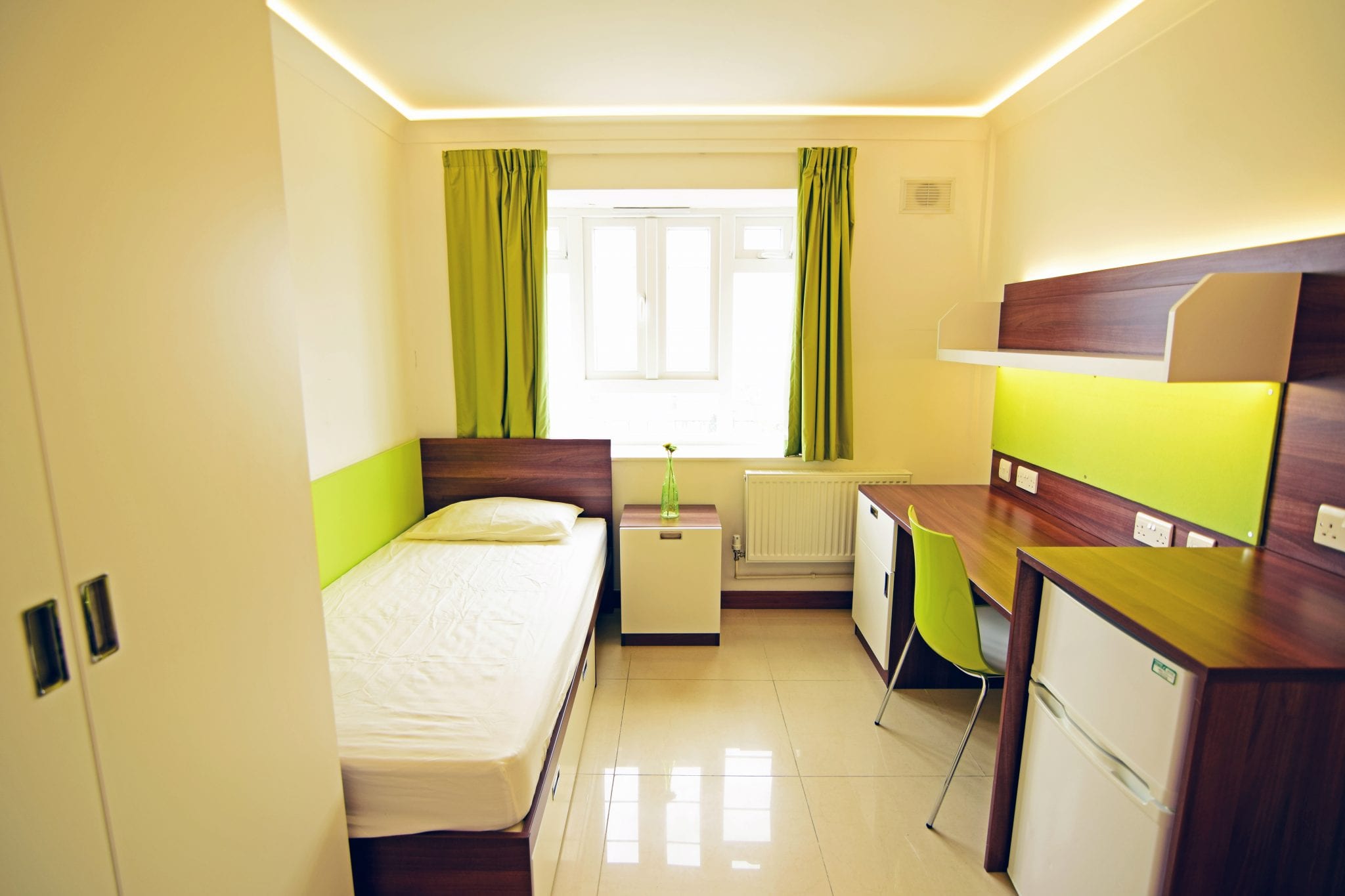
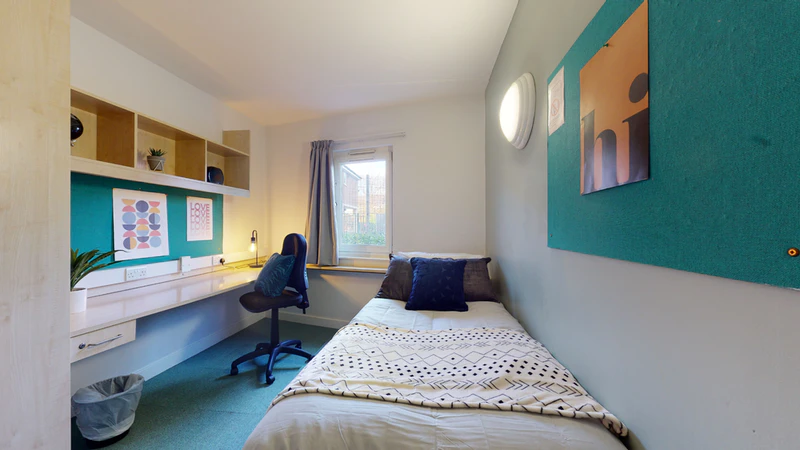
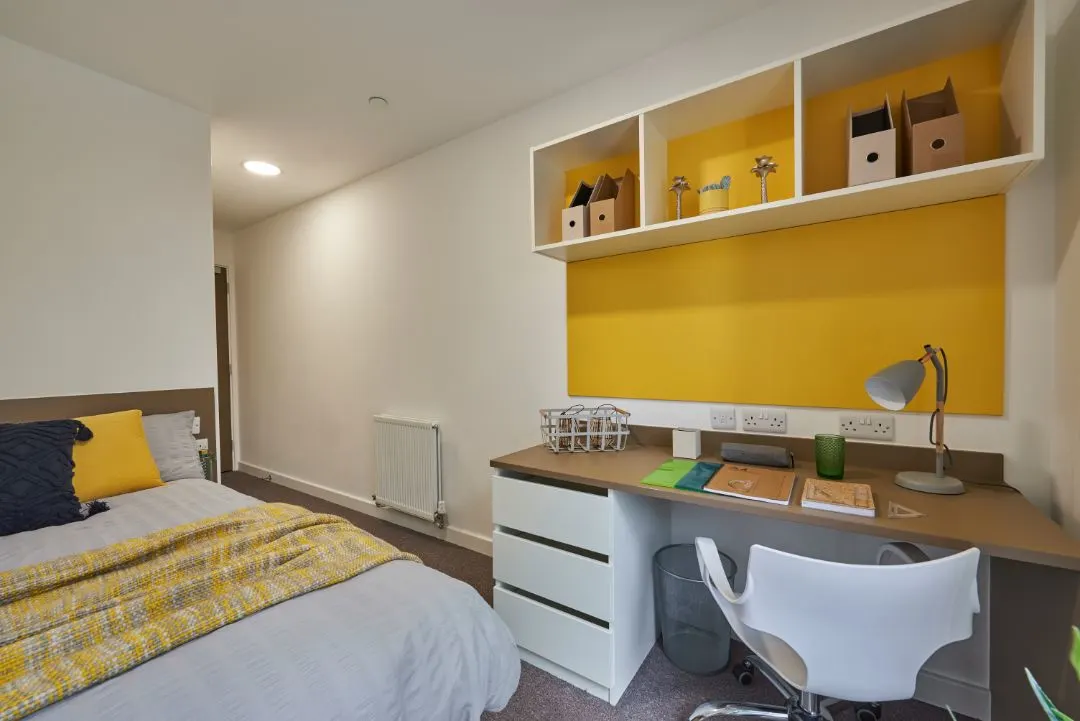
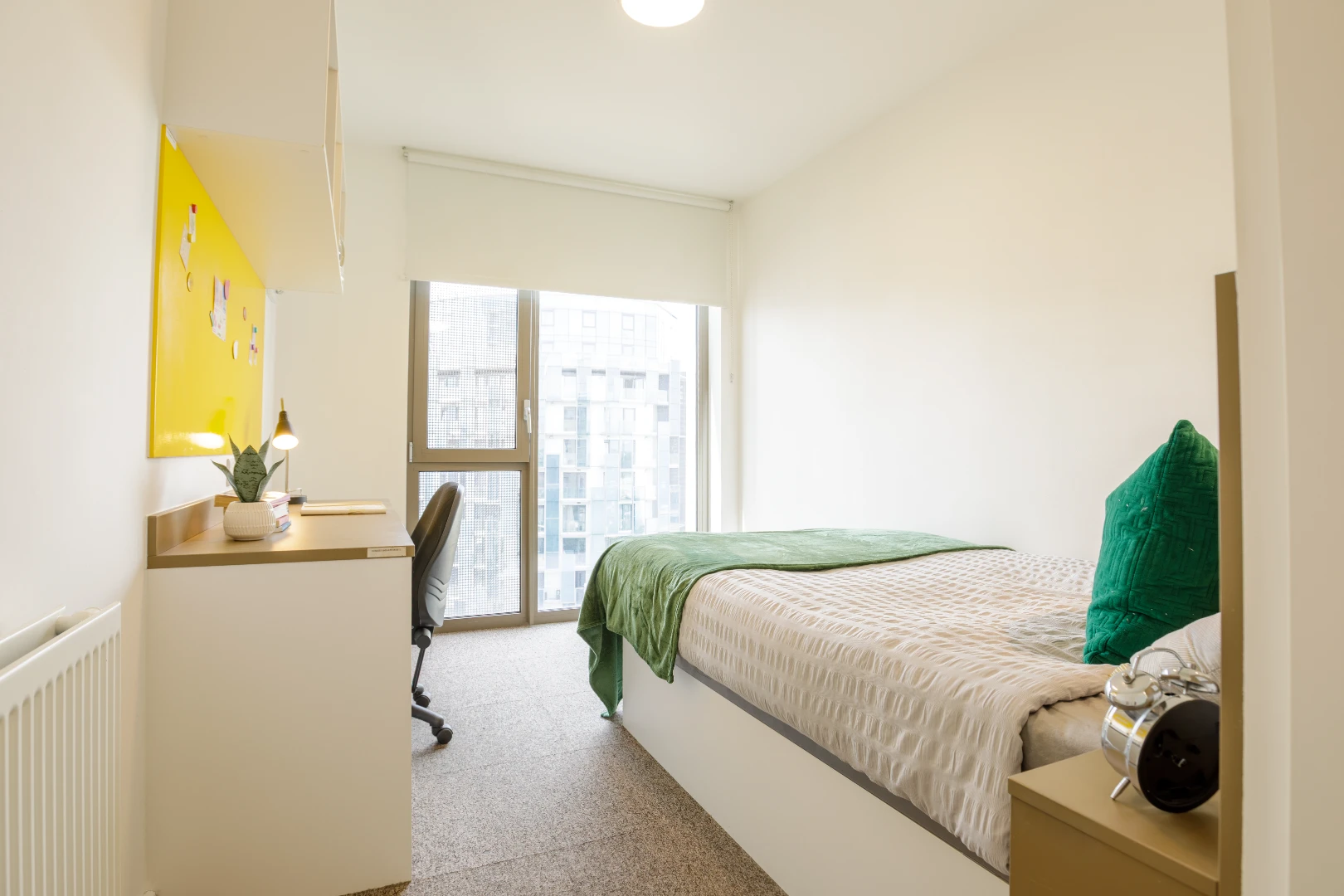
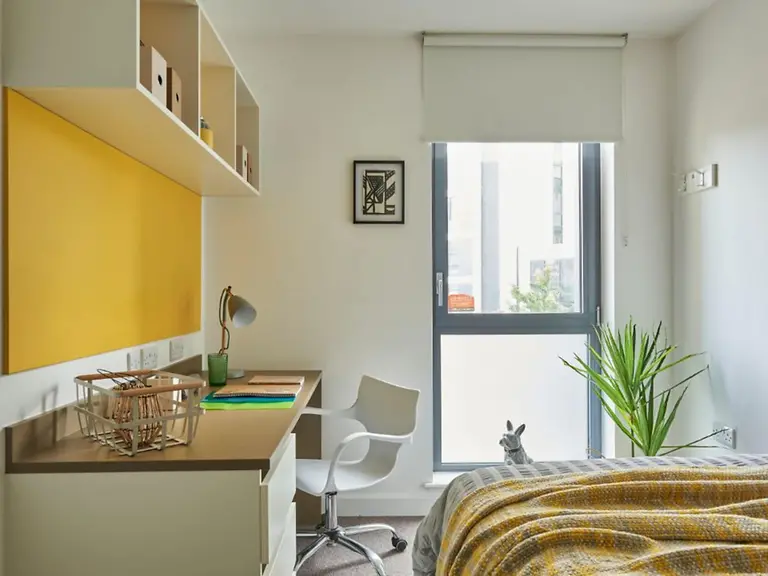
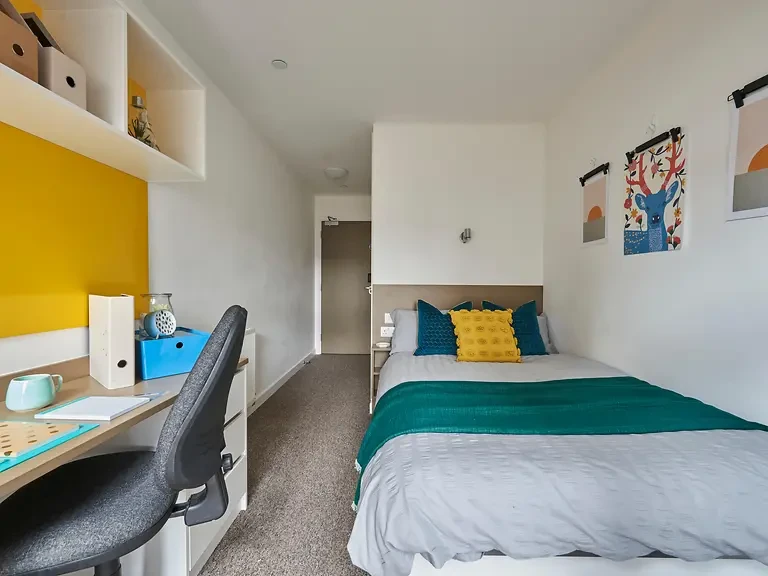
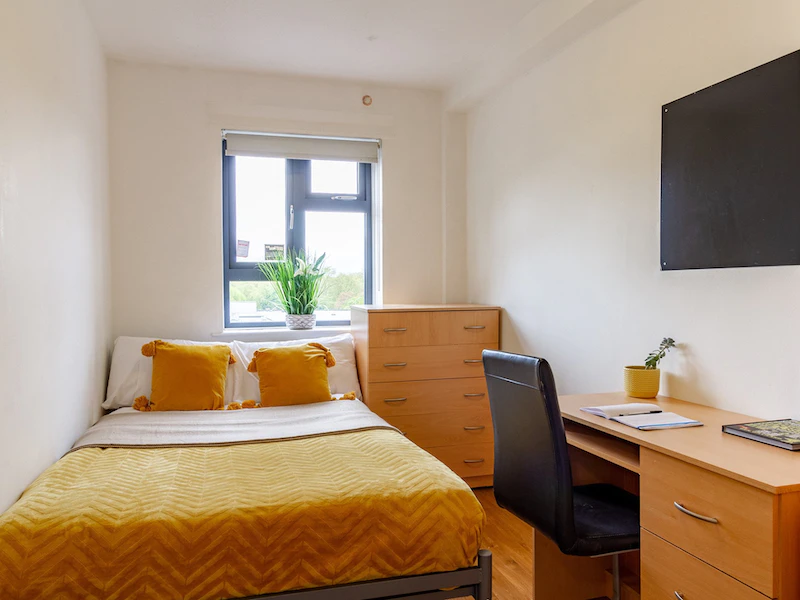
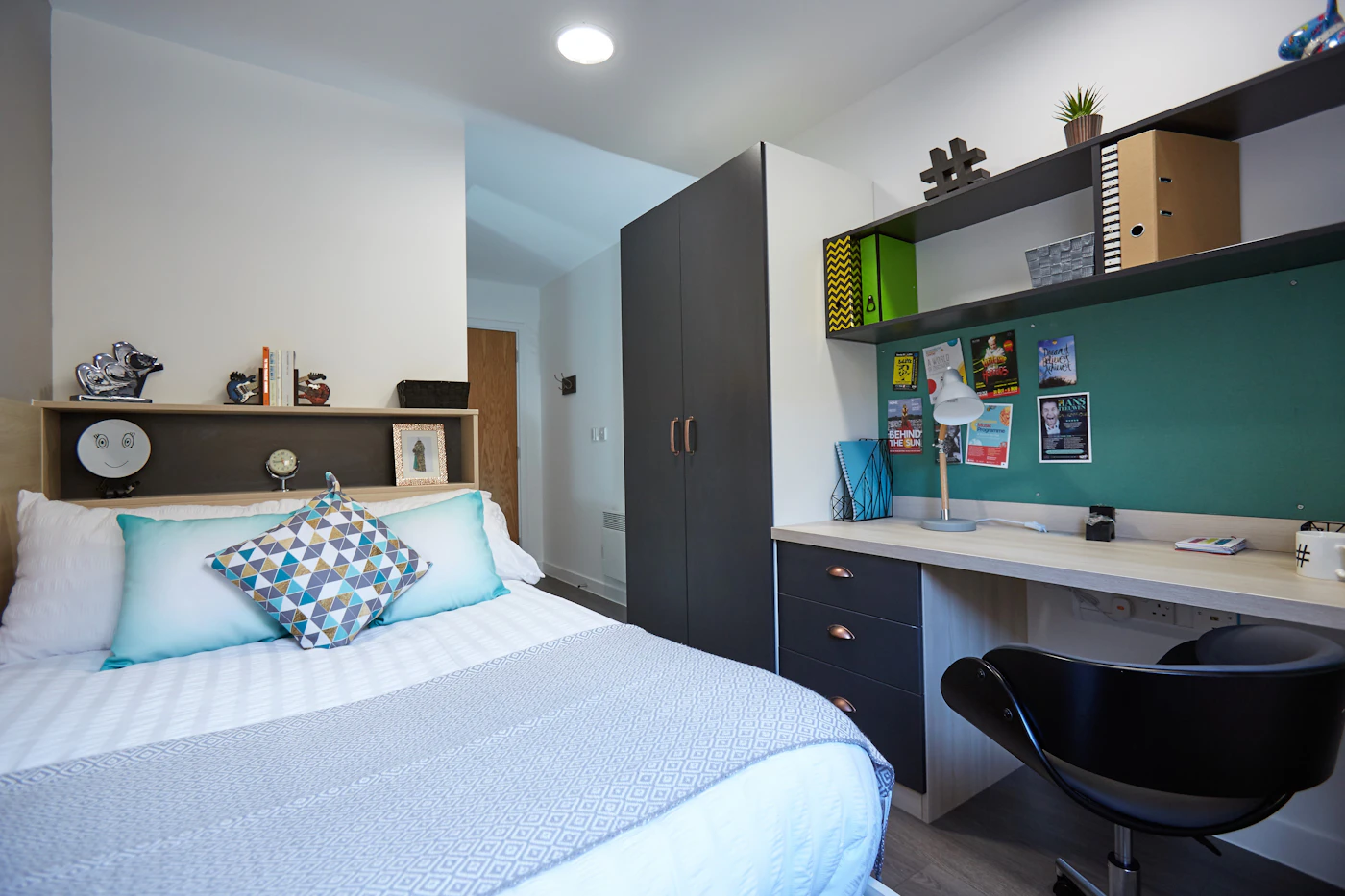
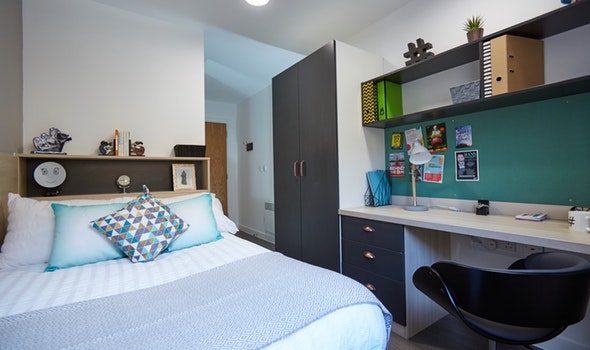
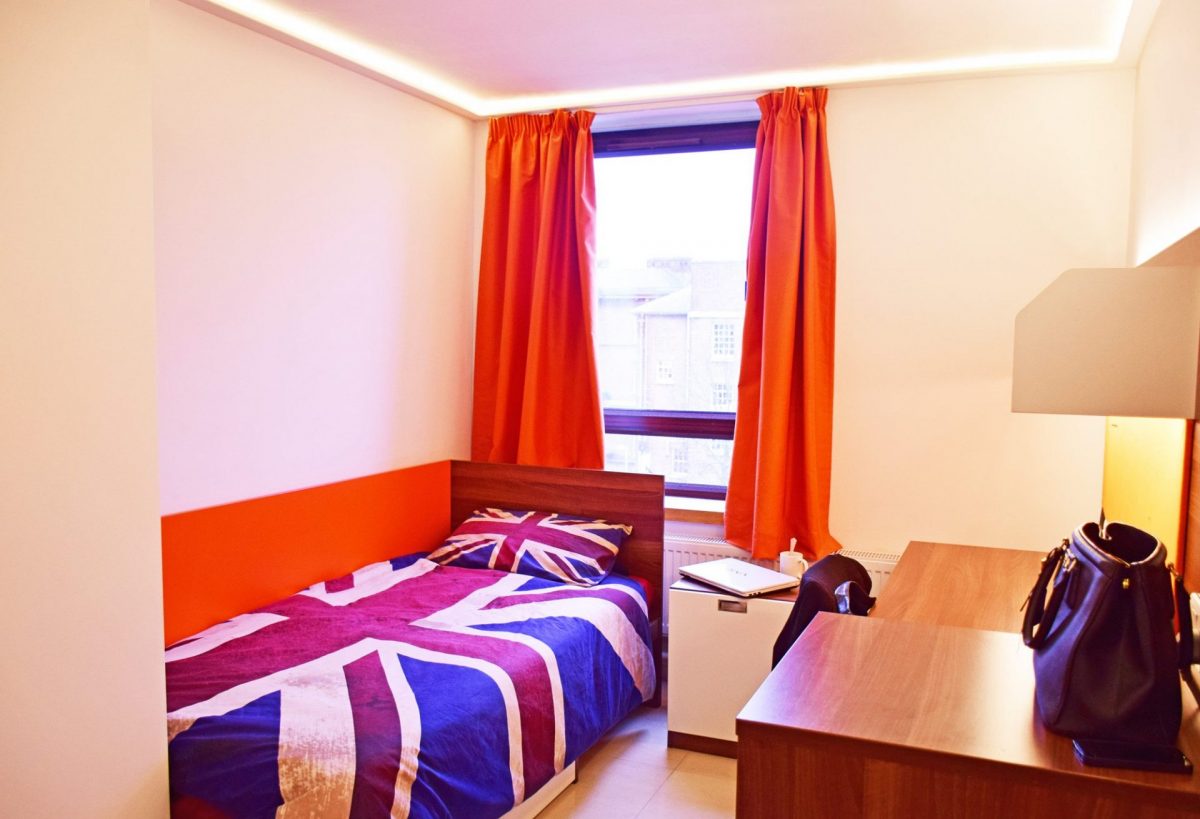
Best-fit option: Conway Hall (university residence)
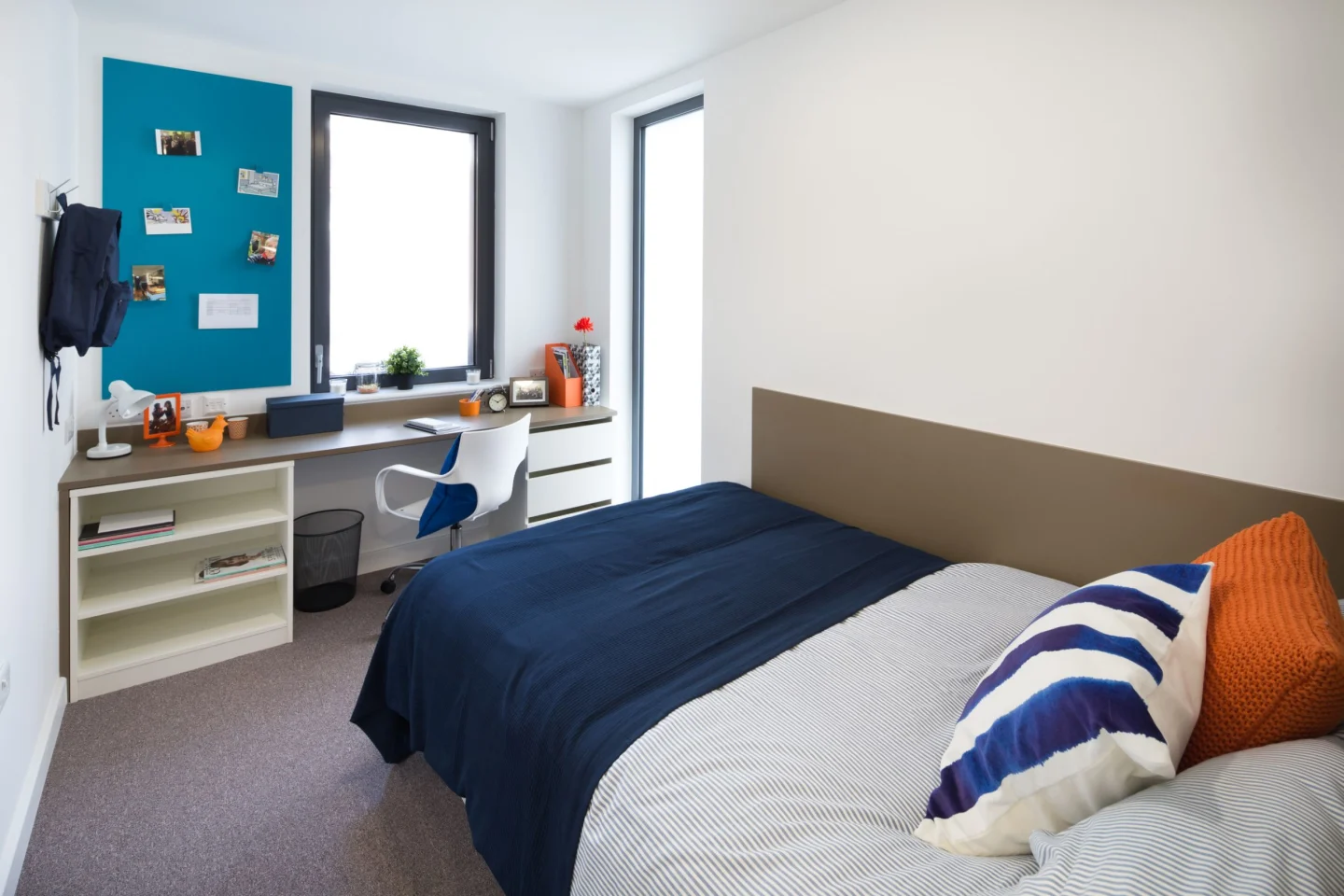
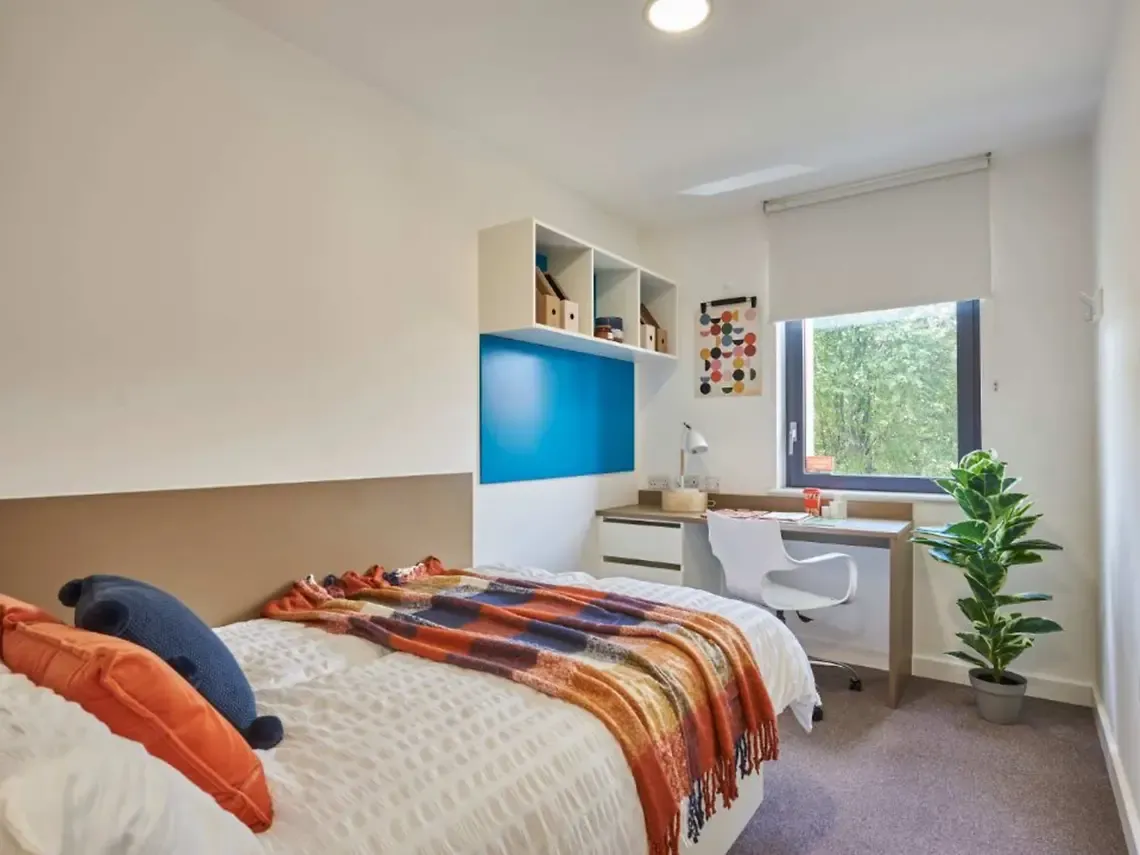
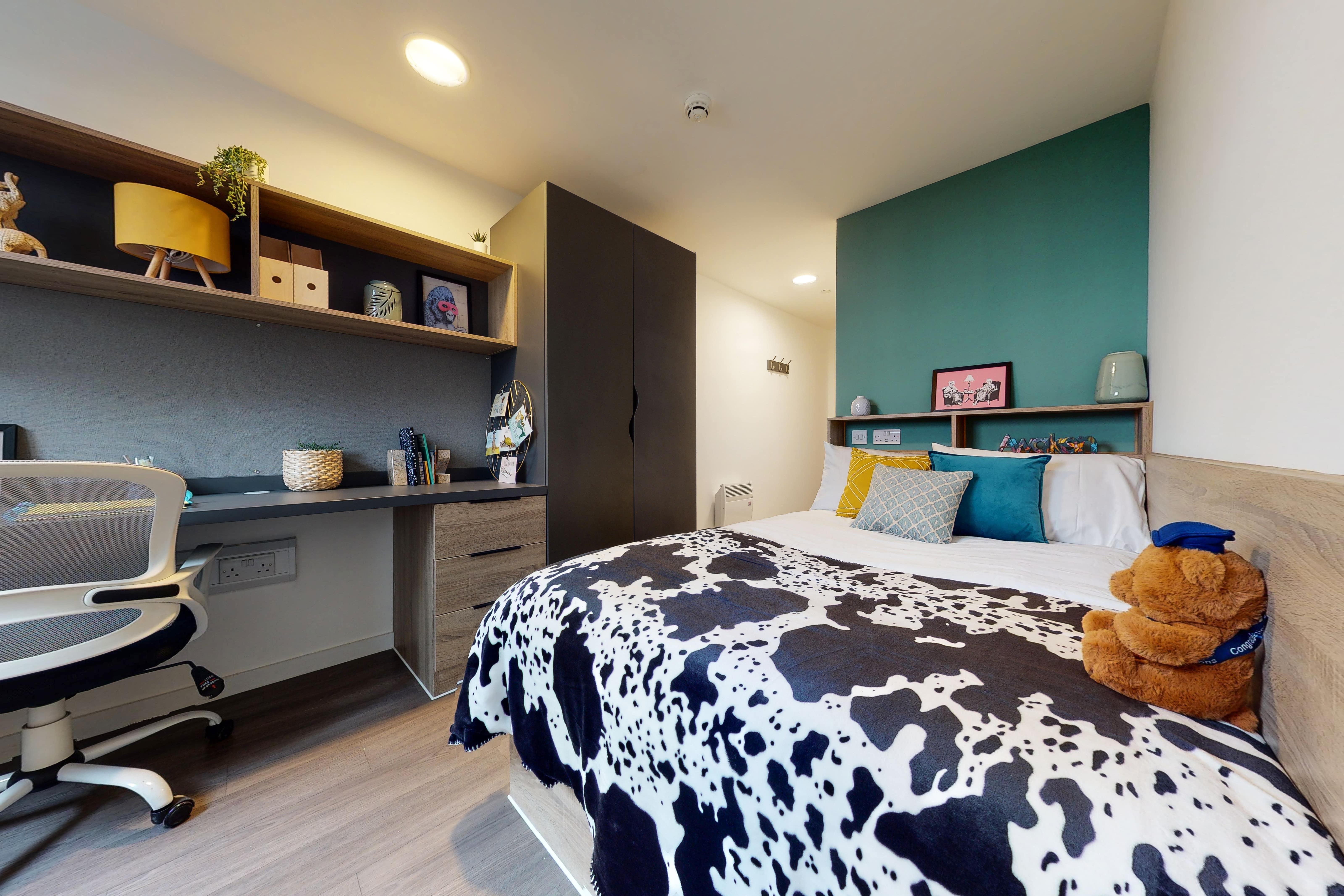
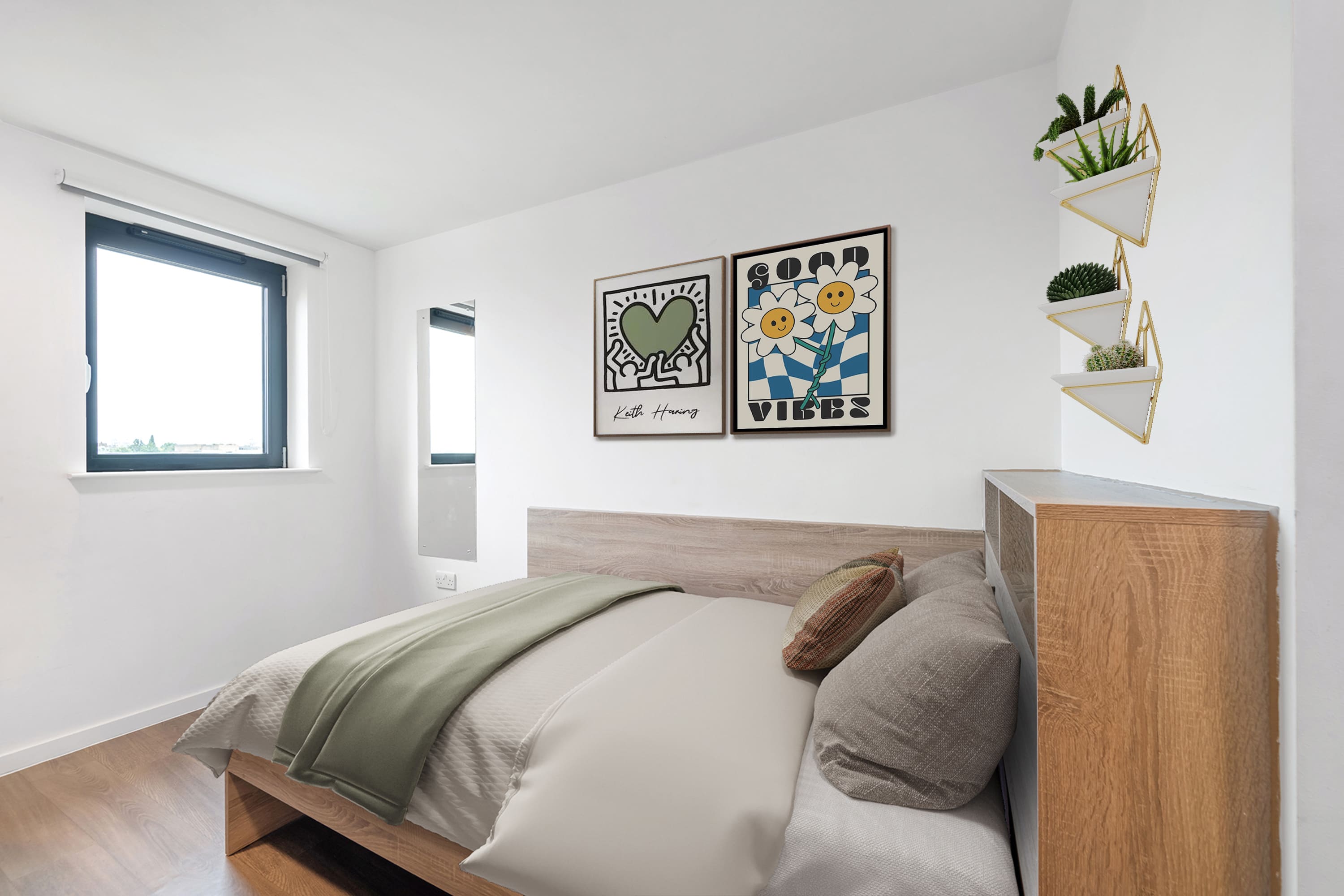
According to Notre Dame London, students are housed in Conway Hall.
Why many students still choose it
- Proximity to program life with built-in student routine.
- Higher social cohesion for undergrads/new arrivals in London.
- Clearer support ecosystem than most private sublets.
- A location that is two minutes from the South Bank in Waterloo, with a short walk to Fischer Hall for campus access.
Typical tradeoffs
- You can only confirm rooming details through the programme’s current intake administration.
- Room styles and pricing are not published in detail on the public-facing pages, so ask in advance for exact terms, contract length, and deposit policy.
- If your study schedule is very atypical (internships, clinical placements, off-cycle projects), check your specific building and visa-time permissions with the office first.
Private rentals: what options make sense
Even with a residence option, some students still evaluate private rooms/flats in or near Waterloo, Southbank, Lambeth, and the broad Westminster/Kensington corridor because they need independence or specific tenancy terms.
High-level neighborhoods and vibe
- Waterloo / South Bank (SE1): practical and central; lots of movement, short lines to city attractions.
- Strand / Charing Cross vicinity: very central, expensive, culturally rich, noisier in peak times.
- Kennington / Lambeth fringe: often a little less pressure than direct Zone 1 strips; still close enough for students with Tube/Bus habits.
- Borough/Bermondsey edge (further out): more variety of room types, but more travel time.
Private market red flags to expect in central London
- Asking for deposits before showing properties.
- Listings with vague floor plans.
- Agents with no clear address, no registration details, or no written tenancy draft.
- Short-term discounts that disappear once you ask for references.
Accommodation cost snapshot
| Housing type |
Typical monthly range |
Best for |
Main downside |
| Conway Hall-style university residence |
£1,400–£1,900 |
Students wanting predictable setup and support |
Limited flexibility in room choice and rooming cycle |
| Private studio in Zone 1 (Waterloo/South Bank) |
£1,800–£2,400 |
Long-stay singles, more privacy |
Highest rent + bills + admin fees |
| Private room in shared flat (central) |
£1,350–£1,950 |
Better community and cost control |
Shared kitchens and schedules |
| Suburbanier central corridor (slightly farther from center) |
£1,150–£1,700 |
Better value if commuting is tolerated |
Longer journey times |
What to pack vs what you likely need to bring
What you should bring
- Passport/visa documents and any immigration IDs for checking.
- Short-term bedding kit (bed linen, towels, blackout curtains if needed).
- Compact study setup: desk lamp, power tools/chargers, surge-protected adaptor, Ethernet cable.
- Quick essentials: kettle, reusable bottle, travel umbrella.
What may already be included
- Core utilities often vary by lease; ask if power/water/internet are included before booking.
- In university-managed residence, many basics and communal services are typically bundled for student stays, but confirm meal options and study-hour rules up front.
Transport and everyday budget planning
London transport is built around contactless/Oyster-style pay-as-you-go usage, and central routes are commonly managed through weekly patterns rather than daily unpredictability.
Practical transport habits for Notre Dame London students
- Use contactless daily where possible to unlock cap logic and avoid overpaying.
- Budget for frequent Zone 1–2 trips if you spend most time near Trafalgar, South Bank, and Waterloo links.
- If your placement is in the City, West End, or legal/financial districts, peak-hour travel timing can materially affect monthly spend.
Step-by-step booking timeline
- 11–10 months before arrival: confirm your housing route (Conway Hall + private fallback) and target budget.
- 8 months before: prepare documents, short list of neighborhoods, and a fallback list of private rental portals.
- 3–4 months before: request rooming details from Notre Dame London and begin private searching if needed.
- 2 months before: submit first-round applications for private options; lock down viewings and references.
- 4–6 weeks before: finalise deposit and tenancy only after contract review.
- Before arrival: save transport cards top-up details and emergency contacts (home office + local support).
Scam prevention and safety checklist
- Never pay deposits through links or wallets that do not match an official letting reference.
- Confirm property coordinates with official map location before transfer.
- Ask for the property’s official tenancy draft and landlord/agent registration references.
- Visit in person or have a trusted representative verify the property where possible.
- For student terms, keep paper/electronic copies of all receipts and all photos of property condition.
International students + legal housing basics
For students needing permission to rent in England, the key points are:
- You must prove your right to rent at lease start unless your accommodation is student residence.
- A share code via the Home Office is one standard route for non-UK status applicants.
- Keep copies of all immigration and tenancy documents before move-in to avoid delays.
Tenancy agreement cheat sheet
Before signing, cross-check:
- Exact room type and occupancy (single/shared)
- All-inclusive or split bills
- Deposit amount and where it is protected
- Notice period and termination clauses
- Utility responsibility and internet speed/contract
- Inventory/signature handover records
- Who owns the responsibility for repairs
Accessibility and support planning
Ask both the residence office and any private landlord for:
- Elevator and entrance access details
- Bathroom and door clearance in rooms and common areas
- Quiet study zones, key-holding, and support response times
- Whether disability-related accommodations can be arranged before you arrive
If your needs are specific, request this in writing early and align with your visa timing and arrival window.