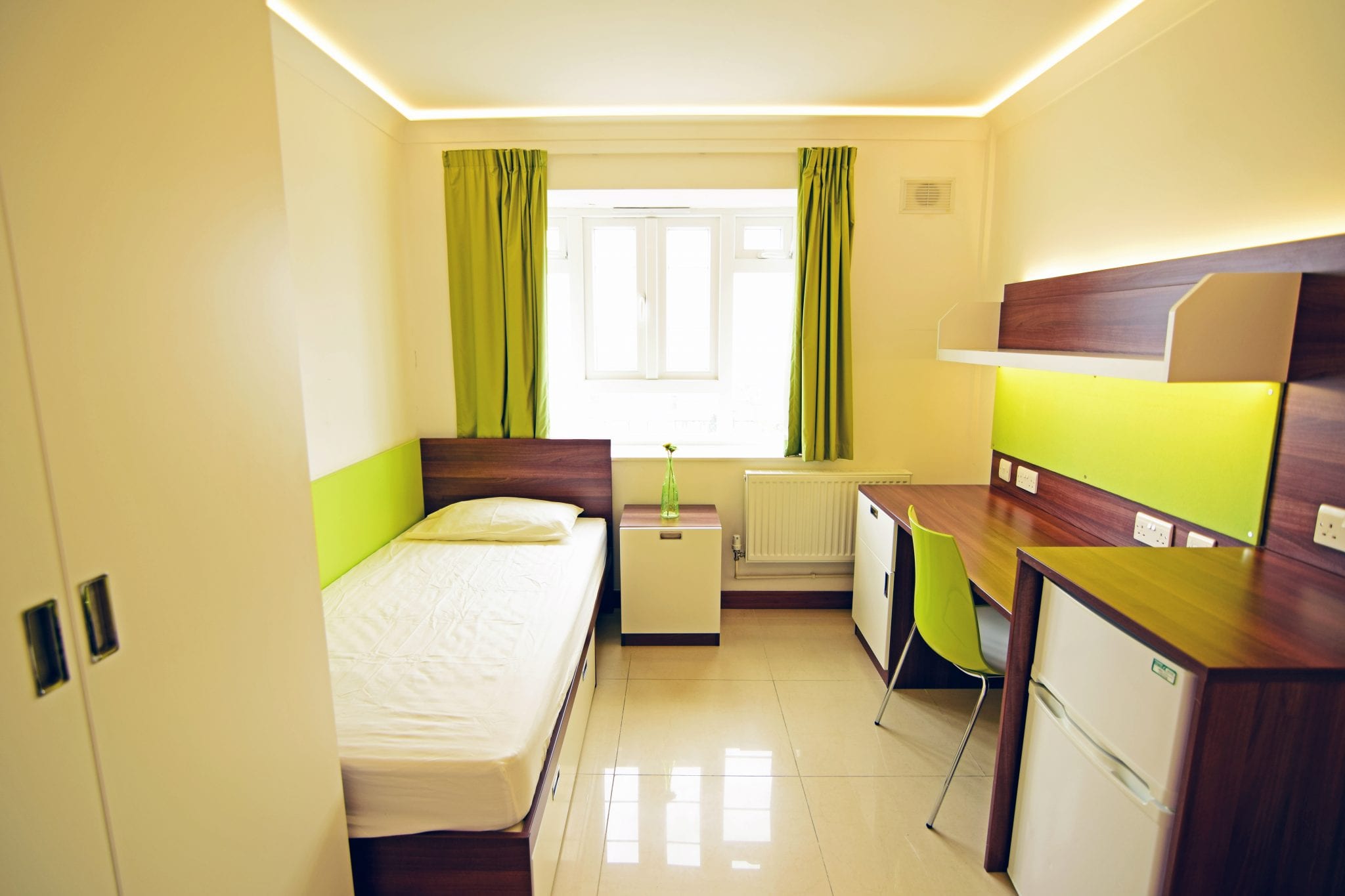
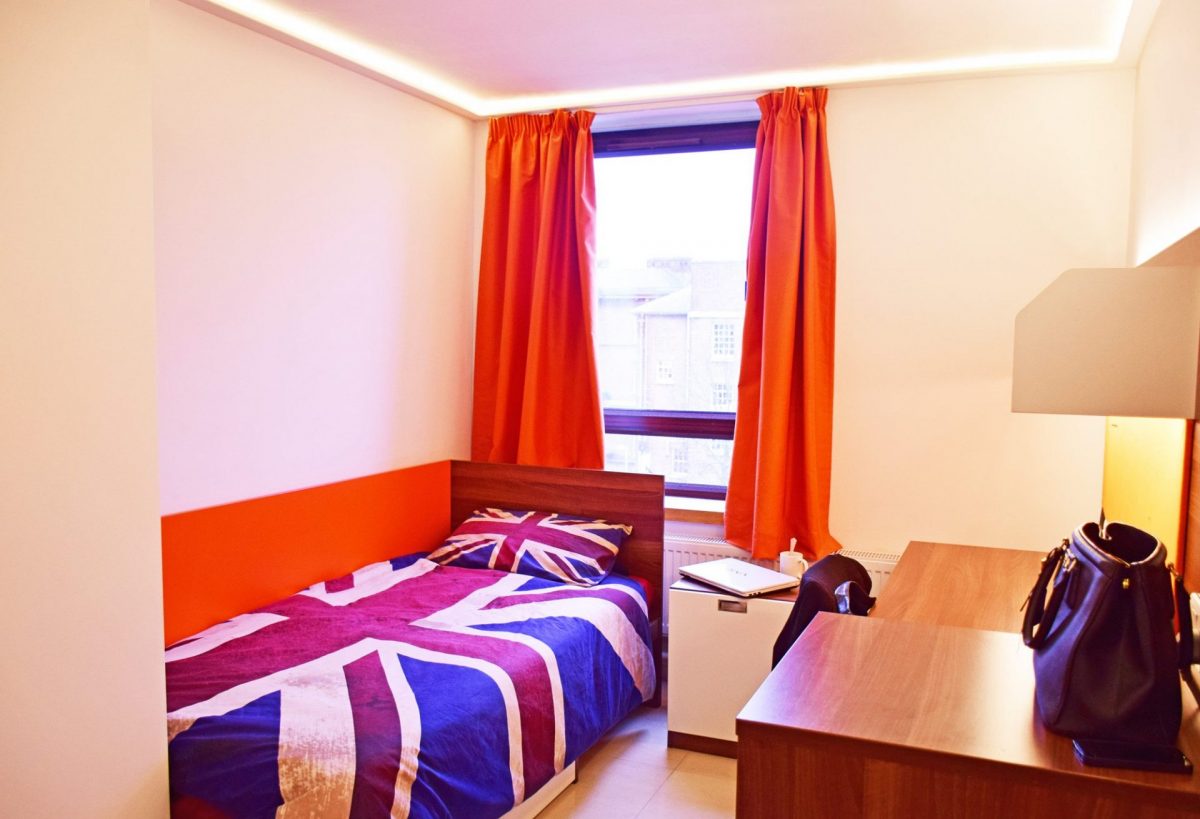
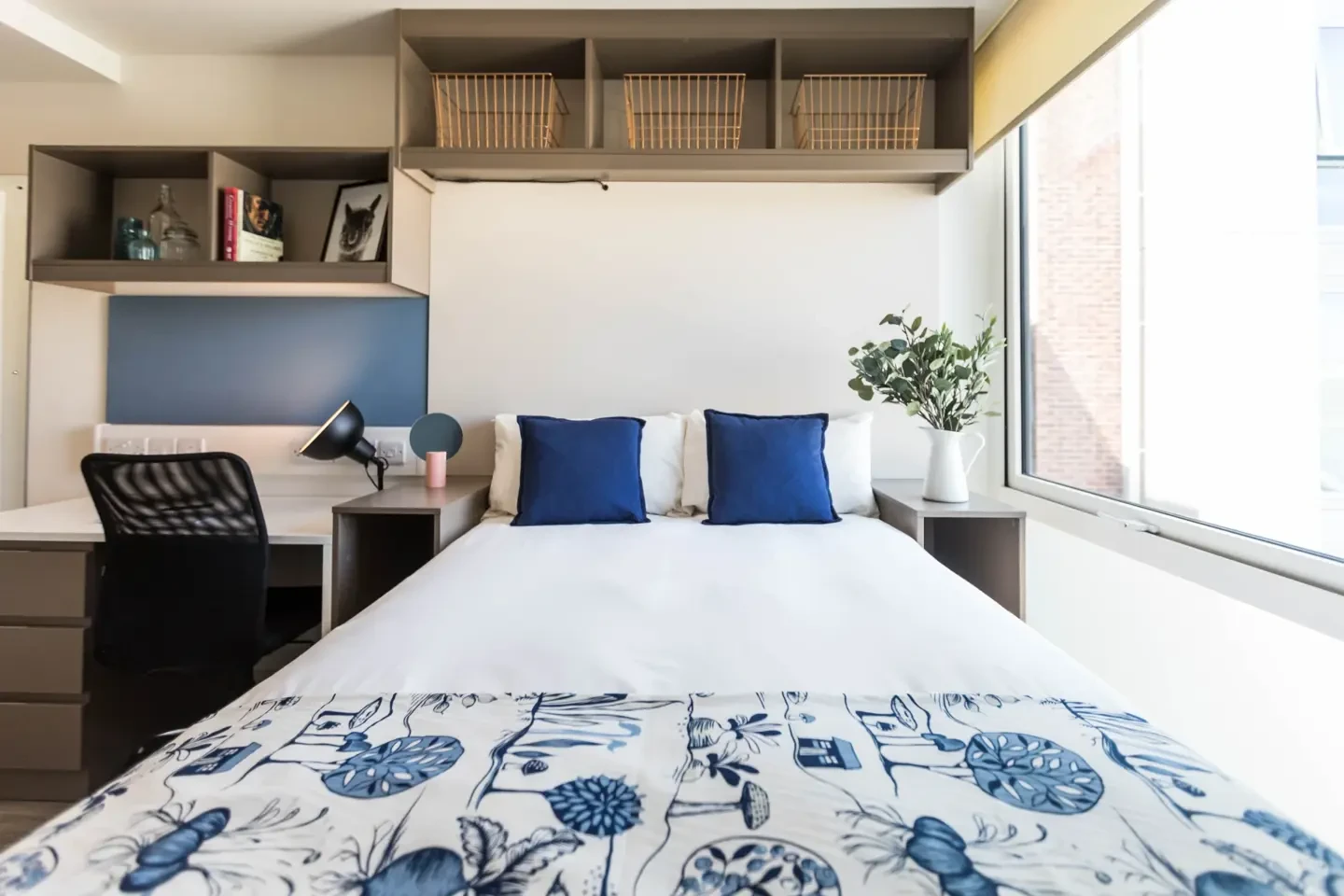
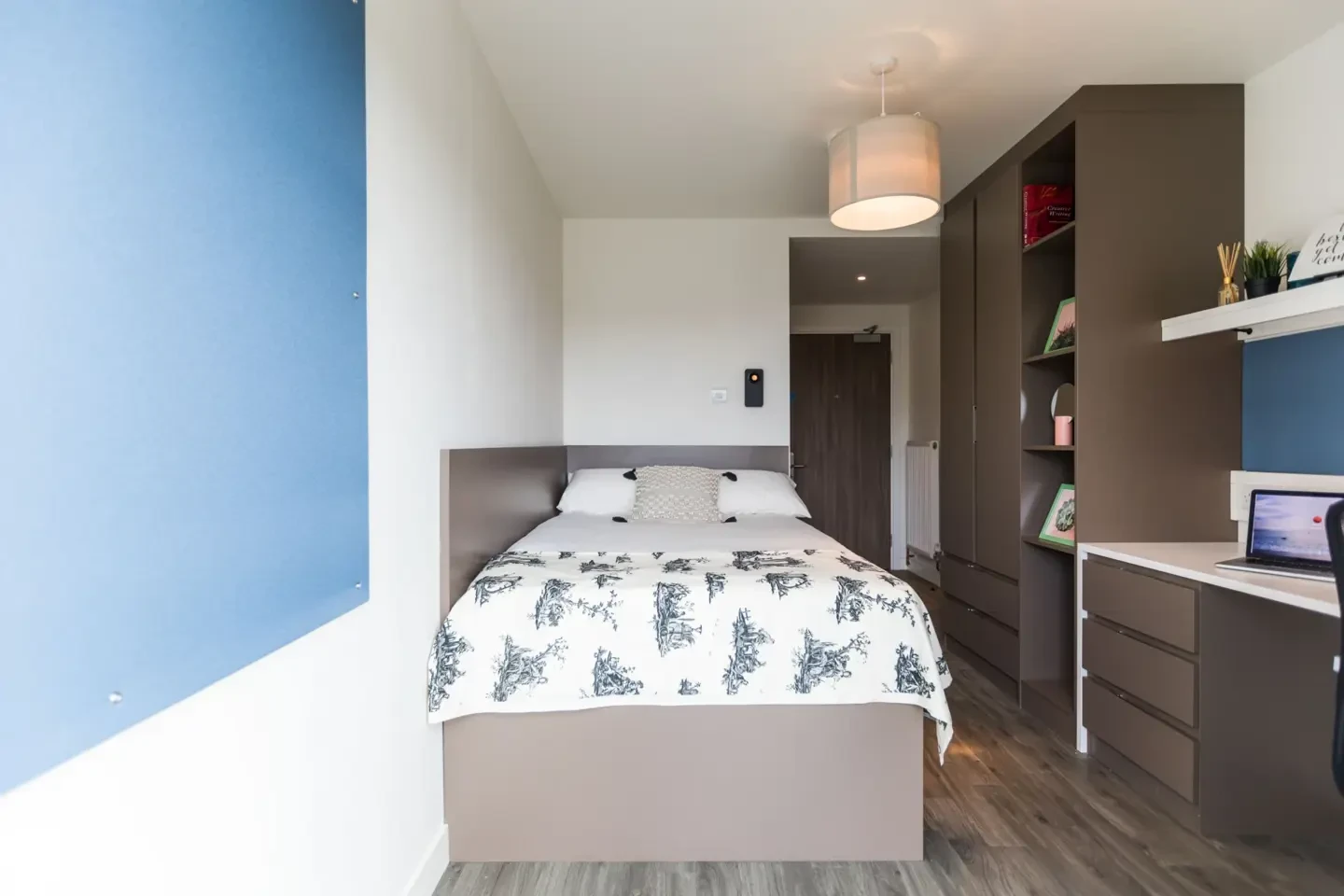
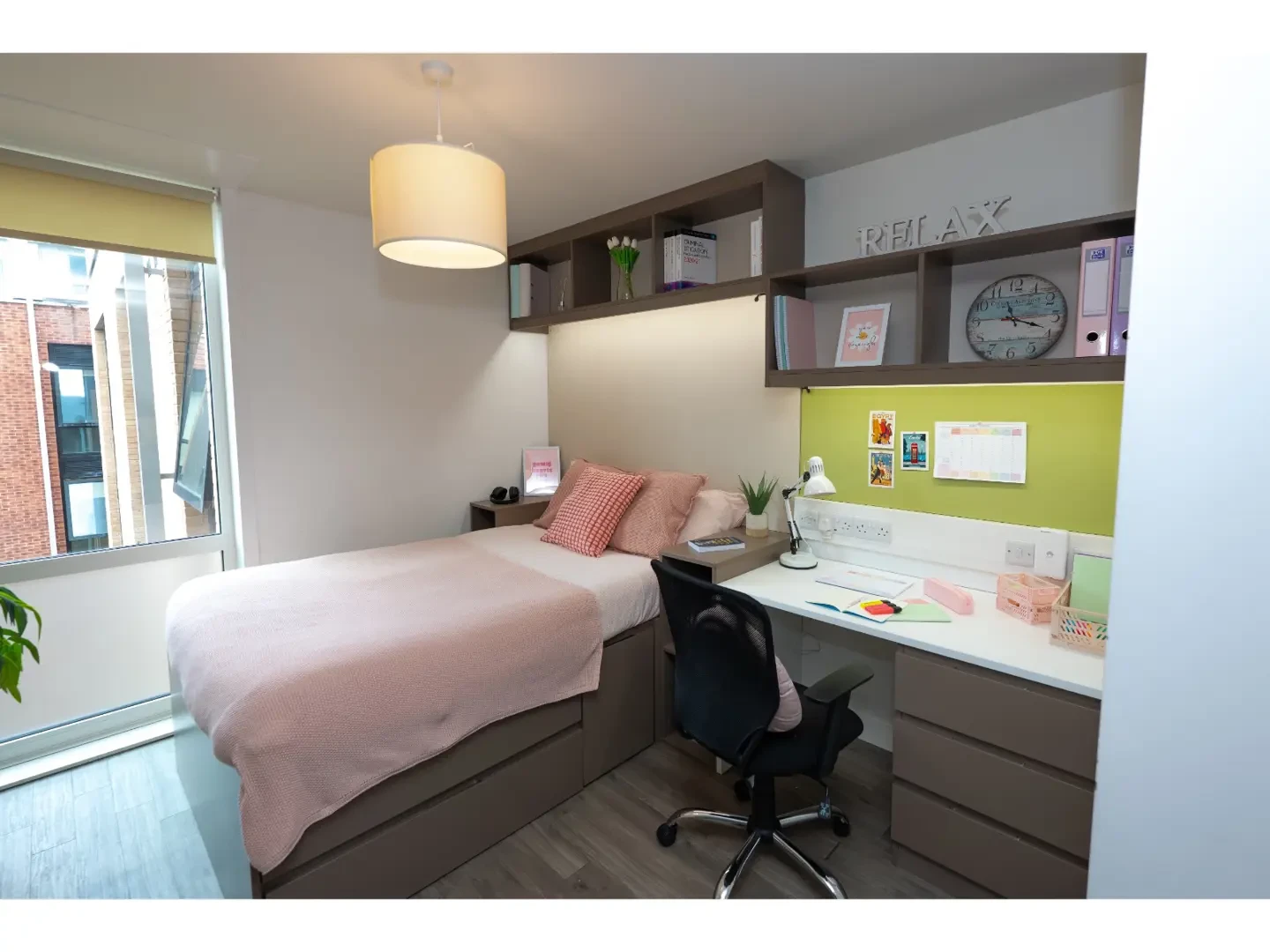
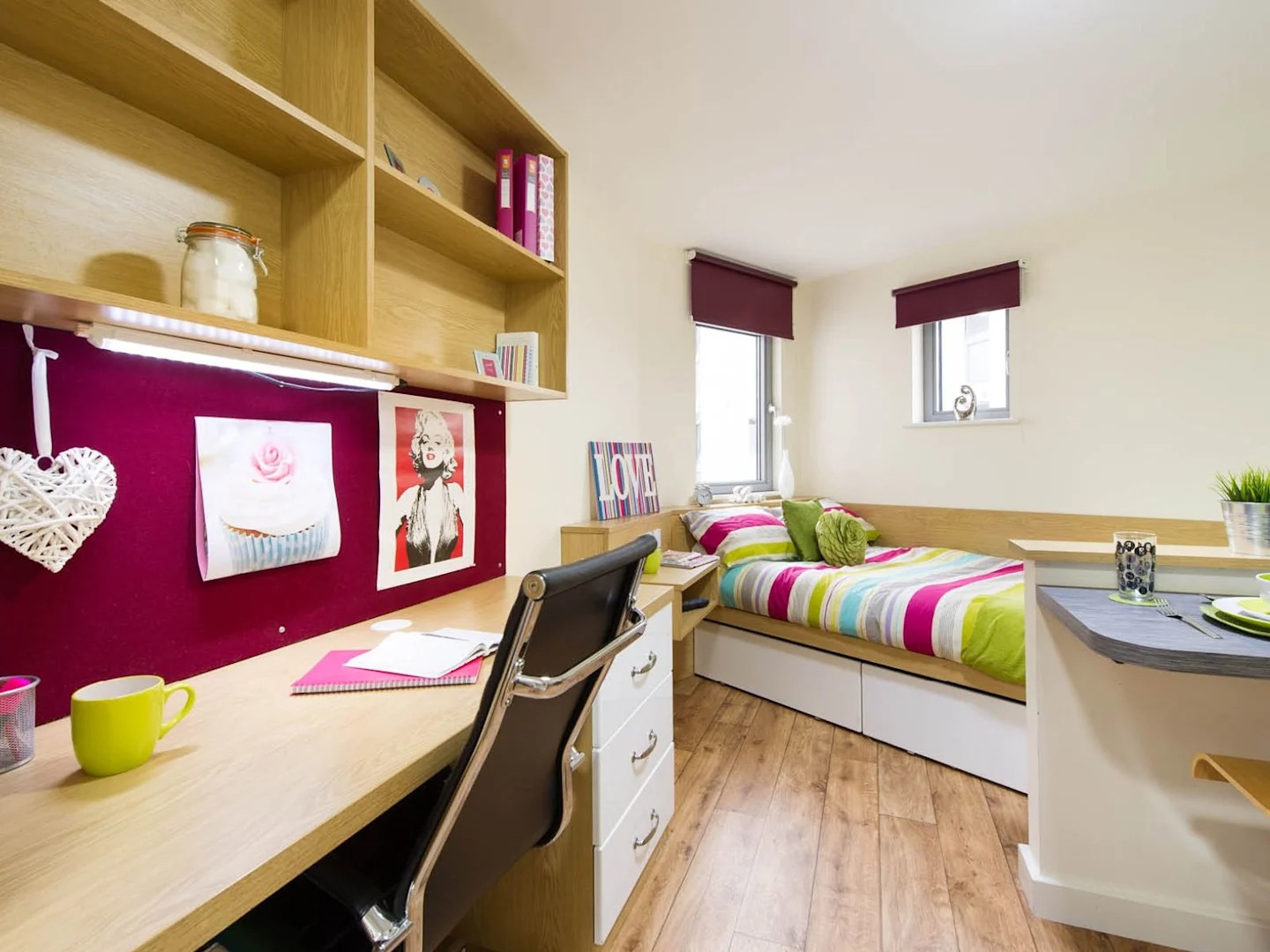
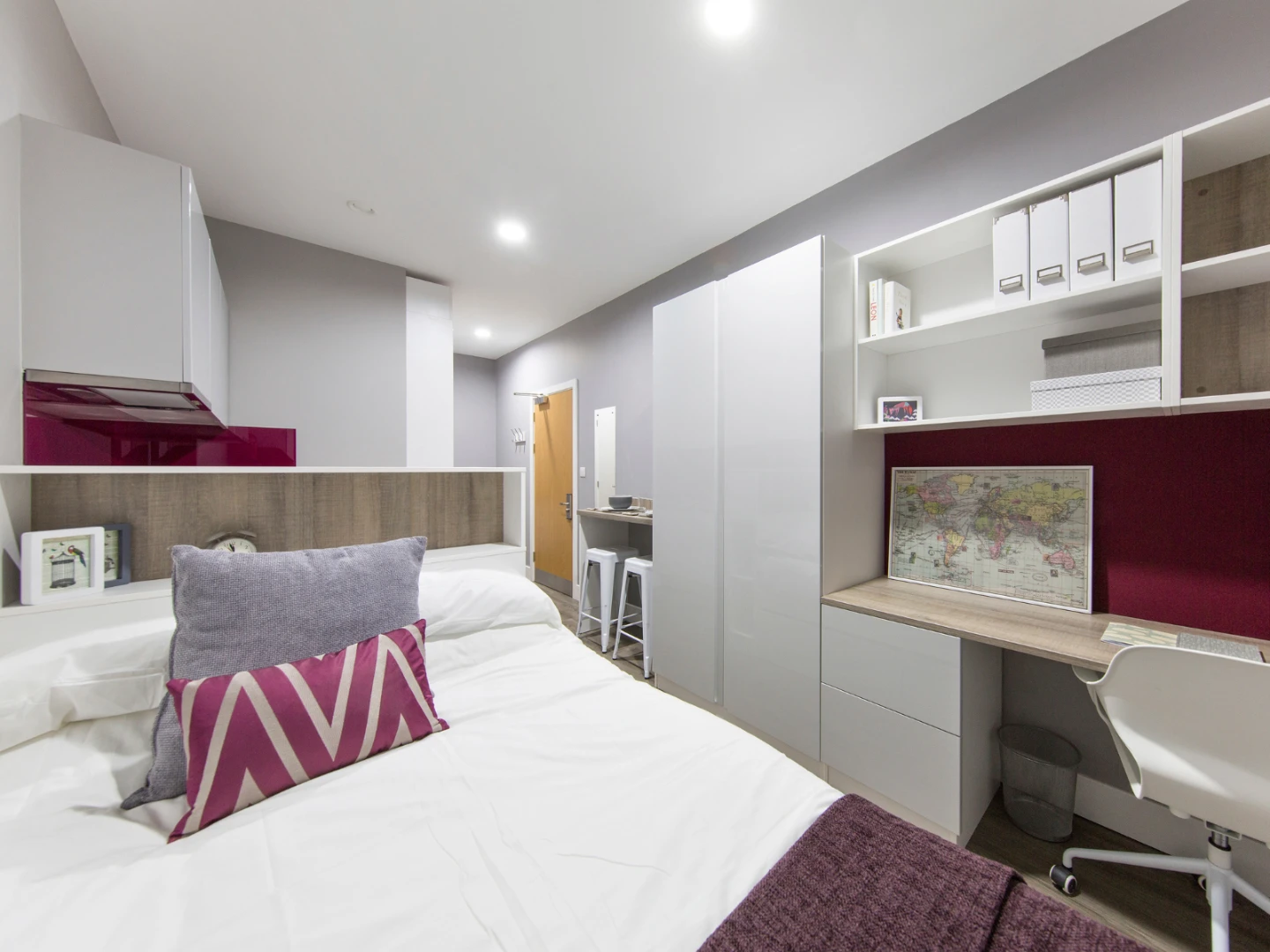
Overview: accommodation for ICR students
The Institute of Cancer Research London is a specialist postgraduate and research institution with sites in Chelsea and Sutton. That makes housing decisions slightly different from a conventional campus university: your best area depends on your lab, supervisor, clinical links, commute pattern and budget.
Fast recommendation: choose housing around your main research site first, then check how often you need to travel to the other site.
| Main study location |
Best-fit housing areas |
Why it works |
| Chelsea / South Kensington |
South Kensington, Earl's Court, Fulham, Hammersmith, Battersea, central London PBSA |
Shorter commute to Fulham Road and Old Brompton Road; higher rent but strong transport and amenities |
| Sutton / Belmont |
Sutton, Belmont, Cheam, Wallington, Wimbledon, Tooting |
Lower average rent than central London; easier access to Sutton labs and The Royal Marsden area |
| Split between both sites |
Tooting, Wimbledon, Clapham Junction, Balham, Streatham |
More balanced travel to both sides of the ICR network |
| Want a managed student building |
PBSA in central, south-west or south London |
Bills included, study spaces, maintenance support and predictable contracts |
The ICR also signposts students to ICR accommodation in Tooting, University of London intercollegiate halls, Goodenough College and private rental platforms. These are useful starting points, but availability can be limited, so build a backup list.
Why PBSA is often the easiest option
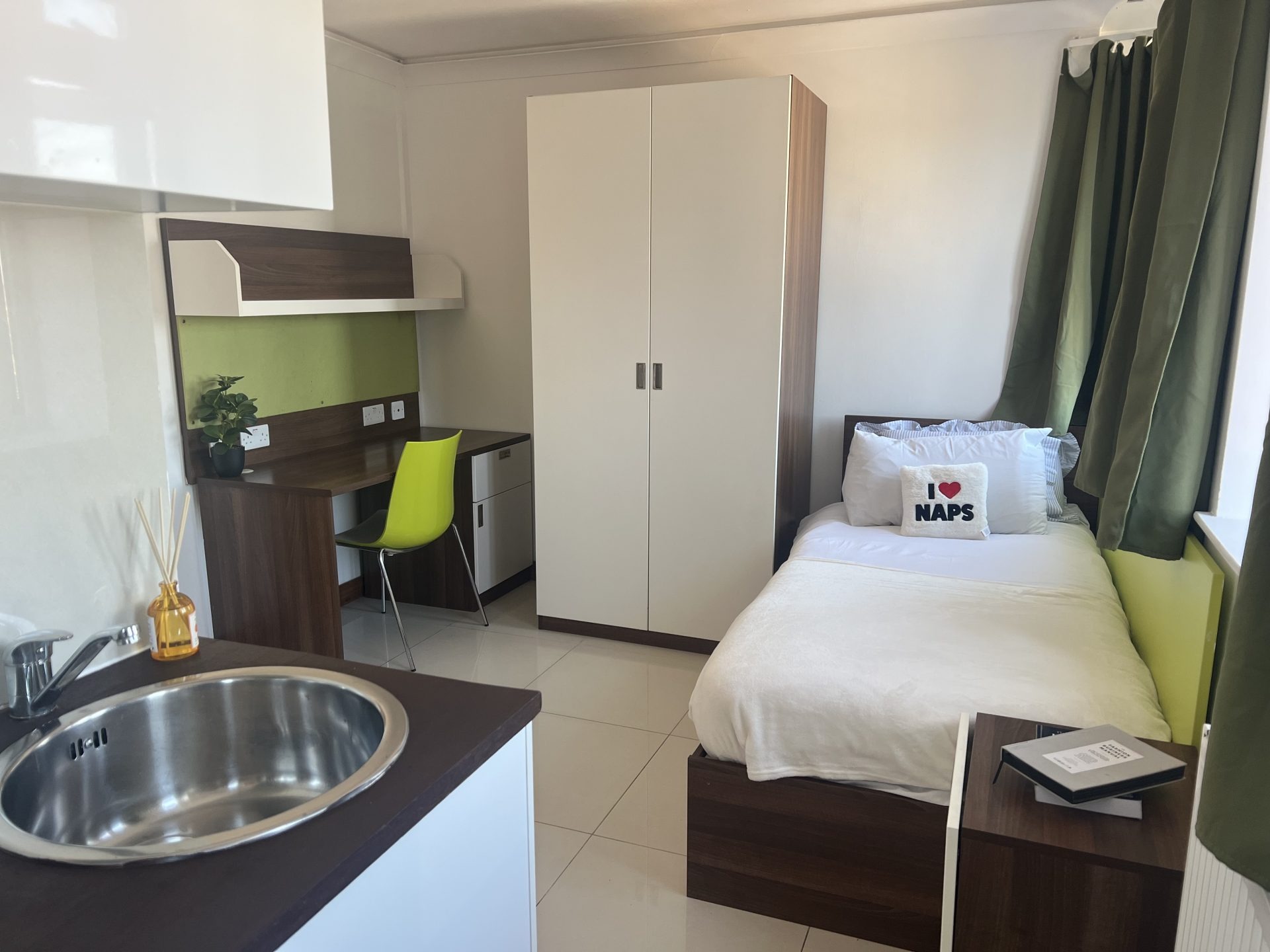
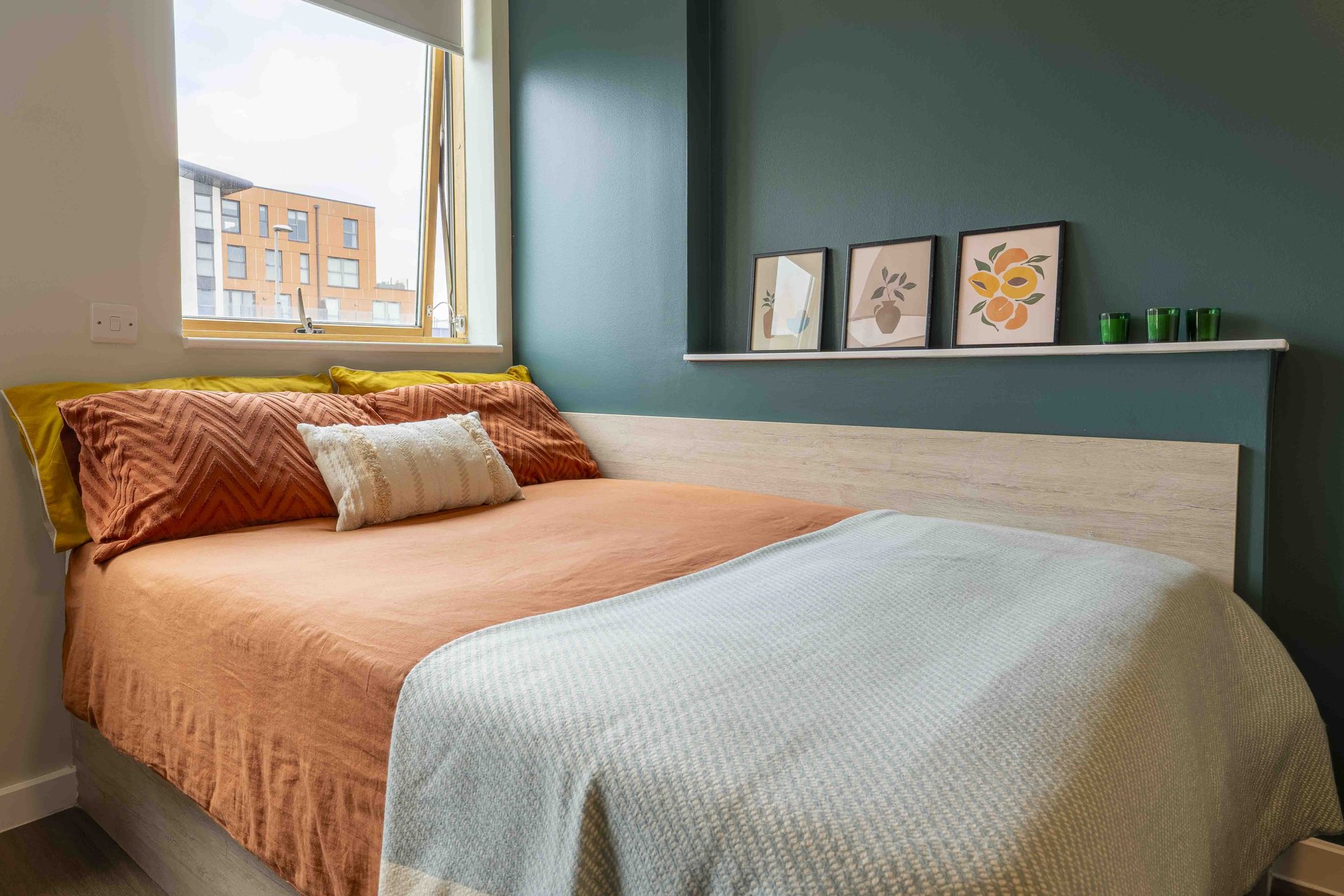
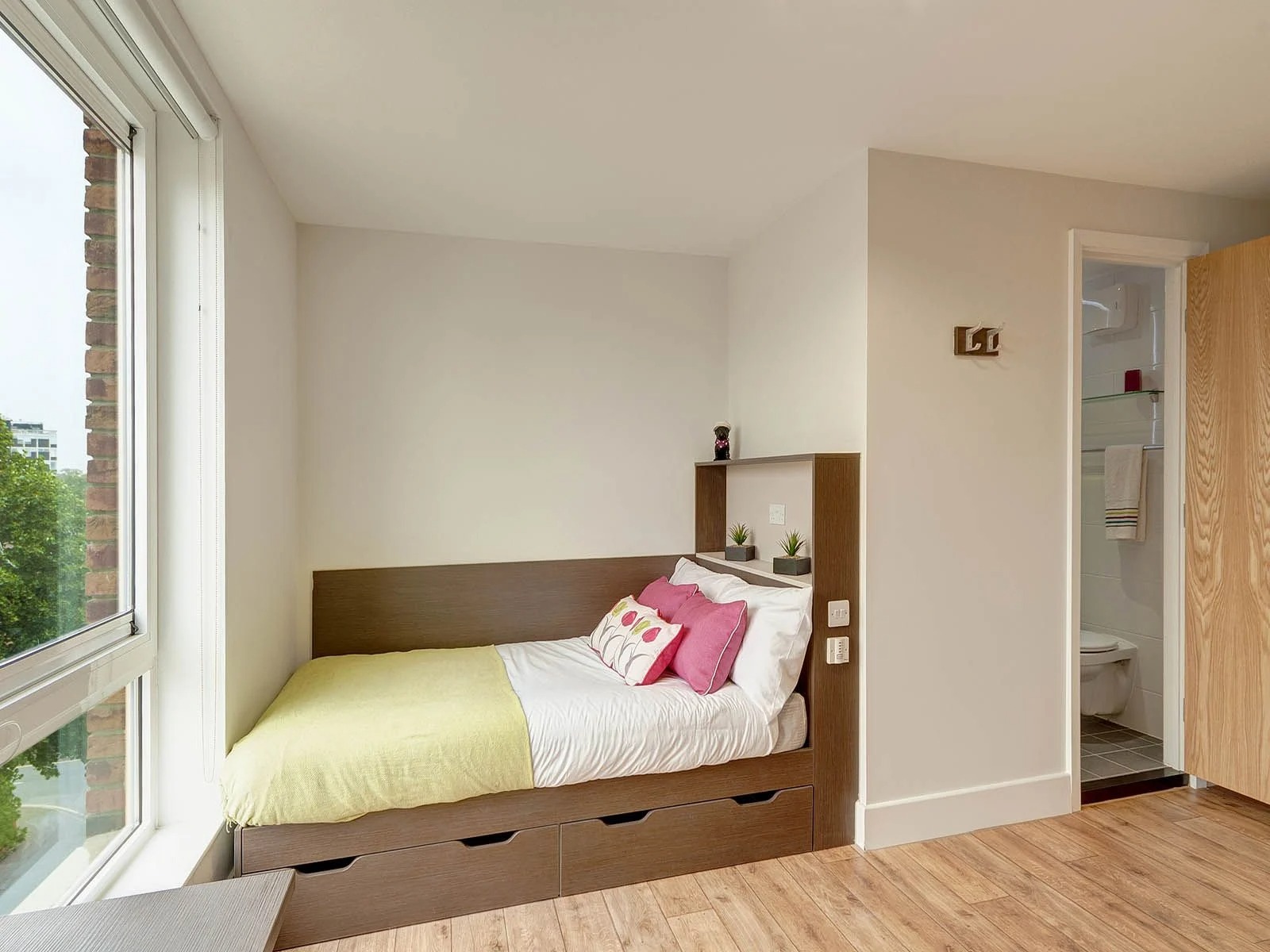
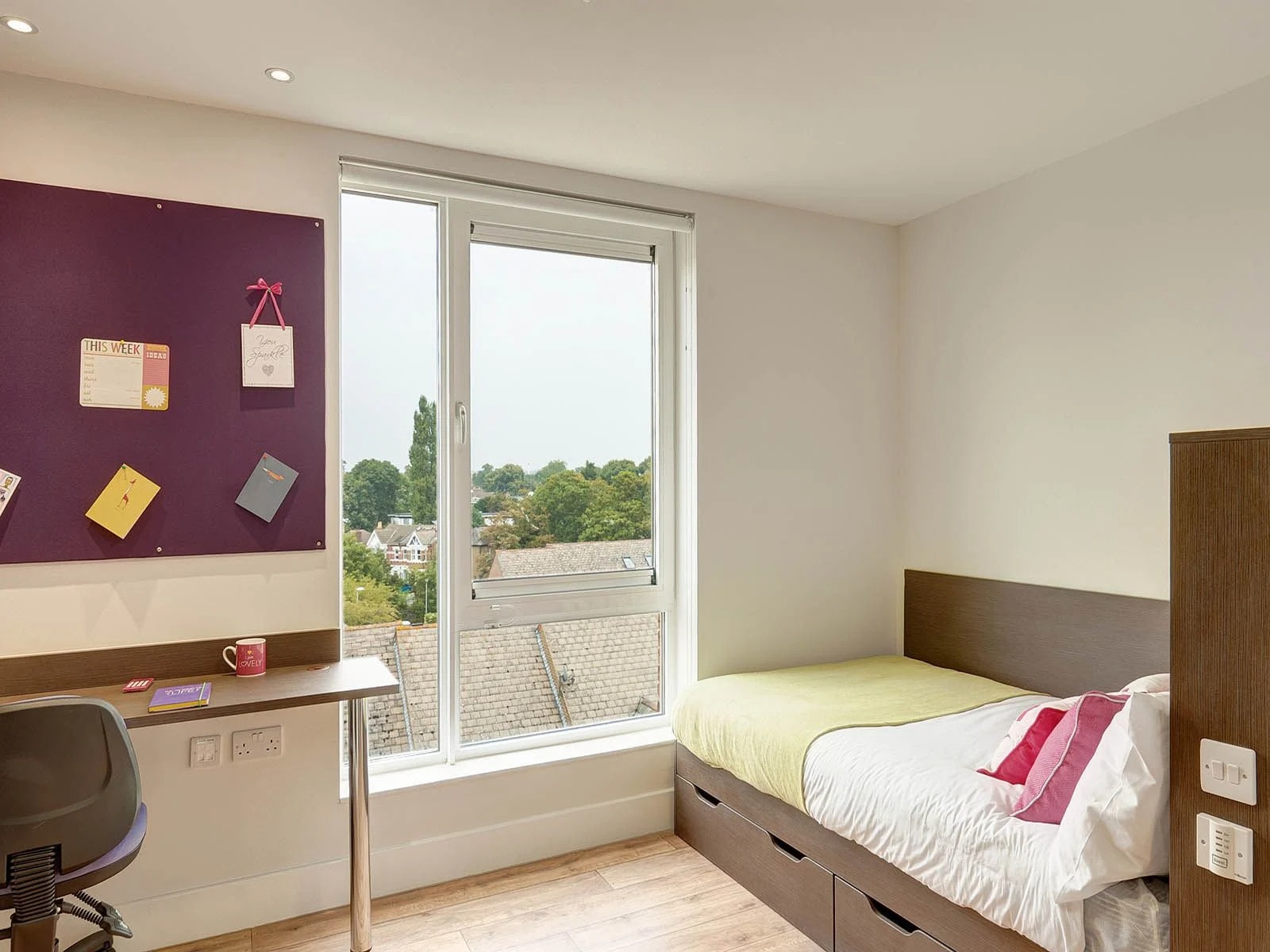
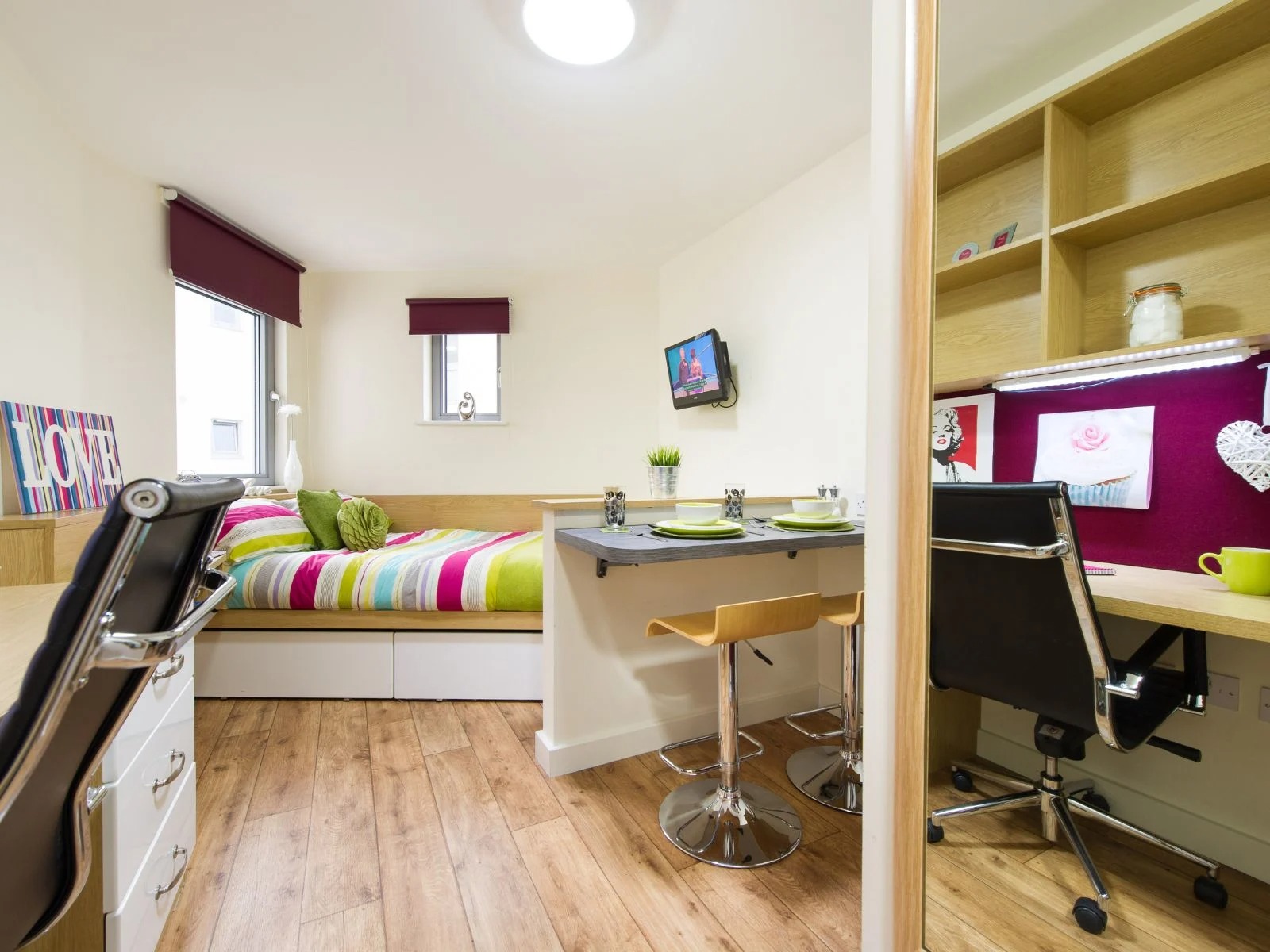
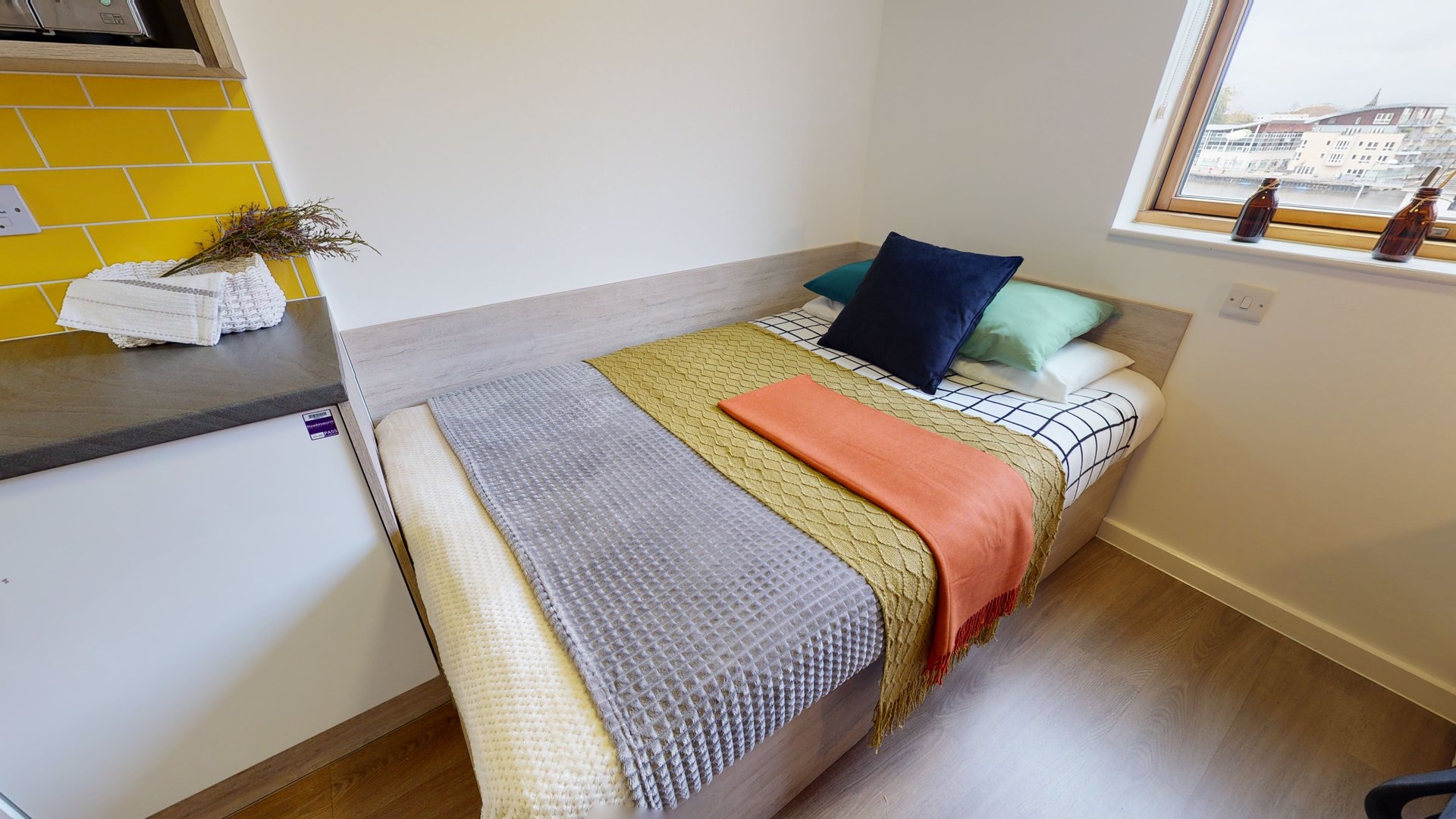
Purpose-built student accommodation (PBSA) is usually the most convenient route for postgraduate researchers who want a London base without managing every utility and landlord detail separately.
PBSA is worth prioritising if you want:
- Bills included for electricity, water, internet and common-area maintenance.
- A private tenancy process that is usually clearer for international students.
- Study rooms and quiet spaces outside the lab.
- On-site maintenance and parcel handling, useful during long lab days.
- Flexible room types, from ensuite cluster rooms to self-contained studios.
The trade-off is cost. PBSA near central London and South Kensington is often priced at a premium. Better-value options may sit further out, especially in south and south-west London, but check door-to-door travel rather than distance on a map.
Best areas for Chelsea-based ICR students
The Chelsea site is close to South Kensington and Gloucester Road, with the Chester Beatty Laboratories on Fulham Road and ICR offices/teaching space around Old Brompton Road. This is one of London’s most expensive housing zones, so many students commute in.
| Area |
Typical fit |
Student housing note |
| South Kensington / Gloucester Road |
Best for shortest commute |
Premium rents; limited student availability |
| Earl's Court |
Practical central compromise |
Often better value than South Kensington, still close by Tube or walking |
| Fulham |
Good for Chelsea access |
Popular with young professionals; house shares can work |
| Hammersmith |
Better transport/value balance |
PBSA, shared houses and strong Piccadilly/District line access |
| Battersea / Clapham Junction |
Useful if splitting sites |
Rail links and buses can help with Sutton or Chelsea travel |
Budget reality: living within walking distance of the Chelsea site is convenient but expensive. If you want better value, compare Earl's Court, Hammersmith, Battersea and Clapham Junction before committing to central South Kensington prices.
Best areas for Sutton-based ICR students
The Sutton site is near Sutton and Belmont, with ICR noting that Sutton station is served by Thameslink and Southern services and that a free shuttle links Sutton station with the Sutton site. This area usually gives better rent value than Chelsea.
| Area |
Typical fit |
Student housing note |
| Sutton |
Best all-round Sutton option |
Practical for labs, shops and station access |
| Belmont |
Closest local station option |
Quiet, residential, limited rental stock |
| Cheam / Wallington |
Suburban value |
Good for students who want calmer housing |
| Wimbledon |
Balanced south-west London base |
Better nightlife and transport, usually higher rent than Sutton |
| Tooting |
Strong split-site option |
ICR signposts its own accommodation here; useful for hospitals and south London travel |
For Sutton researchers, do not overpay for central London unless you need it socially or academically. A shorter daily commute can matter more during late experiments, weekend work and early starts.
Accommodation types and costs
London prices vary sharply by postcode, room type and contract length. Use these estimates as a planning range, then compare live listings before booking.
| Accommodation type |
Estimated monthly cost |
Best for |
| University of London shared-bathroom halls |
£880-£1,350 |
Students wanting a formal hall environment |
| University of London ensuite halls |
£1,380-£1,750 |
Students wanting central halls with more privacy |
| PBSA ensuite room, outer/south London |
£1,050-£1,550 |
Predictable costs near Sutton, Tooting, Wimbledon or wider south London |
| PBSA ensuite or studio, central London |
£1,450-£2,250+ |
Chelsea access and premium amenities |
| Private room in shared house |
£750-£1,250 |
Budget-conscious students comfortable sharing |
| Private studio / one-bed flat |
£1,400-£2,600+ |
Couples, mature students or those needing privacy |
Cheapest sensible route: shared private housing in Sutton, Wallington, Cheam or wider south London.
Simplest route: PBSA with bills included.
Most central route: University of London halls or PBSA around Bloomsbury, South Kensington, Earl's Court or Hammersmith, if your budget allows.
Transport and commute planning
ICR students should plan around time, reliability and late-evening safety rather than just headline rent.
Key transport points:
- The ICR says a free shuttle bus runs from Sutton station to the Sutton site and also provides transport between Sutton and Chelsea.
- Chelsea is close to South Kensington and Gloucester Road Underground stations.
- Sutton station has rail links towards central London, while Belmont is close to the Sutton site.
- Full-time students may be eligible for the 18+ Student Oyster photocard, giving 30% off adult-rate Travelcards and Bus & Tram Passes after enrolment.
- Buses in London are cashless, so use contactless, Oyster or mobile payment.
Before signing, test the commute at the time you will actually travel. A room that looks close at midday may feel very different after a late lab finish or during peak-hour rail disruption.
Step-by-step booking timeline
| Timing |
What to do |
| January-March |
Confirm likely site, shortlist areas and compare PBSA/halls/private prices |
| April-May |
Join relevant accommodation lists, check University of London halls, contact PBSA providers |
| June-July |
View or video-view private rooms, read contracts, prepare deposit and guarantor documents |
| August |
Finalise move-in, book travel, arrange bedding/kitchen basics and check lab start dates |
| September onwards |
Apply for student travel discounts once enrolled and registered with your London address |
For January or rolling research starts, compress the same process into 6-10 weeks. PBSA and short lets can be useful while you learn your lab schedule.
Scam prevention and safety
London rental scams often target international and postgraduate students because they need housing quickly. Be cautious when a room is unusually cheap, the landlord pushes for instant payment, or the listing avoids viewings.
Before paying money:
- Ask for a written contract with the full address, rent, deposit, bills and move-in date.
- Check whether the deposit will be protected in a government-approved scheme.
- Search the agent or provider name independently.
- Avoid bank transfers to personal accounts unless you have verified the landlord and property.
- For PBSA, book through the provider's official website or a trusted accommodation marketplace.
- For private rentals, confirm whether bills, council tax, broadband and cleaning are included.
If something feels rushed, pause. A legitimate landlord or provider should be able to answer basic contract and deposit questions clearly.
International student guide and Right to Rent
ICR states that overseas students normally need a visa unless they already have a status that allows them to study for the full course. The institute can issue a CAS for Student Visa applications once conditions are met, but the visa remains your responsibility.
For accommodation, expect to prepare:
- Passport and visa/share code for Right to Rent checks.
- ICR offer or enrolment evidence for student housing providers.
- Proof of funding or stipend, especially if renting privately.
- UK guarantor details, or a rent guarantor alternative if required.
- Deposit and first rent payment, often before move-in.
The ICR can sometimes act as a rent guarantor for students, so ask early if a private landlord requires one and you do not have a UK-based guarantor.
Tenancy agreement cheat sheet
Read the contract before you pay. Focus on the parts that affect your real monthly cost and your ability to leave.
| Clause |
What to check |
| Rent and payment dates |
Weekly vs monthly rent, upfront instalments and late-payment fees |
| Contract length |
40, 44, 50 or 51 weeks for student housing; 6-12 months for many private rentals |
| Bills |
Electricity, gas, water, broadband, contents insurance and council tax position |
| Deposit |
Amount, protection scheme and refund process |
| Guarantor |
Whether a UK guarantor is compulsory and what alternatives exist |
| Break clause |
Whether you can leave early if research plans change |
| Guests and partners |
Rules for overnight guests, couples and studio occupancy |
| Maintenance |
Reporting route, response times and emergency repairs |
What to pack vs what is usually provided
PBSA and halls are usually furnished, but the exact inventory varies. Private rentals can be more inconsistent.
| Usually provided |
Usually bring or buy |
| Bed frame and mattress |
Bedding, pillows and mattress protector |
| Desk and chair |
Towels, laundry basket and hangers |
| Wardrobe or storage |
Laptop stand, extension lead and desk lamp |
| Kitchen appliances in shared kitchens |
Pans, plates, cutlery and food containers |
| Wi-Fi in most PBSA/halls |
Personal router only if your contract allows it |
For lab-based students, prioritise comfortable shoes, weatherproof outerwear and a practical backpack. London commutes often involve walking between stations, labs and accommodation.
Accessibility and special requirements
Raise accessibility needs before booking, not after arrival. Ask providers about step-free access, lift reliability, bathroom layout, room turning space, evacuation plans, sensory needs and proximity to transport.
For ICR-specific planning, consider:
- Whether your main lab is in Chelsea or Sutton.
- Whether you need step-free routes to South Kensington, Gloucester Road, Sutton or Belmont.
- Whether late or early travel affects medication, fatigue or mobility.
- Whether a quieter studio is worth the extra cost during intensive writing periods.
Best approach: contact the accommodation provider and ICR student support with specific requirements, then keep written confirmation of agreed adjustments.
Quick decision guide
- Choose Chelsea / Earl's Court / Hammersmith if your work is mainly at the Chelsea site and your budget supports central London.
- Choose Sutton / Belmont / Cheam / Wallington if your work is mainly at the Sutton site and you want better rent value.
- Choose Tooting / Wimbledon / Clapham Junction if you need a balanced base for both ICR sites.
- Choose PBSA if you want an easier, bills-included setup.
- Choose private shared housing if keeping rent down matters more than amenities.
The smartest ICR accommodation choice is not always the closest postcode. It is the room that gives you a reliable commute, manageable monthly cost and enough stability to focus on research.