Overview: finding accommodation for OISE London
OISE London is associated with intensive English language study in central London, with local listings placing the school around 12 Buckingham Street, WC2N 6DF, close to Charing Cross, Embankment, Covent Garden and the Strand. OISE's current official UK pages focus mainly on Oxford, Cambridge and Newbury, so students should confirm their exact teaching address and accommodation package directly before signing a contract.
For housing, the practical question is simple: do you want convenience, independence or immersion?
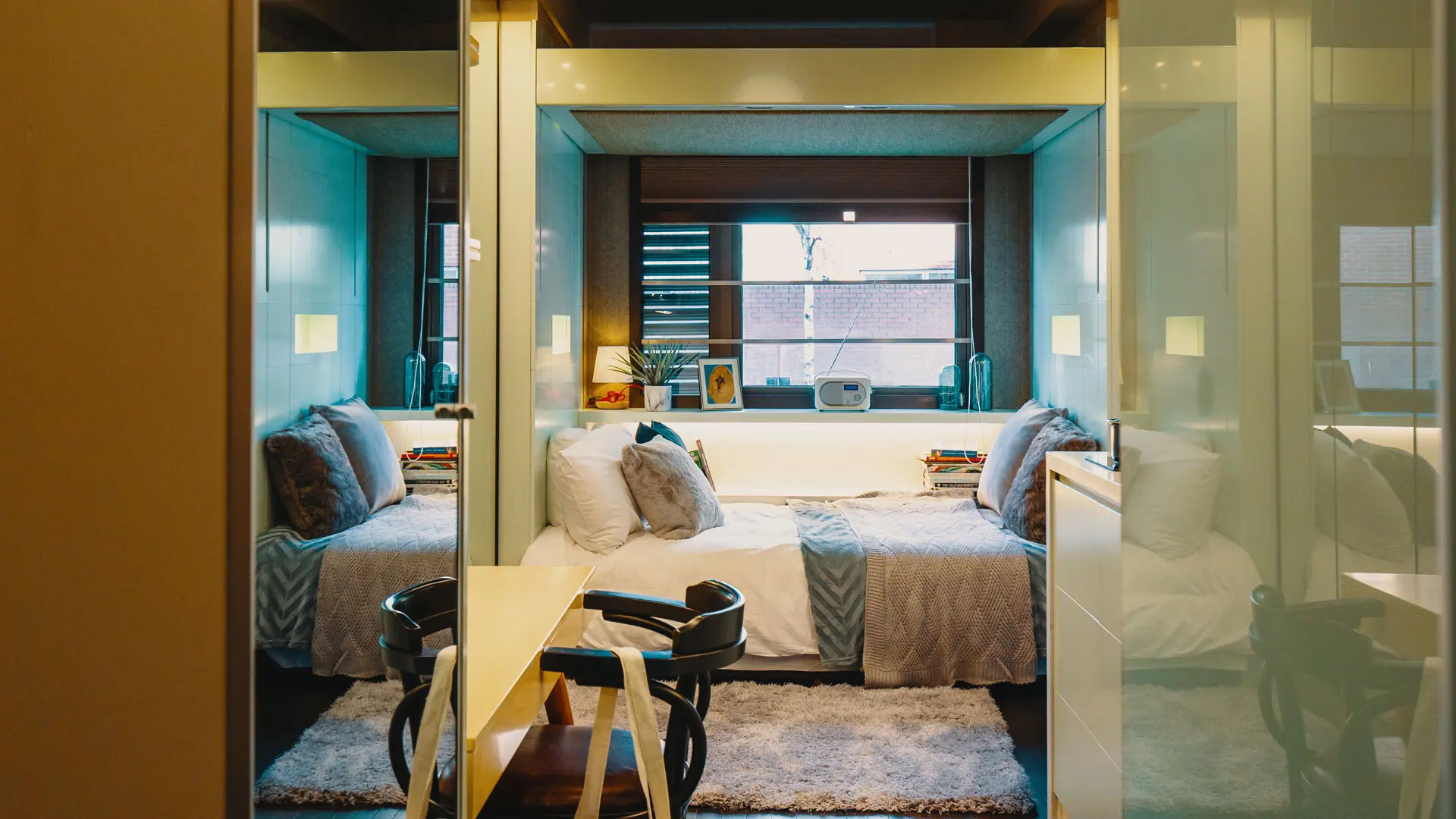
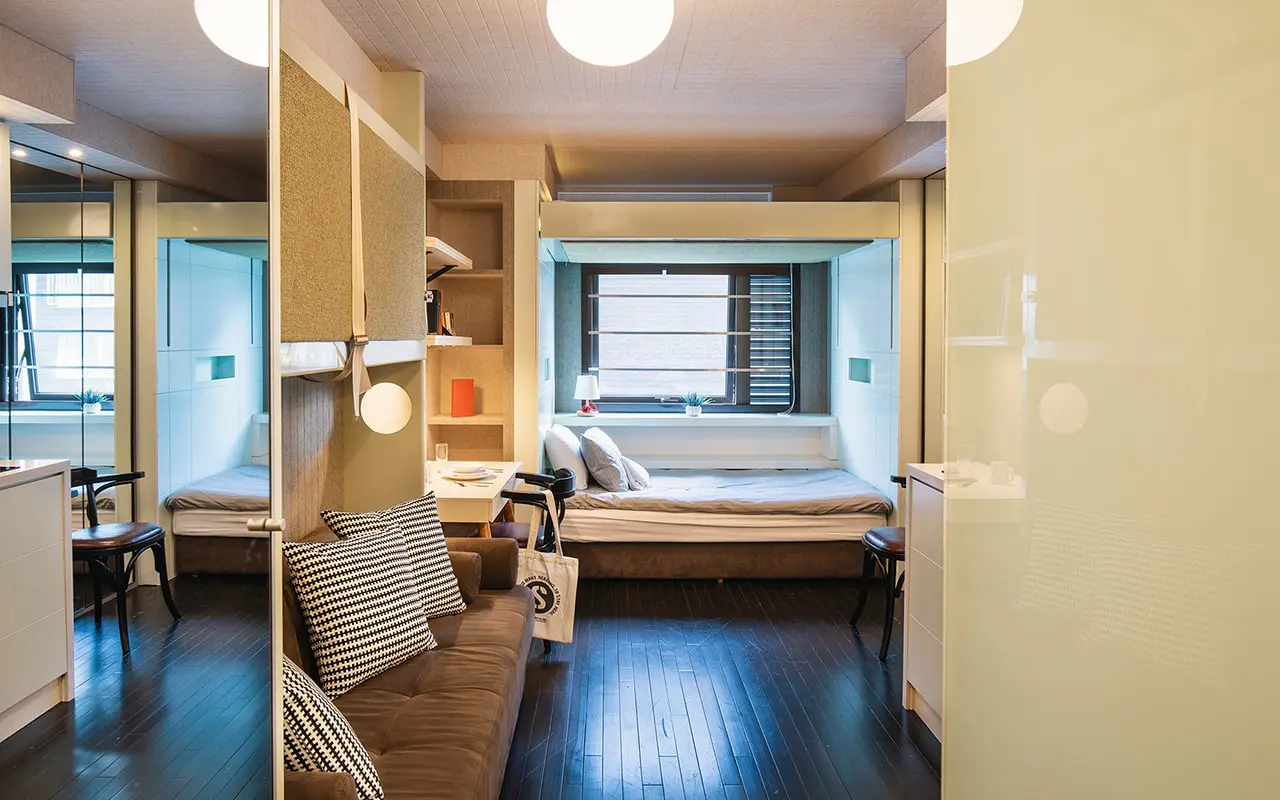
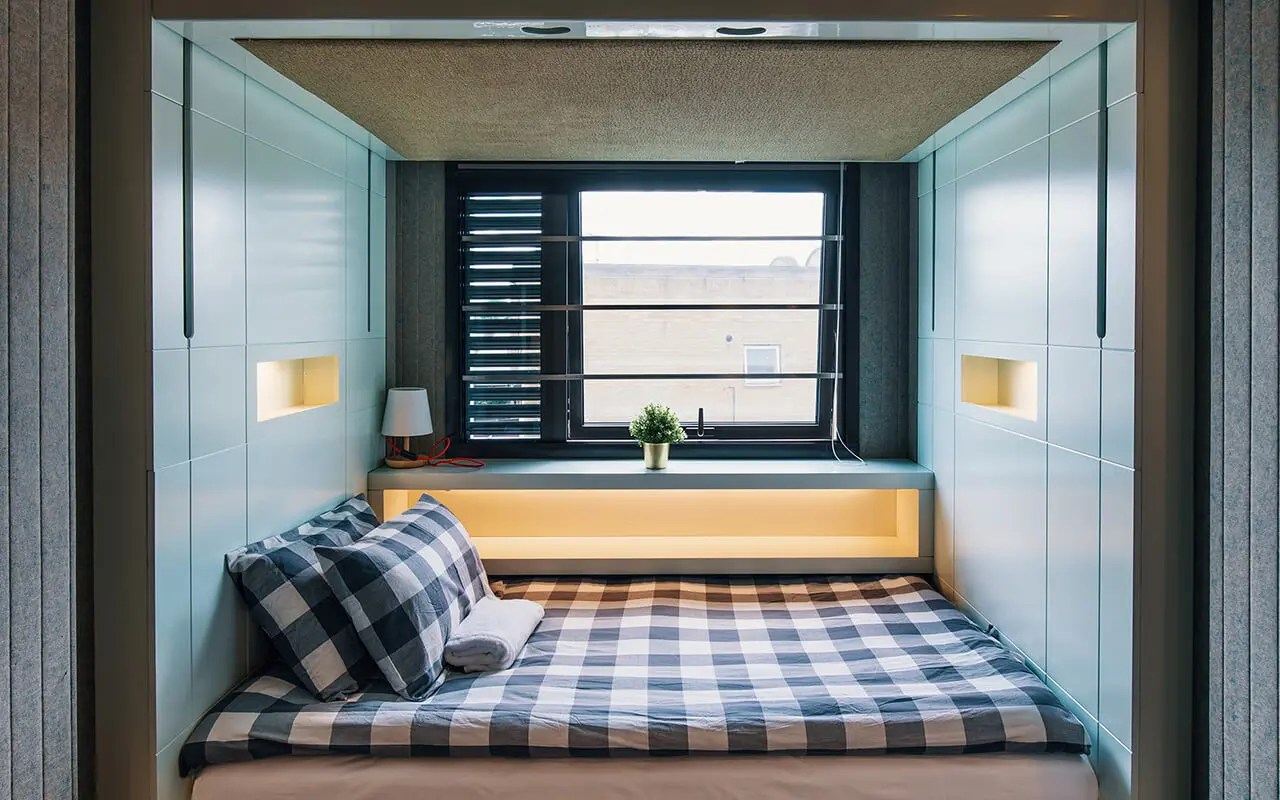
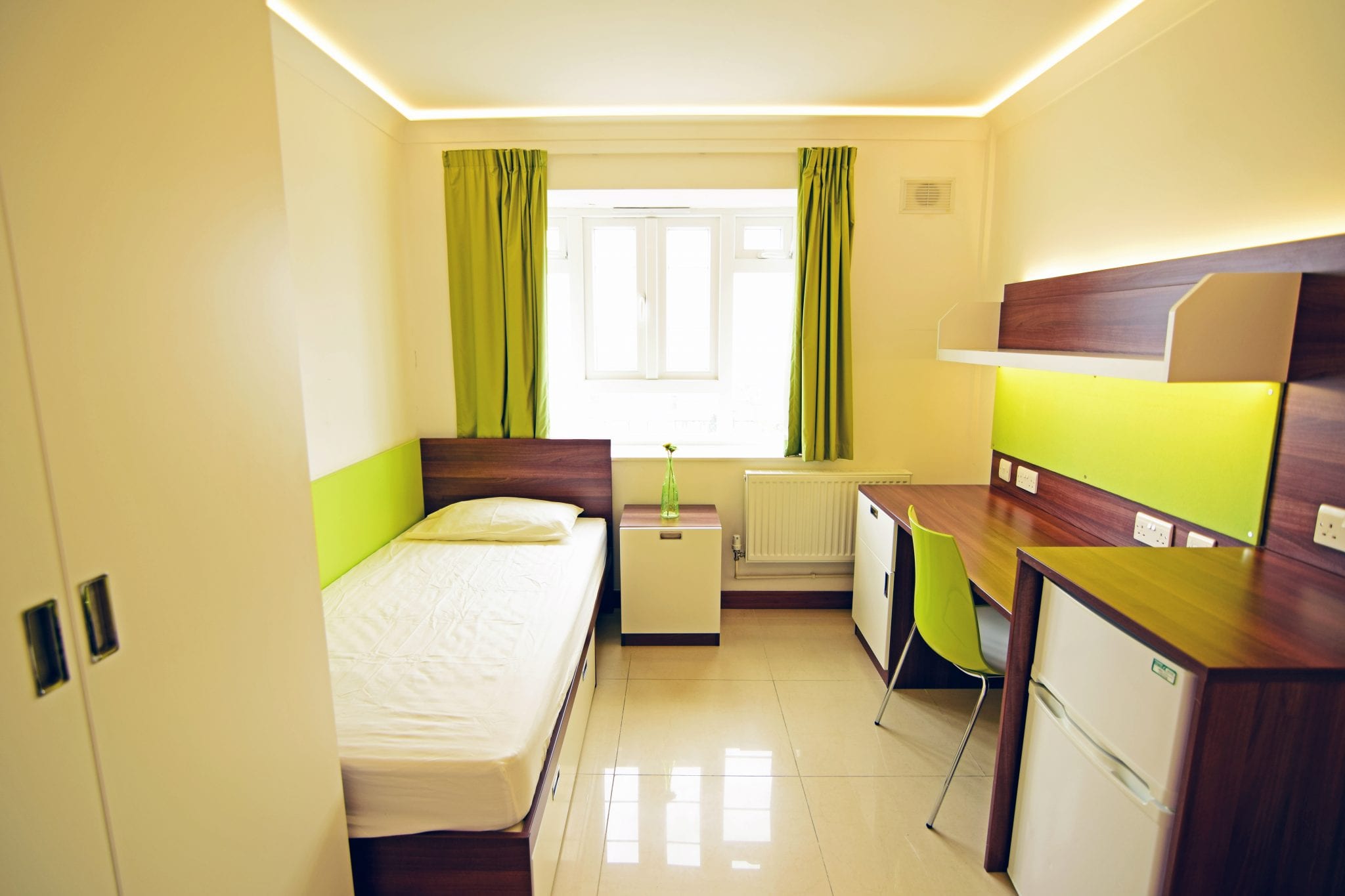
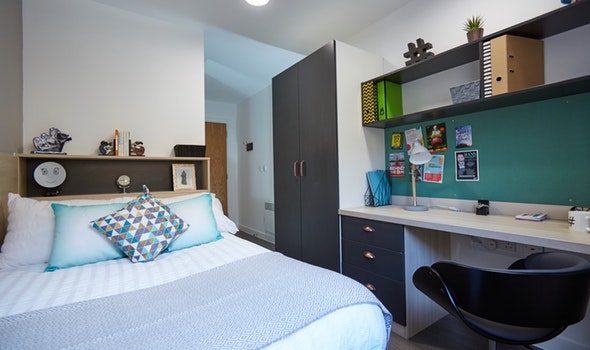
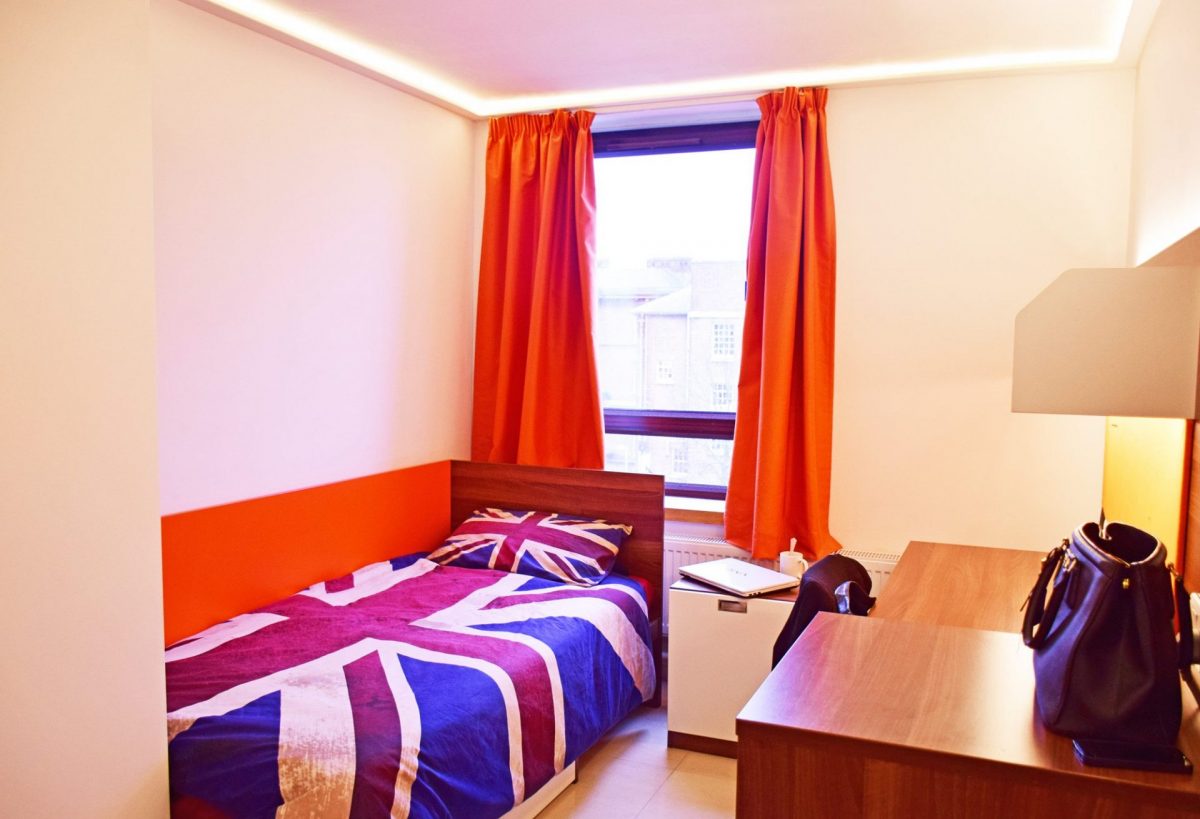
- Choose PBSA if you want a managed student building, clear bills, fast Wi-Fi and social spaces.
- Choose a homestay if you want English practice at home, meals included and a softer landing in London.
- Choose a private room or studio if you need maximum independence and are comfortable handling contracts, deposits, bills and Right to Rent checks.
London is expensive, but OISE London's central location gives you flexibility. You do not need to live in Zone 1 if your course starts near the West End or Strand; a reliable Tube, Elizabeth line or rail commute is often better value than paying for a tiny central room.
Best accommodation options near OISE London
| Option |
Best for |
Typical London cost |
What to check |
| PBSA en-suite room |
First-time London students, 4+ week stays, social living |
GBP 250-380 per week |
Contract length, cancellation rules, commute time, laundry cost |
| PBSA studio |
Privacy, mature students, intensive study |
GBP 350-550+ per week |
Kitchen size, deposit, cooling/heating, noise from main roads |
| Homestay |
Language immersion, shorter courses, meals included |
GBP 180-300 per week |
Meal plan, travel zone, curfew, pets, bathroom sharing |
| Private room in shared flat |
Budget-conscious students staying longer |
GBP 750-1,250 per month |
Bills, council tax status, landlord checks, inventory |
| Private studio/one-bed |
Professionals or couples with higher budget |
GBP 1,500-2,500+ per month |
Right to Rent, guarantor, agency fees, energy rating |
| Aparthotel/serviced room |
Very short stays before a course or viewing trip |
GBP 100-220+ per night |
Weekly discount, cooking access, cancellation terms |
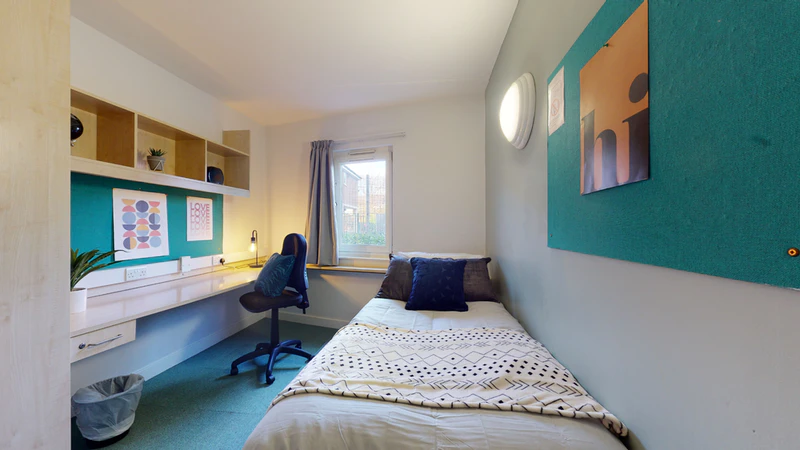
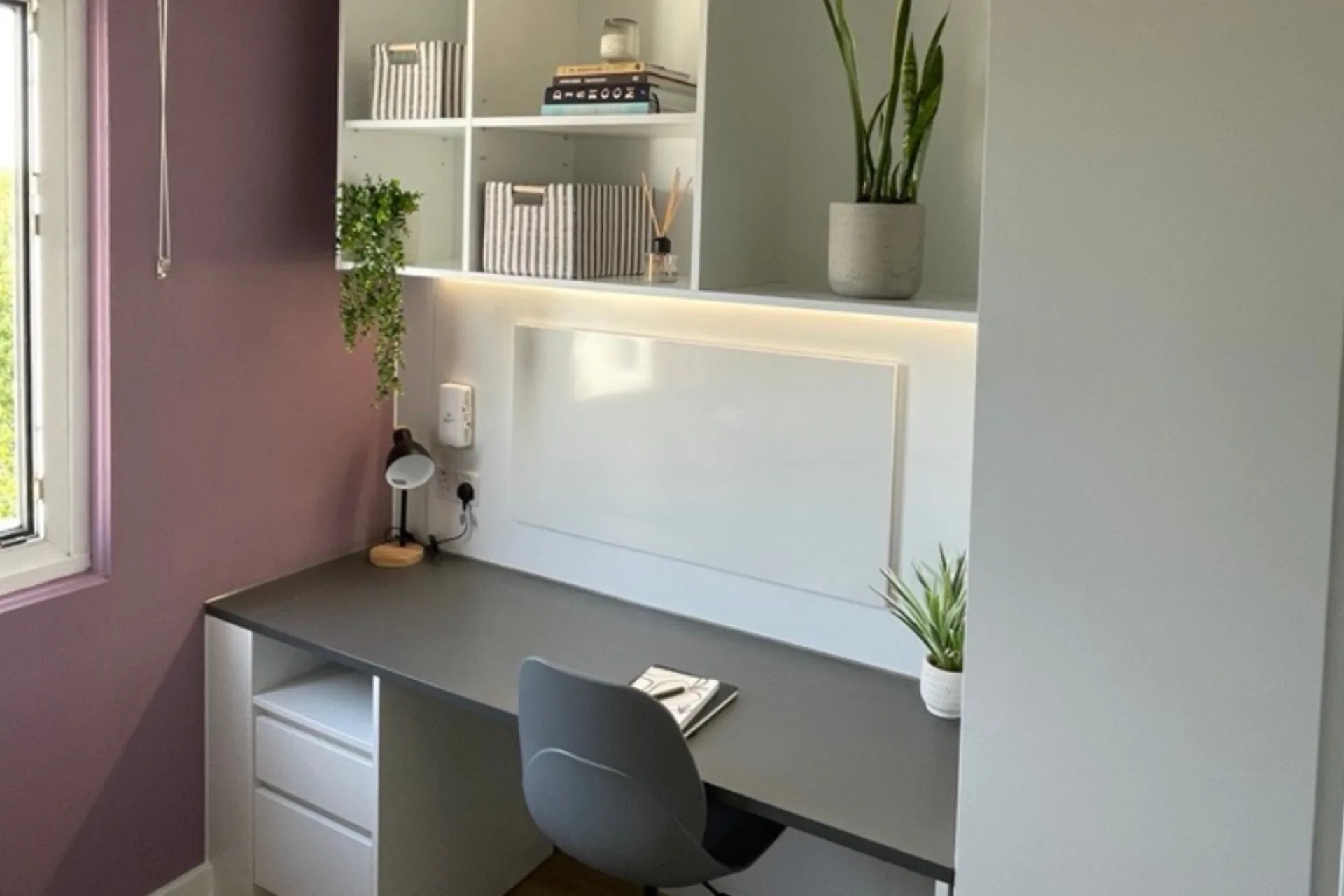
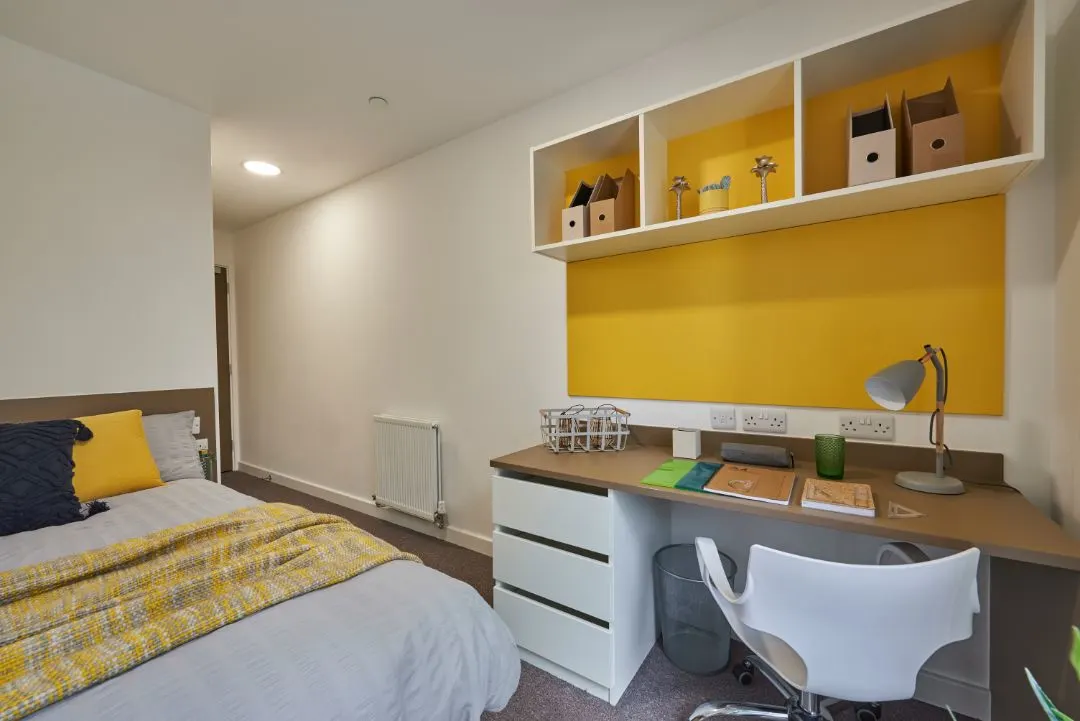
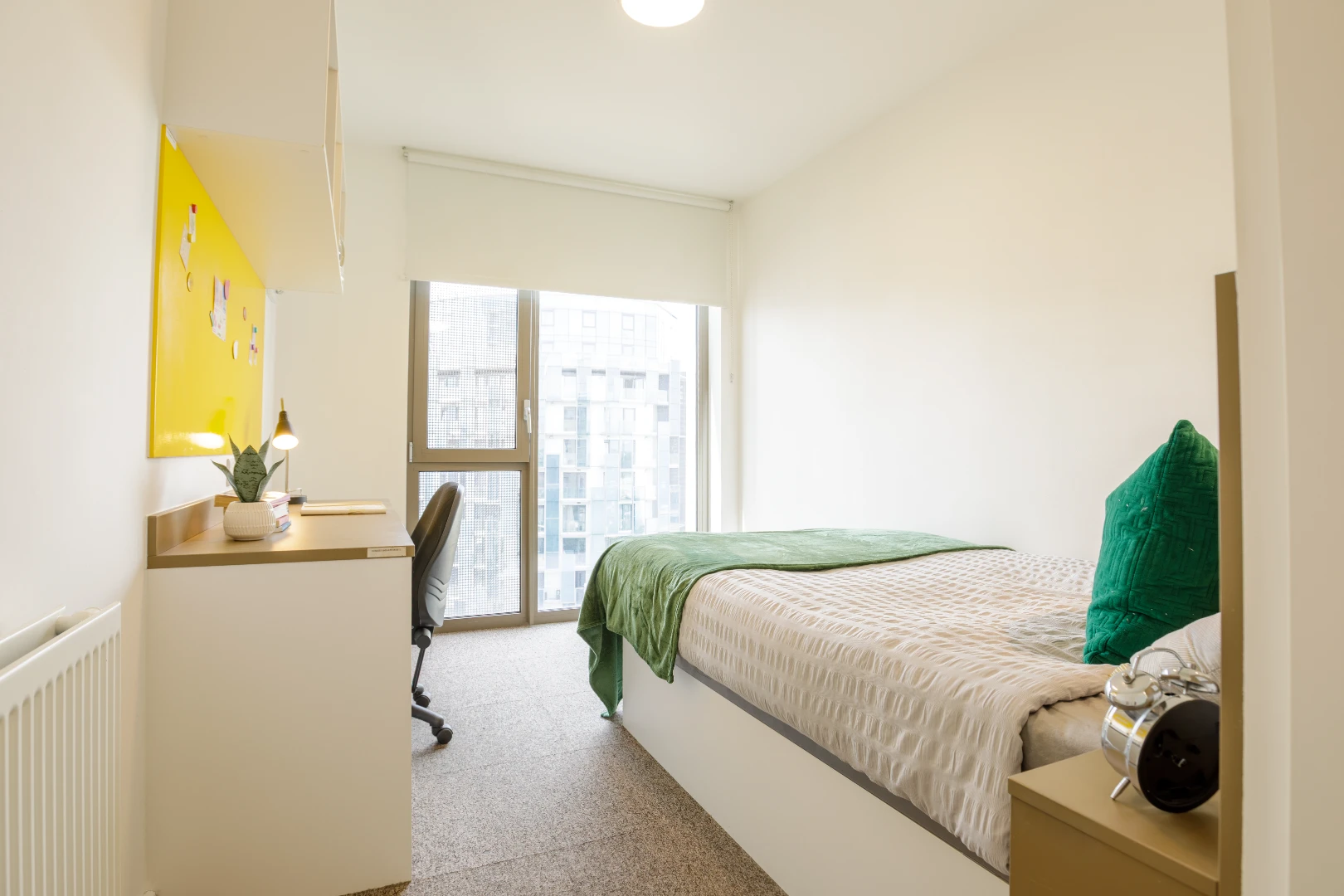
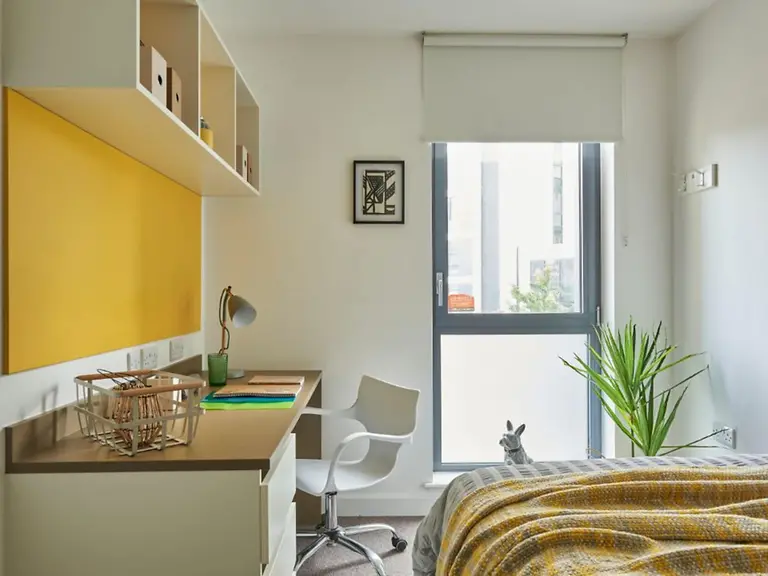
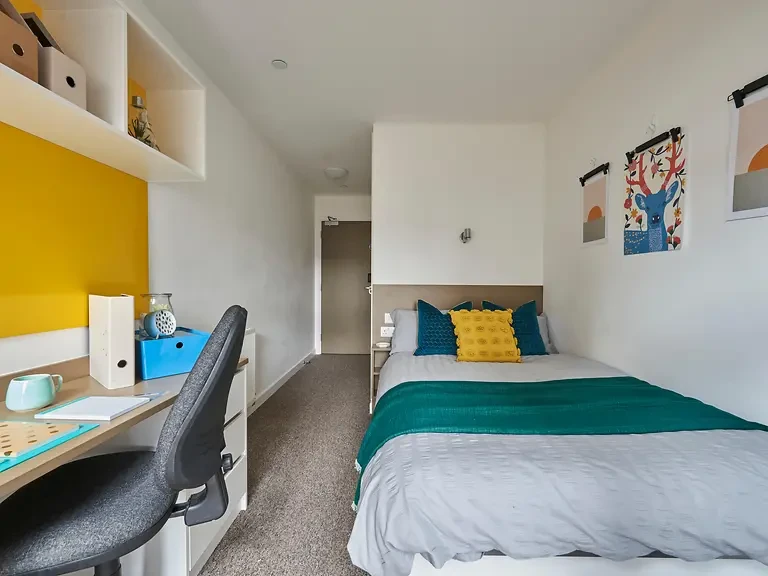
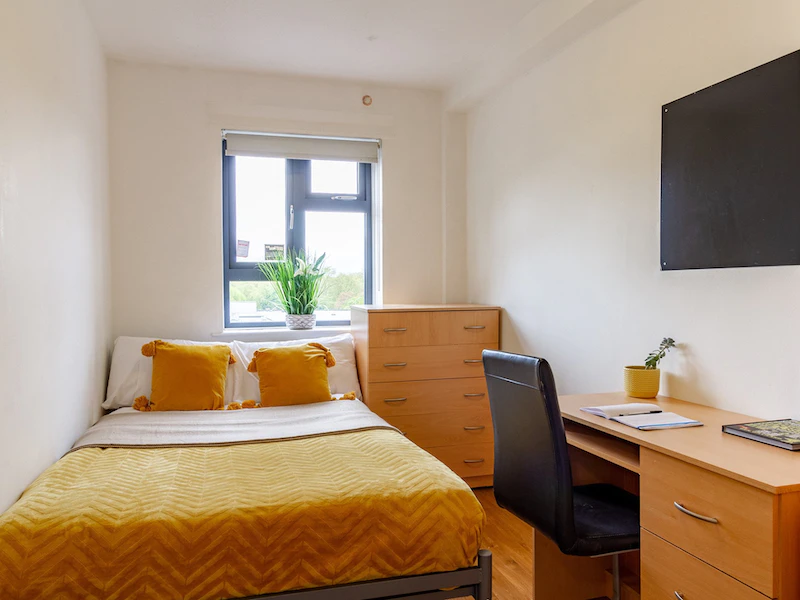
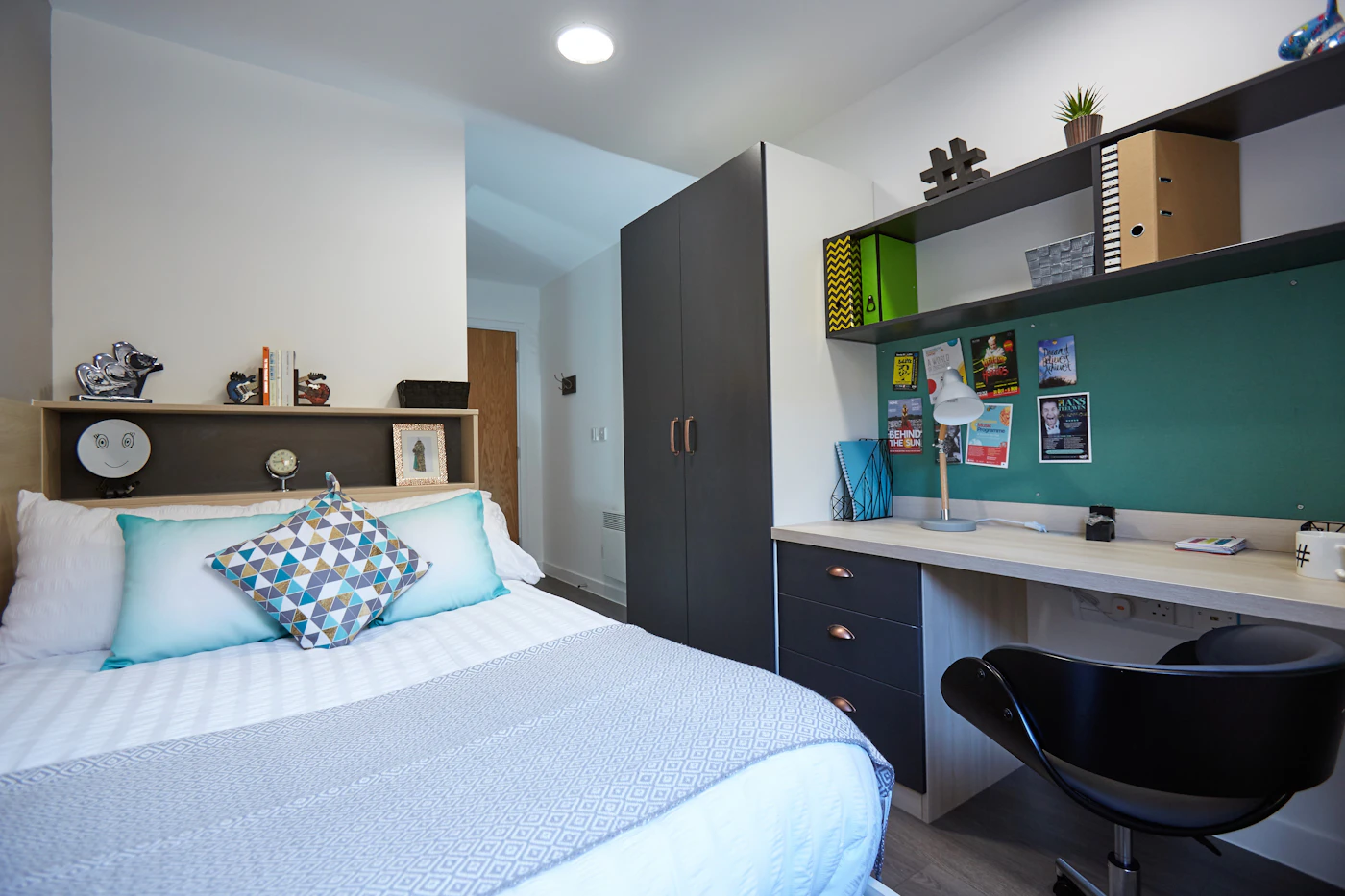
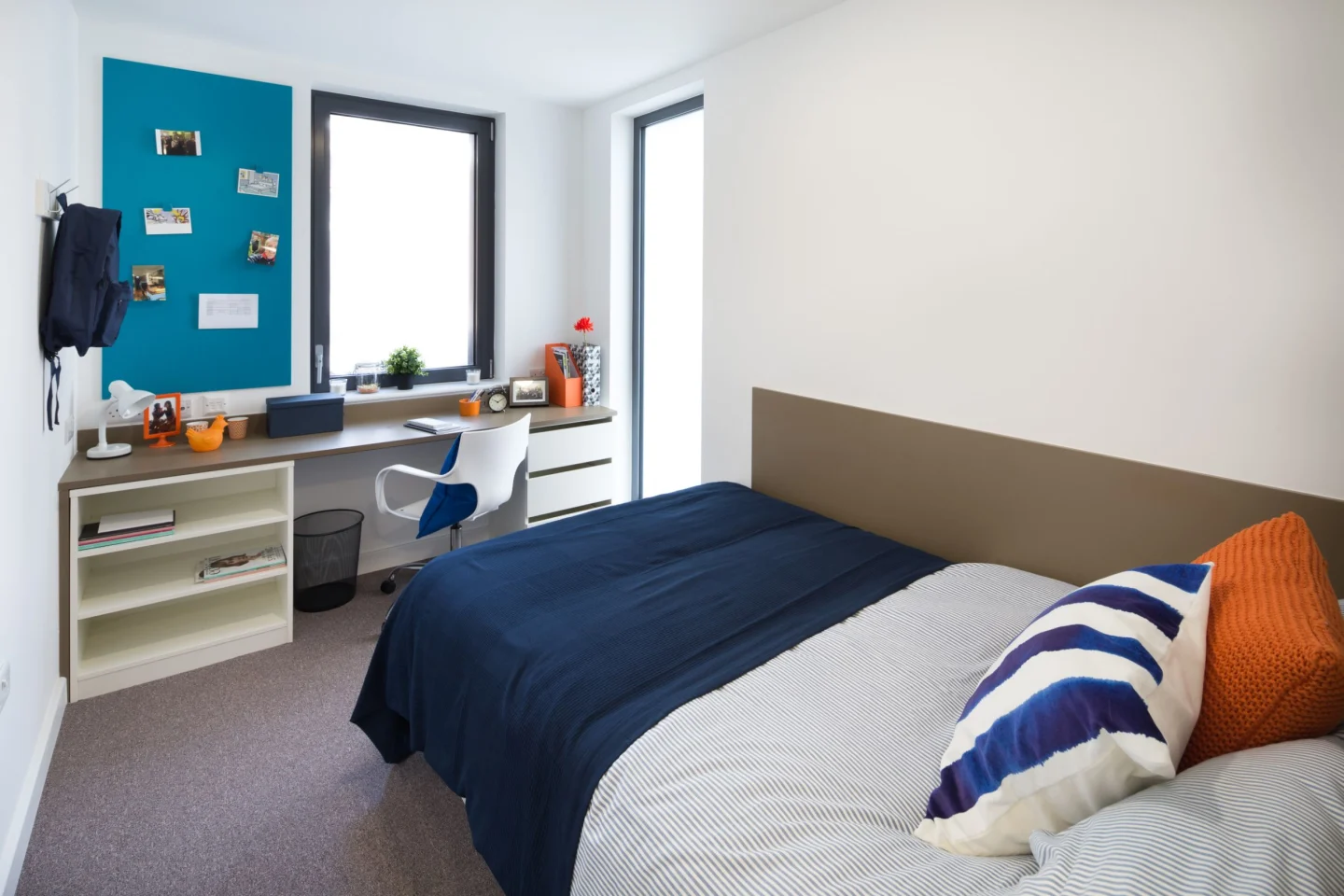
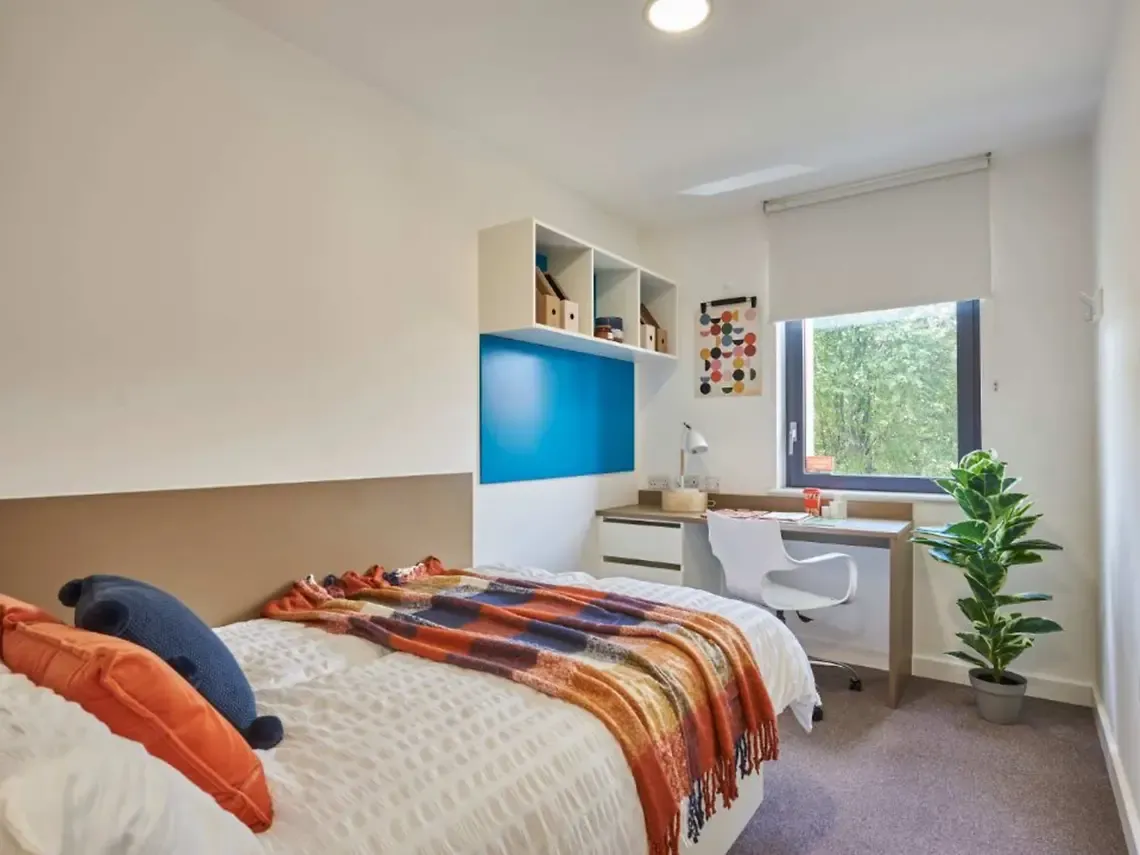
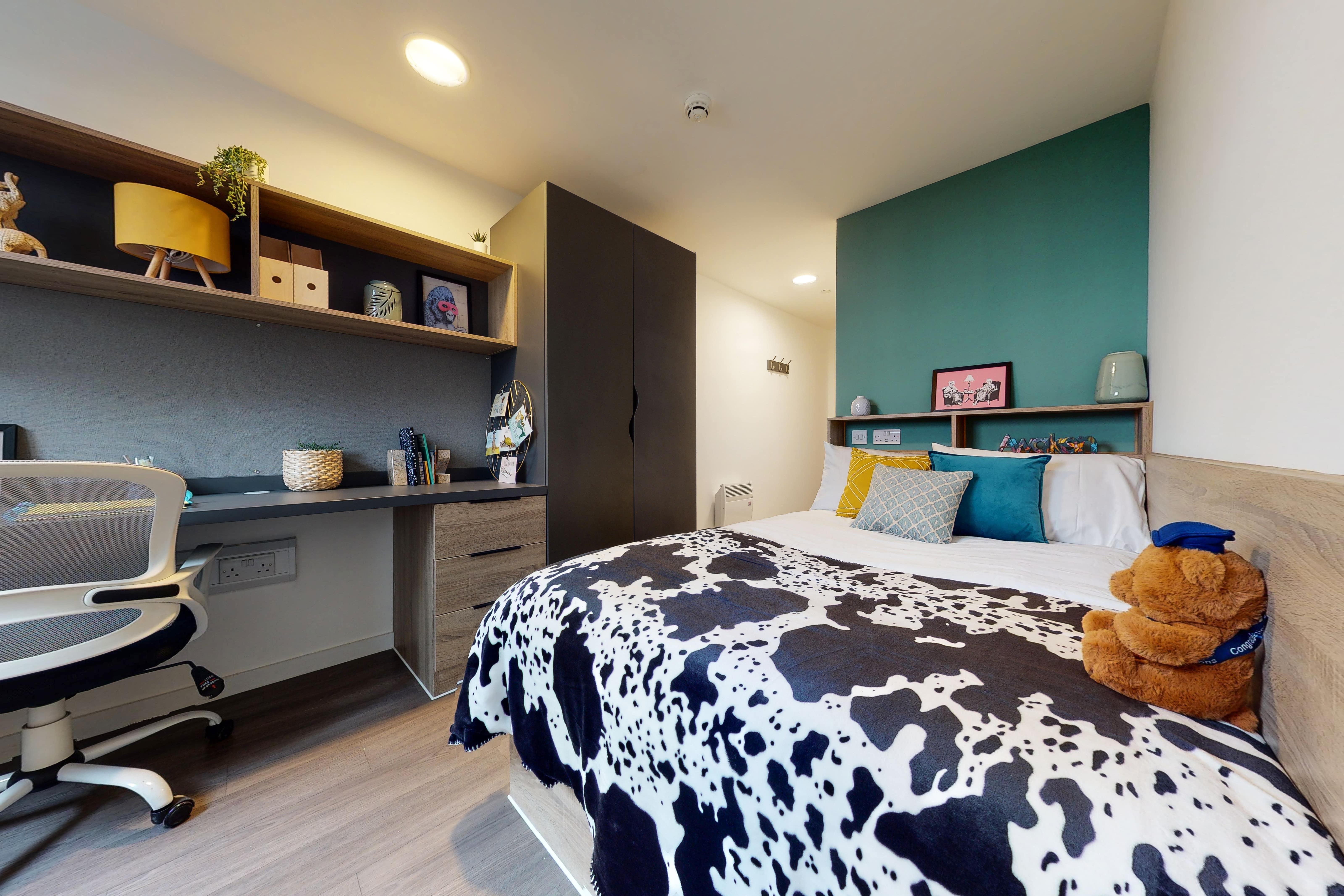
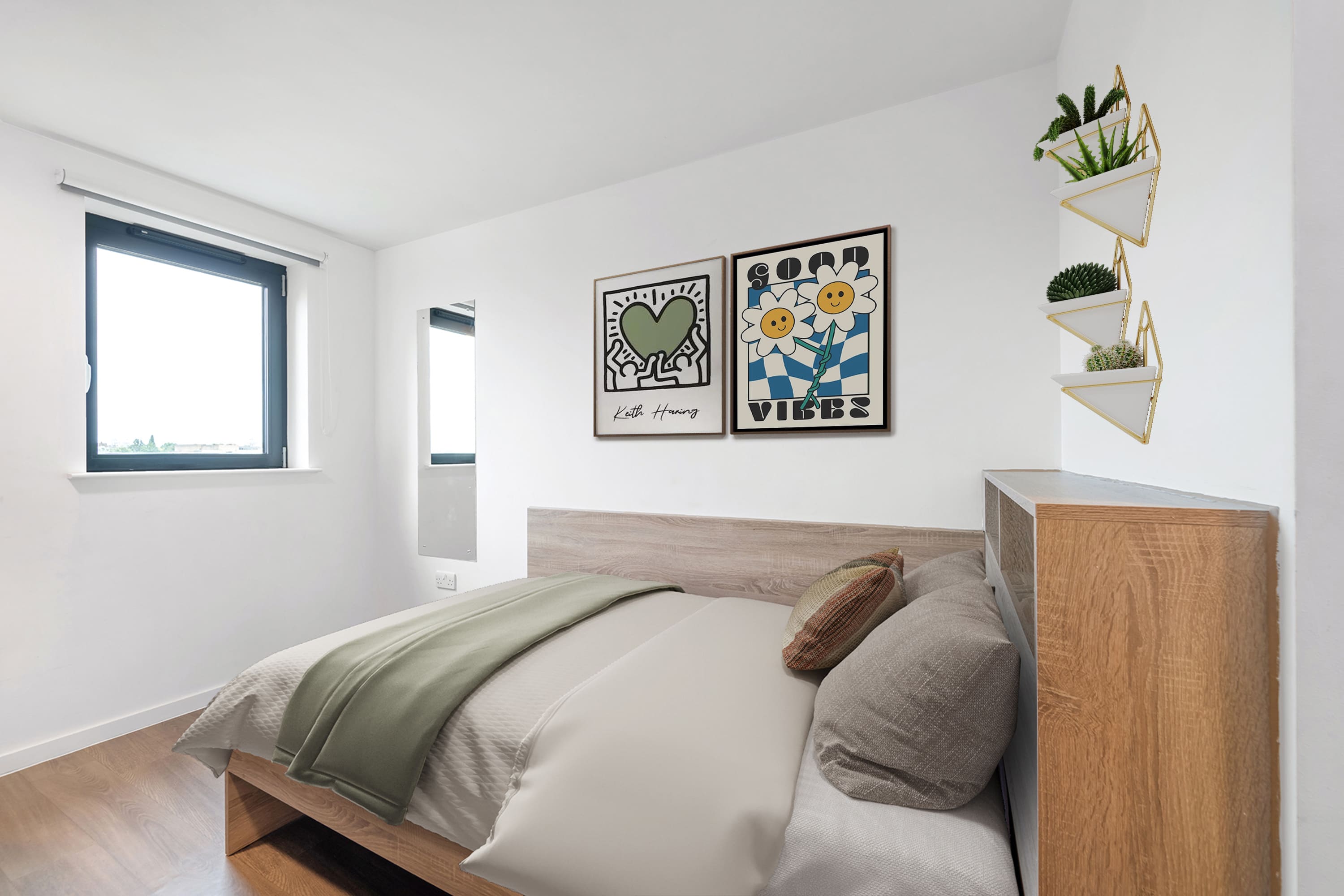
PBSA is usually the easiest route if you are arriving from overseas and want a predictable setup. Most buildings bundle rent, utilities, Wi-Fi, maintenance and basic contents insurance. The trade-off is price: the closest and most flexible rooms in central London can be significantly more expensive than rooms in Zones 2-4.
Where to live: neighbourhood guide
Covent Garden, Holborn and Bloomsbury
These are the most convenient areas if your teaching address is around Buckingham Street, the Strand or central London. You can walk or take a short Tube ride, and you will be close to libraries, cafes, museums and major language-school districts.
Best for: maximum convenience, short courses, students who want to walk.
Watch out for: high rents, small rooms, busy streets and limited affordable PBSA supply.
King's Cross, Euston and Camden
North-central London works well for students who want a strong transport base. King's Cross St Pancras links to multiple Underground lines, national rail and Eurostar, while Camden offers a more social student feel.
Best for: transport, nightlife, flexible commuting.
Watch out for: premium rents near stations and noise around nightlife streets.
Waterloo, South Bank and Elephant & Castle
These areas keep you close to the Thames, central cultural venues and fast routes into the West End. Waterloo is especially useful for walking or quick trips across the river.
Best for: central access with strong bus, Tube and rail links.
Watch out for: busy main roads and higher prices in new-build residences.
Stratford, Whitechapel and Mile End
East London is often better value while still being well connected. Stratford has the Elizabeth line, Central line, Jubilee line, Overground, shops and large PBSA stock. Whitechapel and Mile End can be strong options for students who want quick Tube access and a younger student environment.
Best for: better value PBSA, modern buildings, direct central commutes.
Watch out for: commute time late at night and building-by-building quality differences.
Wembley, Tottenham Hale and Finsbury Park
These areas can lower rent while keeping a realistic Tube or rail commute. They are good choices if you prioritise value over walking distance.
Best for: lower monthly rent, larger rooms, Zone 3 value.
Watch out for: daily travel cost and journey reliability during peak hours.
PBSA near OISE London: why it works
Purpose-built student accommodation is popular in London because it removes many of the frictions that international students face in the private rental market. For OISE London students, this matters because courses may be intensive, short and schedule-heavy.
PBSA can be the best fit when you want:
- One monthly or weekly payment covering rent, utilities and internet.
- Reception or on-site support for parcels, maintenance and security.
- Study rooms and quiet areas for exam preparation or professional English courses.
- Flexible communities with other international students.
- Clear move-in logistics before you arrive in the UK.
The main issue is contract length. Some PBSA buildings focus on 42-51 week academic contracts, while language students may need 2-12 weeks. Ask specifically for short-stay, summer-stay or semester options before you pay a deposit.
Expected monthly budget
| Category |
Budget student |
Mid-range student |
Higher-comfort student |
| Accommodation |
GBP 900-1,150 |
GBP 1,250-1,650 |
GBP 1,900+ |
| Food and groceries |
GBP 250 |
GBP 390 |
GBP 580 |
| Public transport |
GBP 60-110 |
GBP 110-170 |
GBP 170+ |
| Mobile phone |
GBP 15-30 |
GBP 25-40 |
GBP 40+ |
| Entertainment and eating out |
GBP 80-130 |
GBP 130-220 |
GBP 250+ |
Realistic total: many students should expect GBP 1,350-2,250 per month, depending mainly on rent. Living centrally in a studio can push the budget much higher, while a homestay or Zone 3 room can bring it down.
Transport and commuting
Central London rewards students who choose housing based on transport rather than distance alone. A room 6 miles away on a direct Tube line may be easier than a room 2 miles away that needs two changes.
Useful stations and routes for a central London study location include:
- Charing Cross, Embankment and Temple for the Strand and Buckingham Street area.
- Covent Garden, Leicester Square and Holborn for West End access.
- Waterloo for South Bank and national rail links.
- King's Cross St Pancras for multi-line Underground access.
- Elizabeth line stations such as Tottenham Court Road, Farringdon, Whitechapel and Stratford for fast cross-London journeys.
Before booking, check the commute at 08:00-09:00 on a weekday, not just the fastest late-night route. Also check whether your route still works after evening classes or social events.
Booking timeline
6 months before arrival
- Confirm your course dates, teaching location and whether OISE or an agent offers accommodation support.
- Decide whether you need a short stay, semester stay or full academic year contract.
- Set a rent ceiling before browsing.
3-4 months before arrival
- Shortlist PBSA buildings, homestays and private rooms.
- Ask for total cost, deposit, cancellation terms and what is included.
- Check commute times from each property to the confirmed study address.
1-2 months before arrival
- Prepare ID, visa documents, guarantor details if needed and emergency contact information.
- Read the tenancy or licence agreement carefully.
- Confirm bedding, kitchen equipment, laundry, Wi-Fi and move-in times.
Arrival week
- Photograph your room and shared spaces before unpacking.
- Report damage immediately in writing.
- Save your accommodation office, landlord or host contact details.
- Test your commute before your first class.
Scam prevention and safety
London's rental market moves quickly, and that makes it attractive to scammers. Treat urgency as a warning sign.
Do not pay money until you have:
- A clear contract or booking agreement.
- The full legal name of the provider, landlord or agent.
- The exact address and room type.
- Written confirmation of deposit protection where relevant.
- A verified viewing, official PBSA booking page or trusted accommodation partner.
Be especially careful with private listings that offer central London rooms far below market price. If the advertiser says they are abroad, refuses a live viewing, asks for bank transfer only, or pushes you to pay before documents are ready, pause and verify.
International student guide: Right to Rent
If you rent privately in England, your landlord or agent usually needs to check your Right to Rent before your tenancy starts. This applies to adults aged 18 or over and is separate from being accepted onto a course.
International students may be asked for:
- Passport or national identity evidence.
- Visa or eVisa information.
- A Home Office share code if you have digital immigration status.
- Course or enrolment evidence.
Some student halls and nominated student accommodation are exempt from standard Right to Rent checks, but private rentals usually are not. If you are unsure, ask the accommodation provider what check they require and do not leave it until move-in day.
Tenancy agreement cheat sheet
Before signing, scan the contract for these points:
| Clause |
Why it matters |
| Contract length |
Language courses may be shorter than standard student tenancies. |
| Rent schedule |
Check whether rent is weekly, monthly, termly or upfront. |
| Bills included |
PBSA often includes bills; private rentals may not. |
| Deposit rules |
Private tenancy deposits should usually be protected in an approved scheme. |
| Cancellation policy |
Important if visa, course or travel plans change. |
| Guests and overnight stays |
Homestays and PBSAs often have rules. |
| Maintenance process |
Know how repairs are reported and how quickly urgent issues are handled. |
| Inventory |
Protects you from being charged for existing damage. |
What to pack vs what is provided
| Item |
PBSA |
Homestay |
Private rental |
| Bed and mattress |
Usually provided |
Provided |
Usually provided in furnished rooms |
| Bedding |
Sometimes extra |
Often provided |
Often not provided |
| Towels |
Usually bring your own |
Ask host |
Bring your own |
| Kitchen equipment |
Shared or basic studio kit |
Usually host's kitchen |
Varies widely |
| Wi-Fi |
Usually included |
Usually included |
Check contract |
| Laundry |
Paid machines |
Ask host |
In-flat, shared or laundrette |
| Desk and chair |
Usually provided |
Usually provided |
Check listing |
For a short OISE course, pack light and prioritise documents, plug adaptor, laptop, weatherproof coat, comfortable shoes and any medication. London rooms are often smaller than students expect, so avoid bringing bulky items until you know your storage space.
Accessibility and special requirements
London has excellent transport coverage, but not every station is step-free and not every older building is accessible. If you need adjustments, raise them before booking.
Ask accommodation providers about:
- Step-free building access and lift reliability.
- Accessible bathrooms.
- Room distance from reception, laundry and exits.
- Visual or vibrating fire alarms.
- Quiet rooms away from lifts, roads or social spaces.
- Fridge access for medication.
- Dietary needs in homestays.
If you have a disability, medical condition or safeguarding need, keep written confirmation of agreed adjustments. For PBSA, request the exact room type and floor level in writing, not just a general promise that the building is accessible.
Quick decision guide
Choose PBSA if you want speed, safety and predictable bills.
Choose homestay if you want English immersion, meals and a more supported arrival.
Choose private renting if you are staying longer, understand UK tenancy checks and want more independence.
For most OISE London students arriving from overseas, the strongest first shortlist is: short-stay PBSA in Zones 1-3, verified homestay providers, and flexible serviced rooms for the first week while viewing longer-term options.