London College of Contemporary Arts accommodation overview
London College of Contemporary Arts (LCCA) is a specialist creative and commercial college in East London, with campuses at Sceptre Court, 40 Tower Hill, EC3N 4DX and The Amp, 41-71 Commercial Road, Whitechapel, E1 1LA. Students are close to Aldgate, Tower Hill, Whitechapel, Brick Lane, Spitalfields, the City of London and St Katharine Docks, so accommodation demand is high and prices move quickly.
LCCA is a strong fit for students who want to study in London's creative economy. Courses span areas such as fashion, graphic design, games art and design, business, entrepreneurship, hospitality and events, with University for the Creative Arts-awarded degrees on several programmes. That makes location useful: living near East London gives you fast access to galleries, markets, studios, hospitality venues and networking opportunities.
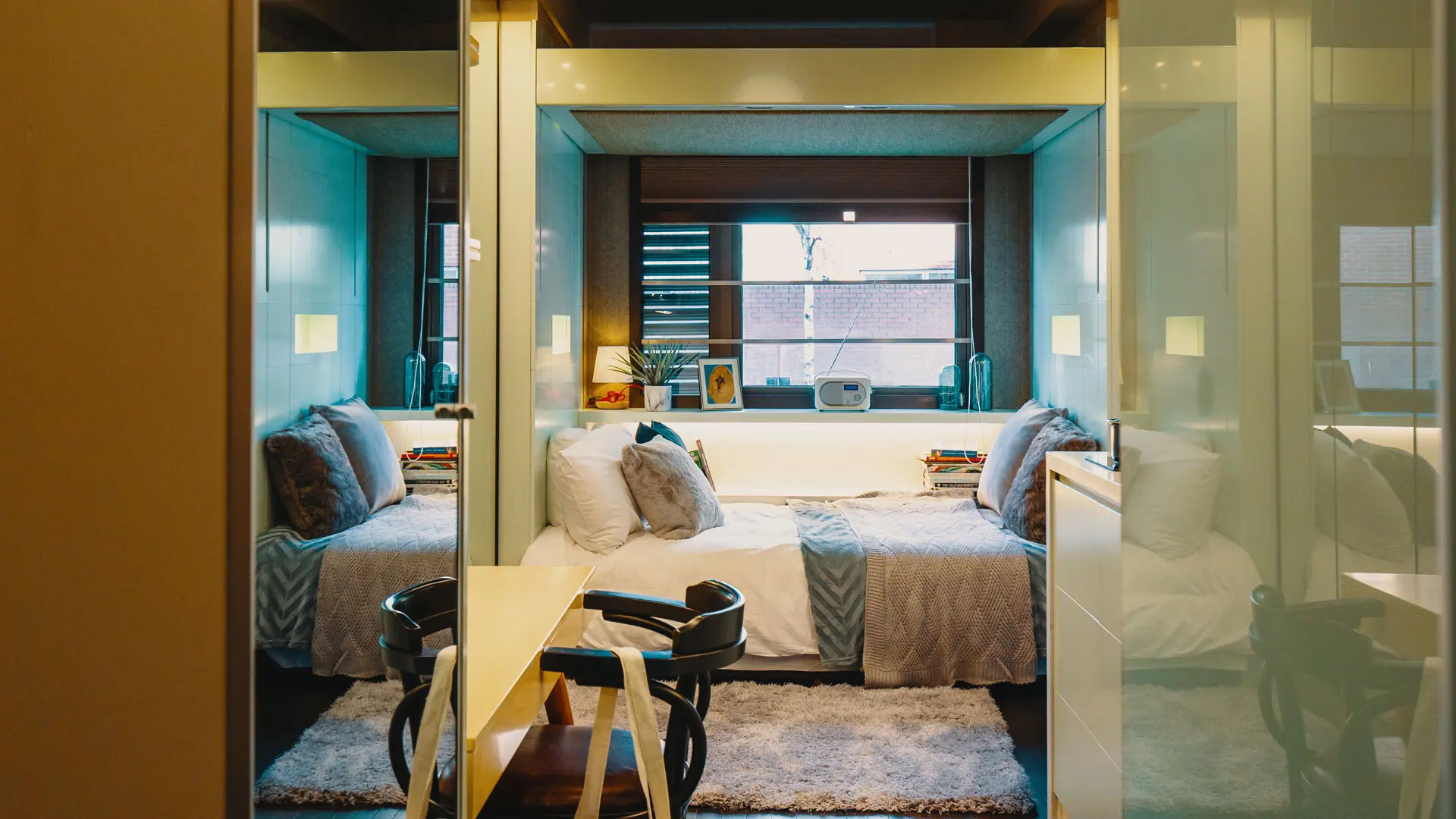
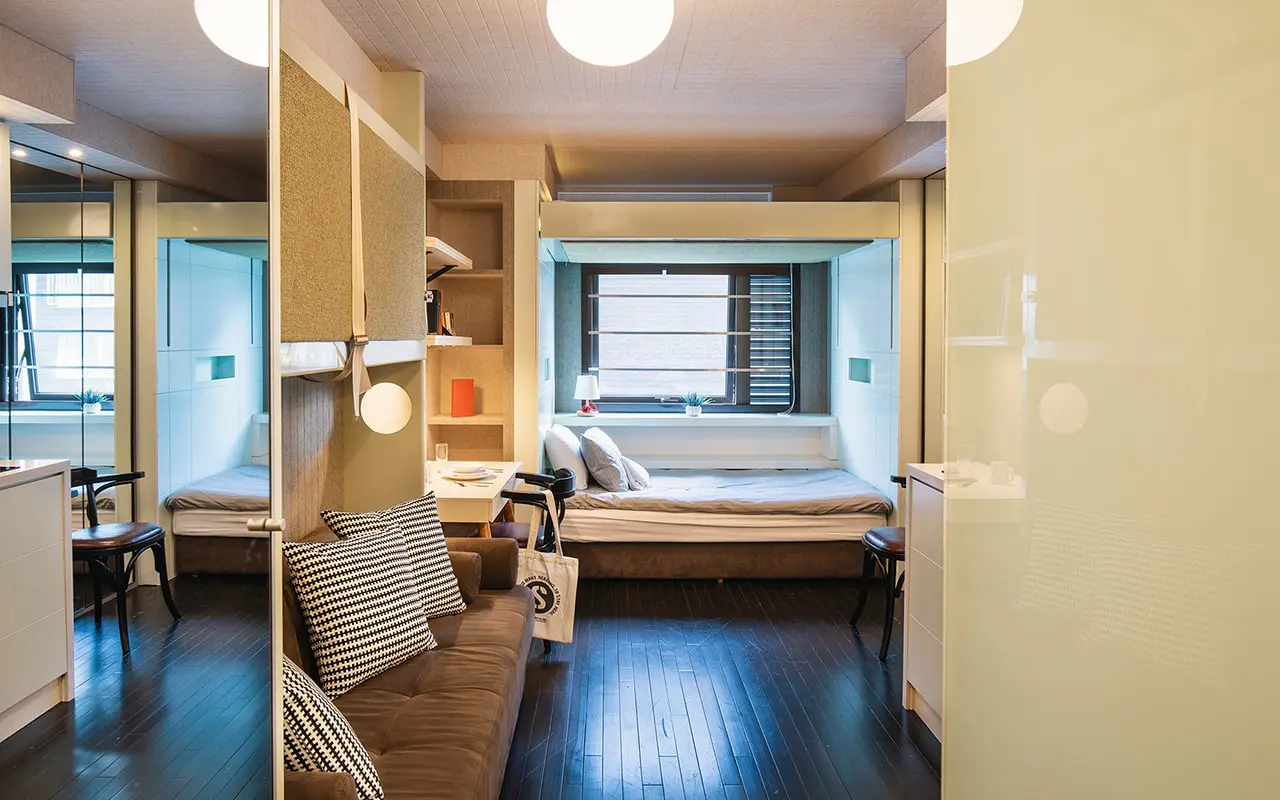
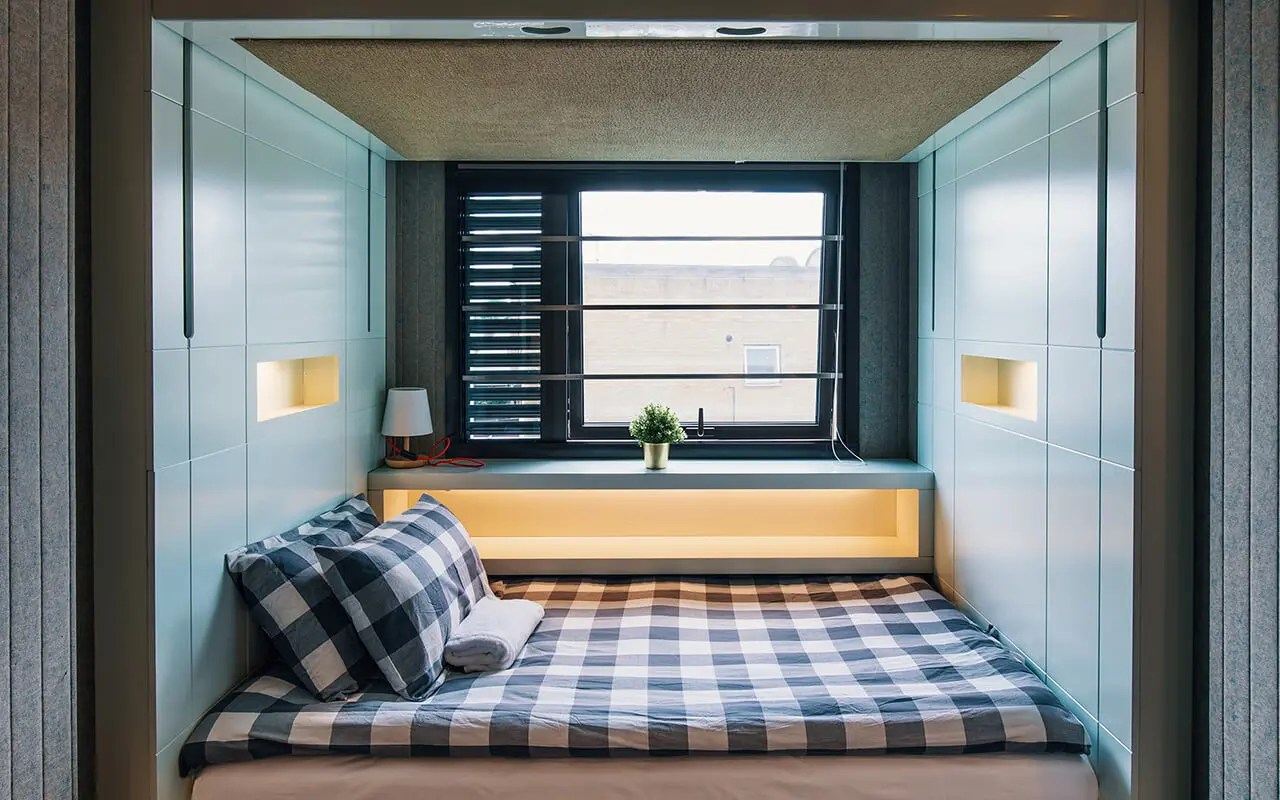
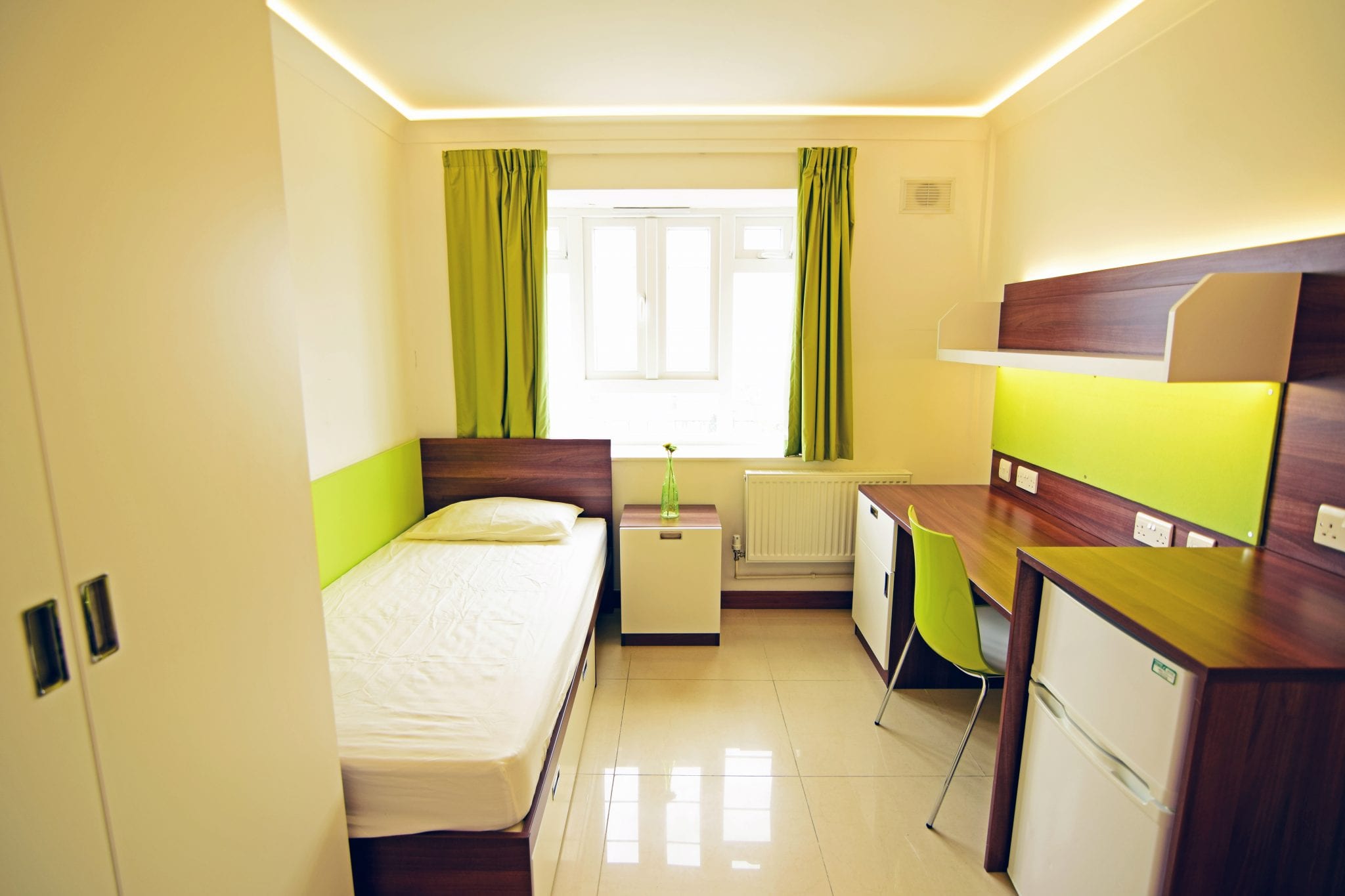
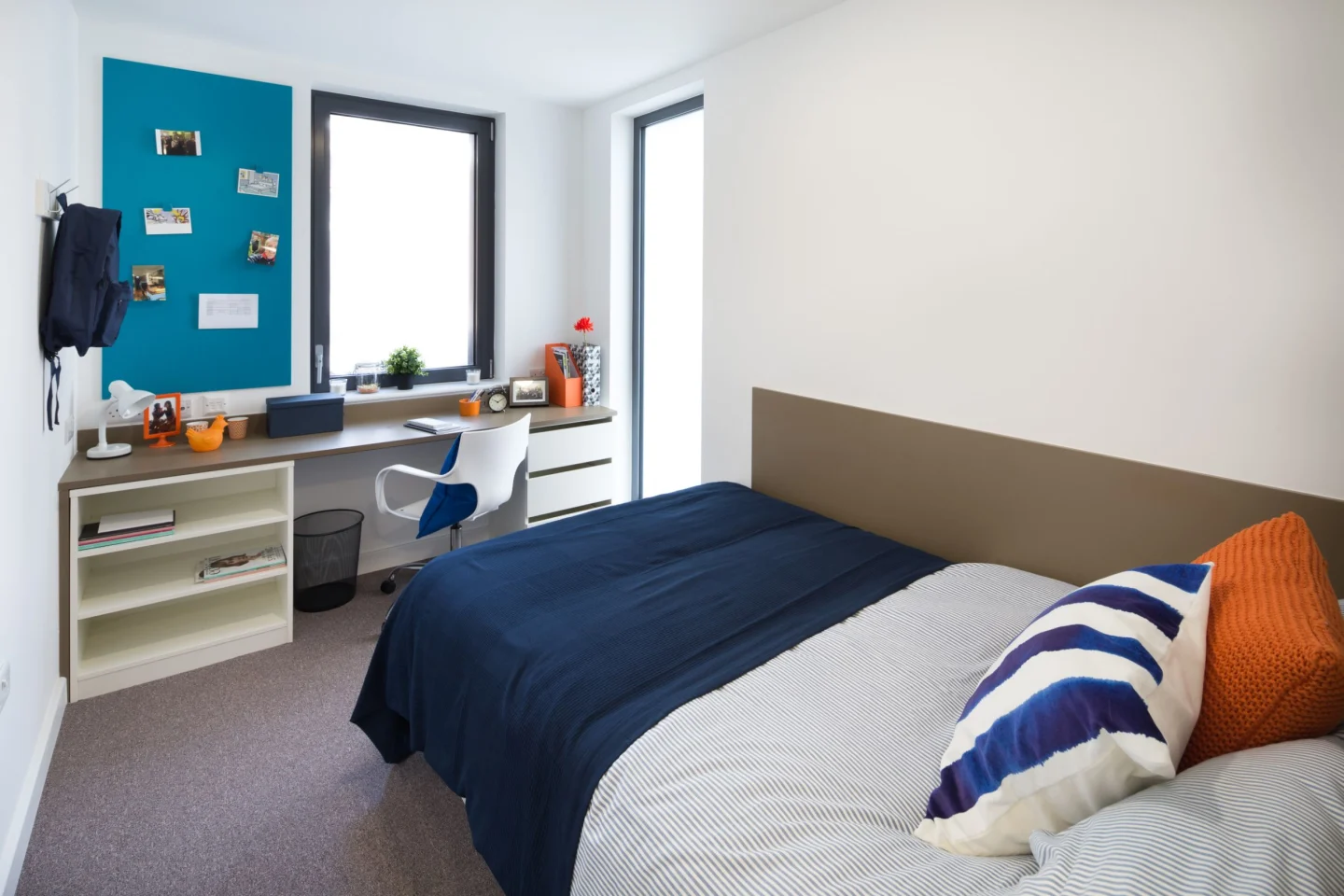
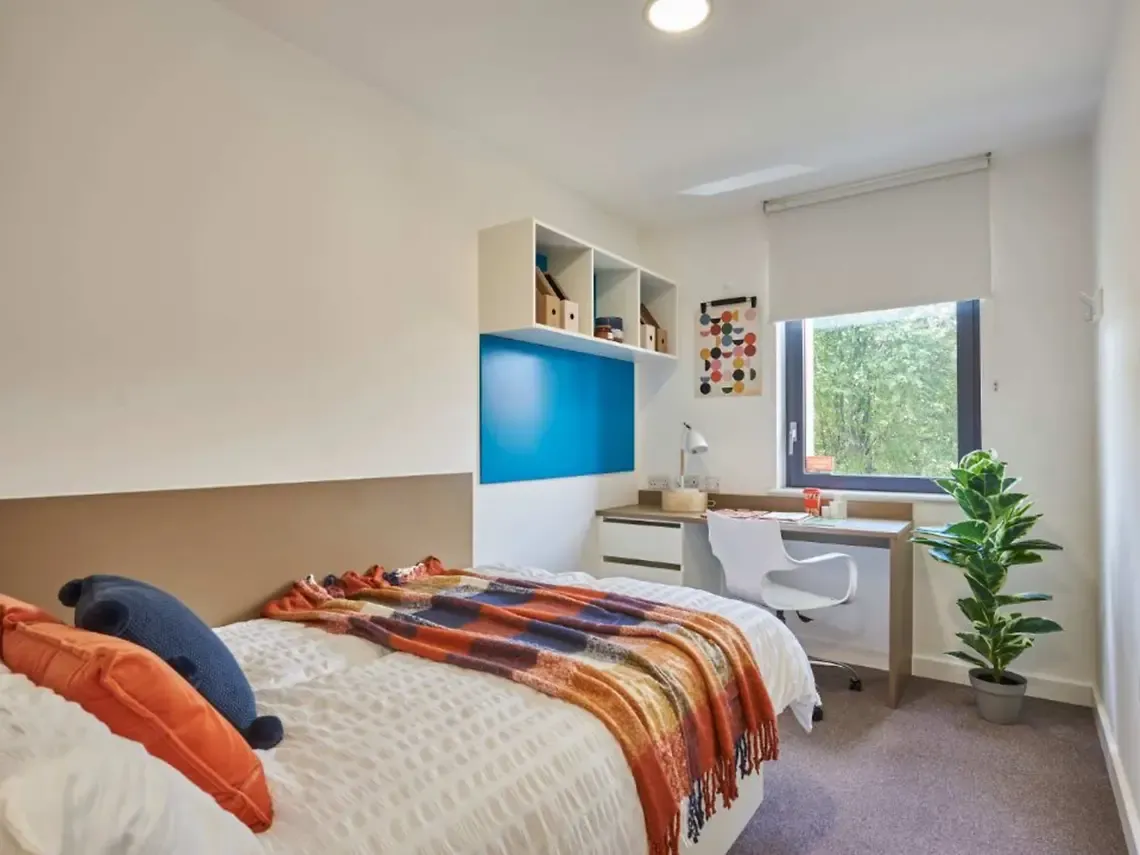
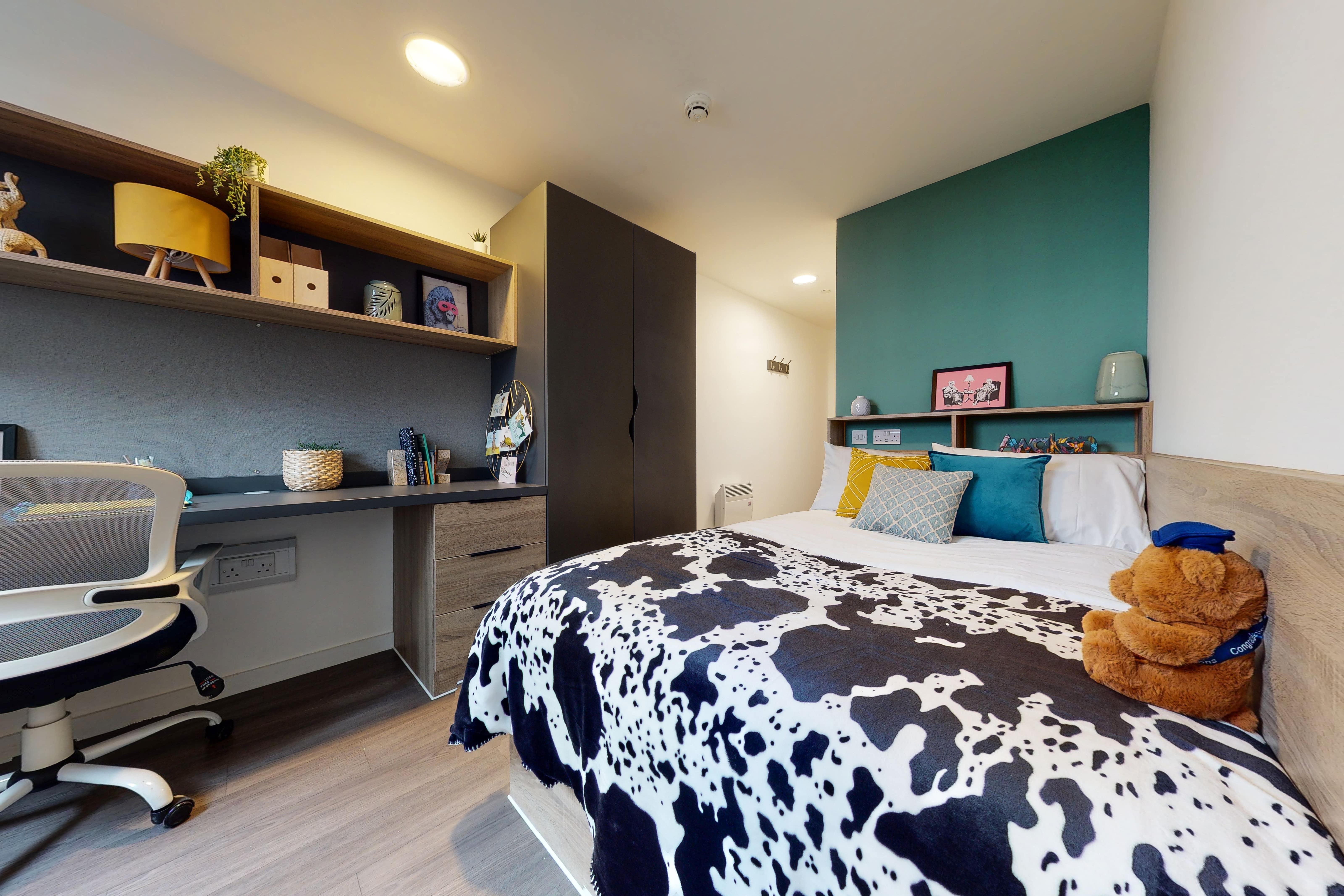
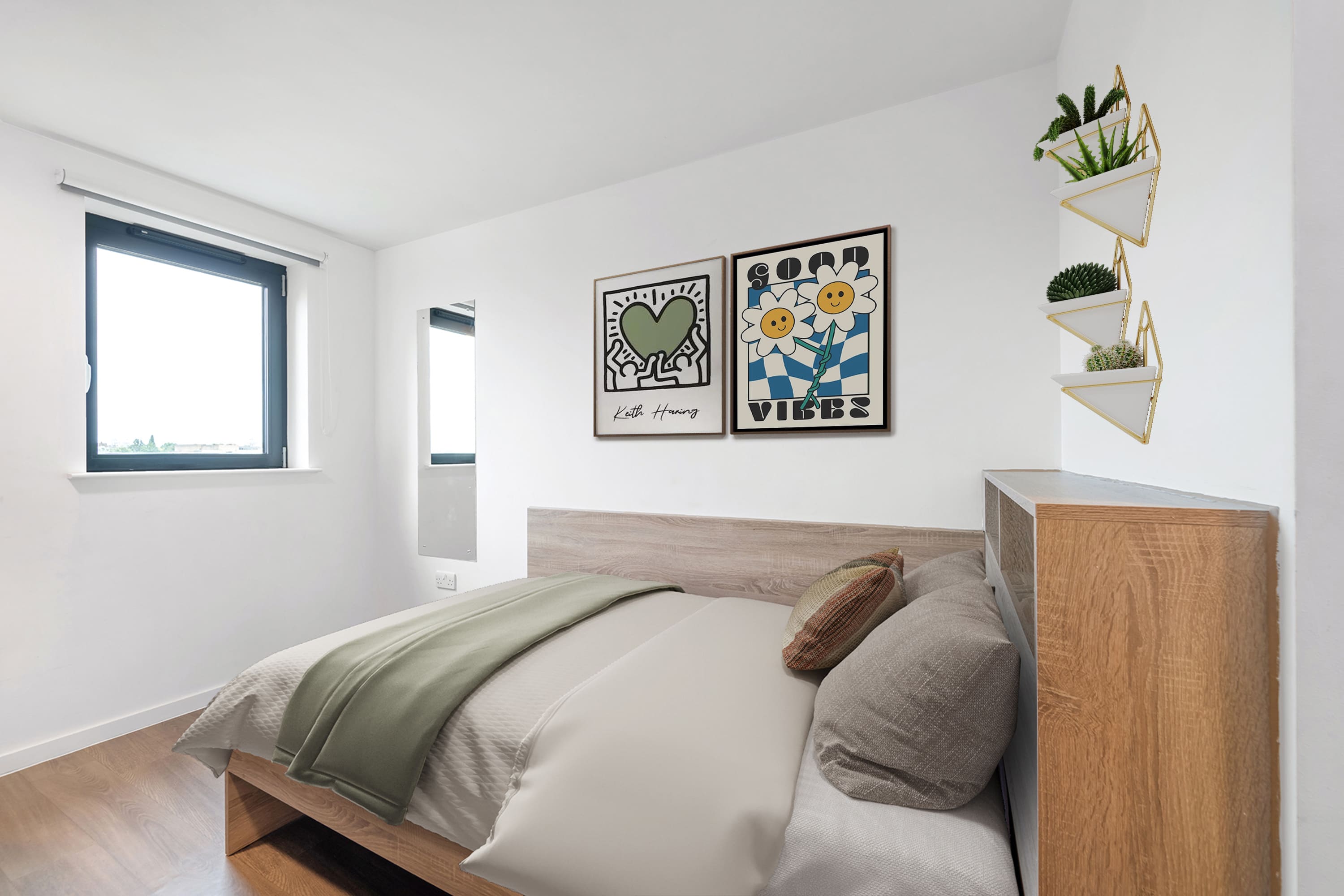
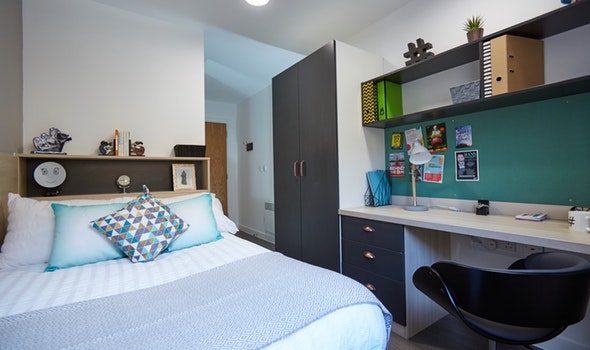
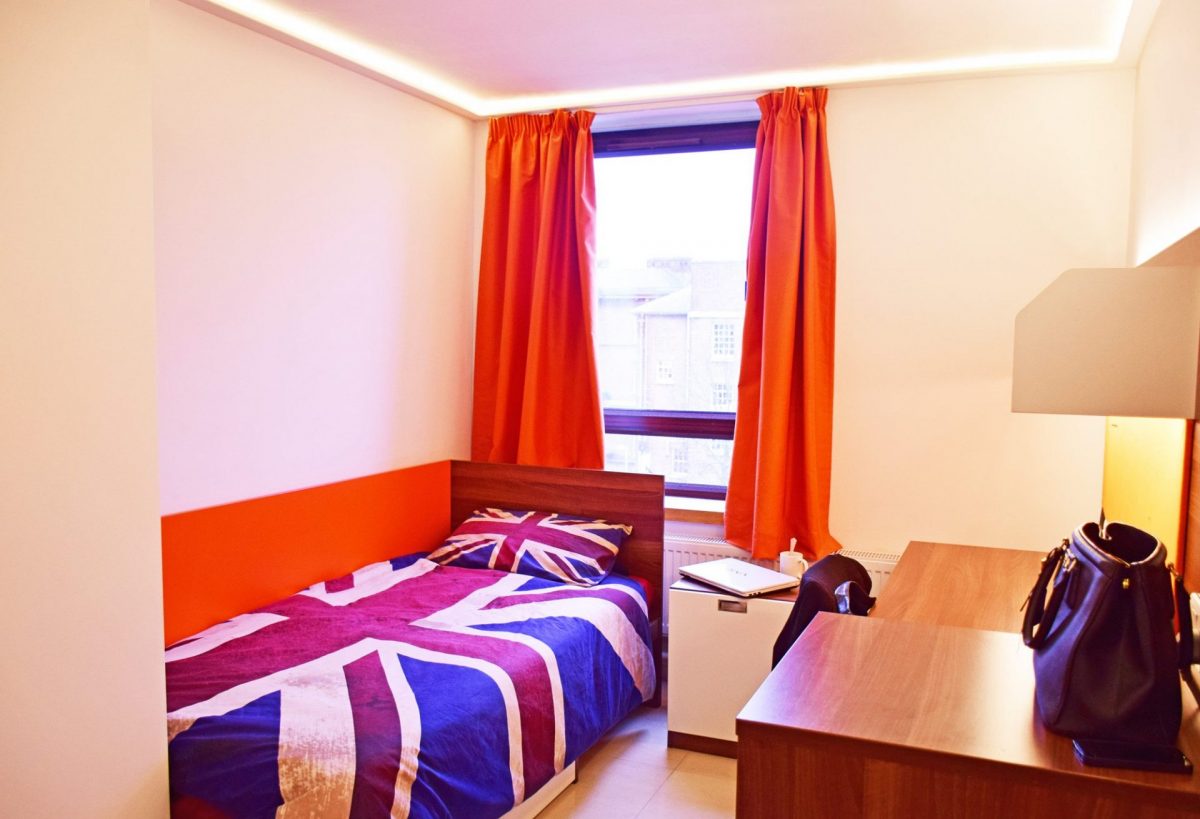
For most LCCA students, the best first search is purpose-built student accommodation (PBSA) around Aldgate, Whitechapel, Tower Hill, Spitalfields, Shoreditch, Mile End and Stratford. PBSA is usually more expensive than a room in a shared flat, but it is easier to manage because rent often includes bills, Wi-Fi, furniture, security, maintenance and study spaces.
Quick student housing snapshot
| Housing choice |
Best for |
Typical London cost |
What to check |
| PBSA en-suite near Aldgate/Whitechapel |
Easy move-in, predictable bills, short commute |
£280-£340 per week |
Contract length, laundry cost, guest rules, cancellation policy |
| PBSA studio |
Privacy, own kitchen, fewer shared spaces |
£320-£450+ per week |
Total annual rent; studios can become expensive fast |
| Private room in shared flat |
Lower rent, more independence |
£180-£300+ per week |
Bills, deposit protection, commute, landlord checks |
| Homestay or lodgings |
Quieter setup, possible meals included |
£180-£280 per week |
House rules, travel time, visitor policy |
| Outer-zone private rental |
Bigger rooms or lower headline rent |
£160-£250+ per week |
Travel cost, late-night route, bills, viewing quality |
Key takeaway: paying more to live close to LCCA can be worth it if your course uses studios, labs, workshops or in-person project time. If you only need to be on campus a few days a week, Zones 2-3 can be better value.
Best areas to live near LCCA
Aldgate and Aldgate East
Best for: shortest commute and PBSA choice. Aldgate is one of the most convenient areas for LCCA because it sits between the Tower Hill and Whitechapel campuses. You can walk, cycle or use short bus routes, and you are close to the District, Hammersmith & City, Circle and Metropolitan lines.
Why students like it:
- Very close to both LCCA campuses
- Strong PBSA supply around Whitechapel, Commercial Road and Leman Street
- Good access to Brick Lane, Spitalfields, Liverpool Street and Shoreditch
- Easy for students who work part-time in hospitality, retail or offices
Watch-outs:
- Rents are high because this is central London
- Rooms can be compact
- Main roads can be busy, so check noise before booking
Whitechapel
Best for: East London culture and quick campus access. Whitechapel is especially practical for The Amp on Commercial Road. It has the Elizabeth line, District line, Hammersmith & City line, Overground links nearby and many buses, so it works well if you also travel across London for work or placements.
Whitechapel is a good match if you want:
- Walking distance to The Amp
- Better value than the most central Zone 1 postcodes
- Food shops, markets and late-opening essentials nearby
- Access to Queen Mary University of London's student area around Mile End
Tower Hill and Wapping
Best for: Sceptre Court and a quieter riverside feel. Tower Hill is ideal for students based more often at Sceptre Court. Wapping can feel calmer than Aldgate, with riverside walks and DLR access, but there is less student housing stock and private rents can be expensive.
Shoreditch and Bethnal Green
Best for: creative students who want nightlife, studios and independent shops. Shoreditch is lively but expensive. Bethnal Green is often better value and still close by Tube, bus or bike. These areas suit fashion, design and media students who want to be near exhibitions, markets, makers and independent venues.
Mile End and Bow
Best for: better value while staying in East London. Mile End and Bow usually offer more shared flats and student-friendly housing than the most central streets. Commutes to LCCA are manageable by Tube, bus or cycle, and Mile End has a larger student population because of Queen Mary University of London.
Stratford
Best for: transport, shopping and newer buildings. Stratford can work well for students who want a modern apartment or PBSA with wider transport options. The Elizabeth line, Central line, Jubilee line, DLR and Overground give strong connections, though you should check door-to-door travel rather than station-to-station time.
Canada Water, Greenwich and Deptford
Best for: value tradeoffs and more space. These areas can offer more room for the money, especially in shared flats. They make most sense if your route to LCCA is simple by Overground, Jubilee line, DLR or bus.
PBSA near LCCA: why it is usually the easiest option
PBSA is purpose-built student housing run by professional accommodation providers. Near LCCA, you will find PBSA in and around Aldgate, Whitechapel, Spitalfields, Mile End, Shoreditch, Southwark and Stratford.
PBSA is useful because it usually includes:
- All-inclusive rent covering utilities and internet
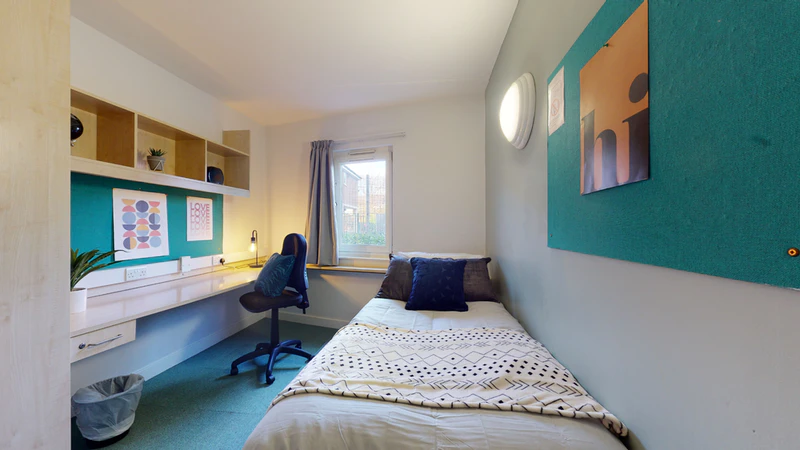
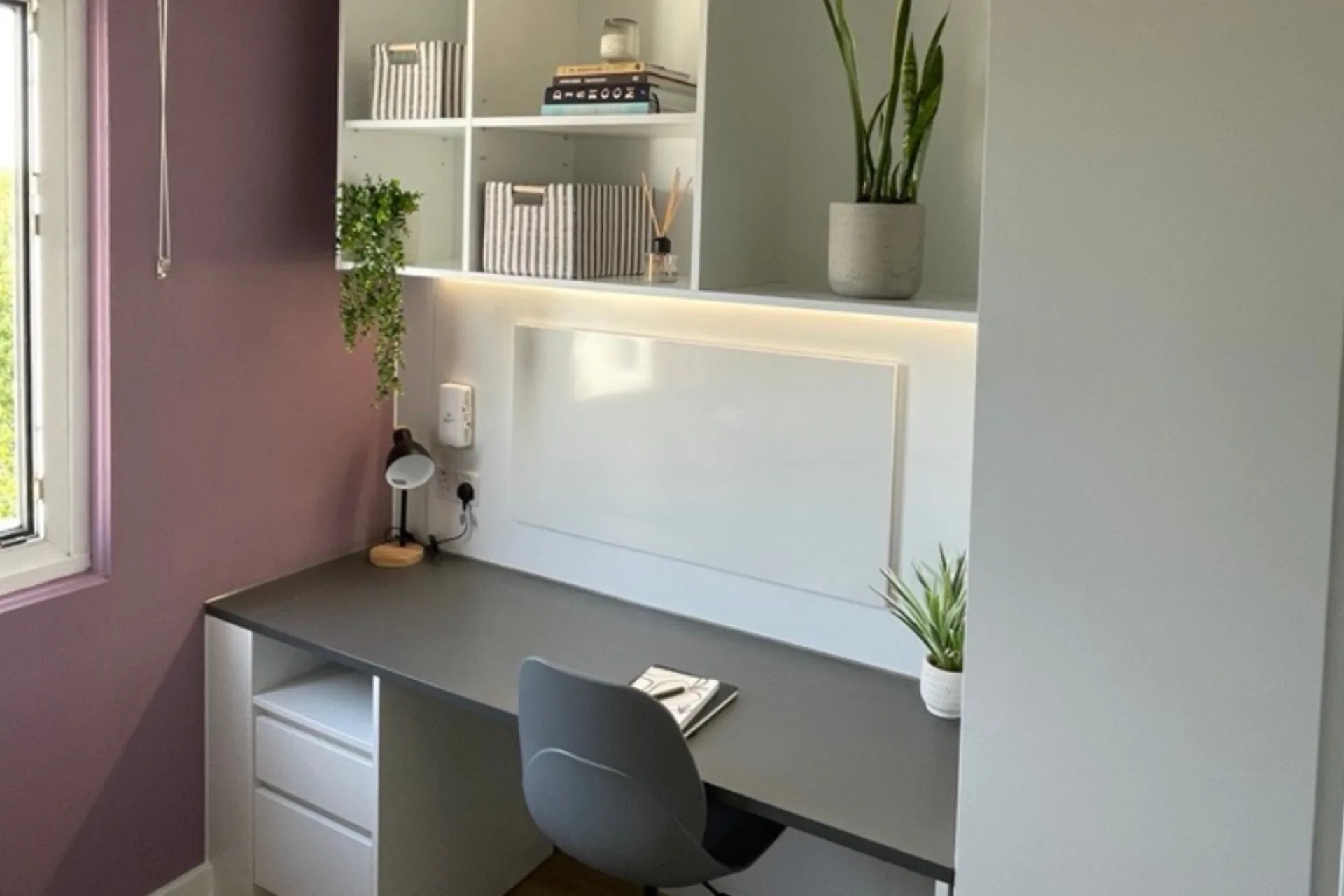
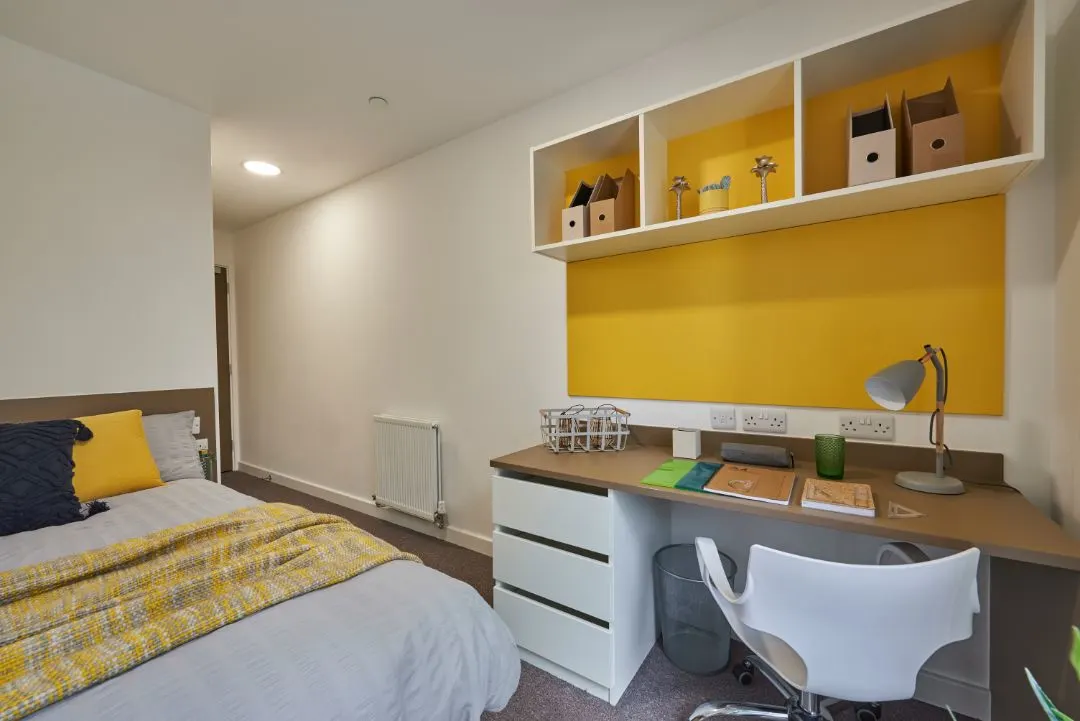
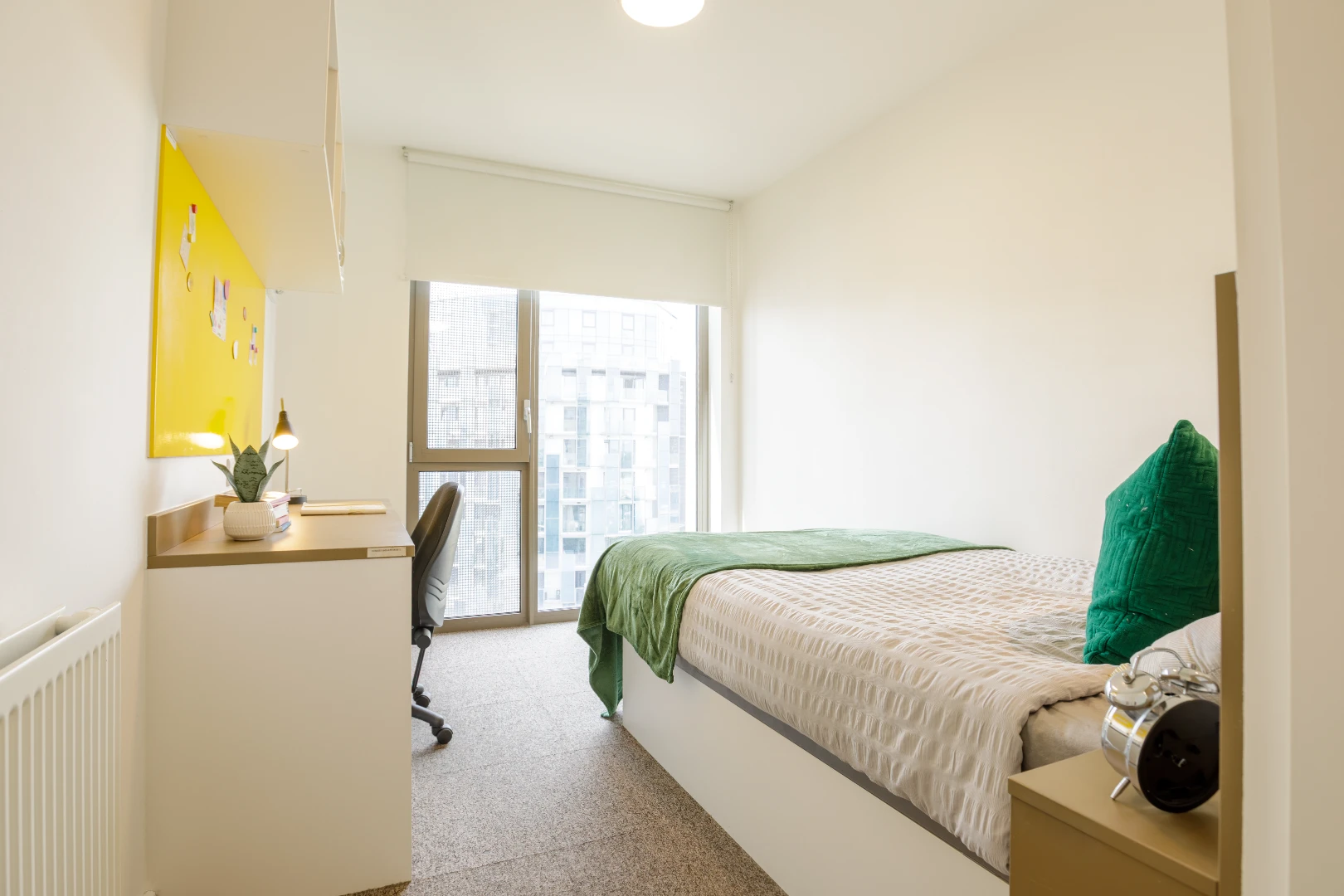
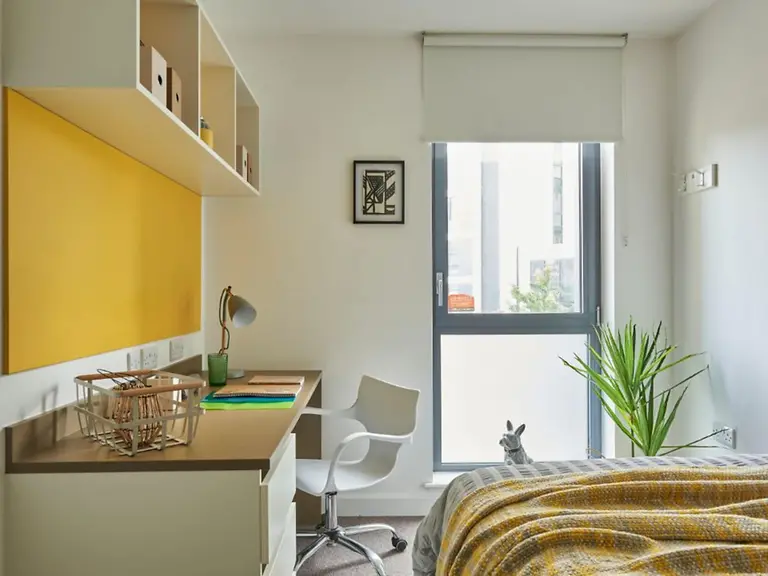
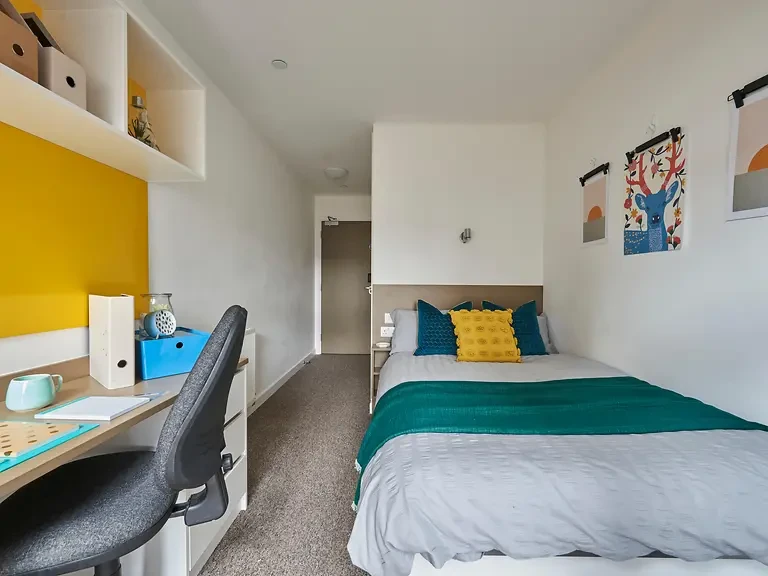
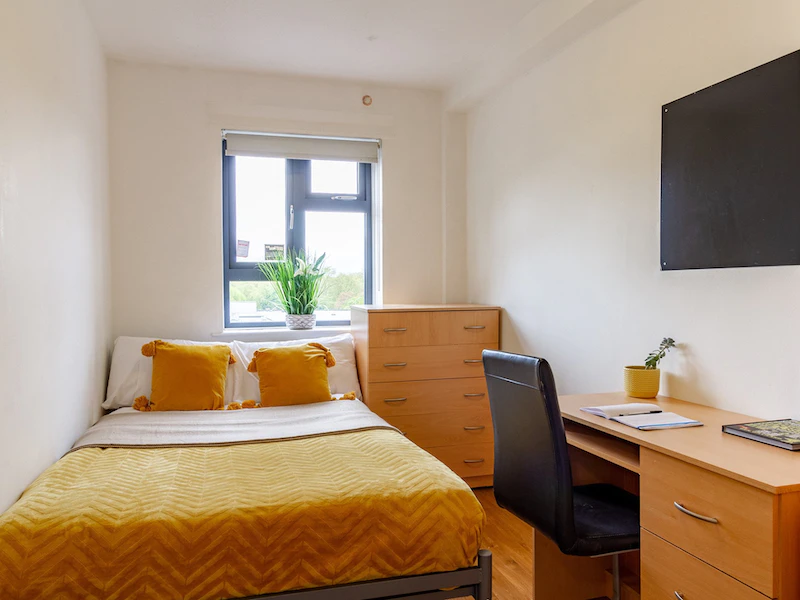
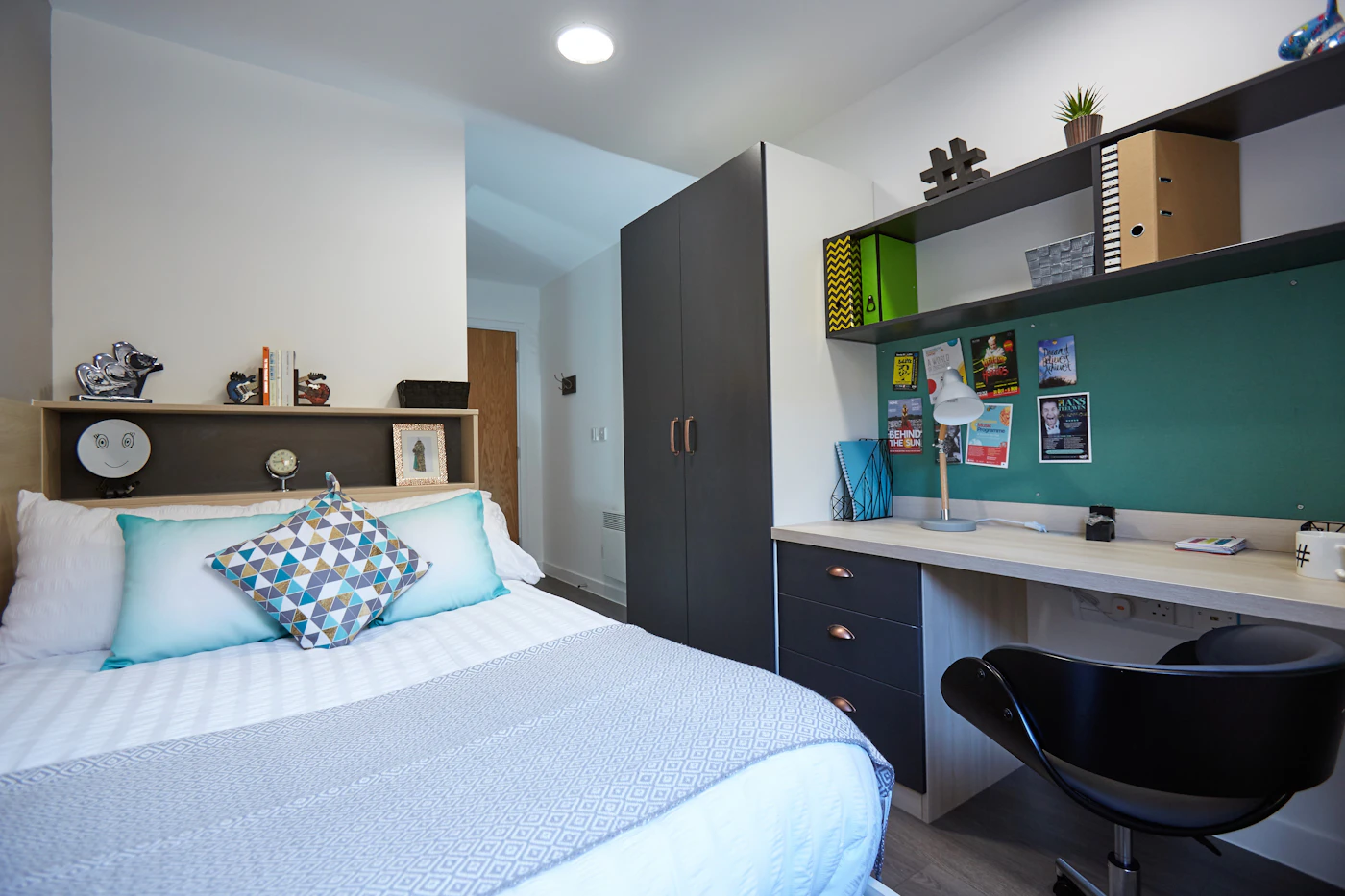
- Furnished rooms with a bed, desk, chair and storage
- On-site maintenance and managed repairs
- Secure entry, CCTV or staff presence
- Study rooms, common rooms or social spaces
- Fixed student contract dates
For an LCCA student, PBSA can remove a lot of London rental admin. It is especially helpful if you are an international student, moving to London for the first time, or studying a creative course where you want predictable space, Wi-Fi and access to campus without negotiating bills with flatmates.
PBSA vs private renting near LCCA
| Factor |
PBSA |
Private shared flat |
| Bills |
Usually included |
Usually separate |
| Furniture |
Usually included |
Usually included, but quality varies |
| Deposit |
Often lower or clearly structured |
Usually up to five weeks' rent |
| Guarantor |
Often required, but some providers offer alternatives |
Commonly required |
| Maintenance |
Managed through provider |
Depends on landlord or agent |
| Social life |
Easier to meet students |
Depends on flatmates |
| Flexibility |
Fixed contract lengths |
More variety, but more admin |
| Best for |
First-year, international or convenience-focused students |
Budget-focused or independent students |
If your budget allows, start with PBSA. Then compare private rooms only when you have a clear total cost including rent, bills, deposit, travel and any agency requirements.
Expected monthly budget for LCCA students
London budgets vary sharply by lifestyle. The table below gives realistic monthly planning figures for a student living near LCCA in 2026.
| Category |
Budget student |
Moderate student |
Higher-comfort student |
| Accommodation |
£1,080-£1,320 |
£1,300-£1,750 |
£1,800+ |
| Food and groceries |
£240 |
£380 |
£560 |
| Public transport |
£35-£75 |
£75-£172 |
£172+ |
| Mobile phone |
£10-£25 |
£25-£35 |
£35+ |
| Social, events and creative materials |
£120 |
£200 |
£300+ |
| Clothes and personal items |
£75 |
£120 |
£200+ |
Planning tip: convert weekly rent into monthly rent by multiplying by 4.33. A £308 per week room is roughly £1,334 per month before any extra fees.
Transport and commute tips
LCCA's East London locations are well connected. Useful stations include Tower Hill, Tower Gateway, Aldgate, Aldgate East, Whitechapel, Liverpool Street and Shadwell.
Common transport options:
- Walk: best if you live in Aldgate, Whitechapel, Tower Hill or Spitalfields.
- Tube: useful from Mile End, Bow, Stratford, Bethnal Green, Canada Water and central London.
- Elizabeth line: strong for Whitechapel, Stratford, Canary Wharf and west London.
- DLR: useful for Tower Gateway, Shadwell, Limehouse, Canary Wharf and Greenwich.
- Bus: often cheaper and direct, especially along Commercial Road and through East London.
- Cycle: practical for confident riders, but check secure bike storage before booking.
TfL fare caps can help control transport costs. In 2026, adult pay-as-you-go caps for Zones 1-2 are £8.90 daily and £44.70 Monday to Sunday, while Zones 1-3 are £10.50 daily and £52.50 weekly. If you travel most days, include this in your accommodation comparison.
Step-by-step booking timeline
9-12 months before your course starts
- Set your total monthly budget.
- Decide whether you want PBSA, a studio or a private shared room.
- Shortlist areas by commute to both Tower Hill and Aldgate/Whitechapel.
- Check whether your course schedule is likely to require frequent campus attendance.
6-9 months before arrival
- Compare PBSA buildings near Aldgate, Whitechapel, Mile End, Southwark and Stratford.
- Ask providers about contract length, payment plans and guarantor requirements.
- Save evidence of quoted rent and cancellation terms.
- Join official student groups only where moderation is clear.
3-6 months before arrival
- Book if the price, location and contract terms are right.
- Make sure your deposit or advance rent payment is receipted.
- Confirm what is included: bills, Wi-Fi, contents insurance, bedding, kitchen items and laundry.
- Plan your move-in route from the airport or station.
Final month
- Arrange arrival time and key collection.
- Photograph your room on move-in day.
- Complete the inventory and report damage quickly.
- Register with a GP and set up your student bank account if needed.
Scam prevention and safety
London's rental market is fast, which creates space for scams. Be careful if a listing asks for urgent payment, avoids viewings, refuses to provide a contract, or says the landlord is abroad and cannot verify the property.
Use this checklist before paying:
- Check the provider, landlord or agent name independently.
- Never pay to a personal account without a clear contract and receipt.
- Ask for a live video viewing if you cannot visit.
- Compare the rent with similar rooms nearby; extreme bargains are a warning sign.
- Make sure deposits are protected in an approved scheme for private tenancies.
- Do not send passport or visa documents through unsecured links.
- Check whether the address exists and whether photos are reused elsewhere.
PBSA is not automatically perfect, but a recognised accommodation provider with published policies is usually safer than an anonymous social media listing.
International student guide: Right to Rent
If you rent in England, your landlord or accommodation provider must check that you have the legal right to rent before your tenancy starts. British and Irish citizens can usually prove this with passport or citizenship documents. Many international students prove it with a share code from their UKVI account or with eligible immigration documents.
Before you book, prepare:
- Passport or national identity document
- Visa, eVisa or immigration status details
- University offer, CAS or enrolment evidence where relevant
- Share code if you need one
- Proof of funds or payment plan details
- UK guarantor details, or evidence for a guarantor replacement scheme
Do not leave Right to Rent checks until move-in day. If your documents are delayed, tell the accommodation provider early and ask what alternatives they accept.
Tenancy agreement cheat sheet
Read the contract before paying more than a refundable holding deposit or booking fee. Focus on the terms that affect your money and your ability to leave.
| Contract term |
What it means |
What to ask |
| Rent |
Your main housing payment |
Is it weekly or monthly? Are bills included? |
| Contract length |
How long you are liable for rent |
Is it 42, 44, 51 or 52 weeks? |
| Deposit |
Money held against damage or unpaid rent |
Is it protected and when is it returned? |
| Guarantor |
Person or service backing your rent |
Can international guarantors be used? |
| Cancellation |
Rules if plans change |
What happens if your visa or course offer changes? |
| Inventory |
Record of room condition |
Can you add photos after moving in? |
| Guests |
Visitor and overnight rules |
Are there limits during assessment periods? |
| Maintenance |
Repairs process |
What is the target response time? |
What to pack vs what is usually provided
Most student rooms provide furniture, but they do not always include everyday items.
| Usually provided |
Usually bring or buy |
| Bed and mattress |
Bedding and pillows |
| Desk and chair |
Towels |
| Wardrobe or storage |
Kitchen utensils |
| Basic Wi-Fi |
Extension lead with surge protection |
| Shared kitchen appliances |
Laundry basket |
| Secure entry |
Clothes hangers |
| Heating and lighting |
First-week groceries |
Creative students should also budget for course-specific supplies. Fashion, design and games students may need sketchbooks, storage, materials, software subscriptions, external drives or specialist equipment depending on module requirements.
Accessibility and special requirements
If you need an accessible room, step-free access, a quieter floor, medical fridge space, adapted bathroom, support animal discussion or proximity to lifts, ask early. Central London buildings can have very different layouts, and older buildings may have constraints that are not obvious from photos.
Ask accommodation teams:
- Is the route from entrance to room step-free?
- Are lifts available at all times?
- Can emergency evacuation plans be adjusted?
- Is there space for mobility equipment?
- Are accessible rooms available for the full contract length?
- Can reasonable adjustments be documented before arrival?
Also contact LCCA student support early if accommodation affects attendance, studio access or assessment needs.
Best-fit recommendations
Choose Aldgate or Whitechapel PBSA if you want the smoothest move and easiest campus access.
Choose Mile End, Bow or Bethnal Green if you want East London energy with slightly better value.
Choose Stratford if transport links, shopping and modern buildings matter more than walking distance.
Choose Canada Water, Greenwich or Deptford if you want to explore lower-cost options and are comfortable commuting.
For LCCA, the strongest accommodation strategy is simple: secure a reliable, well-connected room first, then optimise for lifestyle. London rewards students who book early, check contracts carefully and calculate the full monthly cost before committing.