Quick reality check: what your housing search should focus on
GISMA Business School London is positioned as a city-centre, short-course campus with a strong focus on executive and short-term education in London. Its official pages describe a central hub close to transport links and the business district, but do not advertise dedicated halls of residence at the London campus.
If you are coming for a short course, housing is usually solved through private rentals, serviced apartments, or short-term student housing platforms.
Where is GISMA London and what does that mean for housing?
Gisma highlights that its London location is in the heart of London with easy access to central amenities and transport. In practical terms, this usually means you should treat housing search around zones 1 and 2 first, then expand to zone 3 only if budget is tight.
Expect the same London realities:
- High demand and quick price movement, especially in central neighborhoods.
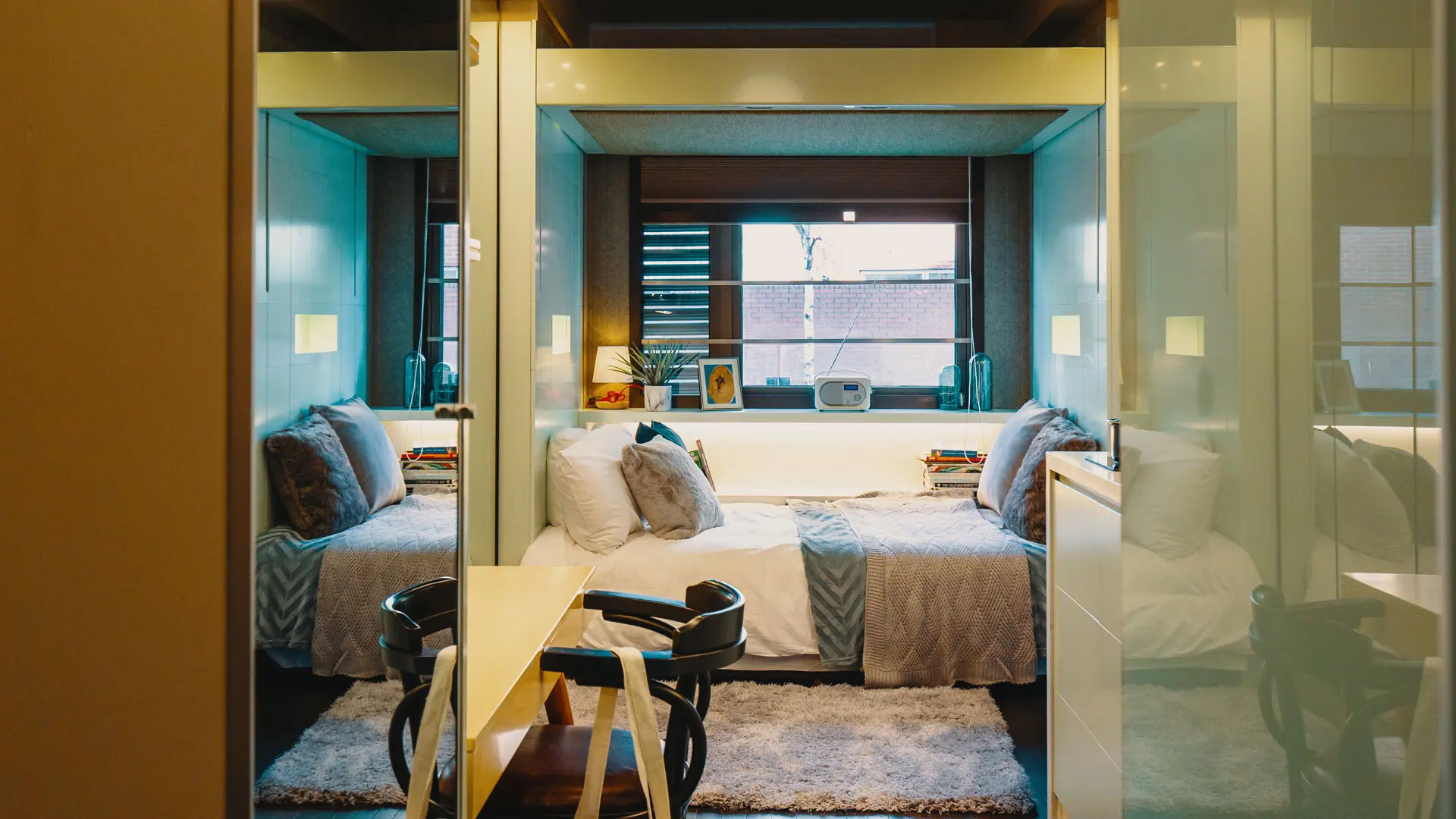
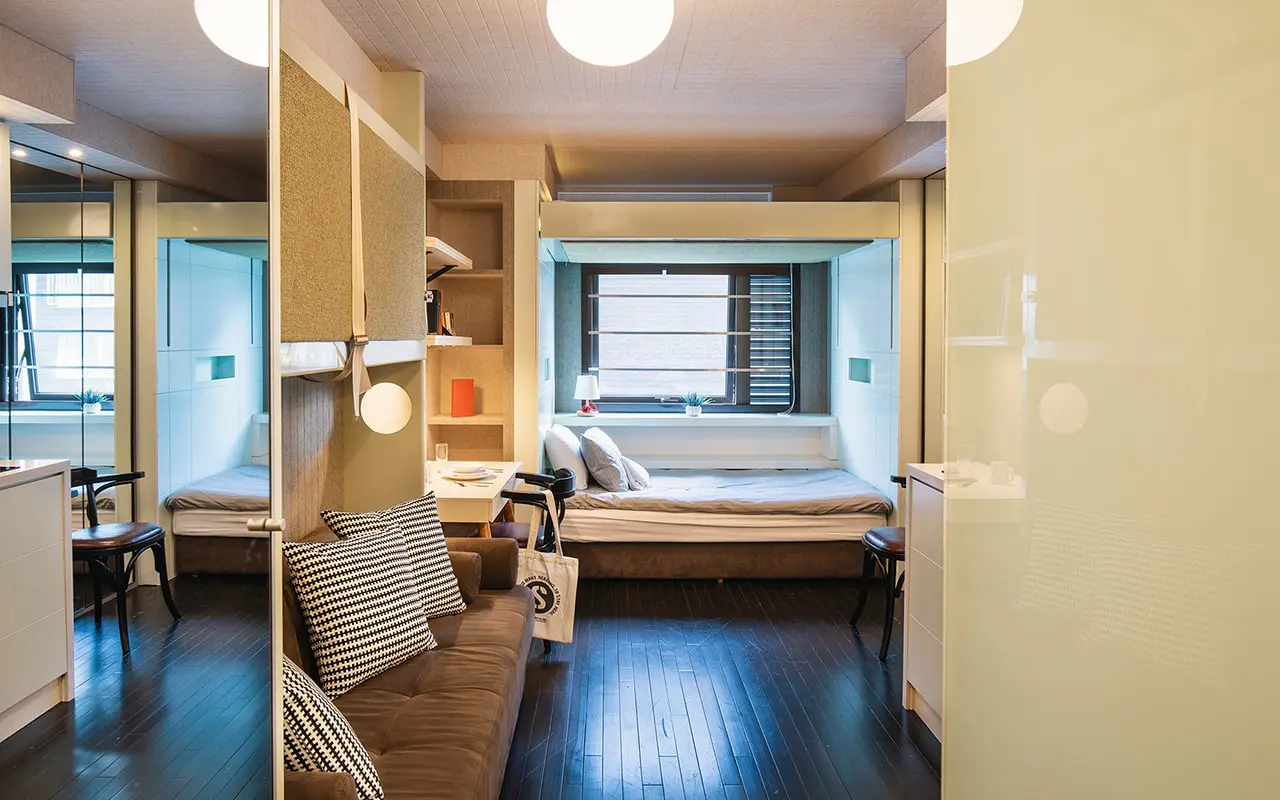
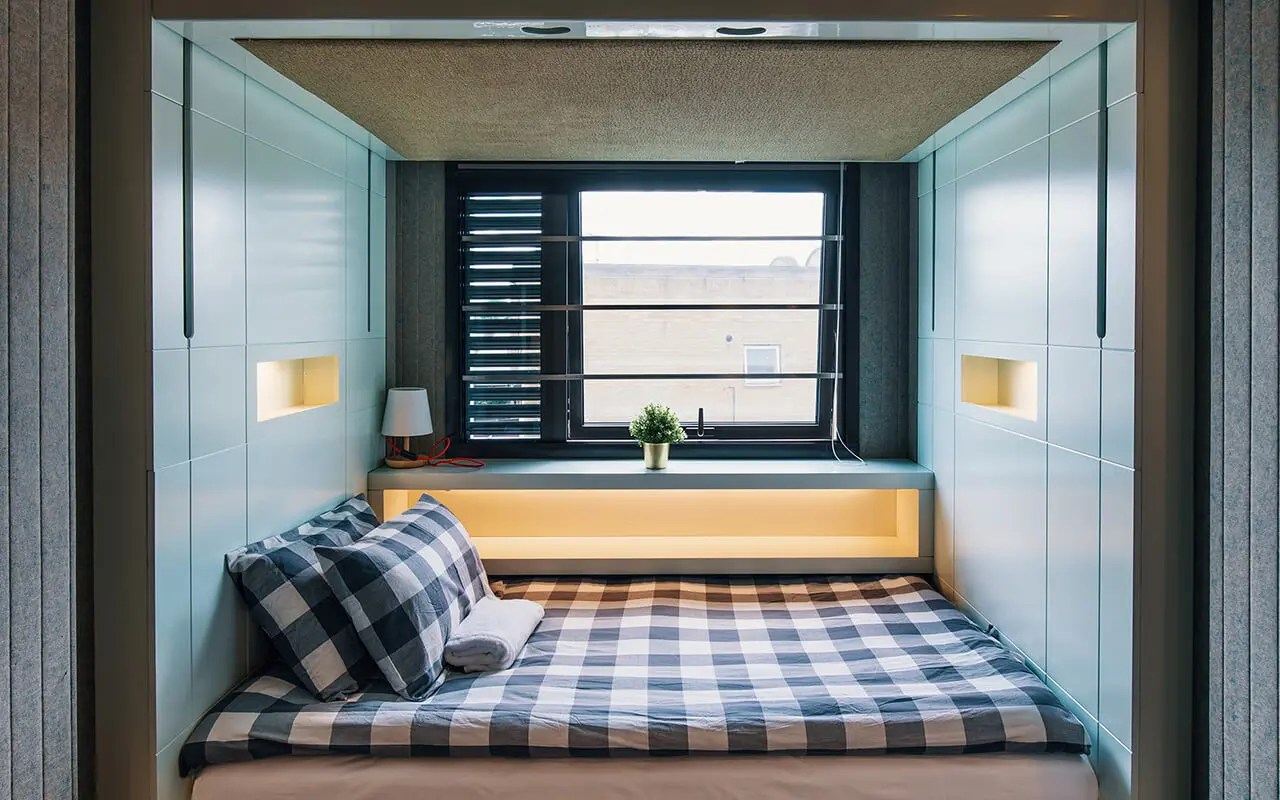
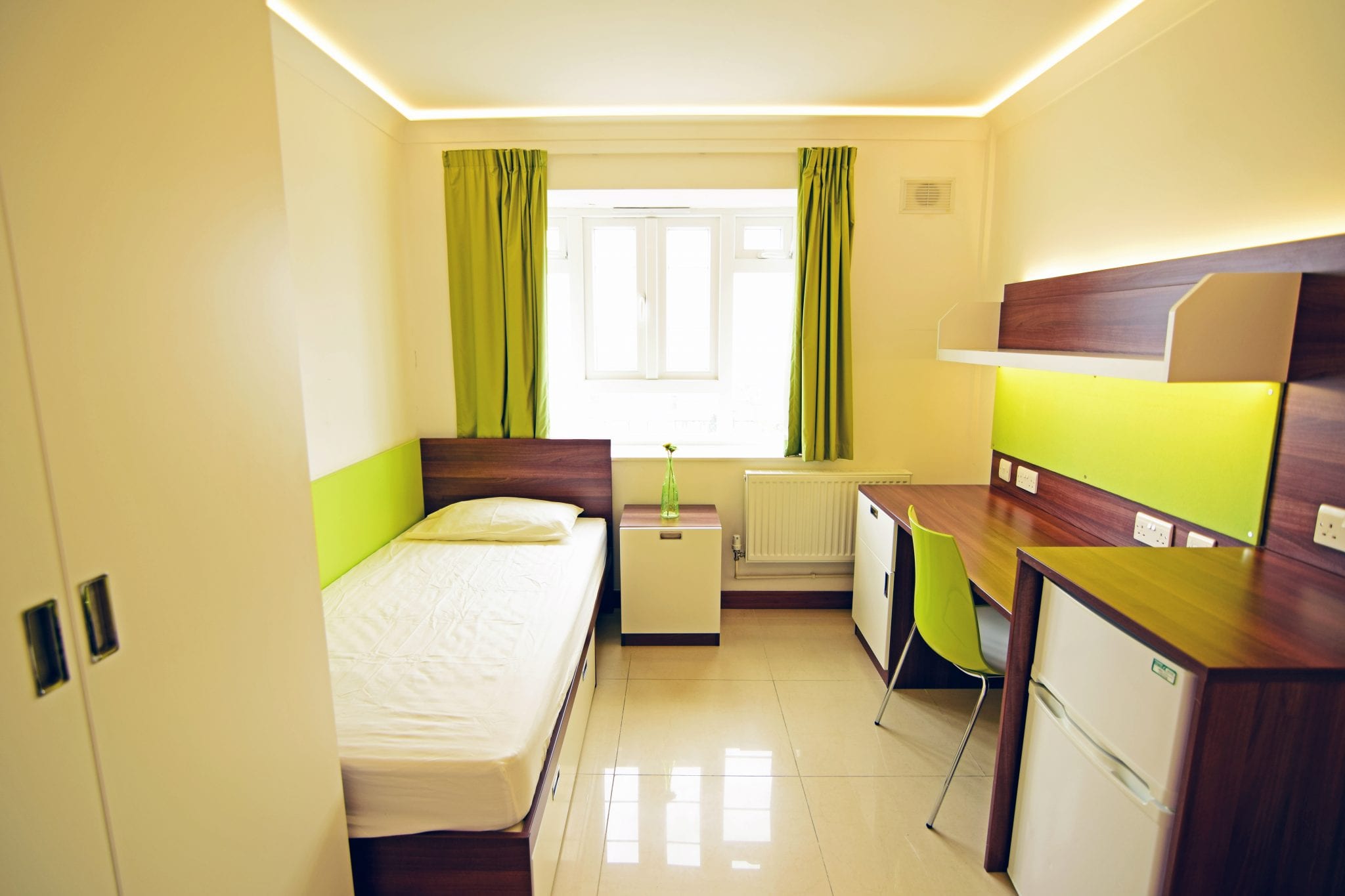
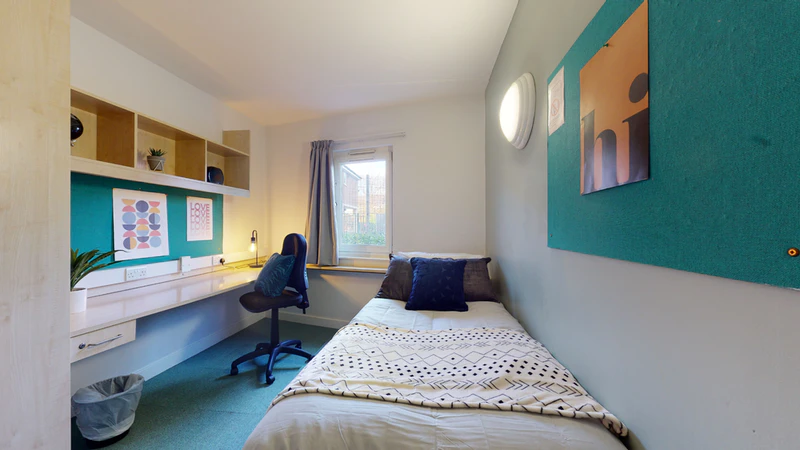
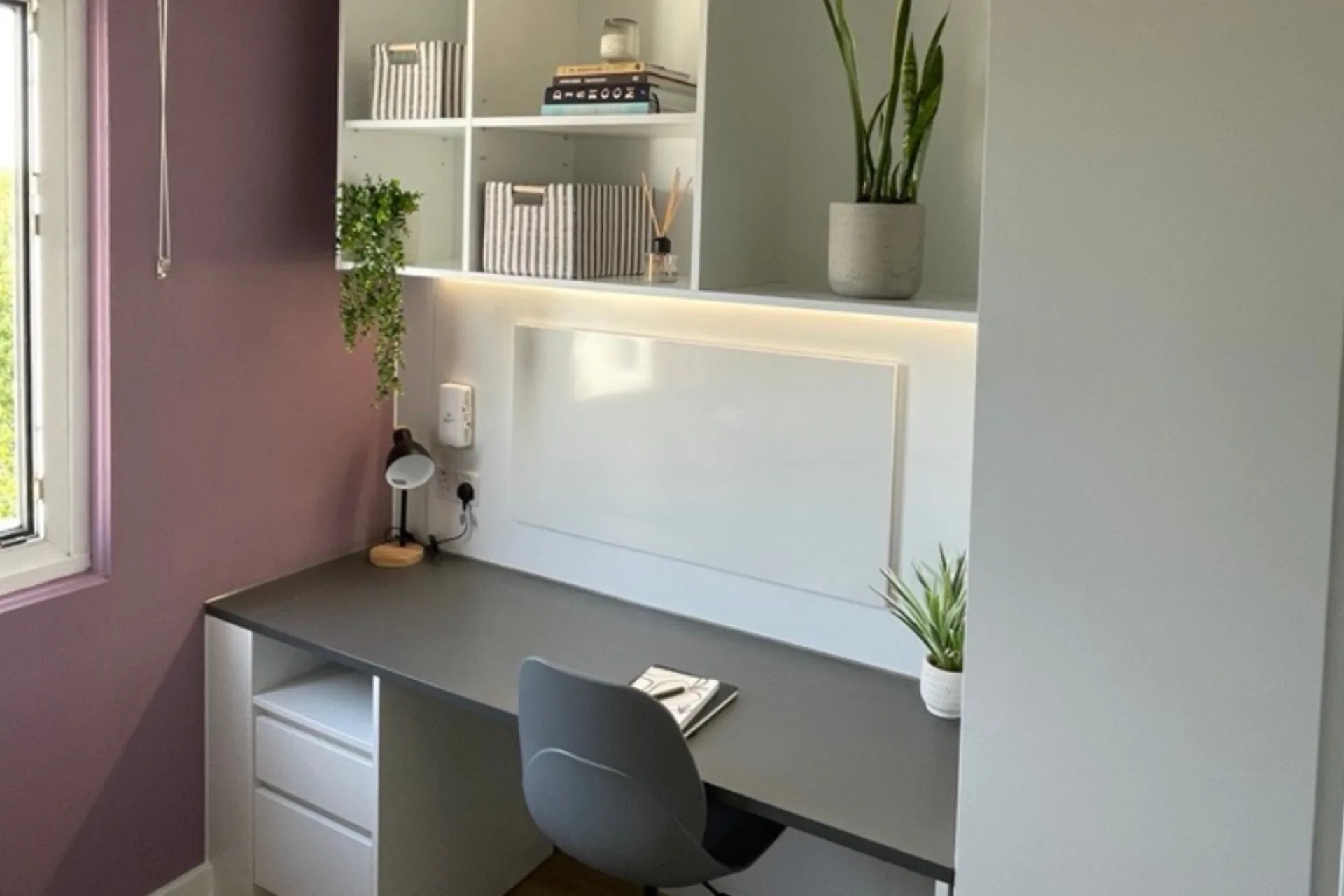
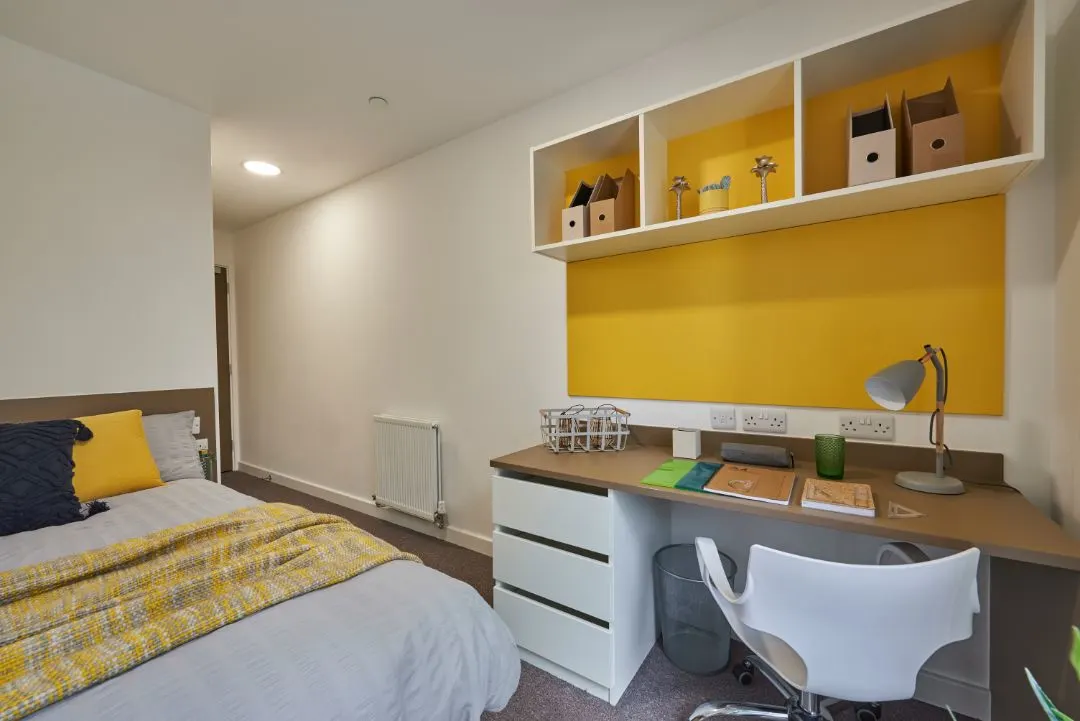
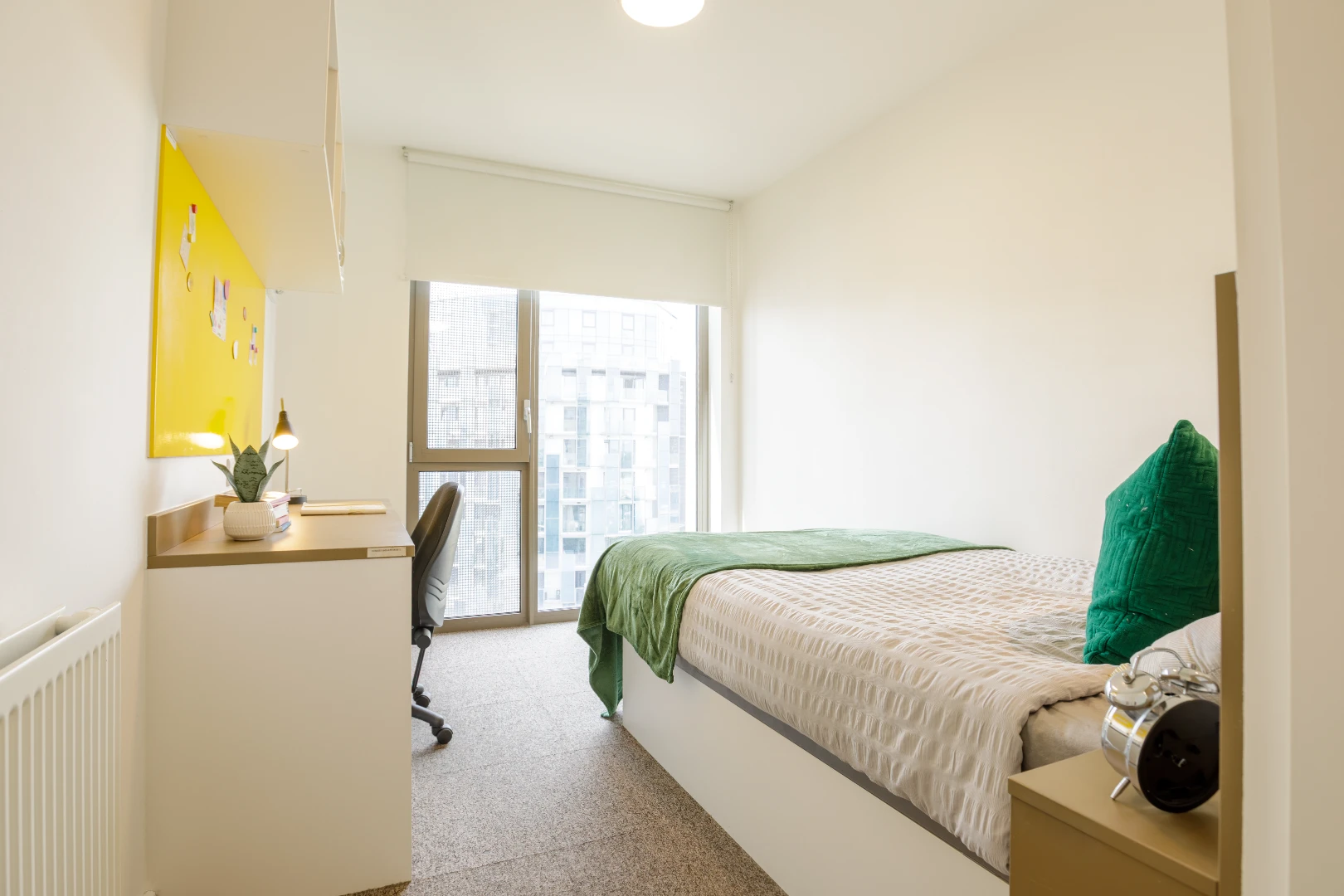
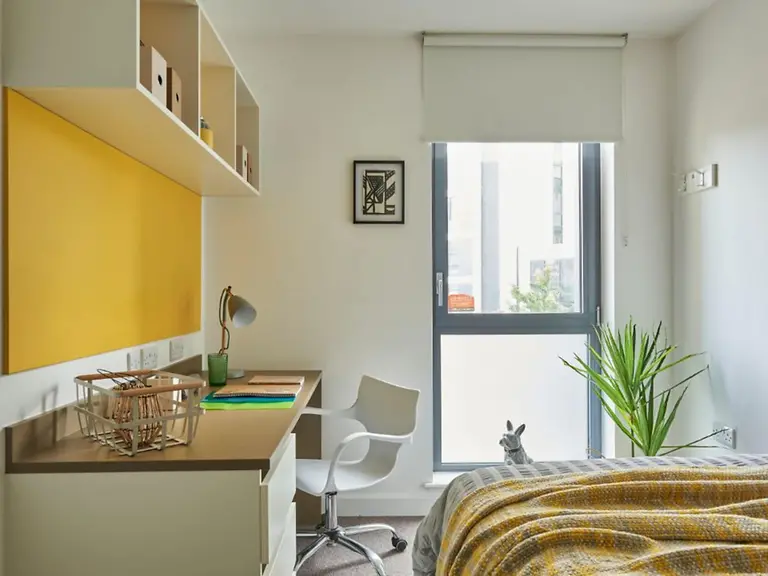
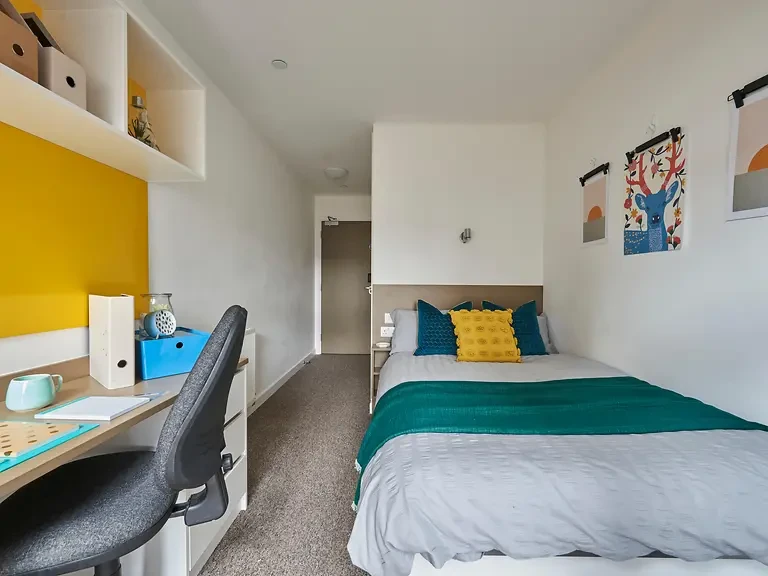
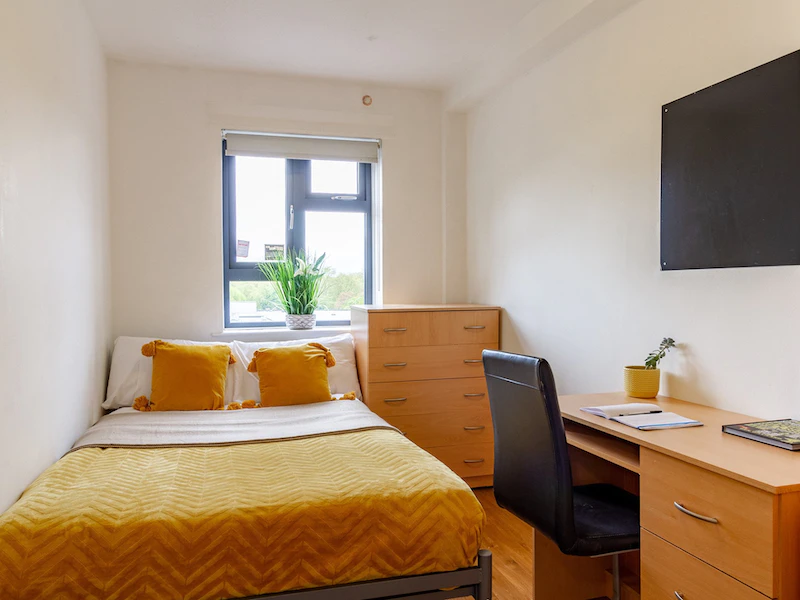
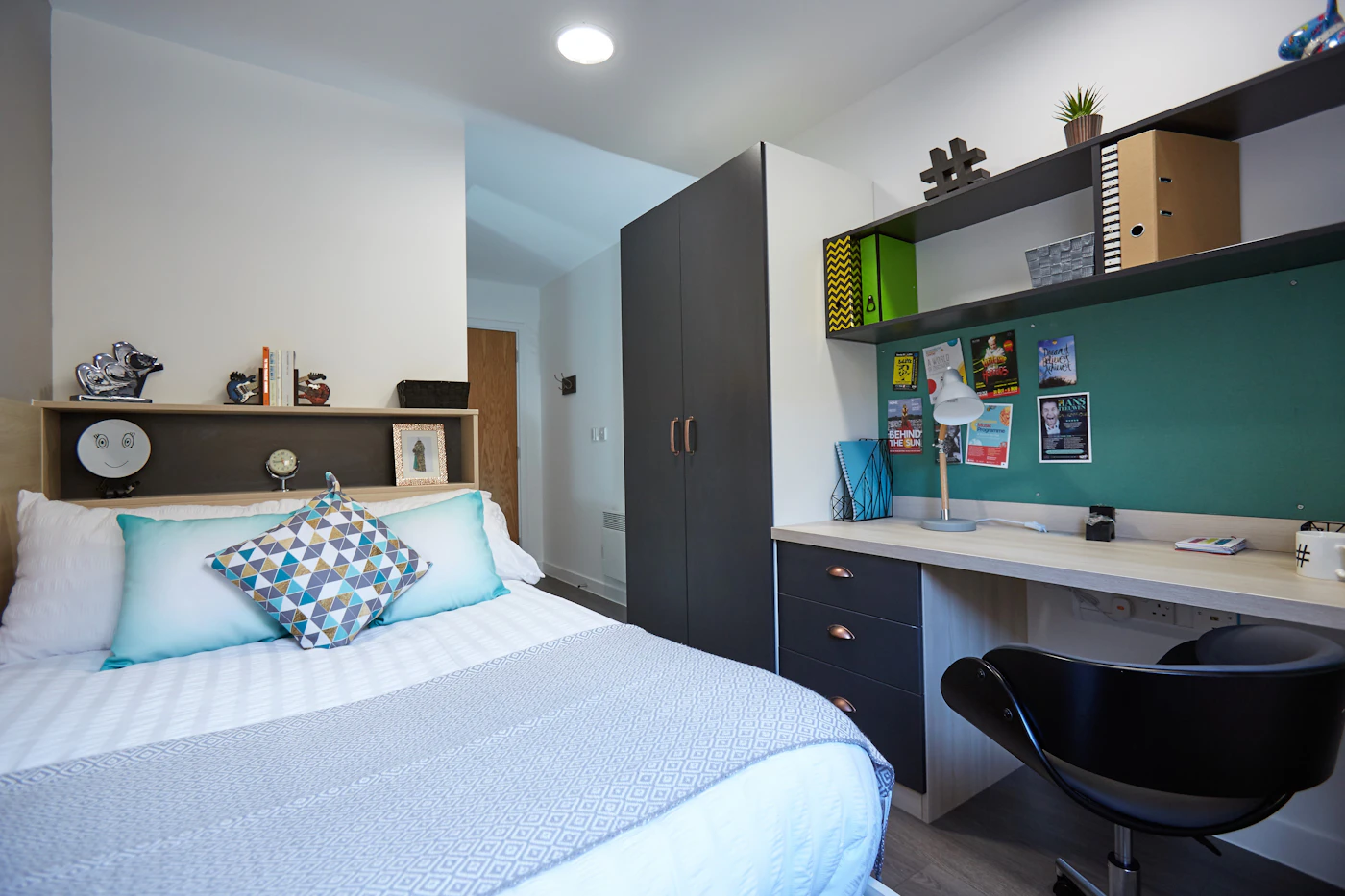
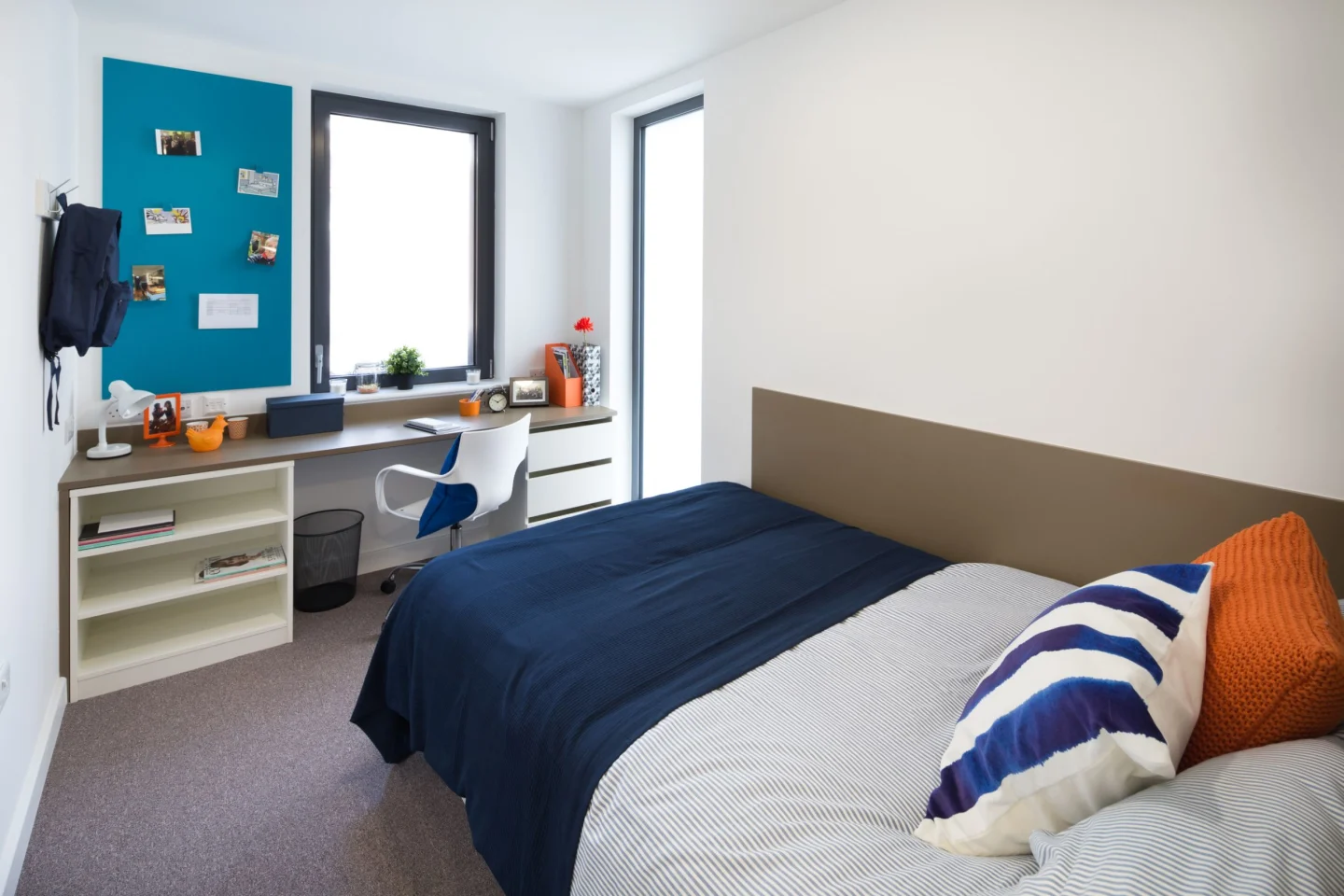
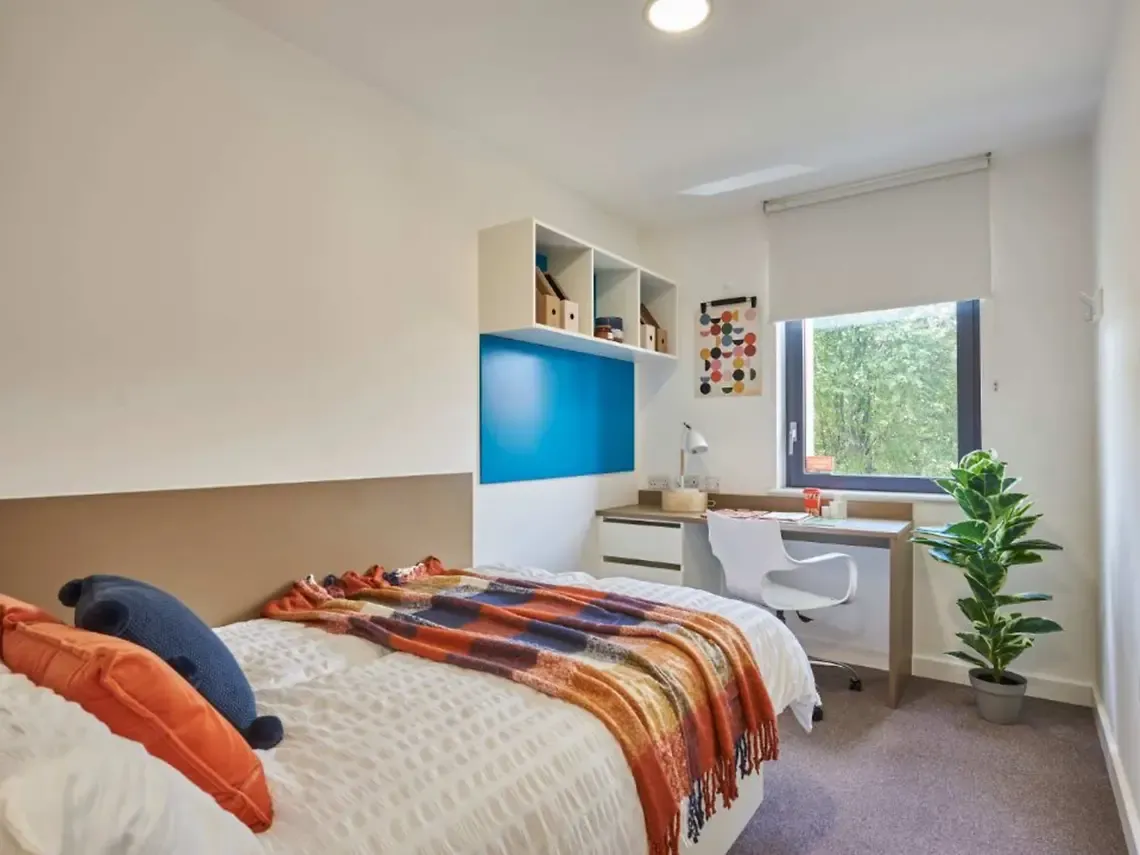
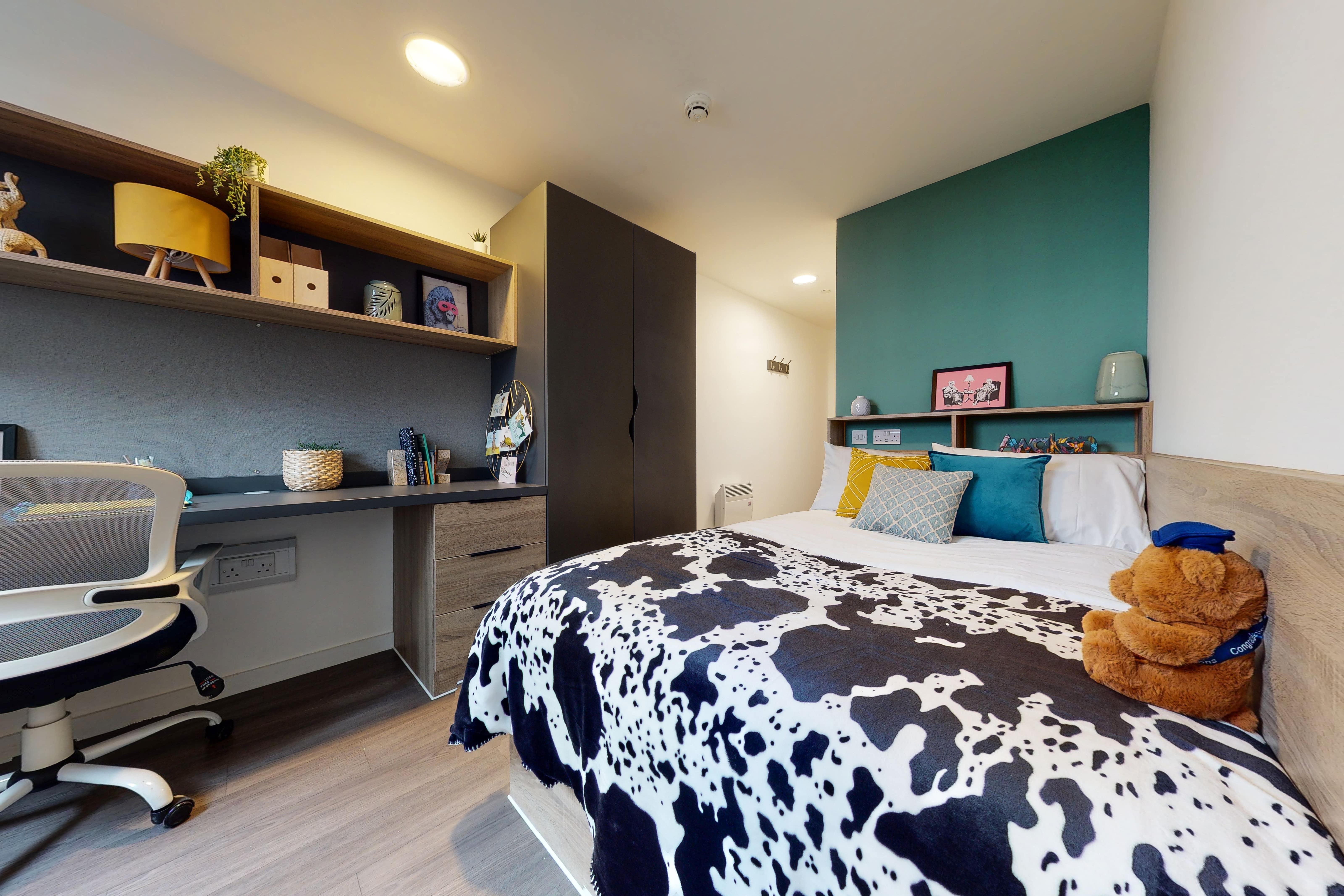
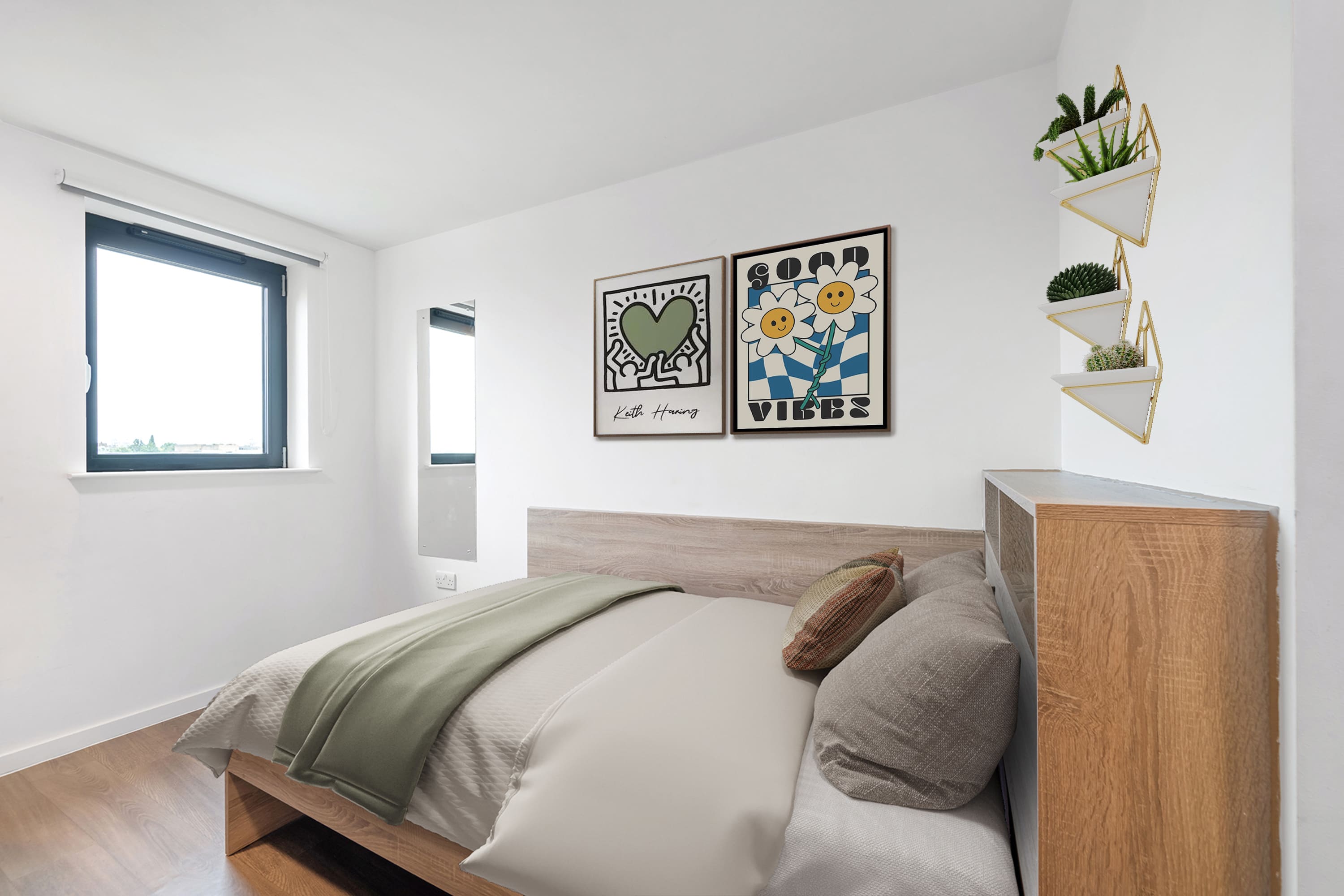
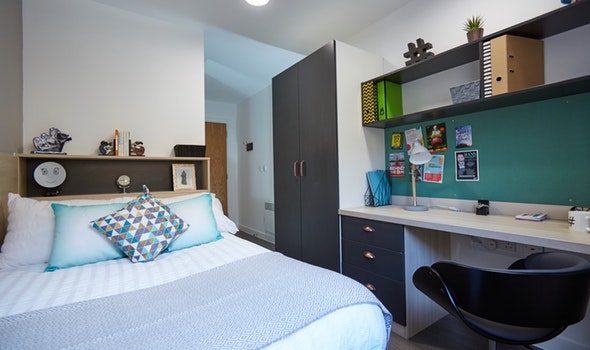
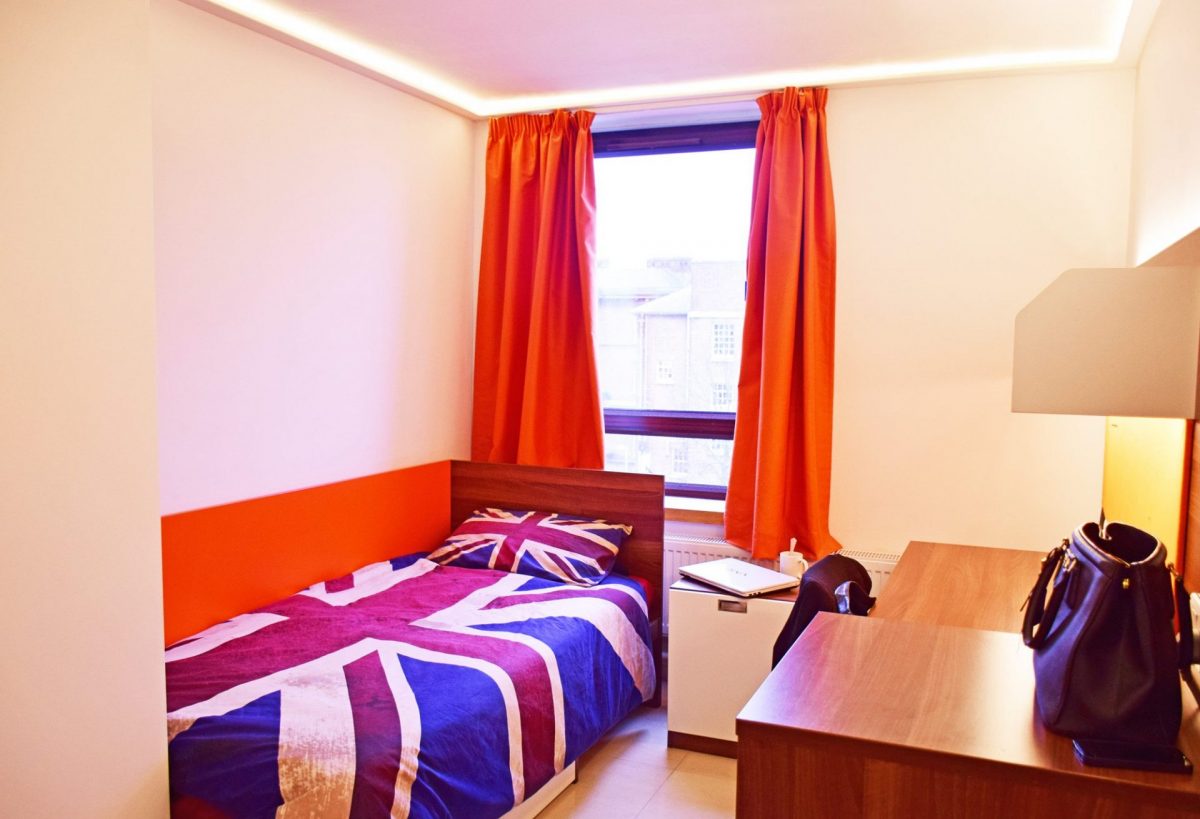
- Strong focus on short-term, furnished room or studio solutions for many short-course students.
- No guaranteed on-campus residence package for all London students from the official accommodation page.
Priority accommodation options near GISMA London
| Option type |
Typical profile |
Best for |
Typical downside |
| Private room in shared apartment |
Students preferring lower upfront cost |
Newcomers and single applicants |
More coordination with roommates + deposit and references |
| Studio / 1BR apartment |
Professional trainees and short-course students |
Privacy and a predictable routine |
Higher monthly rent, utilities may be separate |
| Serviced student/residency apartments |
Those needing move-in certainty for short stay |
No-fuss check-in, furnished rooms, flexible terms |
Higher weekly/monthly rates |
| Hotels / short-stay residences |
Courses of only a few weeks |
Fast booking and short stay flexibility |
Usually expensive if staying more than 3–4 weeks |
GISMA support you should use early
Gisma’s official student support pages confirm accommodation advisory help and airport pickup support as standard post-offer support services. Use this before committing to deposits:
- Email accommodation@gisma.com to start a structured housing search.
- Ask whether GISMA can screen potential properties, and whether any partner recommendations are currently available.
- For students worried about moving logistics, confirm whether airport support is included for your programme.
Tip: Start accommodation planning as soon as you receive your visa and flight booking status, not after arrival.
Best London neighborhoods to target for GISMA students
Because GISMA positions the campus in central London, students commonly prioritize areas with short commute and strong tube/bus links.
- City of London / Aldgate / Farringdon corridor – strongest for proximity to business/transport, pricier
- Shoreditch / Hoxton – short-term room sharing and serviced options are common
- Southbank / Waterloo axis – strong nightlife and transit connectivity
- Clapham / Battersea for suburban strategy – a little farther out, often cheaper for studios
Use these as starting zones, not guaranteed GISMA districts.
Step-by-step timeline for housing (short-course focused)
1) Before offer
- Choose intake window (course dates are your top constraint)
- Prepare your housing budget across city-centre and suburban options
- Start checking visa, programme dates, and arrival flight lead times
2) After offer + visa
- Contact GISMA accommodation support to begin advisor-led search.
- Shortlist 4–6 properties/rooms you can visit virtually.
- Ask for photos, tenancy draft, and references timeline.
3) 6–8 weeks before arrival
- Put deposits on hold only after written confirmation.
- Verify landlord identity and registration/letting legitimacy.
- Check utility responsibilities and contract end date relative to course end.
4) 3–4 weeks before arrival
- Finalize contract, confirm deposit method and amount.
- Confirm transport passes (Oyster/contactless setup if needed).
- Share arrival logistics with support contact if airport transfer is needed.
5) After arrival
- Inspect property before move-in.
- Record photos/videos and inventory notes.
- Verify lock type, fire safety equipment, and key access before first payment.
Transport and daily mobility in London
For students in central London, public transport costs are usually manageable with pay-as-you-go capping:
- Zone 1 only / Zone 1–2: adult cap £8.90/day and £44.70/week when using pay-as-you-go Oyster/contactless.
- Bus and tram cap: £1.75/day and £5.25/week.
- For mixed tube + bus travel, daily caps usually beat fragmented single tickets.
Most students use Zones 1–2 for day-to-day life, with occasional zone stretches if they stay outside the centre.
Scam prevention checklist
UK students often encounter rushed offers in London’s rental market. Use this checklist:
- Never pay any large amount to an unverified private account.
- Insist on:
- A real, signed tenancy agreement with property address.
- Proof of landlord/agent authority to let.
- A clear inventory and utility clause.
- Check whether deposit will be protected in a government-backed tenancy deposit scheme.
- Avoid agents who refuse to provide landlord identity or legal property documents.
Right to Rent + tenancy safety for international students
In England, private renters generally need to provide right-to-rent proof unless the accommodation is exempt (like certain student halls). Gisma students coming from non-EU countries should align visa validity with housing documents.
Tenant essentials checklist (quick)
- Keep passport/visa status documents ready.
- Confirm right-to-rent method accepted by the landlord.
- Ask for EPC/energy, gas safety, and utility billing basics before signing.
- Request that the deposit is protected in a UK-approved scheme.
International practical checklist: what to pack vs what’s not provided
| What to bring |
Why it helps |
| Power adapter, extension leads, travel mug |
Avoid first-week delays |
| Local SIM or unlocked phone + eSIM setup |
Saves commuting and communication hassle |
| Basic kitchen items (kettle, mug, cutlery set) |
Useful even in fully furnished places |
| Professional documents folder (passport, visa, insurance) |
Needed for checks and contracts |
What’s usually not provided
- Most private rentals and short-stay apartments do not include fixed furniture setup for every room.
- Energy and broadband responsibilities vary by contract.
- Insurance is normally not included by default.
Accessibility and special requirements
If mobility access matters for your student, screen each property for:
- Step-free access and ground-floor entry
- Lift operation reliability
- Distance to bus/tram/Tube stations
- Quiet hours and support during check-in
If support is required, ask for these before booking:
- Ground-floor room preference and accessible entry
- Early assistance during move-in
- Contact channels in case of emergency
Should you choose city-centre or suburban housing?
- Choose city-centre if your learning, networking, and evening classes are priority.
- Choose suburban if rent control is the first priority and you can accept longer commute.
For short-course students, most teams prioritise reliability over cheapest price, since logistics directly affect attendance and safety.
Use a single principle:
Get written confirmation early and sign only when the contract, deposit protection, and transport plan are clear.