Overview
Pompeu Fabra University (UPF) is an urban Barcelona university with teaching spread across the Ciutadella, Poblenou, and Mar campuses, plus additional buildings in the city. That makes accommodation less about living "on campus" and more about choosing the right part of Barcelona for your timetable, budget, and commute.
UPF does not directly provide student accommodation, but it does recommend housing options and works with several residence halls and related services. For most students, the best approach is to focus on a short commute, good metro access, and a room type that matches how long you plan to stay.
Best areas to live
Barcelona gives UPF students several strong housing bases. The right neighborhood depends on which campus you use most often.
| Area |
Best for |
Why students choose it |
Commute feel |
| El Born / Ciutat Vella |
Ciutadella and central UPF buildings |
Historic streets, central location, easy city access |
Good for walking, cycling, and short public-transport hops |
| Poblenou |
Poblenou campus and some Mar-campus routines |
Modern streets, student-friendly feel, strong local rental supply |
One of the most practical bases for daily campus travel |
| Vila Olímpica / Barceloneta |
Ciutadella and Mar campuses |
Close to the sea, popular with students, easy to understand layout |
Very convenient if you want a shorter commute and city-beach balance |
| Sant Antoni |
Students who want central living without being right in the tourist core |
Strong transport links and lots of everyday services |
Useful if you split time across different UPF sites |
| Eixample |
Broad option for mixed-campus schedules |
Good choice when you want transport choice and a wide range of flats |
Usually simple to reach most central Barcelona destinations |
| Clot / Glòries |
Poblenou-focused students who want a more practical budget base |
Good value relative to the central core and useful transit links |
A sensible compromise for longer stays |
Housing options UPF students use
UPF's own accommodation guidance points students toward residences and other housing services rather than a university-owned housing block. The most common options are:
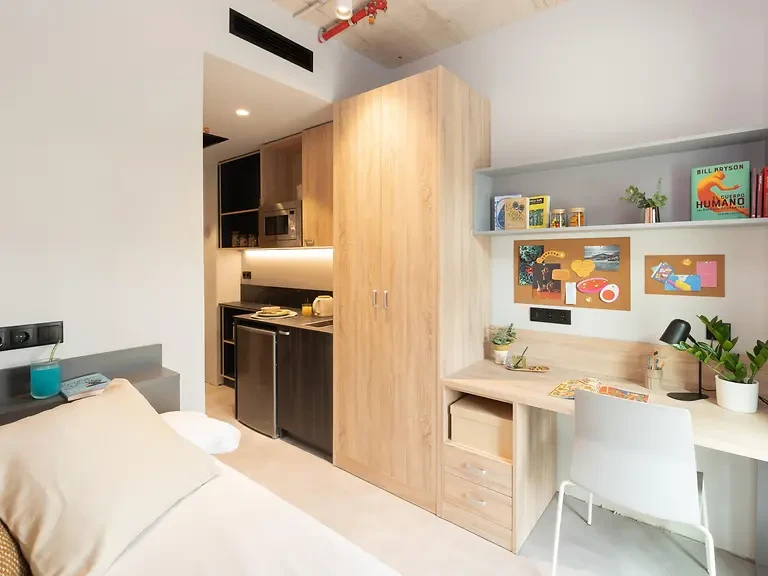
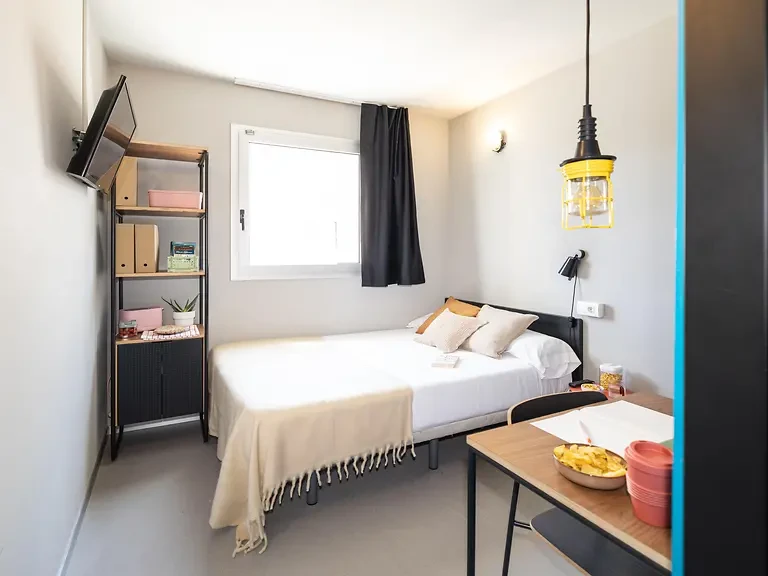
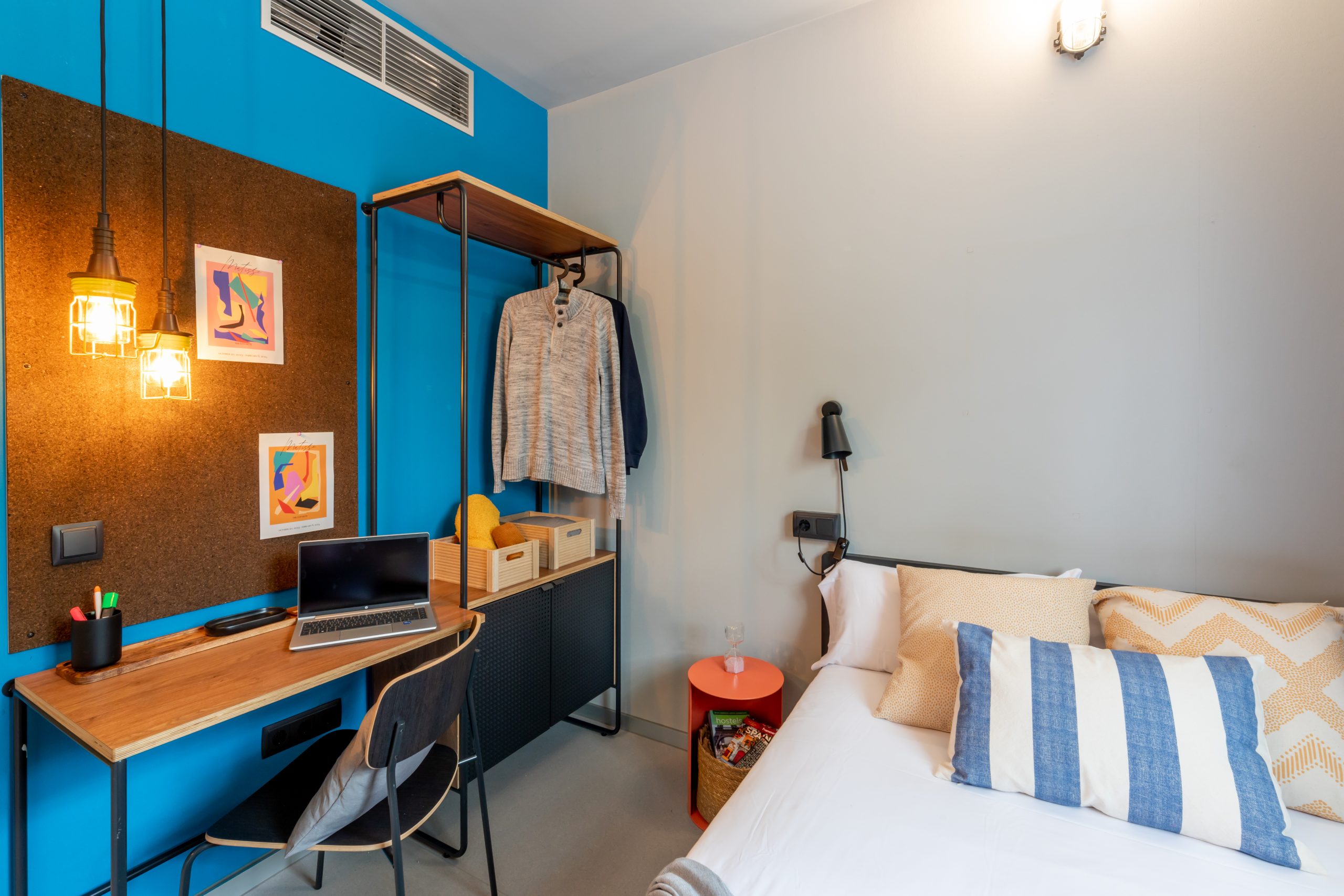
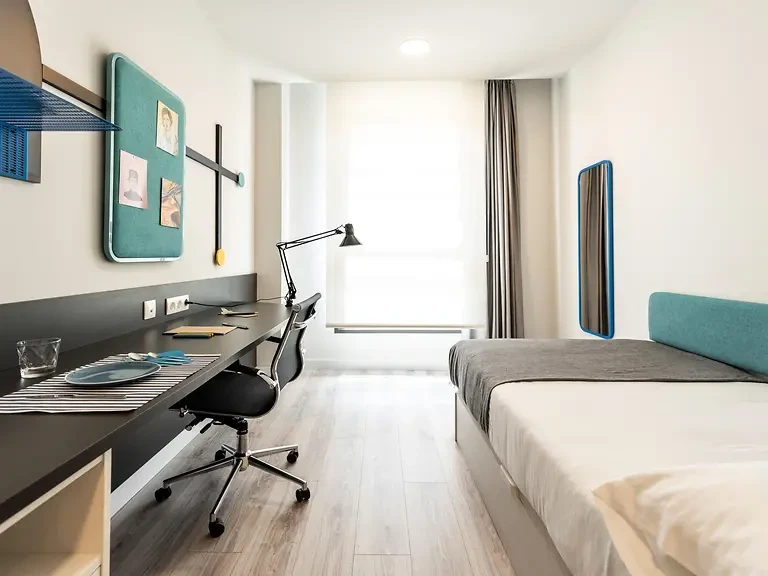
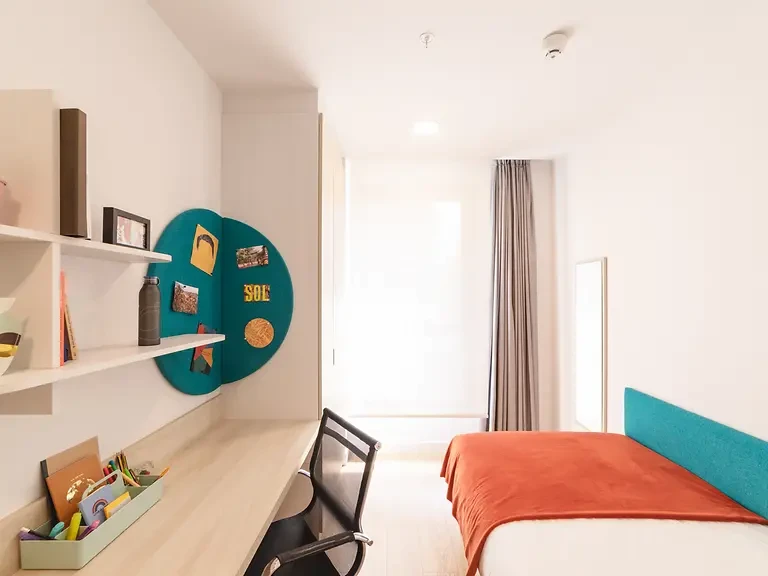
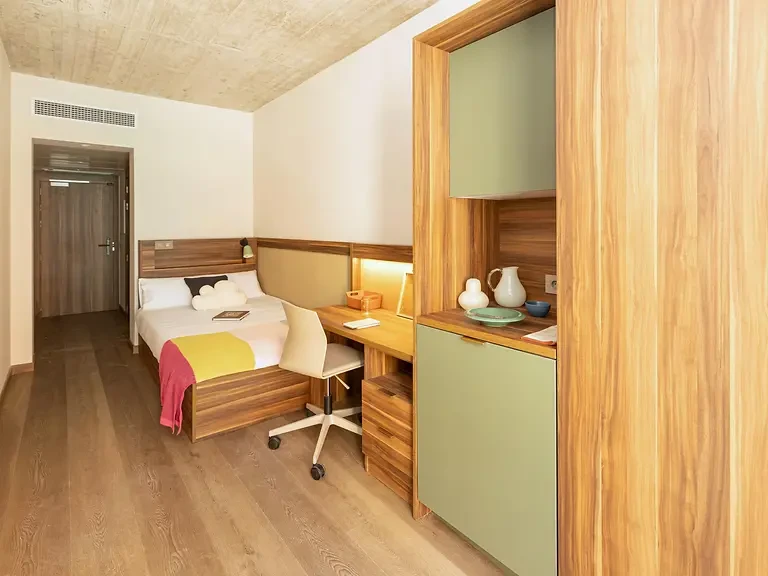
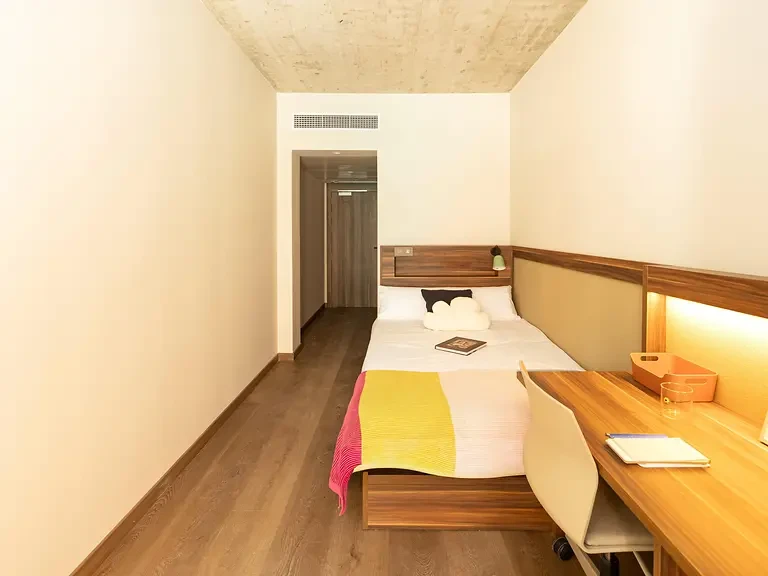
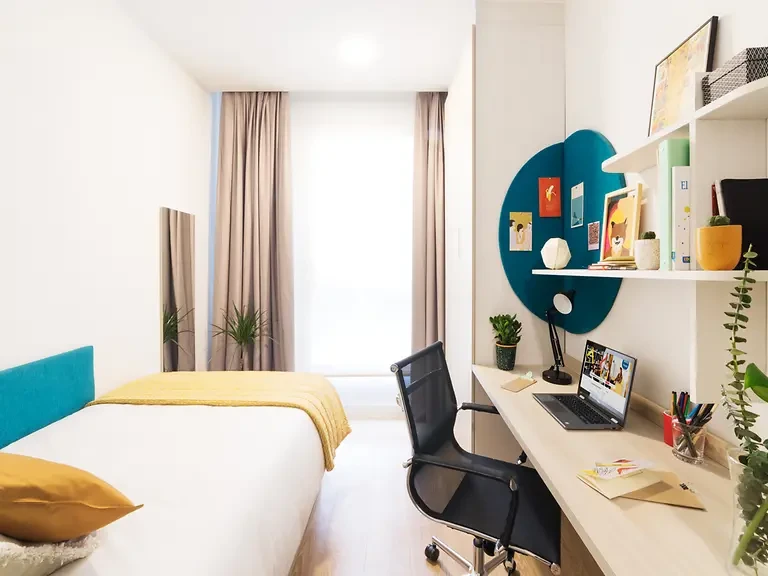
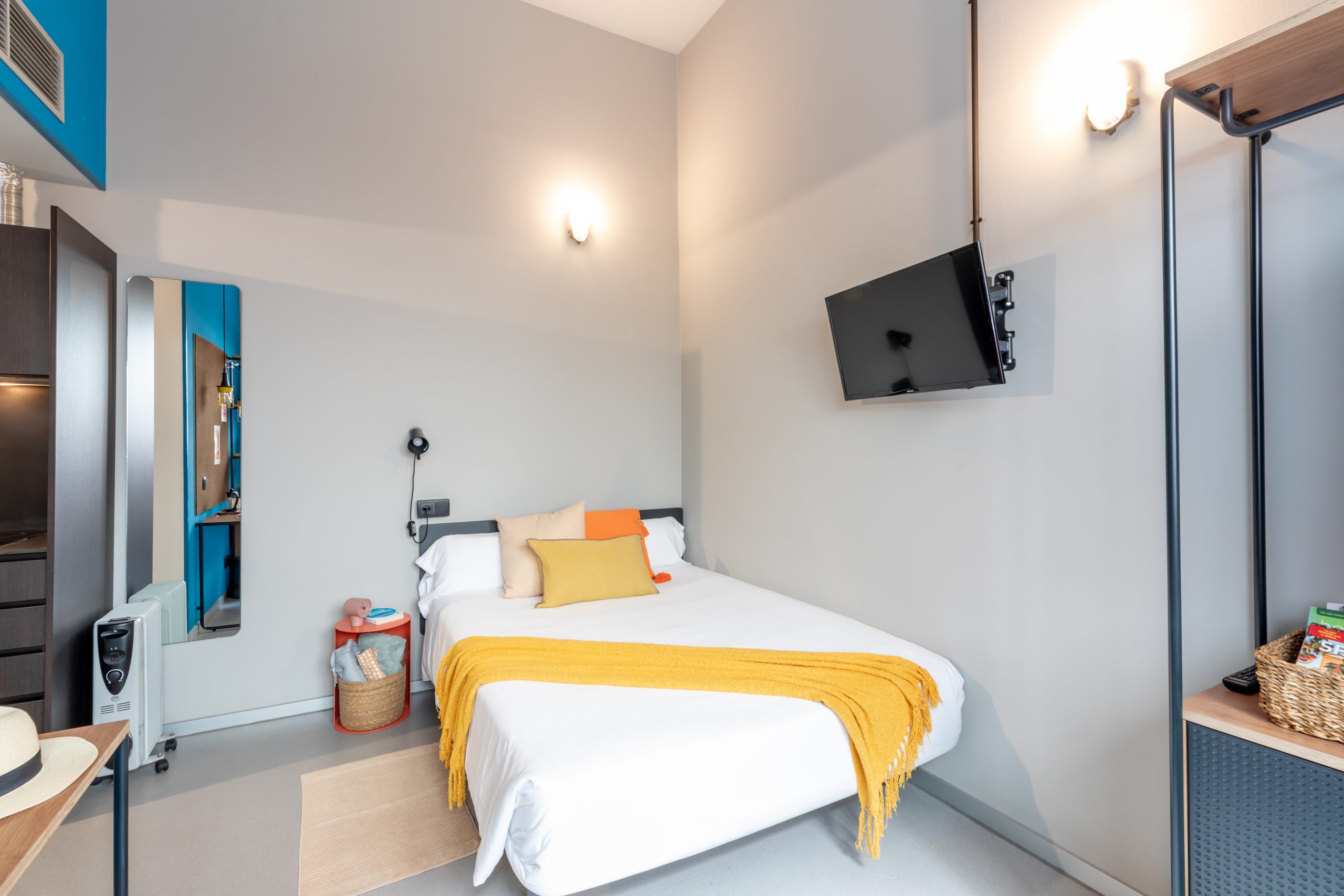
- Student residence halls for students who want services, reception, and a more structured move-in.
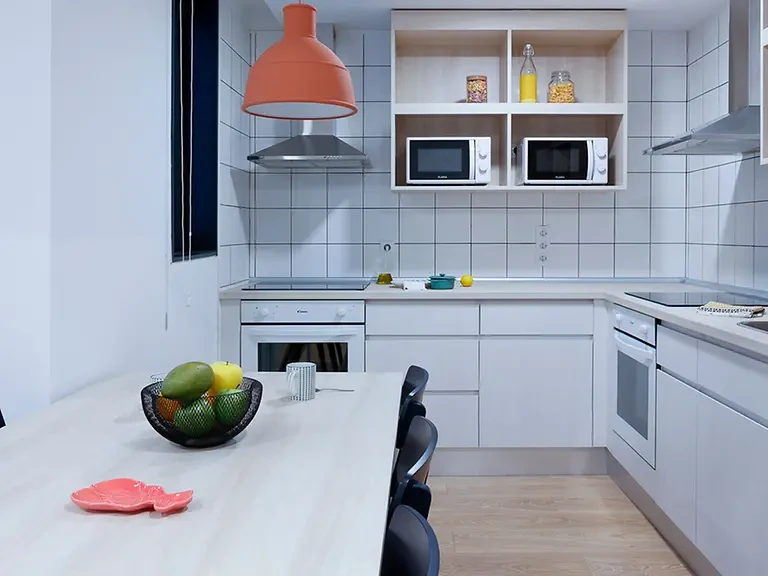
- Shared flats for students who want flexibility and a more local Barcelona experience.
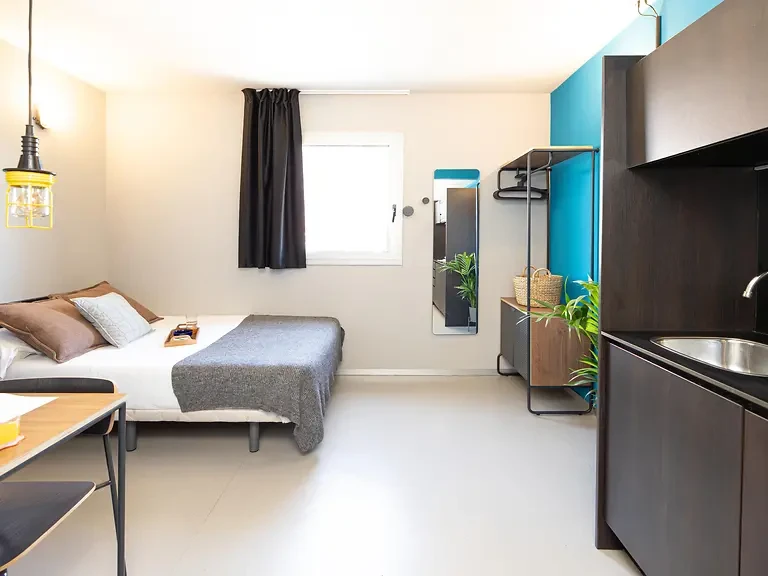
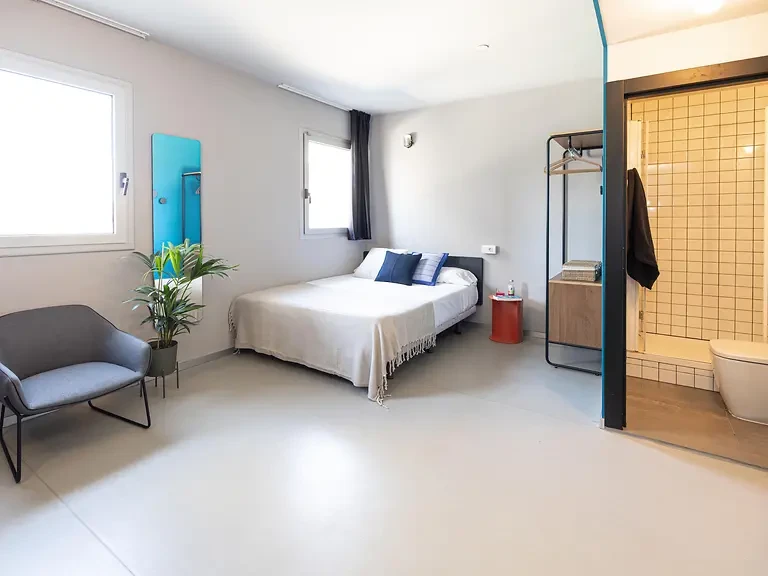
- Studios or private rooms for students who want privacy and can pay a higher monthly rent.
- Alternative housing programmes such as shared living or student-matching services for students who want a lower-cost or more community-based setup.
UPF specifically mentions two university residences, Residència La Ciutadella (RESA) and Residència Campus del Mar (RESA), and also notes that it has agreements with other residences that give UPF students special priority.
| Housing type |
Best for |
Main advantage |
Main tradeoff |
| Residence hall |
First-year, exchange, and international students |
Simpler move-in and more support |
Usually costs more than a room in a flat |
| Shared flat |
Students staying longer in Barcelona |
More independence and usually better value |
You need to manage bills, contracts, and flatmate fit |
| Studio |
Students who want privacy |
Quiet, self-contained living |
Higher monthly rent and fewer shared amenities |
| Homestay / living-with-a-host option |
Students who want structure and local support |
Can be easier at the start of a stay |
Less independence than a flat or residence |
What UPF's own housing guidance tells you
The university's accommodation pages make a few things clear:
- UPF itself does not provide accommodation.
- It recommends several residence halls and housing services.
- It highlights alternative options such as BCU, HousingAnywhere, and the Vivir y Convivir programme.
- It also notes that Barcelona housing should be matched to your budget, your campus, and the length of your stay.
That is useful because UPF students are often not choosing "the closest dorm" but rather choosing between a residence, a flat, or a more independent room in a city neighborhood.
Transport and daily travel
Barcelona is a strong city for public transport. TMB's integrated fare system lets you combine metro, bus, tram, FGC, and Rodalies within the ticket rules, which is helpful if your classes are split across UPF sites.
For UPF students, that usually means:
- living near a metro or tram stop matters more than living on the exact same street as campus;
- the Poblenou and Mar areas are especially convenient if you study near the eastern campuses;
- central neighborhoods can still work well if your route is direct and you prefer more choice in flat type;
- cycling can be practical for short Barcelona journeys, especially for students based near Ciutadella or Poblenou.
Cost expectations
UPF's Barcelona guidance gives a useful benchmark for monthly budgeting: roughly 350-500 EUR for a room in a shared flat and 500-800 EUR for a room in a student residence hall, before food, transport, and other costs.
For a practical UPF budget, I would plan around this range:
| Budget layer |
Typical monthly range |
| Room in a shared flat |
350-650 EUR |
| Student residence room |
500-850 EUR |
| Private studio |
900-1,400 EUR |
| Food |
220-380 EUR |
| Public transport |
30-70 EUR |
| Other personal spending |
90-180 EUR |
If you want lower monthly costs, a shared flat outside the most central streets is usually the first place to look. If you want the easiest start, a residence hall is often the least stressful option.
Booking timeline
Barcelona housing moves quickly, especially for September arrivals. A safe approach is:
- Start researching as soon as you know your course dates and campus.
- Shortlist housing by neighborhood, not just by price.
- Compare what is included: bills, internet, cleaning, reception, bedding, and move-in support.
- Ask for a video tour or recent photos before paying anything.
- Read the contract carefully and confirm the notice period and deposit terms.
- Keep backup options ready if your first choice is unavailable.
Scam checks and safety
Accommodation demand in Barcelona means students should be careful with listings that look too cheap or too urgent.
- Never send money without a proper contract or clear landlord identity.
- Check the exact address and compare it with the campus commute.
- Ask whether bills are included or billed separately.
- Confirm the deposit amount and how it is returned.
- Avoid pressure tactics like "pay today or lose it" unless you have verified the room thoroughly.
International student essentials
UPF's living-in-Barcelona guidance also reminds students to sort out practical arrival issues early, including medical coverage.
- All students should have health insurance suitable for Spain.
- EU/EEA students usually need to check that their EHIC or equivalent coverage is valid for their stay, but it is still worth confirming what extra travel cover you may need.
- Non-EU students should make sure their visa and medical insurance requirements are in order before they travel.
- If you have accessibility needs, contact UPF support services early so housing and campus planning are easier.
What to pack
Barcelona flats and residences usually come partly furnished, but the exact setup varies.
Bring:
- passport, visa, and accommodation documents;
- a universal plug adapter;
- basic bedding if your residence does not provide it;
- a compact starter kitchen kit if you are renting a flat;
- copies of your insurance and enrollment documents.
Usually provided in some residences or flats:
- bed and wardrobe furniture;
- Wi-Fi or internet access;
- shared kitchen appliances;
- laundry access or a laundry room.
Best-fit summary
For UPF, the housing decision is mostly about campus split, transport, and how independent you want to be. If you want the simplest start, pick a residence near Ciutadella or the Mar side. If you want value and flexibility, look at a shared flat in Poblenou, Sant Antoni, Eixample, or another well-connected Barcelona neighborhood.