Where Elisava students usually live
Elisava sits on La Rambla in Ciutat Vella, so the campus is right in the center of Barcelona rather than on an out-of-town university site. That is convenient for walking to class, but it also means the closest streets are busy, tourist-heavy, and expensive.
For most students, the best housing strategy is to stay close enough for an easy commute, but not necessarily right on the Rambla itself. In practice, that usually means looking at PBSA, shared flats, or studios in nearby neighborhoods with strong metro and bus links.
Best neighborhoods for Elisava
| Area |
Typical commute to Elisava |
Why it works |
Trade-off |
| Barri Gòtic / Ciutat Vella |
Walkable |
Closest option; easy for late studio sessions and central nightlife |
Highest demand, tourist traffic, and older buildings |
| El Raval |
Walk or short transit ride |
Often the most practical value option near the campus |
Some streets are noisier and less polished |
| El Born / La Ribera |
Walk or short transit ride |
Central, attractive, and strong for students who want a lively city feel |
Can be pricey for the size of room you get |
| Sant Antoni |
Short metro or bus ride |
Popular with students who want a calmer residential feel with cafes and services |
Usually more expensive than outer districts |
| Eixample |
Metro or bus ride |
Well connected, predictable, and easier for finding higher-quality flats |
Central rent levels are high |
| Poble-sec |
Short transit ride |
Good balance of access, student vibe, and more space than the old town |
Hilly in parts and slightly less central |
| Gràcia |
Longer metro ride |
Great if you want a more local neighborhood with character |
Not the closest commute for daily campus travel |
If you want the shortest daily walk, start with Ciutat Vella, El Raval, and El Born. If you want a better overall balance of space, comfort, and transport, Sant Antoni, Eixample, and Poble-sec are usually stronger picks.
Why PBSA is usually the safest first choice
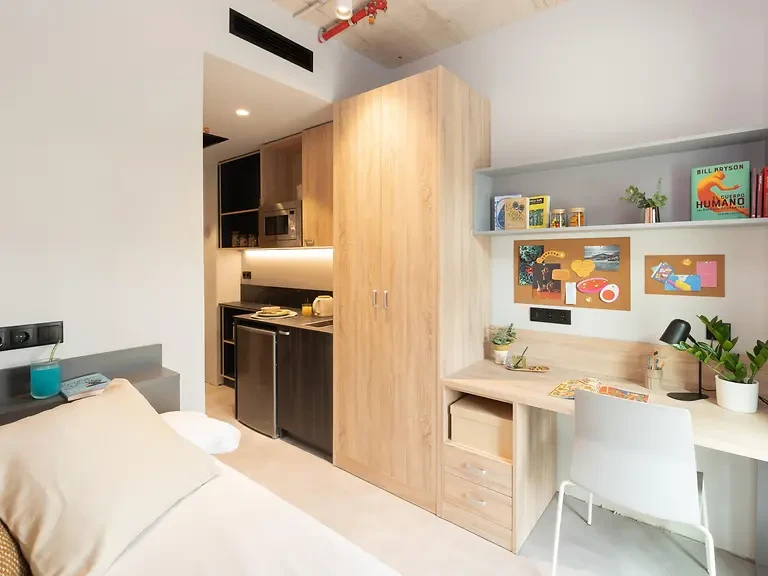
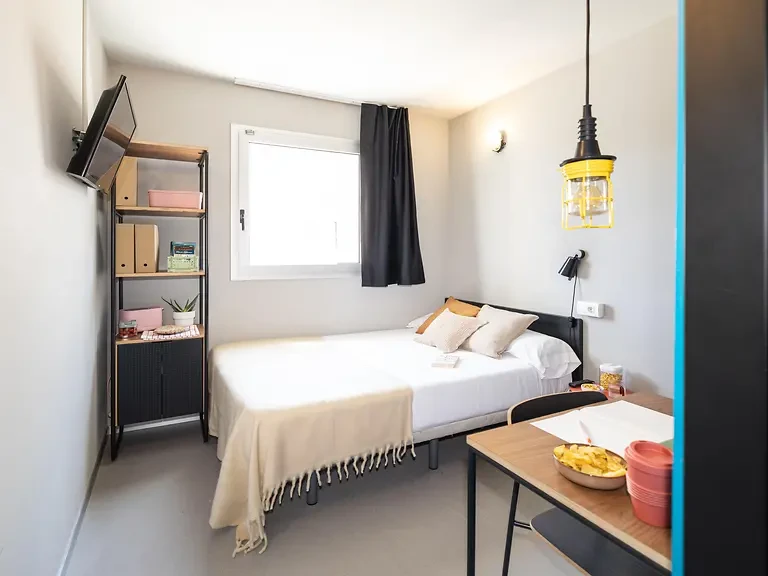
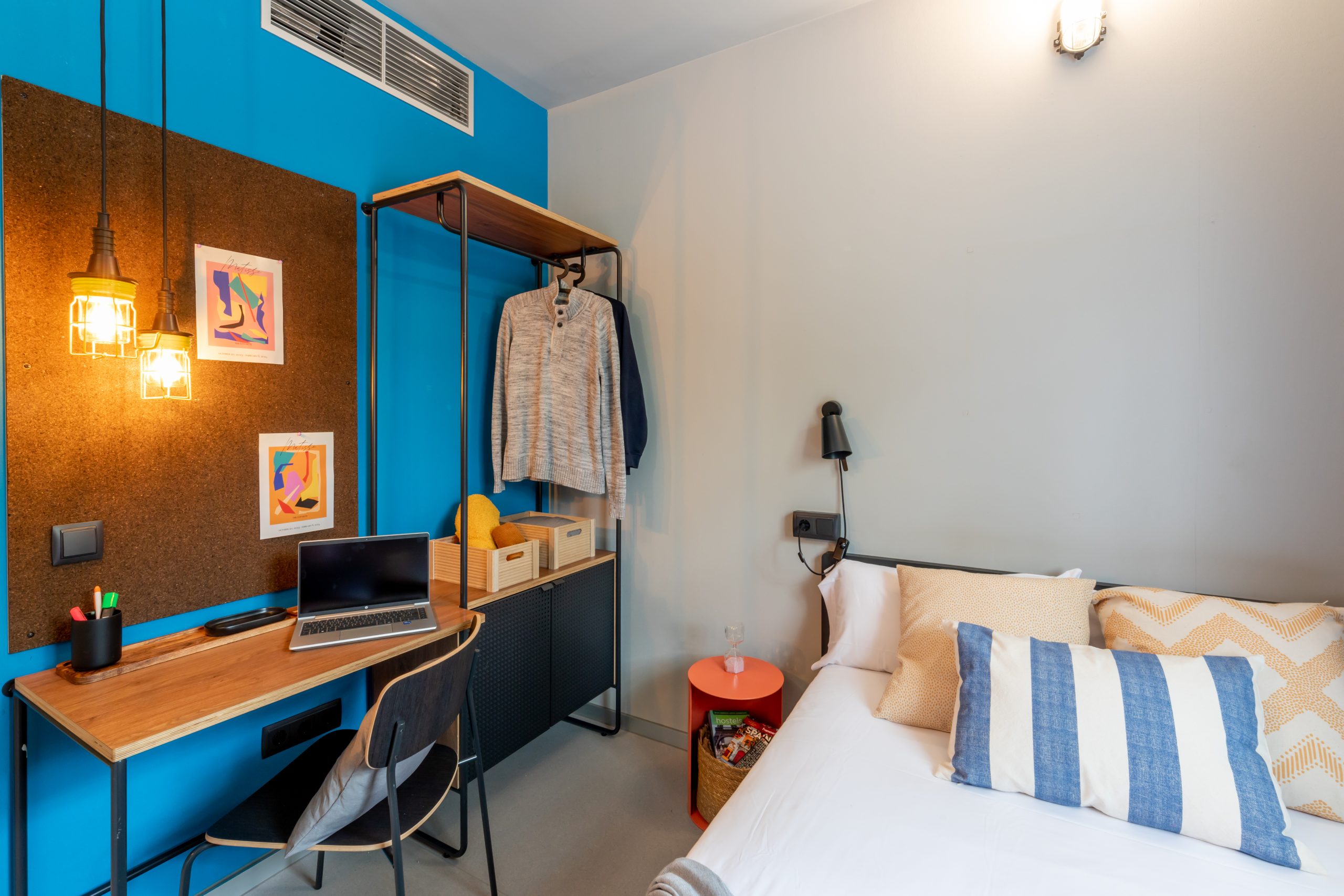
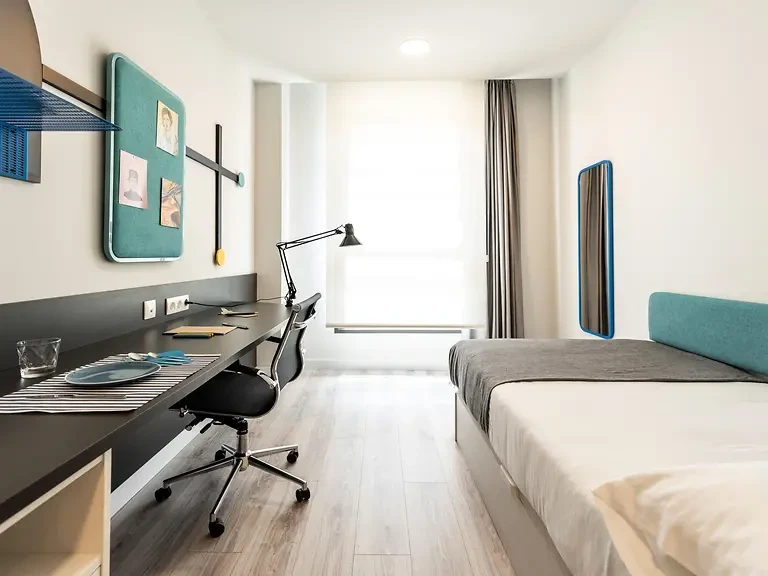
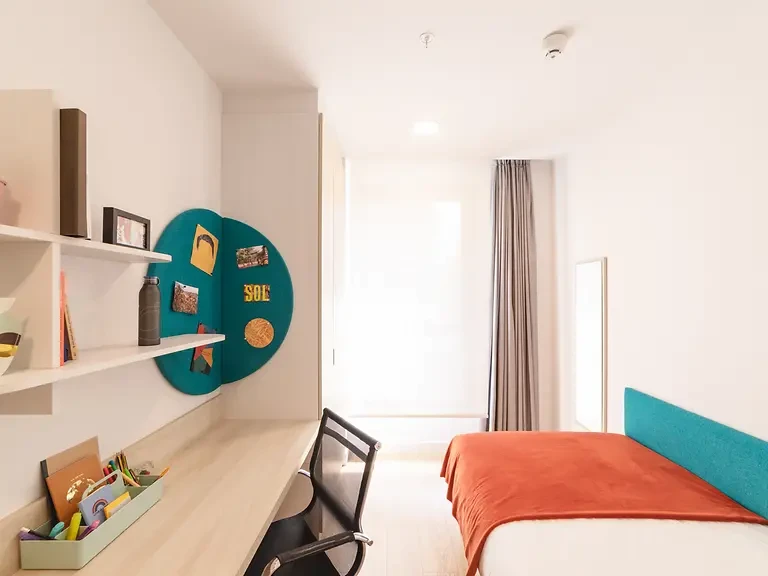
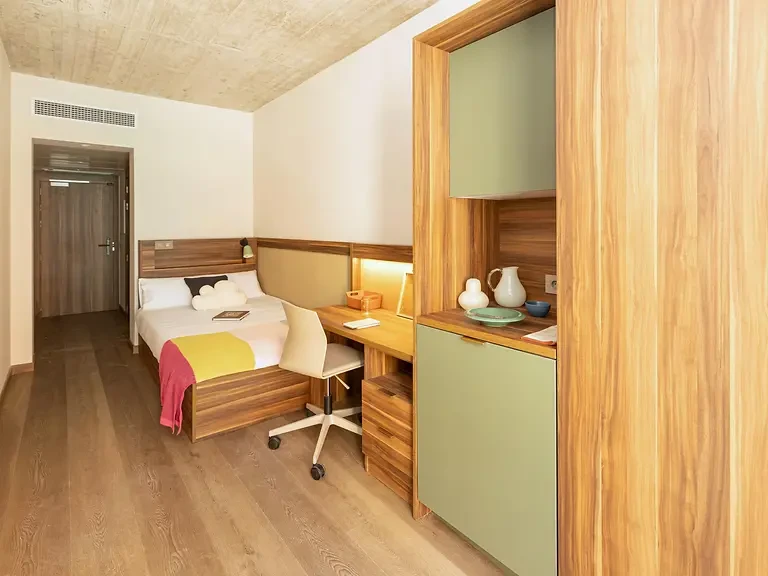
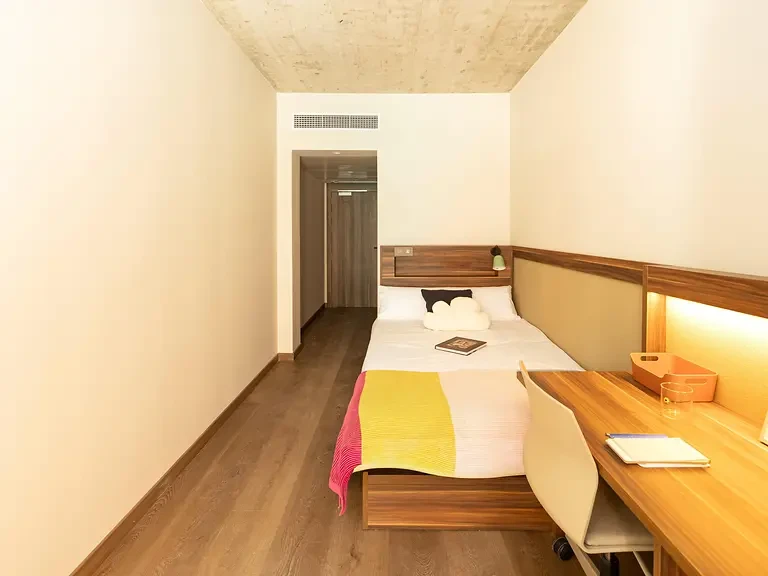
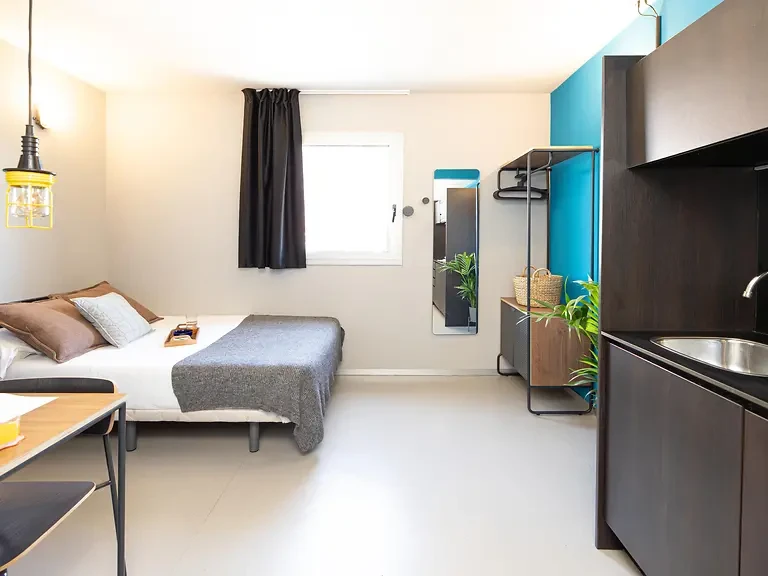
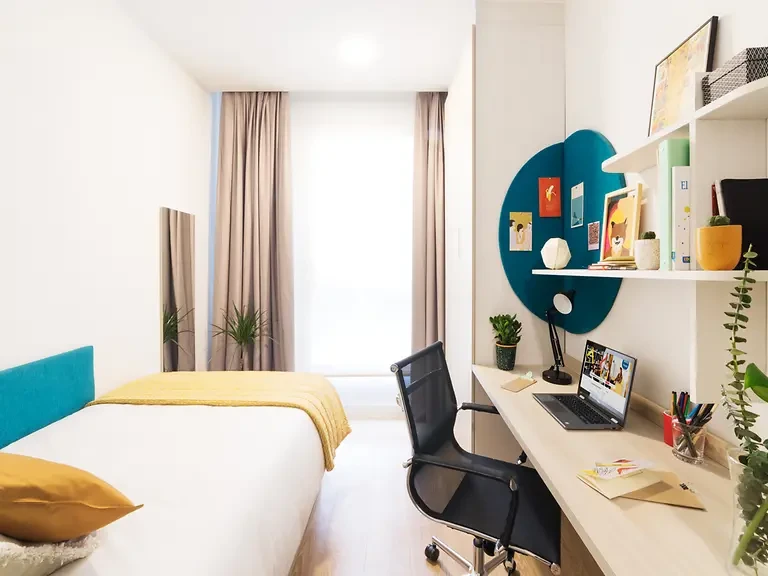
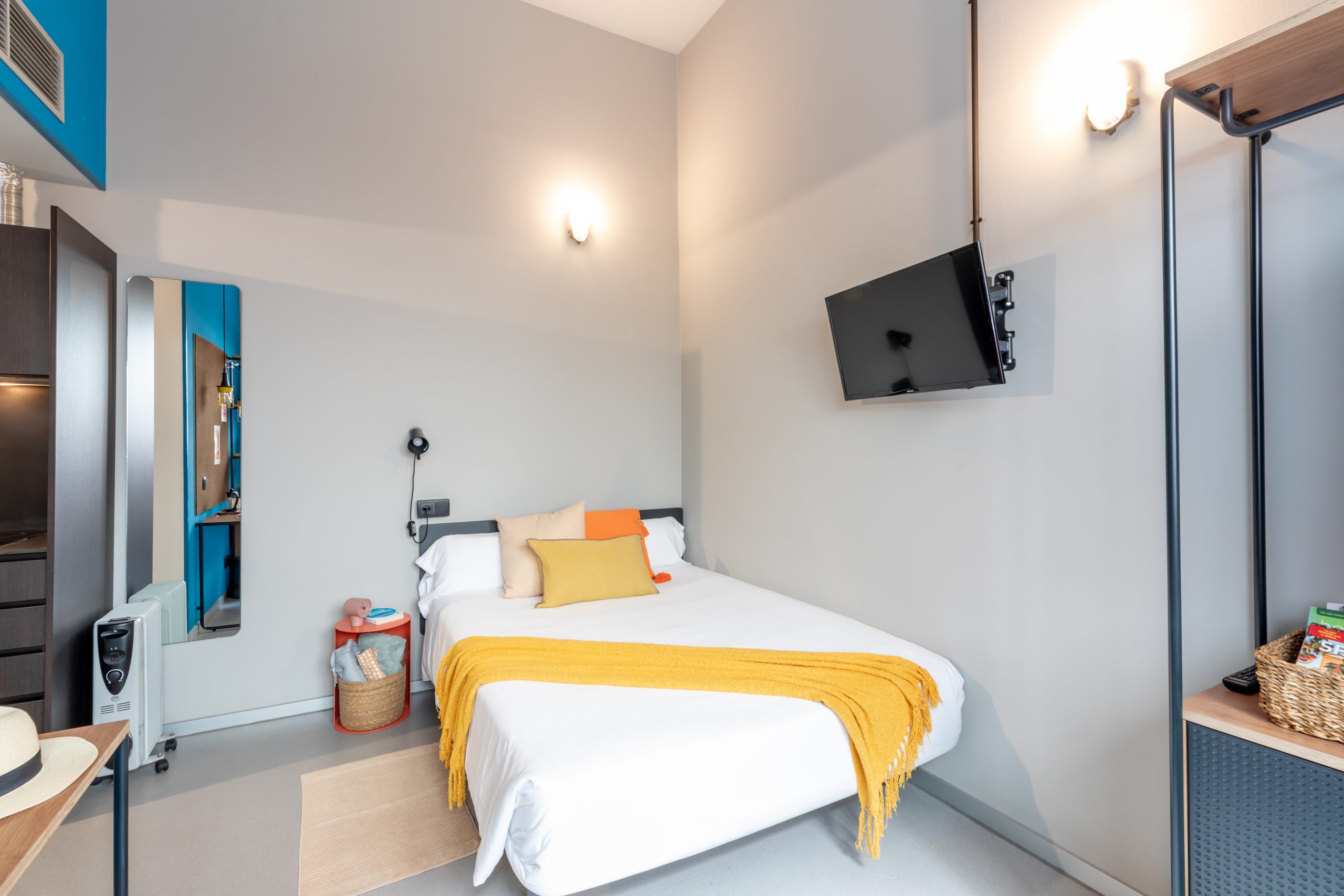
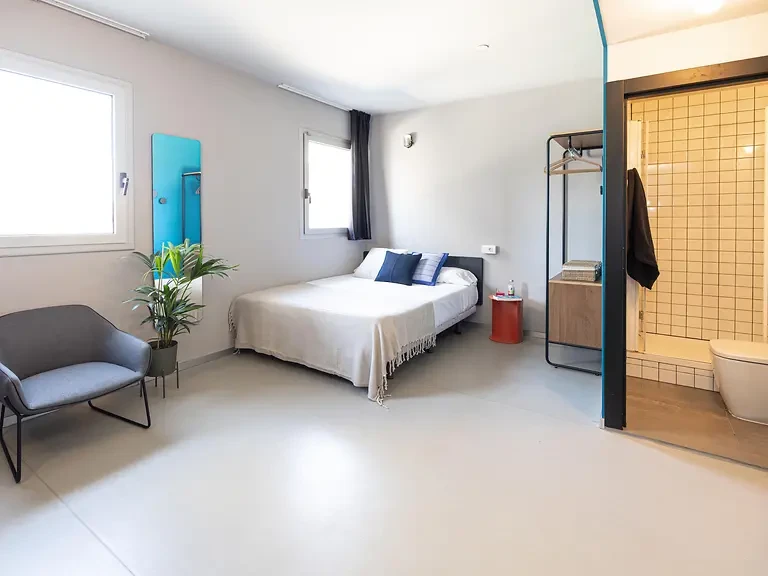
For Elisava students, PBSA is often the easiest way to remove friction from the housing search. Barcelona’s private rental market is competitive, and the city center tends to move fast. A good PBSA option can be the right move if you want:
- A room that is ready to move into
- A clearer contract and less paperwork
- A more predictable monthly cost
- Bills included in many cases
- A better fit for international students arriving for one term or one academic year
PBSA is especially useful if you are:
- Coming to Barcelona from abroad
- Starting in September and need housing before you arrive
- Studying a design or postgraduate program with a short timetable
- Looking for a simple setup rather than negotiating with private landlords
Shared flats can still work well, especially if you want a more local Barcelona experience. Studios are usually the most expensive choice and are best reserved for students who want privacy and can stretch the budget.
What accommodation costs look like
Barcelona is not a cheap housing market, and the most central districts around Elisava are among the most expensive. Recent market data puts Barcelona rent at roughly the low-20s per square metre, with Ciutat Vella and Eixample both sitting above the city average. That means compact rooms and studios near the campus still command a premium.
| Cost area |
Lower budget |
Comfortable range |
Higher-end range |
| PBSA or shared room near campus |
€700 |
€850-€1,050 |
€1,150+ |
| Studio or private flat near campus |
€1,100 |
€1,300-€1,600 |
€1,800+ |
| Food |
€220 |
€300-€380 |
€450+ |
| Local transport |
€30 |
€50-€70 |
€100+ |
| Mobile and basics |
€25 |
€30-€40 |
€50+ |
If you need to keep the budget under control, the biggest lever is location. Moving just beyond the old town toward Sant Antoni, Poble-sec, or parts of Eixample can make your money go further without making the commute painful.
Getting to campus
Barcelona’s integrated transport system makes it straightforward to combine metro, bus, tram, and commuter rail on one ticket type. For Elisava, that matters because you are rarely choosing between “campus housing” and “no transport”; you are choosing between walking, taking one short ride, or taking two.
Good commute rules for Elisava:
- If you can walk in under 20 minutes, that is ideal for studio-heavy weeks
- If you live in Eixample, Sant Antoni, or Poble-sec, expect a manageable metro or bus commute
- If you live farther out, make sure the route is reliable in the evening, not just fast in the morning
For most students, a location with one simple transfer or a direct bus/metro line is better than chasing the absolute cheapest room on paper.
Booking timeline that works in Barcelona
The Barcelona market rewards early decisions. Good rooms near the center are often taken well before the academic year starts.
- 6-9 months before arrival: shortlist PBSA, set your budget, and decide whether you want central walkability or a better-value commute.
- 3-6 months before arrival: start applying seriously and compare contracts, deposit terms, and what is included in the rent.
- 1-2 months before arrival: secure the room, confirm move-in details, and arrange documents for check-in.
- Arrival week: inspect the room, document any damage, and make sure you have keys, Wi-Fi access, and payment details sorted.
If you wait until the last minute, you will usually still find something in Barcelona, but you are more likely to compromise on location, room size, or budget.
What to check before signing
Before you commit, read the listing and contract carefully. Focus on:
- Total monthly rent, not just the headline price
- Whether bills are included
- Deposit amount and refund conditions
- Minimum stay length
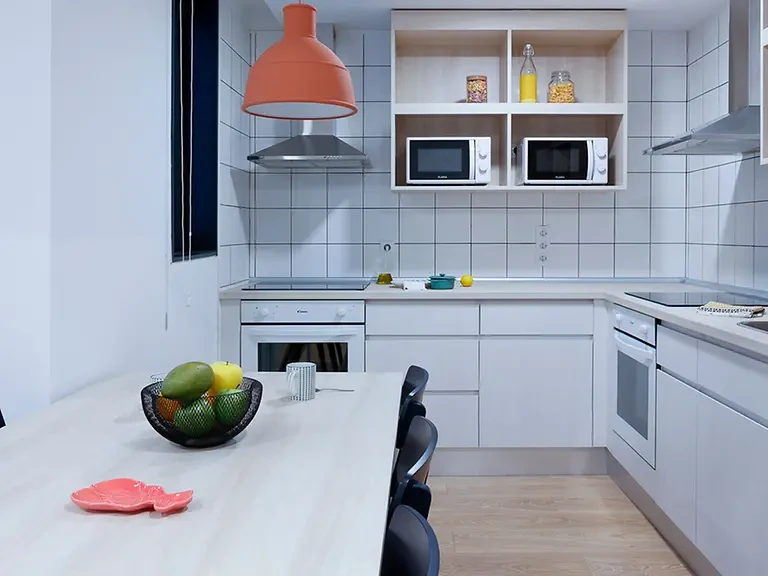
- Room furniture and kitchen equipment
- Replacement and maintenance rules
- Whether there are agency fees or admin charges
For a city-center move, the biggest risk is paying too much for poor quality. The second biggest risk is a flat that looks close on a map but is awkward in practice because of noise, building condition, or limited daylight.
International student checklist
If you are coming from outside Spain, the housing process is usually easier when you arrive with the right paperwork ready. You may need:
- Passport or national ID
- University acceptance or enrollment proof
- Proof of funds or guarantor information
- Contract details for visa or registration steps
- Local address for your arrival paperwork
Spain does not use a UK-style right-to-rent check, so the main issue is usually landlord or residence documentation, not a formal immigration rent certificate. In practice, that means you should be ready to share standard identity and enrollment documents when asked.
Accessibility and special requirements
If you need step-free access, a lift, adapted bathroom features, or a quieter room, start filtering early. In the center of Barcelona, older buildings can be beautiful but impractical for accessibility.
Prioritize:
- Lift access if you are above the lower floors
- Ground-floor or adapted units if mobility is a concern
- Quiet street-facing or courtyard-facing rooms if you need a calmer environment
- Clear confirmation of internet speed if you study or work from home
Bottom line
Elisava’s central Barcelona location makes it one of the easiest schools to reach from many student neighborhoods, but it also means the closest housing is expensive and competitive. For most students, the strongest options are PBSA for simplicity, shared flats for value, and central-but-not-prime neighborhoods like Sant Antoni, Poble-sec, or Eixample for the best compromise.