University of London accommodation at a glance
The University of London is different from a single-campus university. It is a federation of member institutions, with major services and the iconic Senate House in Bloomsbury, central London. That means your best accommodation choice depends on where your teaching actually happens: Bloomsbury, King's Cross, Holborn, central London, east London, south London or another member-college location.
For most students, the realistic shortlist is:
| Option |
Best for |
Typical weekly cost |
Key trade-off |
| University of London Intercollegiate Halls |
First years, undergraduates, students wanting a managed hall |
£300-£450+ |
Limited rooms and eligibility rules |
| PBSA near central London |
International students, postgraduates, students who want bills included |
£330-£600+ |
Higher rent, easier admin |
| Shared private house or flat |
Returning students, groups, budget-conscious renters |
£220-£380+ |
Bills, guarantors and landlord checks |
| Private studio |
Students needing privacy and independence |
£400-£700+ |
Expensive, especially in zones 1-2 |
| Commuter living in zones 3-4 |
Students prioritising lower rent |
£180-£320+ |
More travel time and transport spend |
Fast recommendation: if you are new to London, compare Intercollegiate Halls and PBSA first, then use private rentals only after you understand commute times, deposits, Right to Rent checks and guarantor requirements.
How University of London accommodation works
University of London students may have access to several accommodation routes:
- Intercollegiate Halls, including central London halls such as Garden Halls, College Hall, Connaught Hall and International Hall.
- Postgraduate accommodation, including options aimed at students who need longer contracts.
- Private accommodation advice through University of London Housing Services.
- Member-institution accommodation, if your college runs its own halls or nomination system.
- Independent PBSA, operated by private student accommodation providers across London.
The important detail is that University of London accommodation is not one single pool for every student in the same way at every college. Some students apply directly, some are nominated by their institution, and some will be better served by their college's own halls. Check your offer-holder emails before paying a private deposit.
Best areas for University of London students
Bloomsbury, Russell Square and Euston
Bloomsbury is the most convenient area for Senate House, University of London libraries and several central academic buildings. It is also one of the most expensive student locations in the UK.
Good for: walking to study spaces, first-year convenience, library access, short commutes.
Watch out for: high rents, small rooms, competitive availability and busy streets around Euston Road.
King's Cross and St Pancras
King's Cross gives excellent transport links across London and beyond. It works well for students who need national rail, Eurostar, Piccadilly line, Victoria line, Northern line, Circle line, Hammersmith & City line or Metropolitan line access.
Good for: transport, newer PBSA, central social life, quick access to Bloomsbury.
Watch out for: premium rents and some very expensive studio-led buildings.
Camden and Kentish Town
Camden is close enough to Bloomsbury for a short Tube, bus or cycle commute, while often giving more nightlife and shared-house options than the immediate university area.
Good for: music, markets, social life, Northern line access.
Watch out for: noise, older housing stock and rent variation street by street.
Islington, Angel and Holloway
These north London areas are popular with students who want a balance of cafes, parks, transport and shared rentals. Angel is expensive, while Holloway and Finsbury Park can be better value.
Good for: buses to Bloomsbury, Piccadilly/Victoria/Northern line options, lively residential areas.
Watch out for: private rentals moving quickly and mixed commute times depending on your exact campus.
Stratford, Mile End and Whitechapel
East London is useful if your member institution or placements are east of the centre, or if you want better value with strong transport links. Stratford has the Elizabeth line, Central line, Jubilee line, DLR, Overground and rail connections.
Good for: better-value PBSA, shopping, transport, east London campuses.
Watch out for: longer commutes to Bloomsbury at peak times.
Canada Water, Bermondsey and New Cross
South-east London can work well for students who want Overground, Jubilee line or bus links while avoiding some zone 1 prices. New Cross is particularly student-heavy.
Good for: shared houses, creative communities, access to south and east London.
Watch out for: late-night journey planning and campus-specific commute checks.
PBSA near the University of London
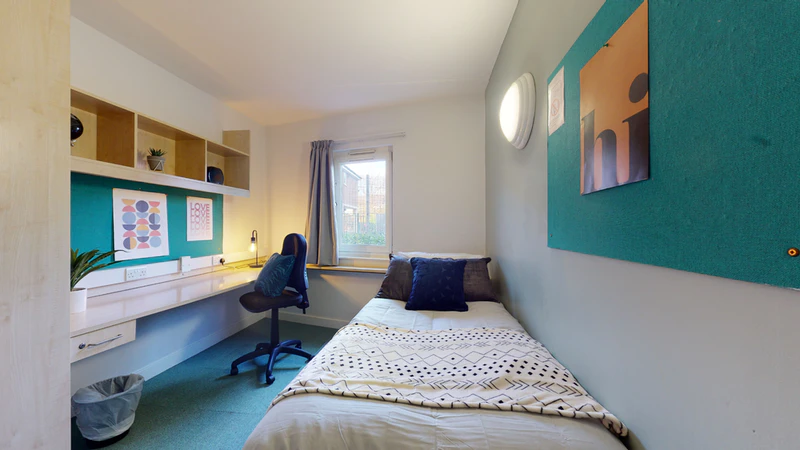
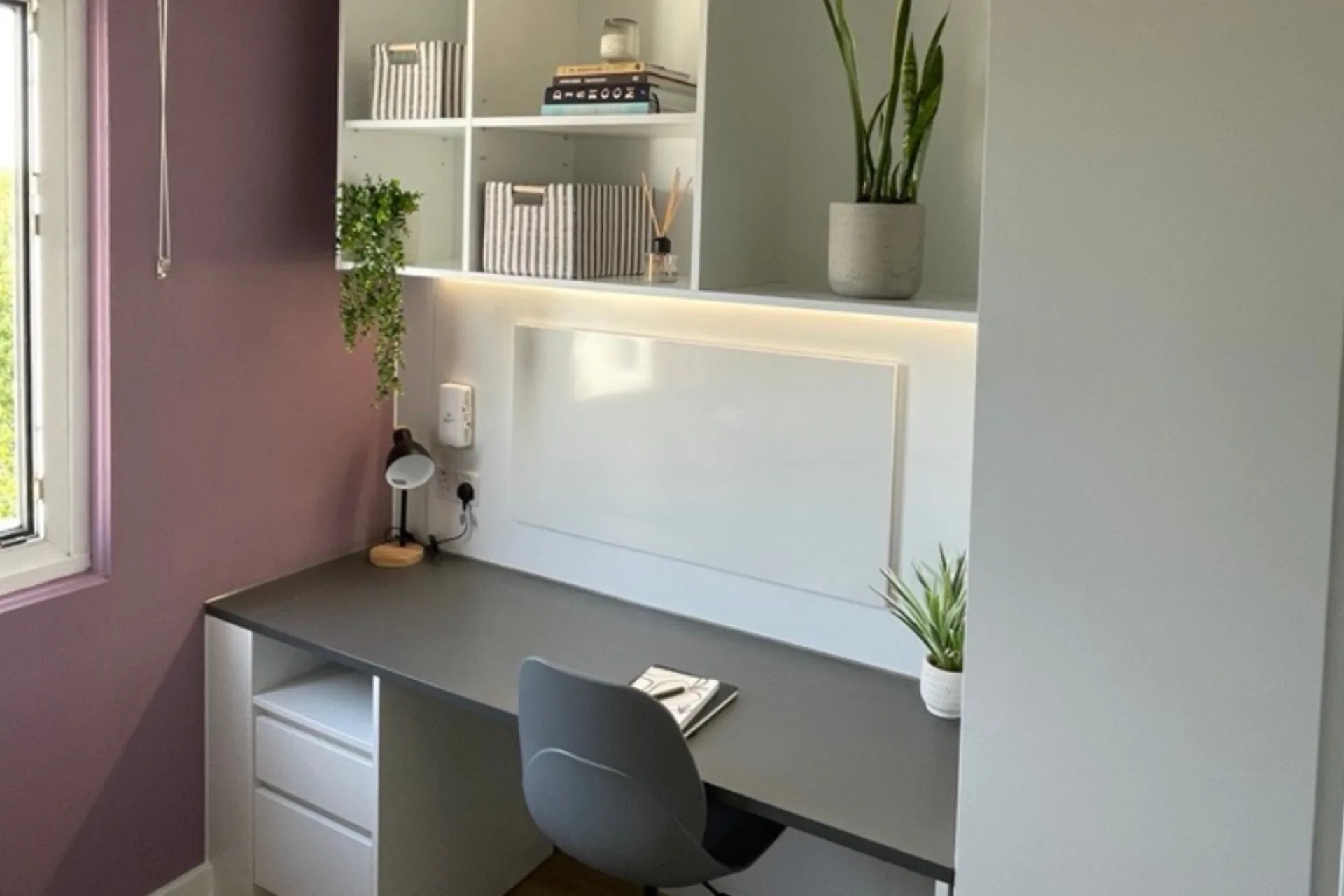
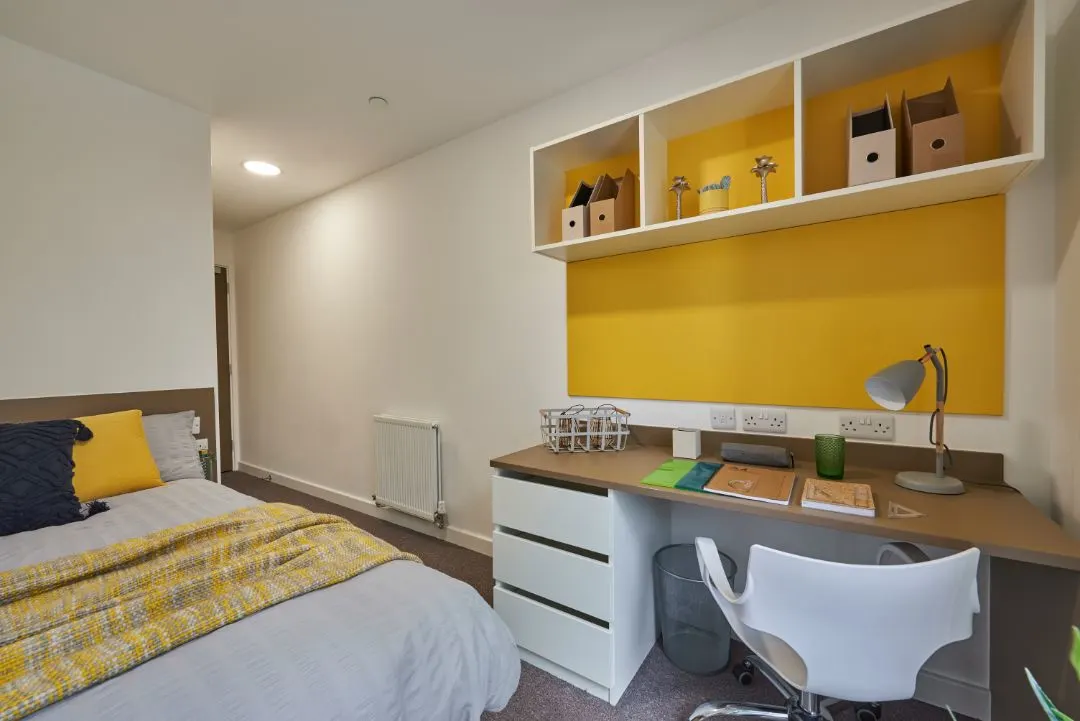
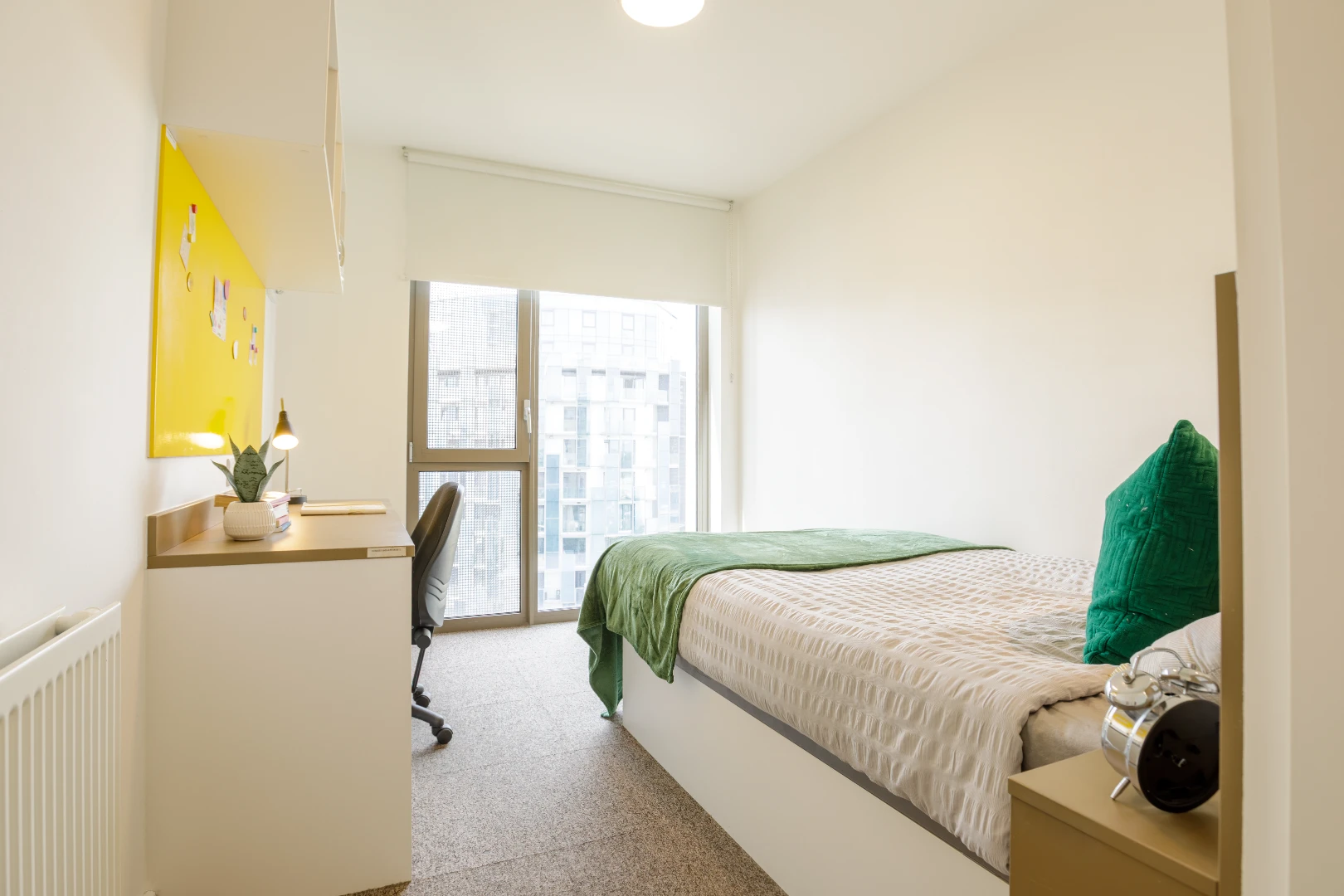
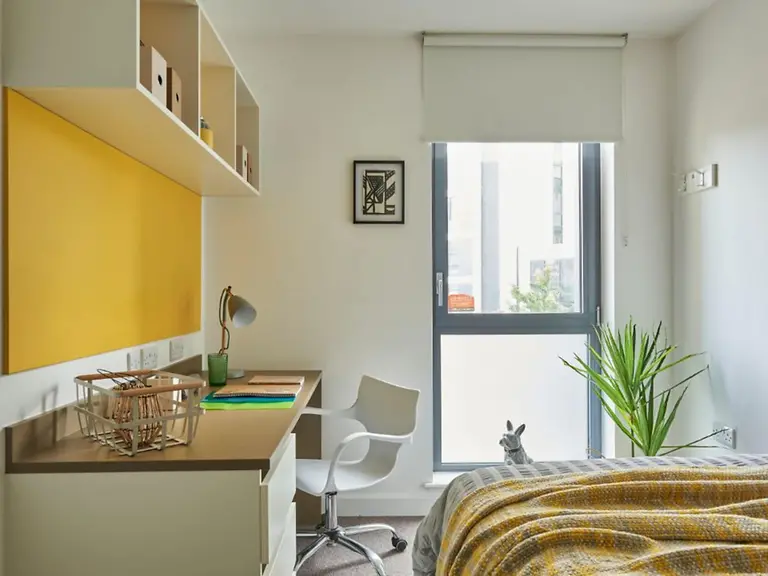
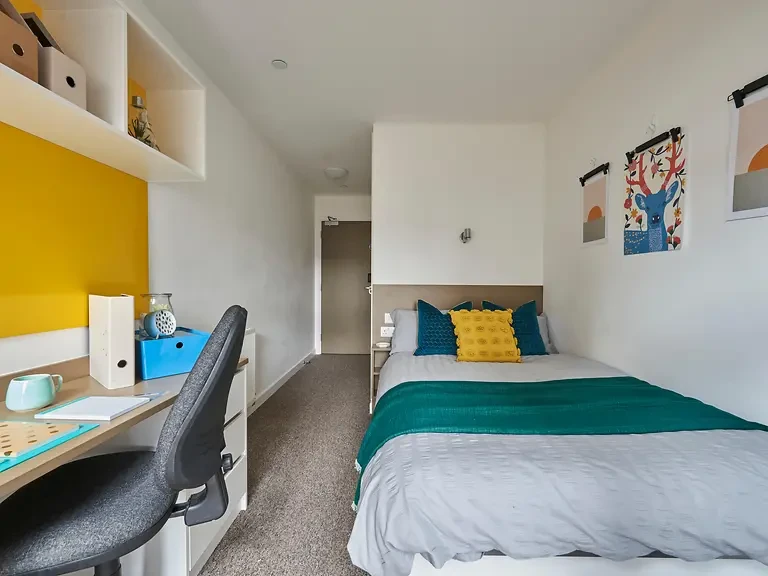
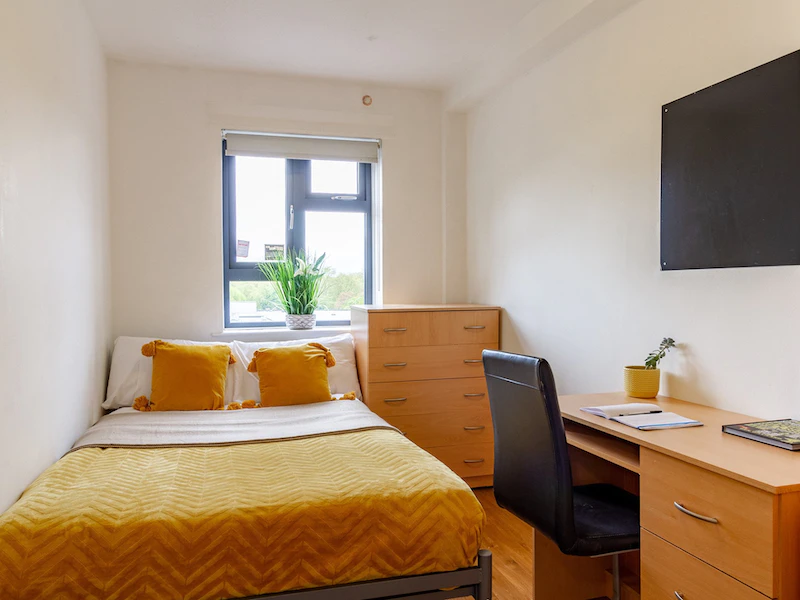
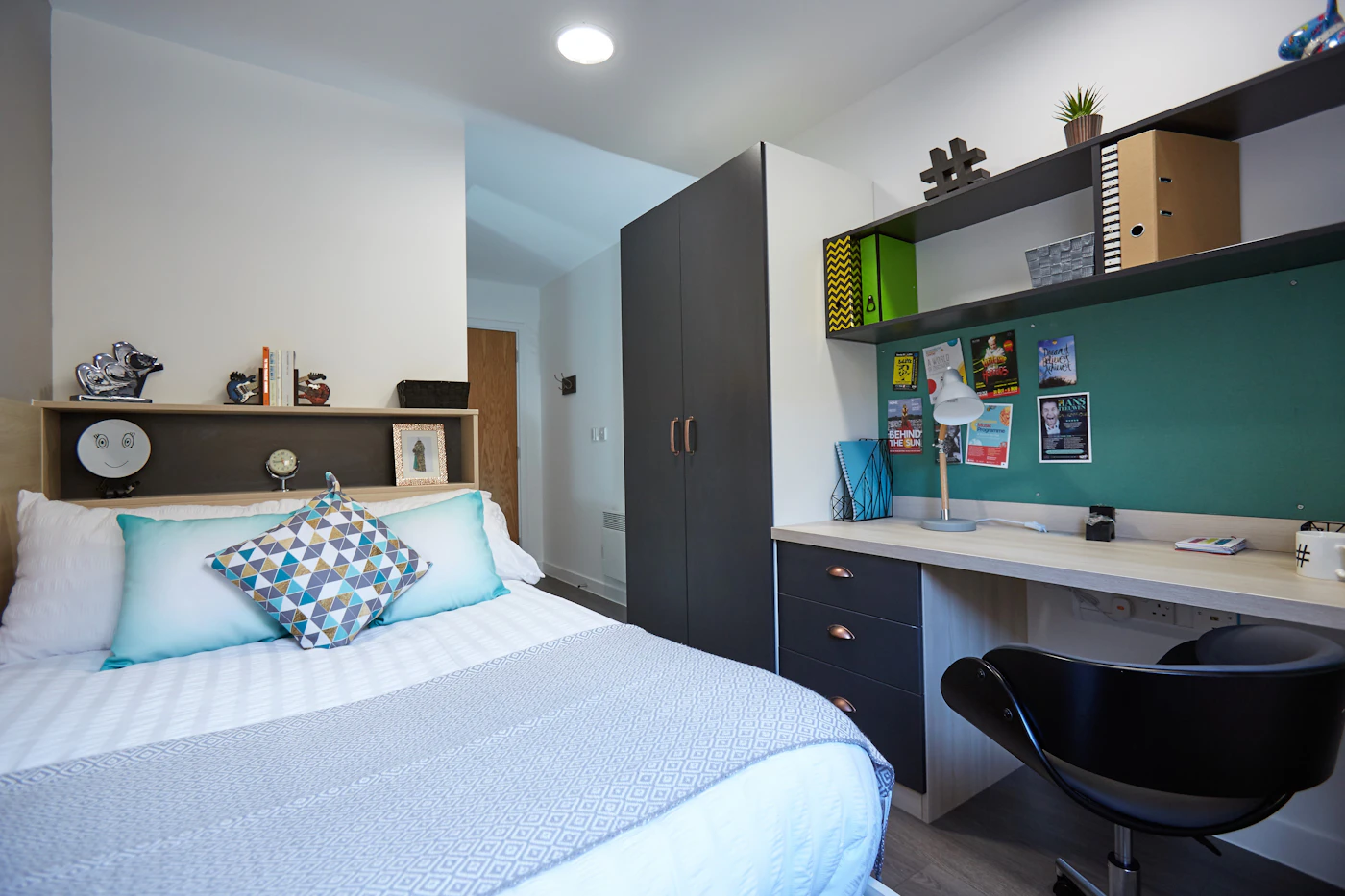
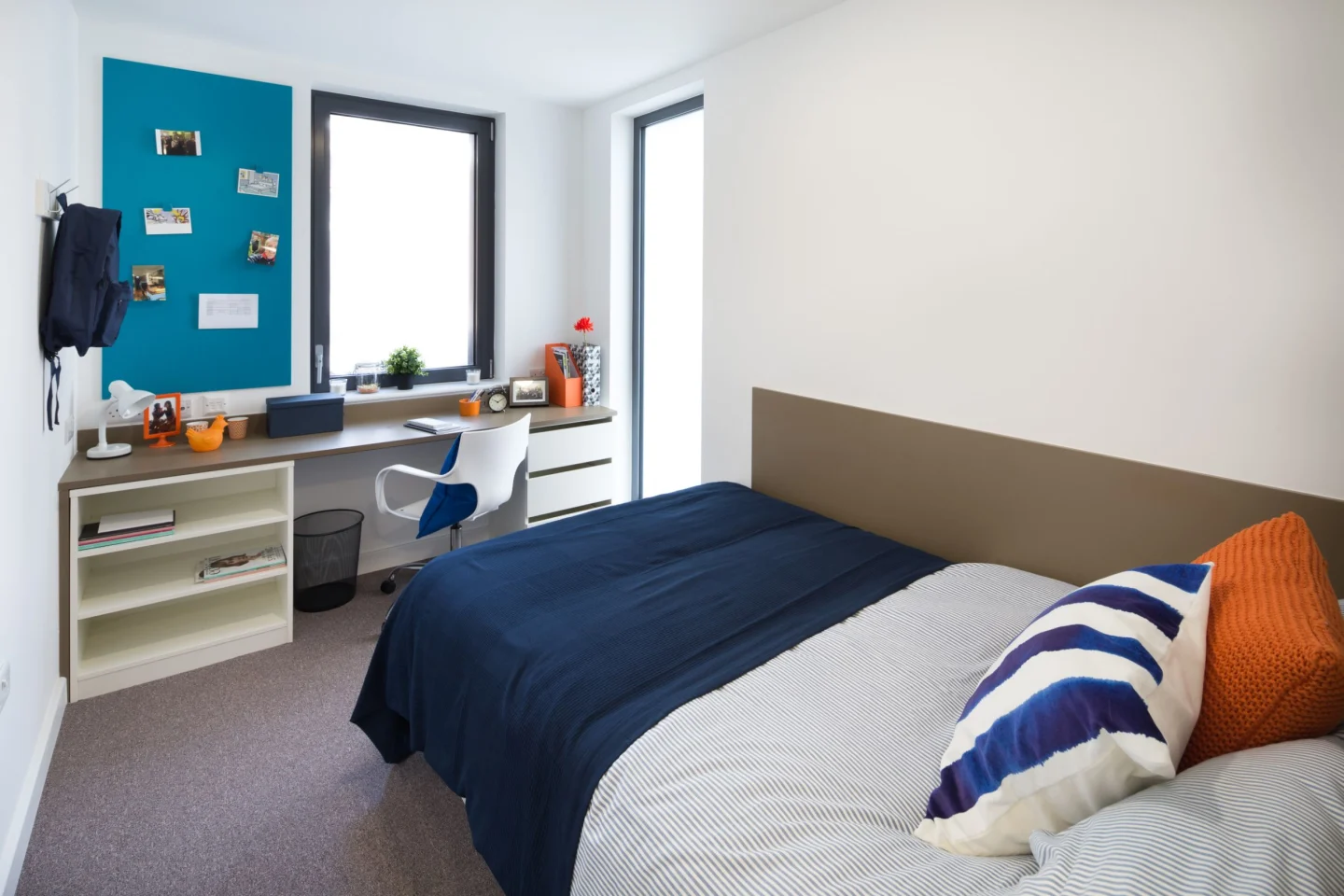
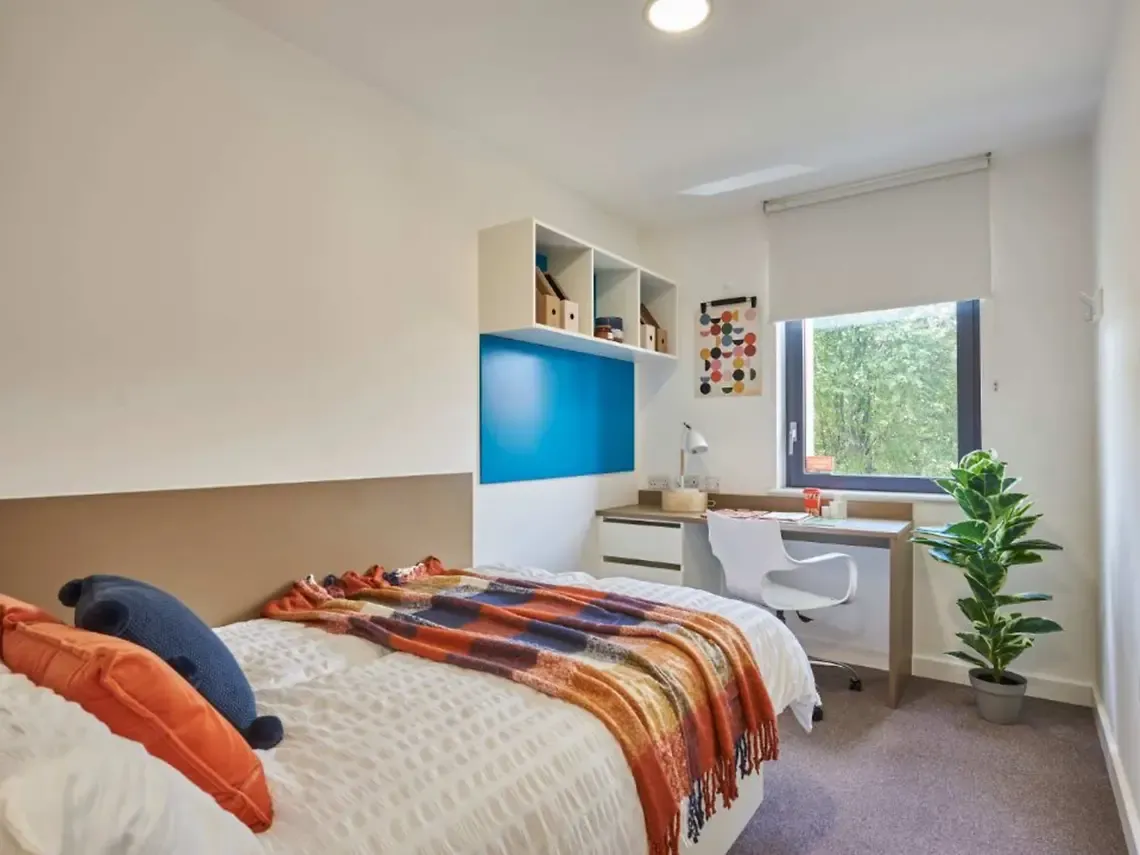
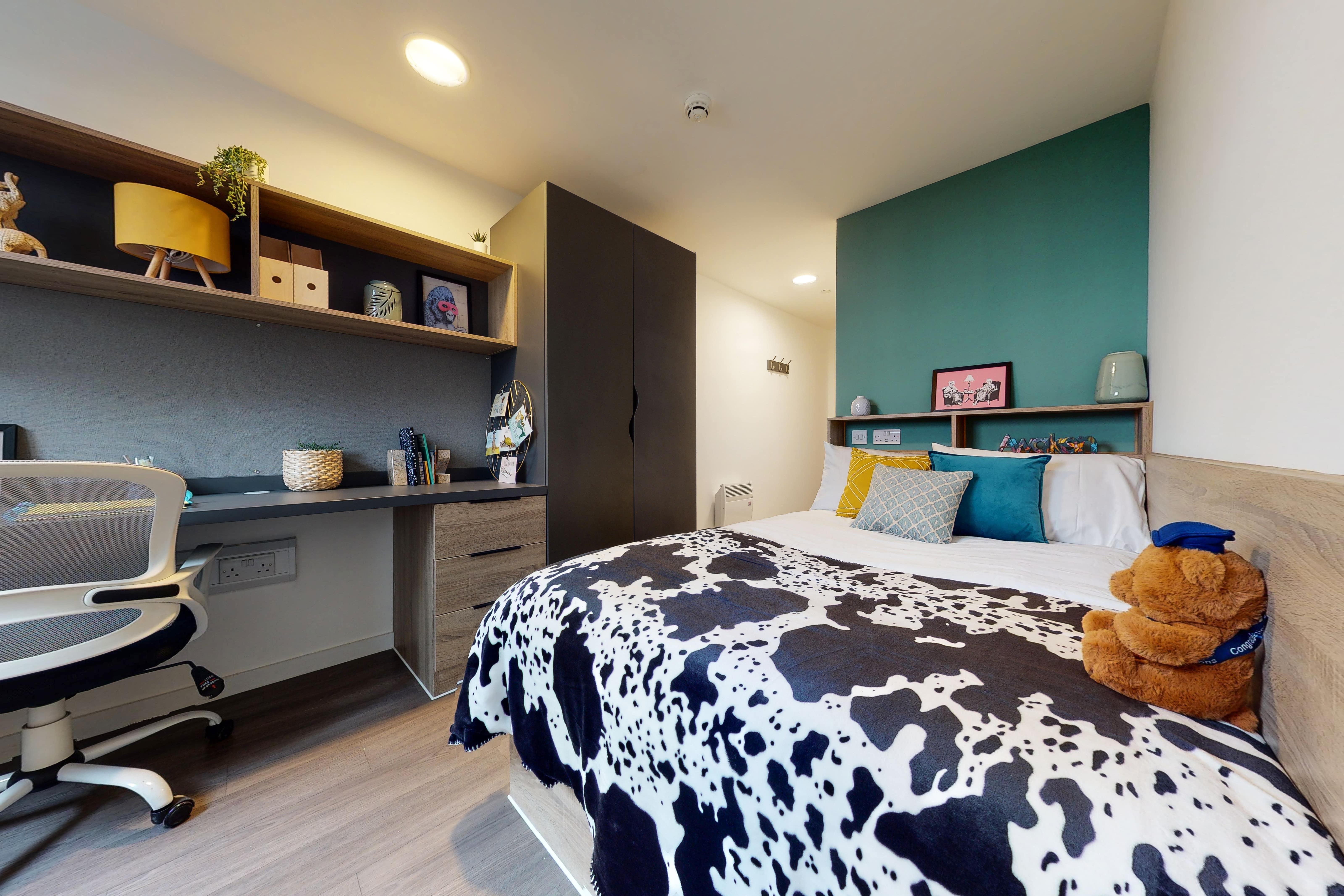
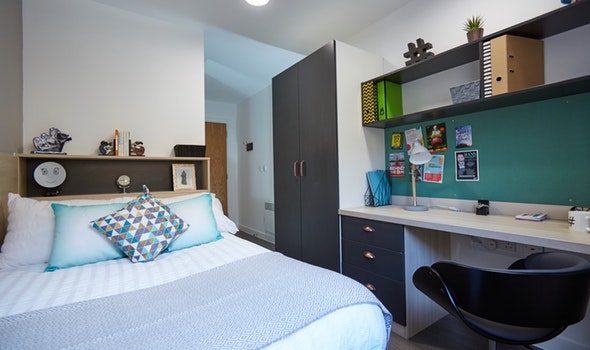
PBSA means purpose-built student accommodation. In London, it is often the cleanest route from "I have an offer" to "I have a room" because contracts are designed for students and usually include:
- Bills included, normally covering electricity, water, heating and Wi-Fi.
- On-site maintenance, so repairs are reported through a portal rather than negotiated with a landlord.
- Security features, such as controlled entry, reception, CCTV or staff presence.
- Study and social spaces, useful if your room is compact.
- Clear contract lengths, often around 40, 44, 48, 50 or 51 weeks.
PBSA works especially well for:
- International students without a UK rental history.
- Postgraduates who want a studio or quiet ensuite.
- Students arriving alone who do not yet have flatmates.
- Students with placements who need a predictable base and less admin.
The main downside is price. A PBSA room near Bloomsbury or King's Cross can cost more than a room in a shared flat in zone 2 or 3. But when comparing, look at the total monthly cost, not only rent. Private renting often adds energy, water, broadband, contents insurance, travel and setup costs.
University of London Intercollegiate Halls
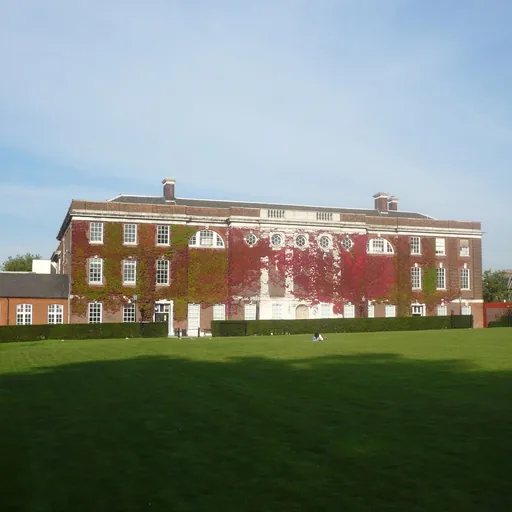
University of London Intercollegiate Halls are a strong option for students who want a managed hall and central location. Commonly referenced halls include:
| Hall |
Area |
Typical room style |
Best fit |
| Garden Halls |
Bloomsbury / Cartwright Gardens |
Catered ensuites, townhouses, some accessible rooms |
Students wanting a large central hall |
| College Hall |
Malet Street / Bloomsbury |
Catered rooms, including ensuite options |
Undergraduates who want to be very central |
| International Hall |
Lansdowne Terrace / Russell Square |
Catered singles and self-catered studios |
Undergraduates wanting Bloomsbury access |
| Connaught Hall |
Tavistock Square area |
Catered rooms |
Students wanting a traditional hall feel |
| Handel Mansions |
Bloomsbury |
Shared bathroom rooms |
Students looking for central postgraduate-style living |
| Nutford House |
Marble Arch / Marylebone |
Catered/shared bathroom options |
Students wanting west-central London access |
| Eleanor Rosa House |
Stratford |
Ensuite rooms and studios |
Students seeking newer east London accommodation |
Official 2026/27 examples show central hall rooms often sitting roughly in the low £300s to mid £400s per week, depending on catering, ensuite facilities and room size. Garden Halls catered ensuites, for example, are typically above £430 per week, while some shared-bathroom or townhouse-style options can be lower.
Key point: halls can look expensive per week, but catered rooms may include meals. Compare the full package before assuming a self-catered private room is cheaper.
Private renting in London
Private renting gives you the widest choice, but it also carries the most risk. Most students rent either:
- A room in a shared house or flat, usually the cheapest private option.
- A room in a shared flat in a managed building, sometimes with bills included.
- A whole flat with friends, requiring coordination and usually a joint tenancy.
- A studio, best for privacy but usually expensive.
Before signing, check:
- Total monthly rent and deposit, not just weekly rent.
- Bills included or excluded, especially heating and electricity.
- Contract type, including joint liability if you rent with friends.
- Guarantor requirements, which can be difficult for international students.
- Distance to your actual teaching building, not just to "University of London".
- Council tax position, because full-time students are usually exempt but mixed households can be complicated.
Expected monthly budget
London budgeting is highly individual, but these estimates are realistic for planning:
| Category |
Lower-cost student |
Typical student |
Higher-spend student |
| Accommodation |
£900-£1,150 |
£1,250-£1,650 |
£1,800+ |
| Food and groceries |
£220-£300 |
£350-£450 |
£550+ |
| Public transport |
£35-£80 |
£90-£155 |
£180+ |
| Phone |
£10-£25 |
£25-£35 |
£40+ |
| Social, gym and extras |
£80-£150 |
£150-£280 |
£350+ |
Money-saving move: living one or two transport zones further out can save rent, but only if your timetable does not turn the commute into a daily cost and energy drain.
Transport and commuting
University of London students benefit from one of the best transport networks in the world, but it is easy to underestimate commute time.
Use these rules:
- Aim for one direct line or one simple change to your main campus.
- Check door-to-door time at 8:30am, not just the Tube time.
- Look for night routes if you expect late library sessions, work shifts or social nights.
- Budget for transport, especially if you live outside walking distance.
- Apply for an 18+ Student Oyster photocard if eligible, as it can save 30% on adult-rate Travelcards and Bus & Tram Pass season tickets.
If you travel only a few days per week, pay-as-you-go contactless or Oyster can be cheaper than a season ticket. If you travel often and live in a London borough during term, compare a Student Oyster Travelcard with pay-as-you-go before buying.
Step-by-step booking timeline
| Timing |
What to do |
| October-December |
Research your likely teaching location, halls eligibility and commute zones. |
| January-February |
Shortlist Intercollegiate Halls, member-college halls and PBSA. Compare contract lengths. |
| March-April |
Book viewings, attend virtual tours and check cancellation policies. |
| May-June |
Secure a room if your offer and budget are clear. London stock moves quickly. |
| July-August |
Confirm arrival date, guarantor documents, visa timeline and payment schedule. |
| September |
Complete inventory, report defects immediately and register for transport discounts after enrolment. |
For Clearing or late offers, prioritise verified PBSA and official accommodation channels because the private rental market can be stressful at short notice.
Scam prevention and safety
London has a fast rental market, which scammers exploit. Treat pressure as a warning sign.
Never pay unless:
- You have seen the room in person or through a verified live viewing.
- The building exists at the stated address.
- The landlord, agent or PBSA provider uses an official domain and traceable payment route.
- You have a written contract or booking agreement.
- You understand refund and cancellation terms.
Avoid:
- Social media listings that refuse viewings.
- "Too cheap for Bloomsbury" rooms.
- Requests for bank transfer before paperwork.
- Landlords who will not confirm the deposit protection scheme.
- Anyone asking you to lie about being a student, income or occupiers.
International student guide
International students should plan accommodation earlier because London landlords may ask for extra checks.
Prepare:
- Passport and visa/eVisa share code, if relevant for private renting.
- University offer and enrolment evidence.
- Proof of funds or sponsor letter, if requested.
- UK guarantor details, guarantor service budget or rent-in-advance plan.
- Arrival accommodation, in case your tenancy starts after your flight date.
For Right to Rent, private landlords in England must check adult tenants before a private tenancy starts. Student halls and purpose-built student accommodation are usually exempt, but private flats and house shares normally require checks. If your immigration status is digital, you may need to generate a share code through the official UK system.
Tenancy agreement cheat sheet
Before signing, read these clauses carefully:
| Clause |
Why it matters |
| Contract length |
A 51-week contract can cost far more than a 40-week academic-year room. |
| Cancellation terms |
Some rooms are only cancellable if you fail to get a visa or university place. |
| Guarantor clause |
If you cannot provide a UK guarantor, the provider may ask for rent upfront. |
| Bills |
"Bills included" should specify energy, water, internet and any caps. |
| Deposit |
Private tenancy deposits should normally be protected in an approved scheme. |
| Joint tenancy |
You may be liable if a housemate does not pay. |
| Guests and subletting |
Most student contracts restrict long stays and unauthorised subletting. |
| Inventory |
Photos and written notes protect you from unfair damage claims. |
What to pack vs what is usually provided
| Bring |
Usually provided in halls/PBSA |
Check before buying |
| Bedding, towels and hangers |
Bed, mattress, desk, chair, wardrobe |
Mattress size |
| Laptop, chargers and adaptors |
Wi-Fi or wired internet |
Ethernet cable |
| Basic kitchen kit if self-catered |
Shared kitchen appliances |
Kettle, toaster, microwave rules |
| Laundry basket and detergent |
Laundry room access |
App/payment method |
| Documents and ID |
Reception or parcel process |
ID needed for check-in |
| Small first-aid kit |
Maintenance support |
Out-of-hours process |
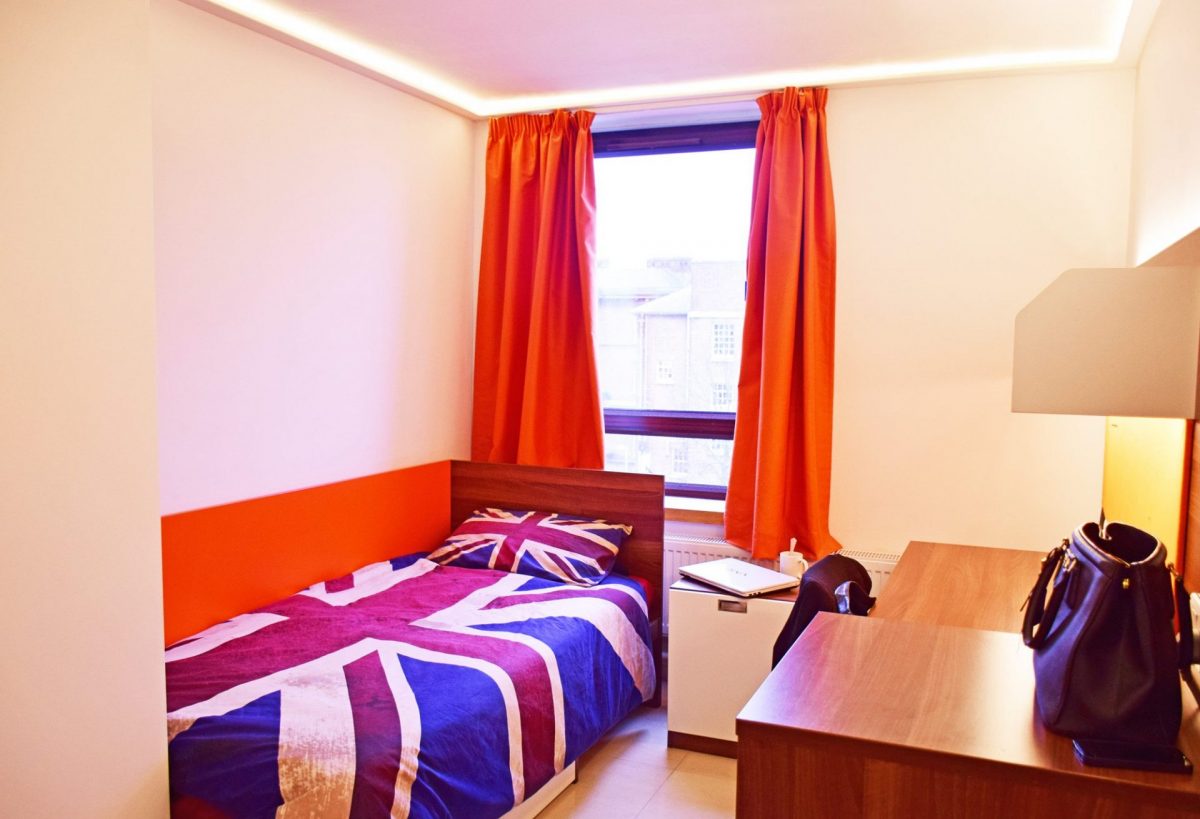
Do not overpack. Central London rooms can be compact, and storage is often limited. Buy bulky items after you have measured your room.
Accessibility and special requirements
If you need accessible accommodation, a quieter room, step-free access, an ensuite for medical reasons or support with a disability, contact your university or accommodation provider early.
Ask specifically about:
- Step-free route from street to room.
- Lift access and backup plans during maintenance.
- Accessible bathroom layout.
- Distance to teaching spaces and transport.
- Room adaptations, such as visual alarms or fridge space for medication.
- Support during fire alarms or evacuations.
Do this before booking, not after arrival. Accessible central London rooms can be limited, and the best solution may depend on both accommodation and campus location.
Final advice
For University of London students, the smartest accommodation search starts with one question: where will I actually be every week? Once you know that, compare halls, PBSA and private rentals by total cost, commute simplicity and contract risk.
If you are choosing from overseas or arriving in London for the first time, PBSA or official halls are usually the lowest-admin route. If you already know London and have flatmates, private renting can be cheaper, but only if the contract, deposit and commute all make sense.