Quick Overview
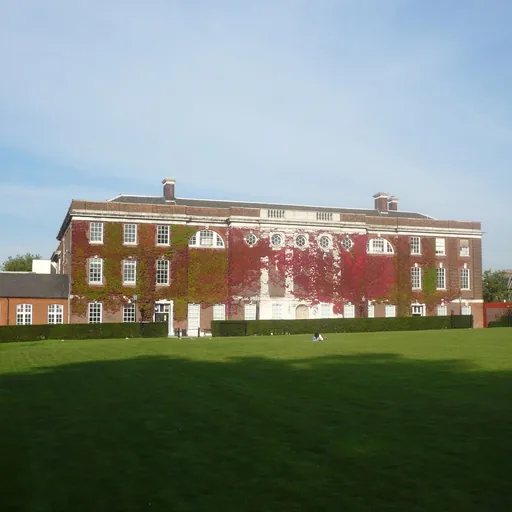
The Royal Academy of Music is a specialist conservatoire on Marylebone Road, London NW1 5HT, beside Regent's Park and within easy reach of Baker Street, Regent's Park and Great Portland Street stations. That location is brilliant for rehearsals, concerts and London life, but it also means accommodation planning needs to be realistic.
The Academy does not operate its own student halls. Instead, students usually choose from University of London Intercollegiate Halls, private purpose-built student accommodation (PBSA), International Students House, hostels, lodgings, flat shares and private rentals.
For most new students, especially international students arriving in London for the first time, PBSA or managed halls are the lowest-stress option because rent, utilities, maintenance and security are bundled into one setup. The key Royal Academy difference is practice: always check whether your instrument, voice practice or equipment is allowed in the building.
What Makes Housing Different for Music Students?
Royal Academy students are not just looking for a bed near campus. They often need:
- Reliable transport for early classes, late rehearsals and evening performances
- Quiet enough rooms for rest between intensive practice days
- Clear rules on instrument practice, singing and quiet hours
- Safe storage for instruments, laptops, concert clothing and sheet music
- Insurance that covers specialist musical instruments
- A commute that still works when carrying equipment
If two rooms look similar on price, choose the one with the clearer contract, better transport and fewer practice restrictions.
Best Accommodation Options Near the Royal Academy of Music
| Option |
Best for |
Typical monthly cost |
Main advantage |
Watch out for |
| University of London halls |
First years, international students |
GBP 960-1,750 |
Managed, social, often bills included |
Limited rooms and priority allocation |
| Private PBSA |
Students wanting predictable bills |
GBP 1,100-2,000+ |
Security, maintenance, amenities |
Practice restrictions and higher studio prices |
| International Students House |
Students wanting very close housing |
Varies by room type |
Around Great Portland Street, very close to the Academy |
High demand; apply early |
| Private flat share |
Second years and confident London renters |
GBP 850-1,300+ before some bills |
More choice and independence |
Guarantors, deposits, scams, bills |
| Lodgings or homestay |
Shorter stays or quieter living |
GBP 700-1,100 |
Often flexible and personal |
House rules, guests and practice limits |
| Hostels |
Short-term backup |
Varies |
Useful while searching |
Curfews, shared rooms, limited privacy |
University of London Halls
The Academy has access to a limited number of rooms in University of London Intercollegiate Halls. The Academy's accommodation guidance names:
- Nutford House: near Marble Arch, usually catered single rooms with shared bathrooms.
- College Hall: Bloomsbury, catered rooms, close to many University of London buildings.
- The Garden Halls: Bloomsbury/Cartwright Gardens, with catered and self-catered options.
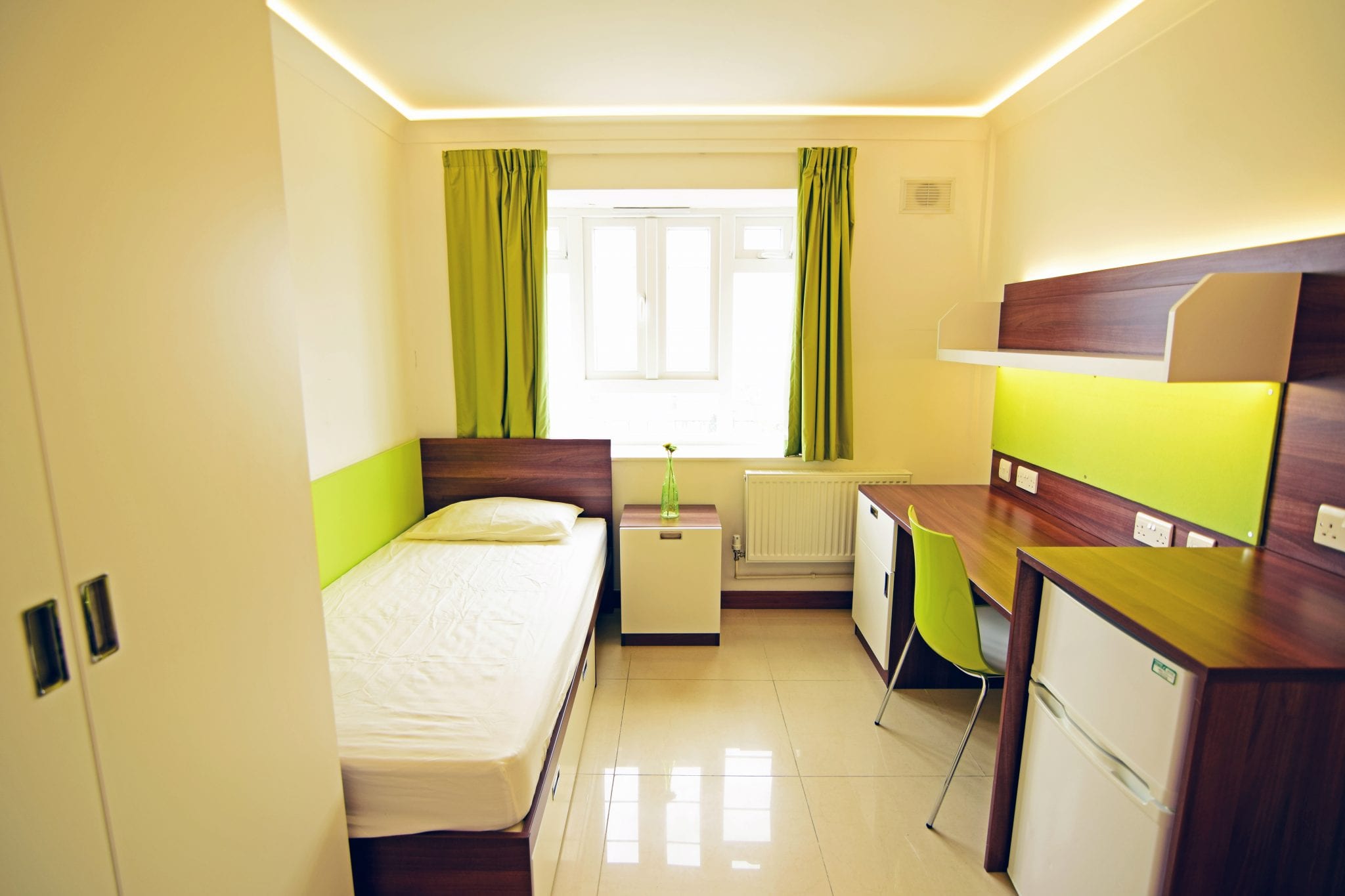
These halls are useful because they are managed, central and designed for students. However, places are often oversubscribed, and the Academy uses a priority system. Students with medical or special requirements, allergies, overseas students and first-year students may be considered earlier than later-year applicants.
Recent University of London hall pricing shows how wide the range can be:
| Hall example |
Indicative weekly rent |
Notes |
| Nutford House shared bathroom single |
Around GBP 275-295 |
Catered, central, usually one of the better-value central options |
| College Hall catered ensuite |
Around GBP 380+ |
Bloomsbury location, catered |
| Garden Halls standard/townhouse |
Around GBP 320-340+ |
Bloomsbury, popular with London students |
| Garden Halls ensuite catered |
Around GBP 430-450 |
More expensive, strong location and facilities |
Use those figures as planning anchors, not guarantees. Always check the current contract length, catering, deposit and room type before accepting.
PBSA: The Practical Default for Many Students
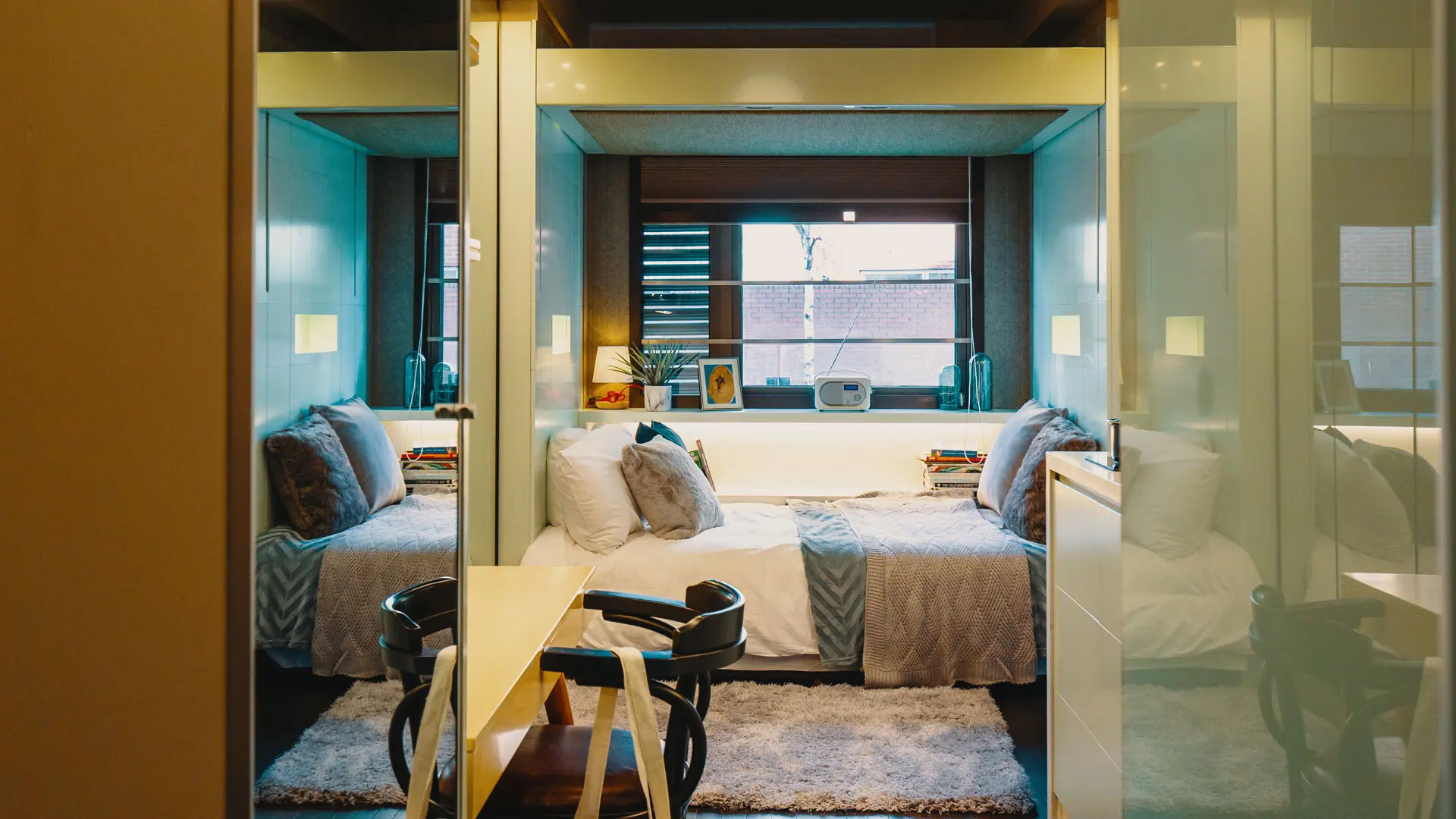
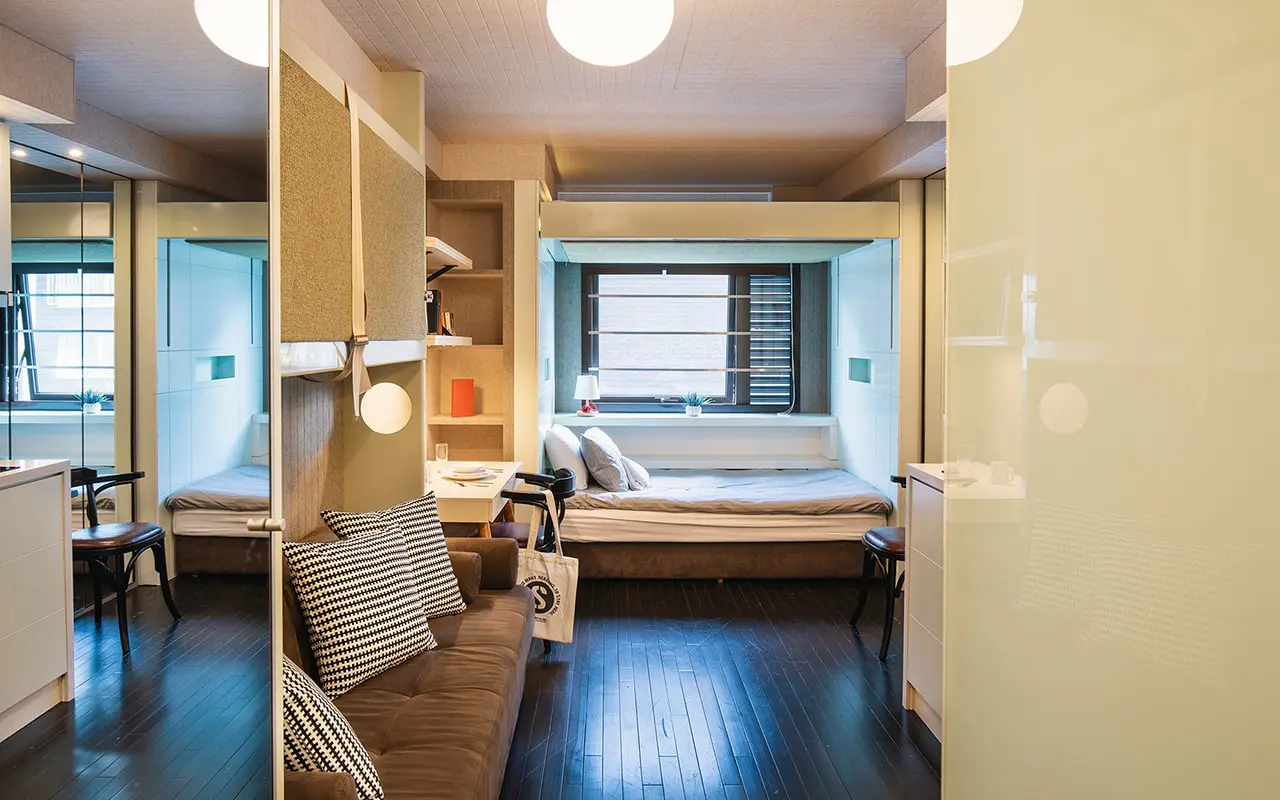
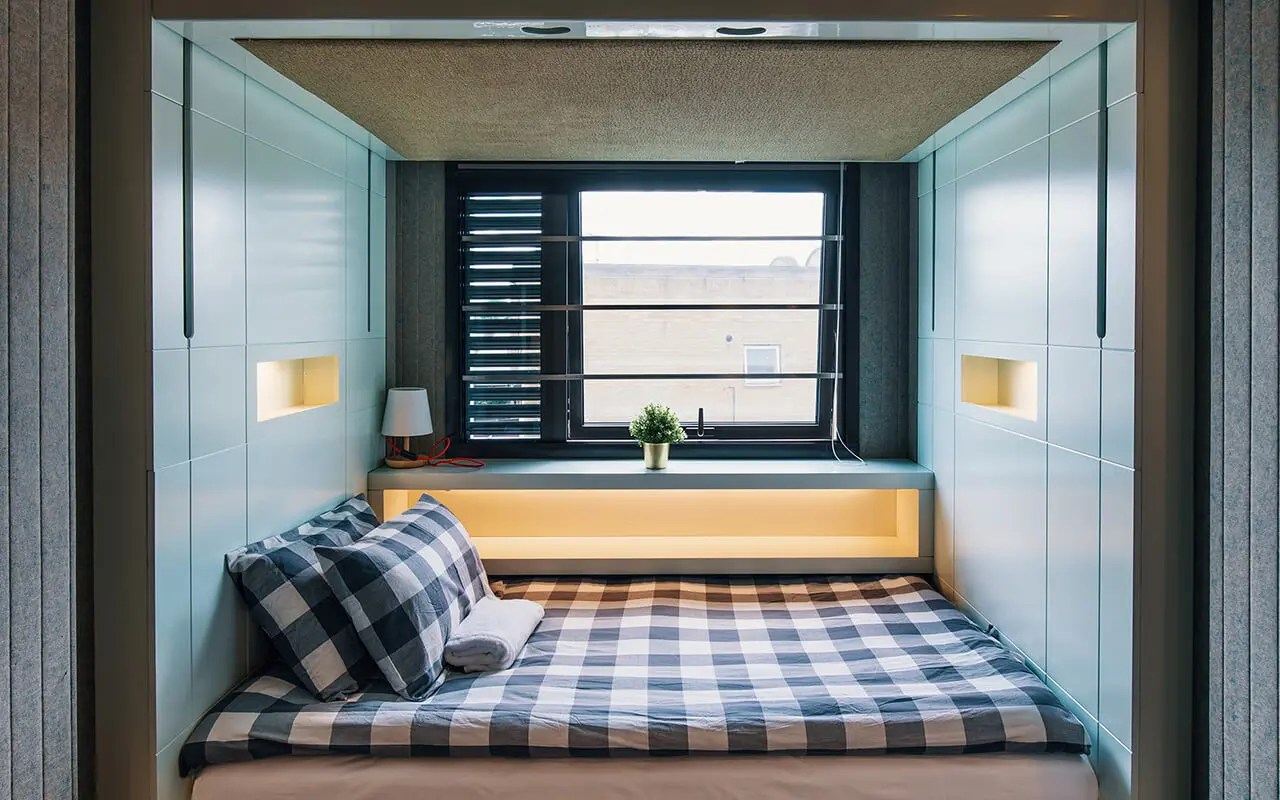
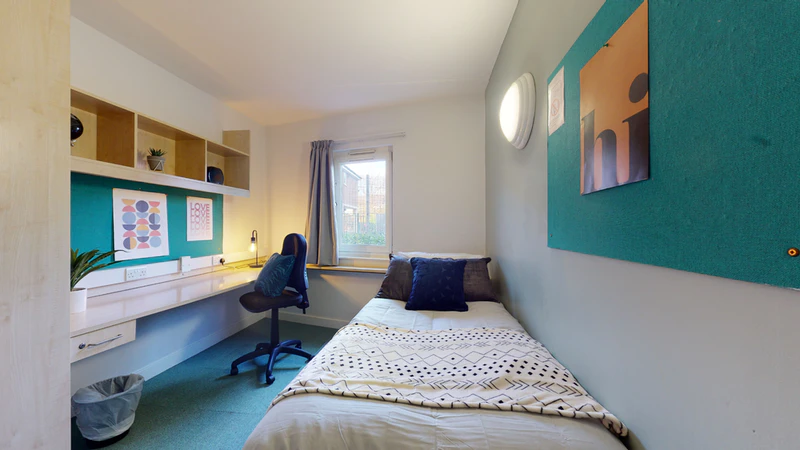
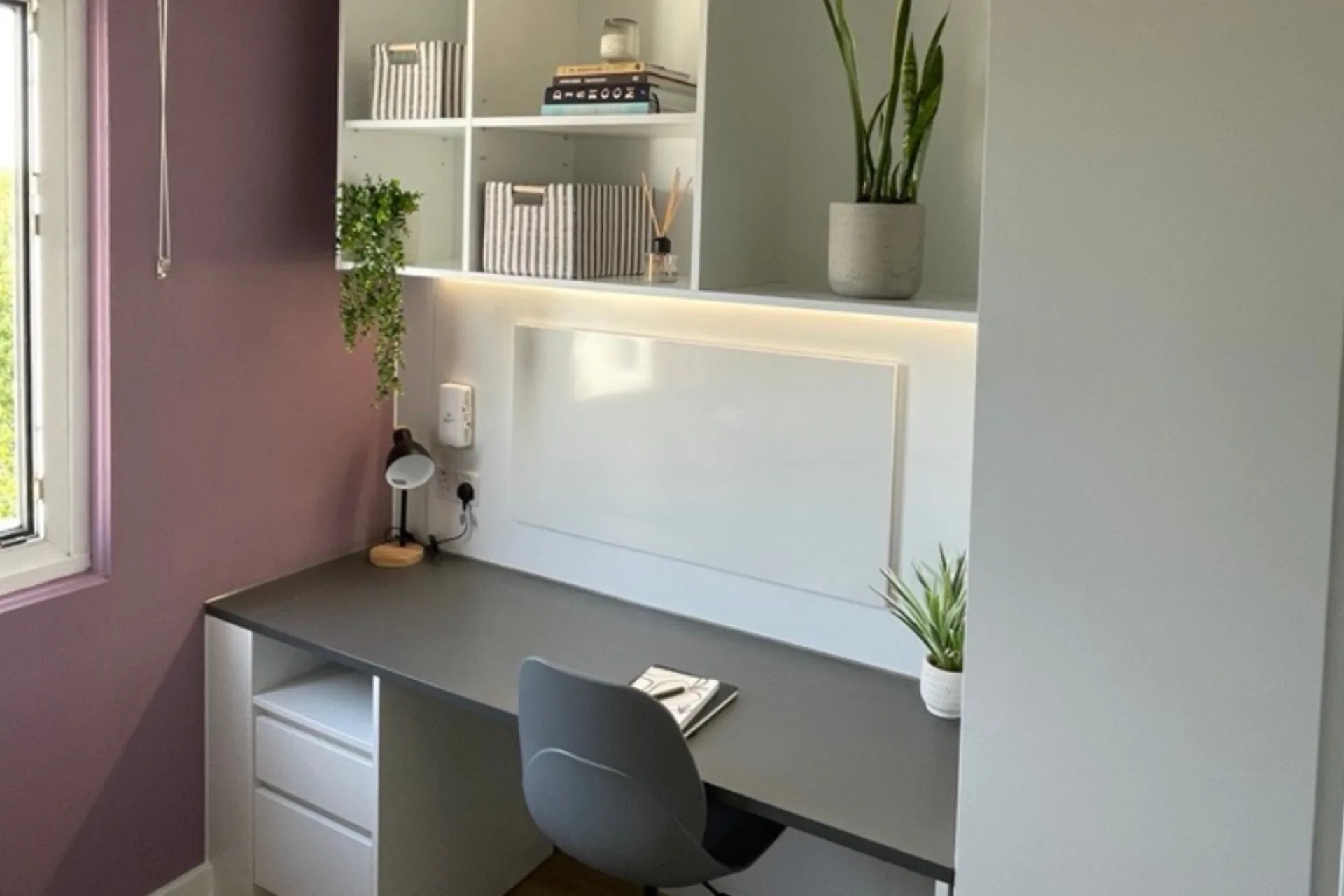
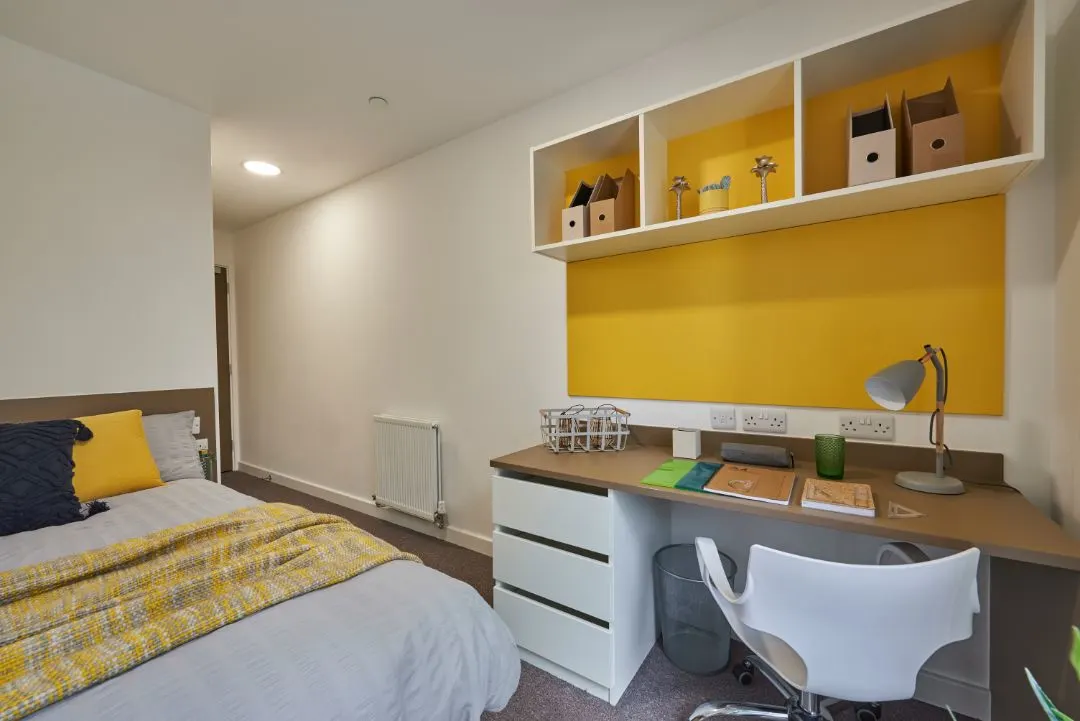
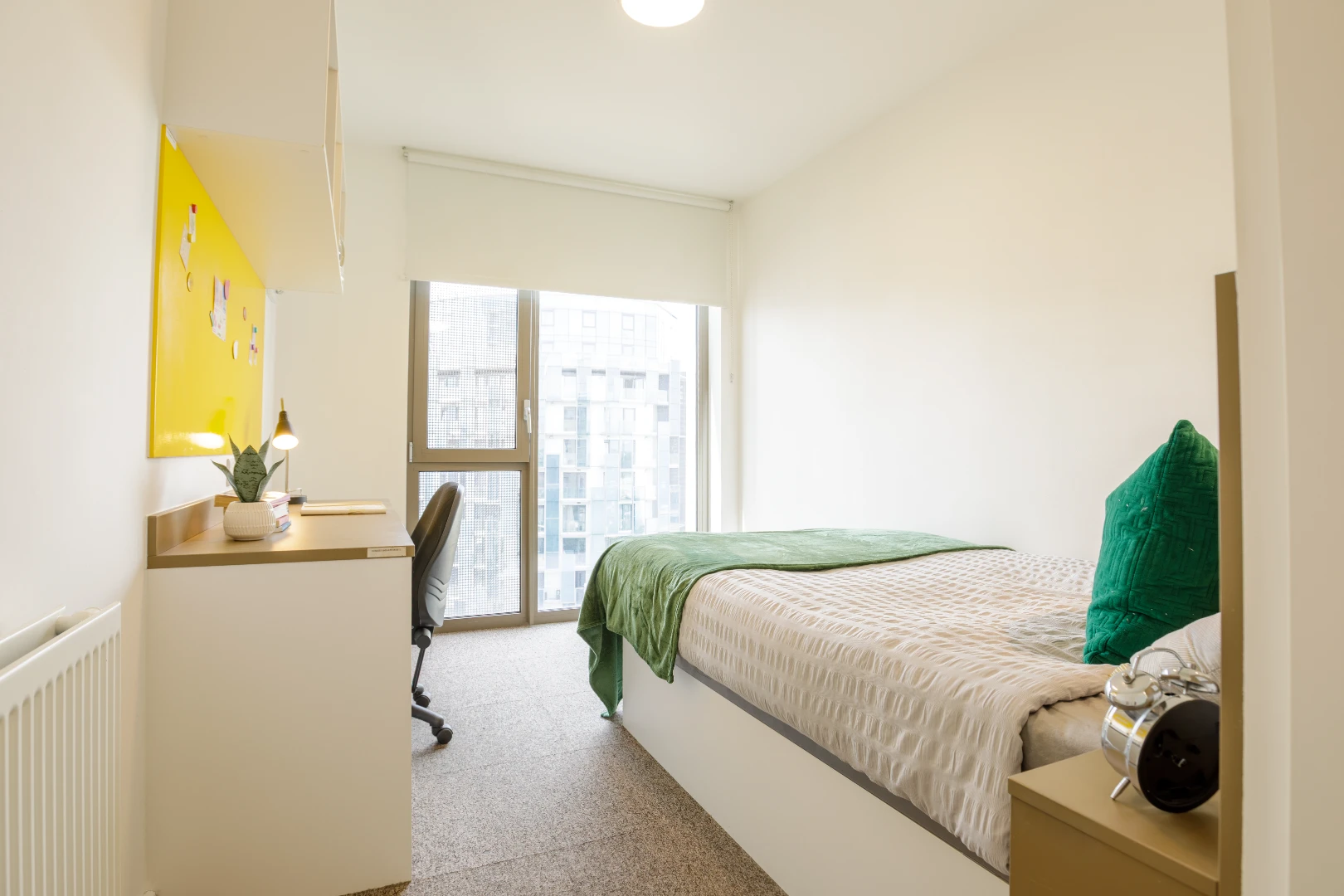
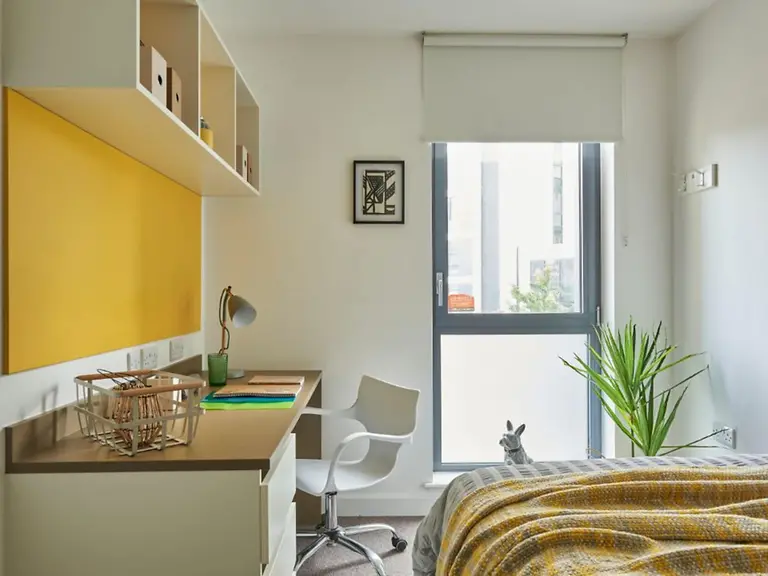
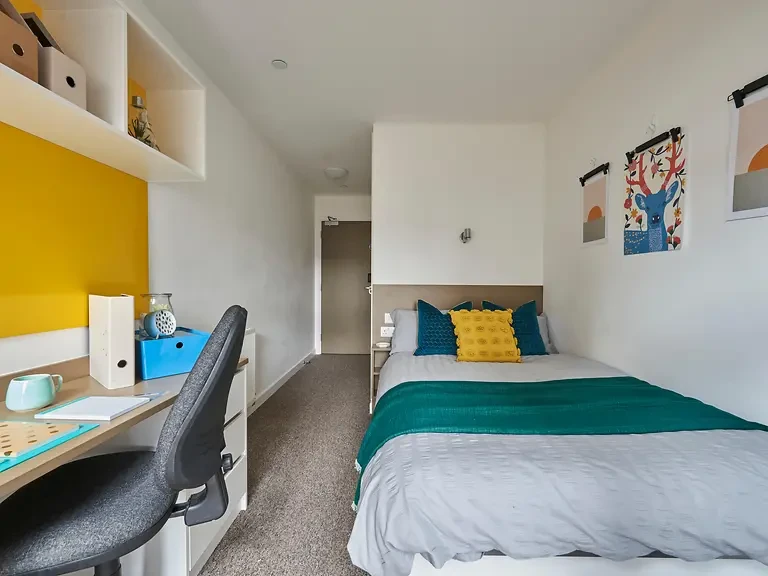
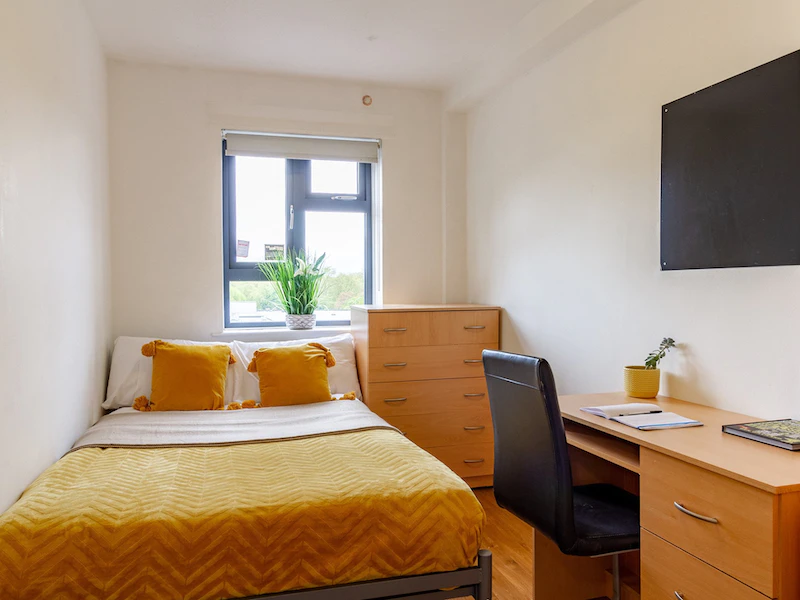
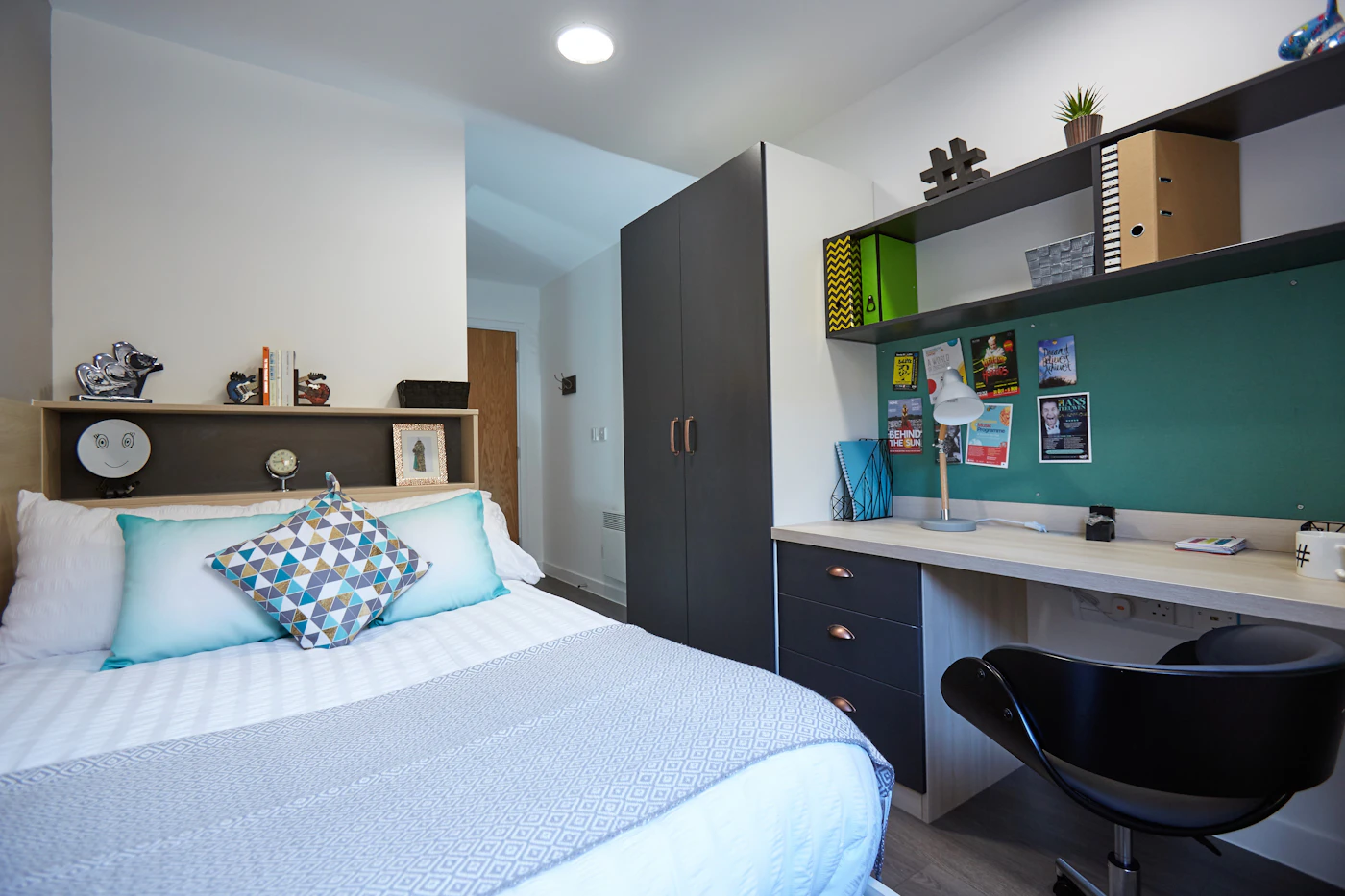
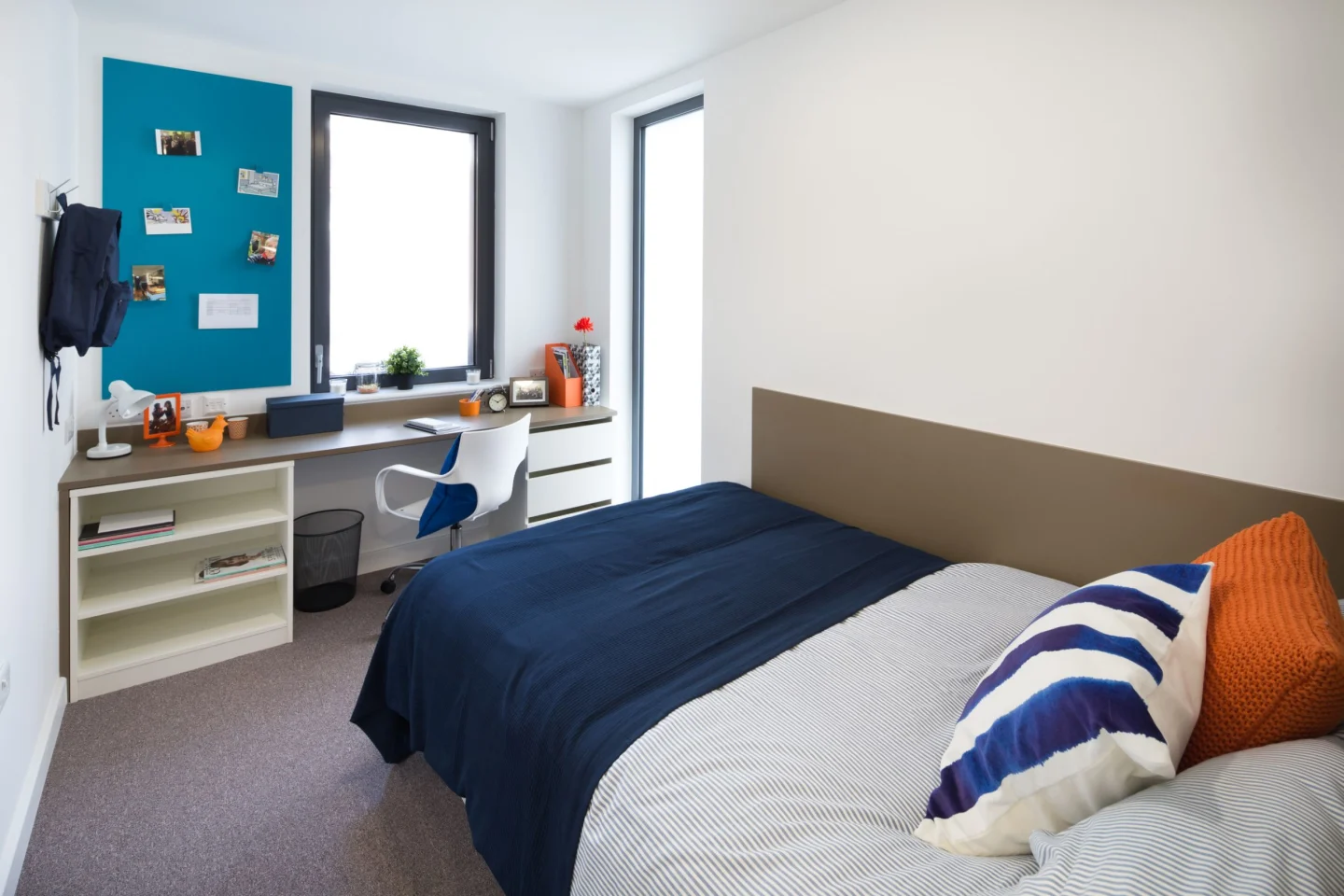
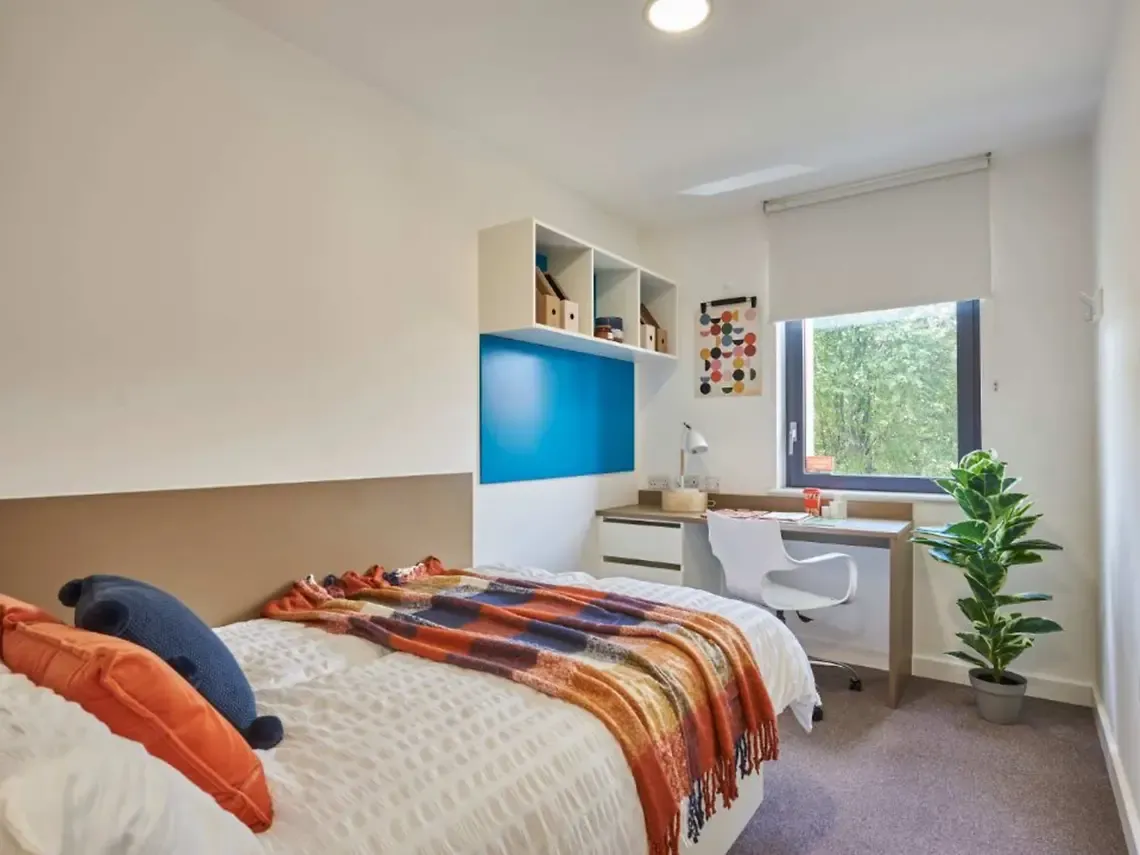
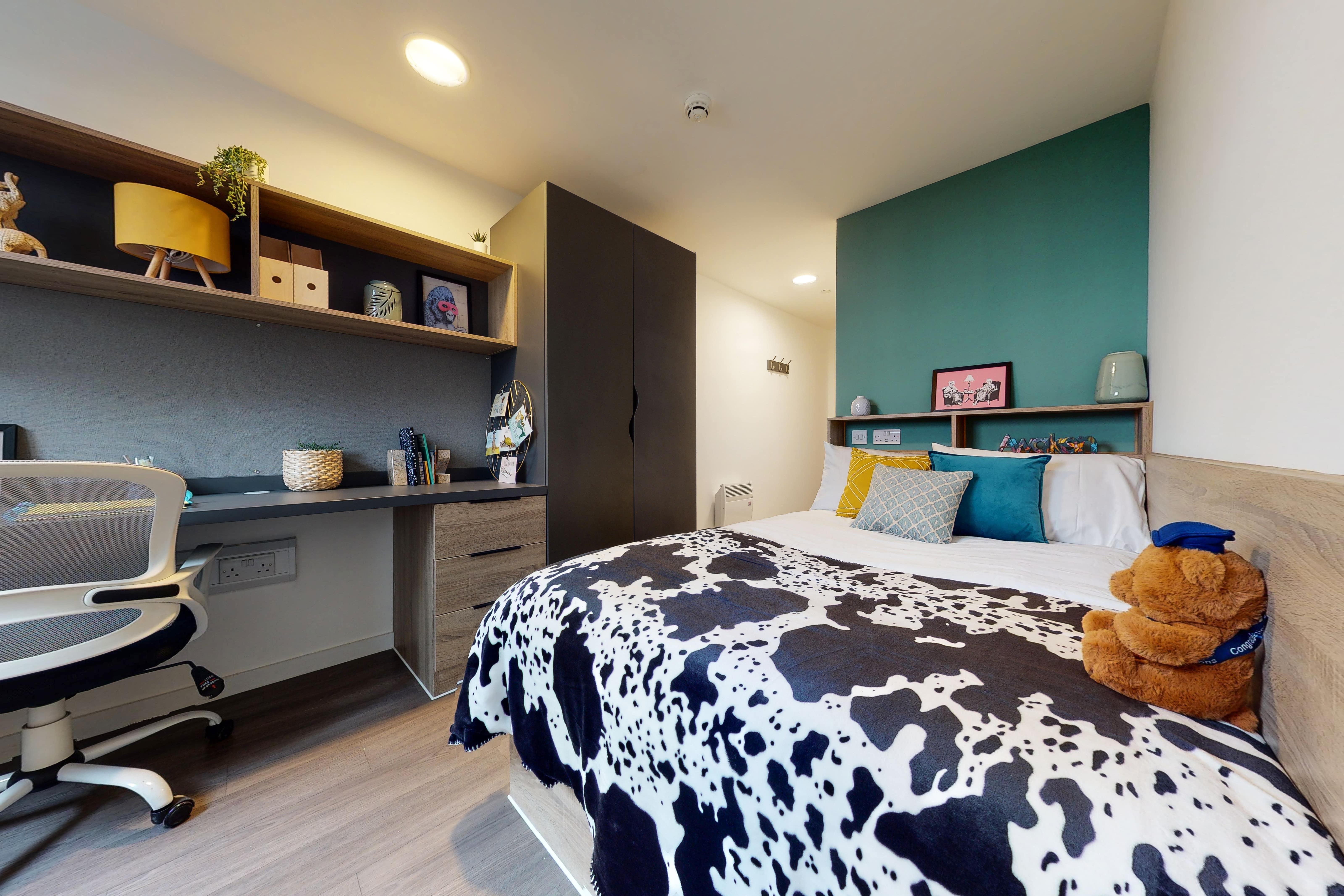
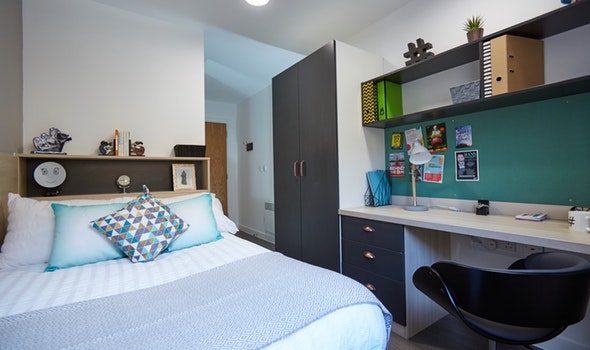
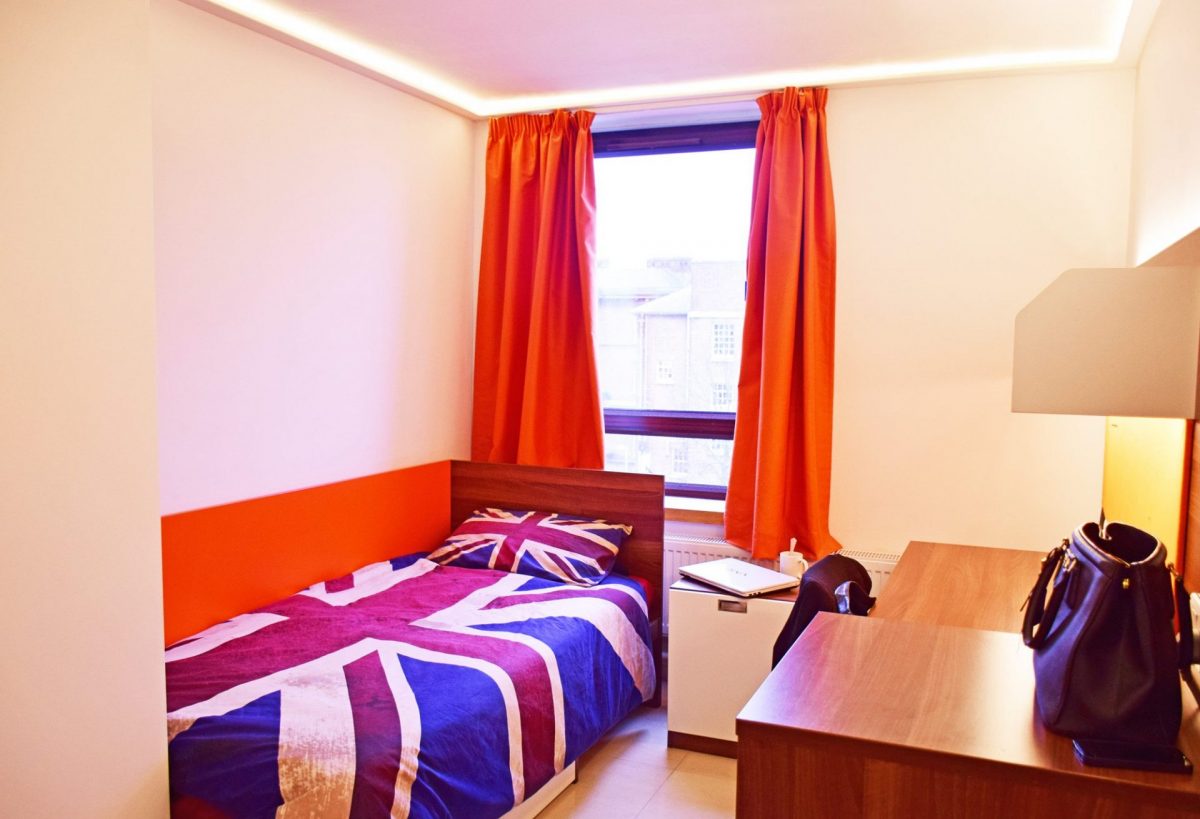
PBSA means private student residences built specifically for students. Around central and north London, providers may offer ensuite rooms, studios, shared kitchens, study rooms, gyms, cinema rooms, laundry, parcel handling and 24/7 support.
For Royal Academy students, PBSA works best when it gives you:
- A simple monthly budget with utilities and Wi-Fi included
- Good night-time transport after concerts and rehearsals
- Secure access and parcel handling
- Maintenance support without chasing a landlord
- A private study space for scores, listening work and academic assignments
Before booking, ask direct questions:
- Are acoustic instruments allowed in bedrooms?
- Are singing or vocal warmups treated differently from instrument practice?
- Are there bookable music rooms nearby?
- Is instrument storage allowed in the room?
- Are contents and instrument insurance included or separate?
- What happens if your course dates, visa or audition result changes?
Best Areas to Live
Marylebone and Baker Street
Best for: shortest commute. This is the dream location if budget allows. You can walk to the Academy, Regent's Park and many central London venues. The drawback is cost: private studios and one-bed flats are expensive, and even room shares can move quickly.
Bloomsbury and Fitzrovia
Best for: student atmosphere with central access. Bloomsbury works well because of the University of London halls, libraries, cafes and quick bus or Tube links. Fitzrovia is slightly more expensive but puts you between the Academy, Oxford Street and the West End.
Camden and Kentish Town
Best for: music, nightlife and direct routes. Camden suits students who want a lively area with venues, food, markets and Northern line links. It can be busy and noisy, so inspect the exact street before signing.
King's Cross and Euston
Best for: transport and PBSA choice. These areas are convenient for London-wide travel and have many student buildings nearby. The commute to Marylebone is manageable by bus, Tube or cycling.
Paddington, Maida Vale and Kilburn
Best for: west and north-west London value. These areas can offer a better balance between commute time and rent. They are useful if you want access to Bakerloo, Jubilee, Elizabeth line or bus routes.
Finsbury Park, Holloway and Willesden
Best for: lower rent with a longer commute. These areas often give students more room for the money. Check exact travel times late at night and avoid choosing purely on weekly rent.
Expected Monthly Budget
The Academy's own living-cost examples show that London budgets vary sharply by housing type. A house-share example may sit around GBP 1,250-1,620 per month all in, while a halls example may be around GBP 1,450 per month once food, travel, socialising and course costs are included.
| Budget item |
Lower-cost plan |
Moderate plan |
Higher-cost plan |
| Accommodation |
GBP 960 |
GBP 1,380 |
GBP 1,850+ |
| Food |
GBP 210 |
GBP 340 |
GBP 520 |
| Public transport |
GBP 35-75 |
GBP 75-135 |
GBP 135+ |
| Social and entertainment |
GBP 100 |
GBP 160 |
GBP 260 |
| Course extras |
GBP 40 |
GBP 85 |
GBP 160+ |
| Instrument insurance/maintenance |
GBP 10-40 |
GBP 40-90 |
GBP 100+ |
Important: music students should budget separately for reeds, strings, scores, concert clothes, instrument servicing, travel to performances and insurance. These costs do not always appear in standard student accommodation budgets.
Transport to the Academy
The Academy is in central London, so you can commute from many directions. Nearby stations include Baker Street, Regent's Park, Great Portland Street and Marylebone. Several bus routes also run along Marylebone Road and nearby corridors.
Good commute rules:
- Keep your normal commute within 20-35 minutes if you have daily practice, lessons and rehearsals.
- Check the route with an instrument, not just with an empty backpack.
- Look for direct Tube or bus routes where possible.
- If you expect late rehearsals, check night bus routes and safe walking distances.
- Full-time enrolled students can usually apply for an 18+ Student Oyster photocard for discounted weekly and monthly travelcards.
Booking Timeline
| When |
What to do |
| October-January |
Research areas, compare PBSA, estimate your full London budget |
| February-March |
Shortlist halls, PBSA and backup private options |
| March-April |
Watch for Academy/UoL accommodation application windows and private hall releases |
| May-June |
Apply to more than one option; do not rely on a single hall choice |
| June-August |
Review offers, contracts, guarantor requirements and cancellation rules |
| August-September |
Confirm arrival date, inventory, insurance and travel route to campus |
If you need a visa, do not leave housing until the final weeks. London rooms near central conservatoires can disappear quickly.
Scam Prevention and Safety
London's private rental market moves fast, which makes students vulnerable to pressure tactics. Protect yourself with a simple rule: do not pay money until you know who you are paying, what you are renting and what contract protects you.
Before paying a deposit:
- View the property in person or by live video.
- Check that the landlord or agent is legitimate.
- Never pay a fee just to view or be "introduced" to a property.
- Ask which tenancy deposit scheme will protect your deposit.
- Be wary of unusually cheap central London rooms.
- Use the University of London Housing Services and House Hunt platform where possible.
- For shared houses with five or more people, ask about the HMO licence.
International Student Guide and Right to Rent
International students should prepare documents early. For private rentals in England, landlords and agents must complete Right to Rent checks. You may need:
- Passport
- Visa or immigration status share code
- CAS or student status evidence
- Proof of funds or sponsor letter
- UK guarantor details, or a guarantor service
- Previous landlord or halls reference, if available
Overseas students without a UK guarantor may be asked for several months' rent in advance. This can be expensive and hard to recover if plans change, so read cancellation rules carefully before paying.
Tenancy Agreement Cheat Sheet
Check these points before signing:
- Rent: weekly or monthly, and whether bills are included.
- Deposit: amount, protection scheme and refund process.
- Contract length: 40, 43, 50 or 51 weeks can change the true annual cost.
- Guarantor: whether one is needed per tenant or per property.
- Practice rules: instruments, singing, quiet hours and complaints procedure.
- Guests: overnight limits and sign-in rules.
- Repairs: how to report issues and expected response times.
- Exit terms: cancellation, replacement tenant rules and notice periods.
- Council tax: full-time students are usually exempt, but mixed households need extra care.
What to Pack vs What Is Usually Provided
| Usually provided in halls/PBSA |
Bring or arrange yourself |
| Bed, mattress, desk, chair, wardrobe |
Bedding, towels and laundry bag |
| Wi-Fi and utilities |
Laptop, headphones and chargers |
| Shared kitchen or meal plan |
Kitchen kit if self-catered |
| Laundry facilities |
Detergent and clothes airer if allowed |
| Basic security and maintenance |
Contents and instrument insurance |
| Common rooms or study areas |
Scores, stands and permitted practice aids |
For instruments, bring a plan rather than just the instrument. You may need a hard case, lockable storage, humidifier, specialist insurance and a clear agreement on where practice is allowed.
Accessibility and Special Requirements
If you have a disability, health condition, allergy, mobility requirement, sensory need or essential accommodation preference, contact the Academy accommodation team early. The Academy's priority system for University of London halls considers medical conditions, special requirements and food allergies, but rooms are limited and evidence may be required.
When comparing accommodation, ask about:
- Step-free access from street to room
- Lift reliability
- Accessible bathrooms
- Distance to public transport
- Fridge access for medication
- Quiet rooms or lower-stimulation environments
- Emergency evacuation procedures
- Whether staff can support reasonable adjustments
Final Advice
For Royal Academy of Music students, the best accommodation is usually the one that protects your time and routine. A slightly longer commute can be fine if the route is reliable, but unclear practice rules or a risky private contract can become a daily problem.
Start with University of London halls and PBSA, keep a private-rental backup, and judge every option by four tests: budget, commute, contract and practice compatibility.