Overview: finding accommodation near LSHTM
London School of Hygiene & Tropical Medicine is based on Keppel Street in Bloomsbury, Central London, close to University College London, Senate House, the British Museum, Russell Square and Tottenham Court Road. The location is excellent for transport and academic life, but it also means accommodation close to campus is among the most competitive in the UK.
The key thing to know: LSHTM does not have its own student accommodation. Instead, students usually choose between:
- University of London Intercollegiate Halls with a small LSHTM allocation.
- PBSA and private student halls across London.
- Private flatshares or studios, often in Zones 2 to 4 for better value.
- Short-stay accommodation for students arriving before a long-term tenancy begins.
For most new students, especially international students, PBSA is the most predictable option because rent usually includes furniture, bills, Wi-Fi, building security, maintenance and student-focused support. Private renting can be cheaper, but it carries more admin and requires stronger scam checks.
Quick facts for LSHTM students
| Detail |
What it means for accommodation |
| Main campus |
Keppel Street, Bloomsbury, London WC1E 7HT |
| Closest Tube stations |
Goodge Street, Russell Square, Tottenham Court Road, Euston Square, Warren Street and Euston |
| University halls |
LSHTM has a limited University of London allocation, not a guarantee |
| Best-value search pattern |
Look beyond Zone 1, especially near direct Tube and bus links |
| Most practical first choice |
PBSA or private halls if you want bills included and a managed building |
| Private rental warning |
Do not pay for a room you have not viewed or verified |
PBSA near LSHTM: the easiest route for many students
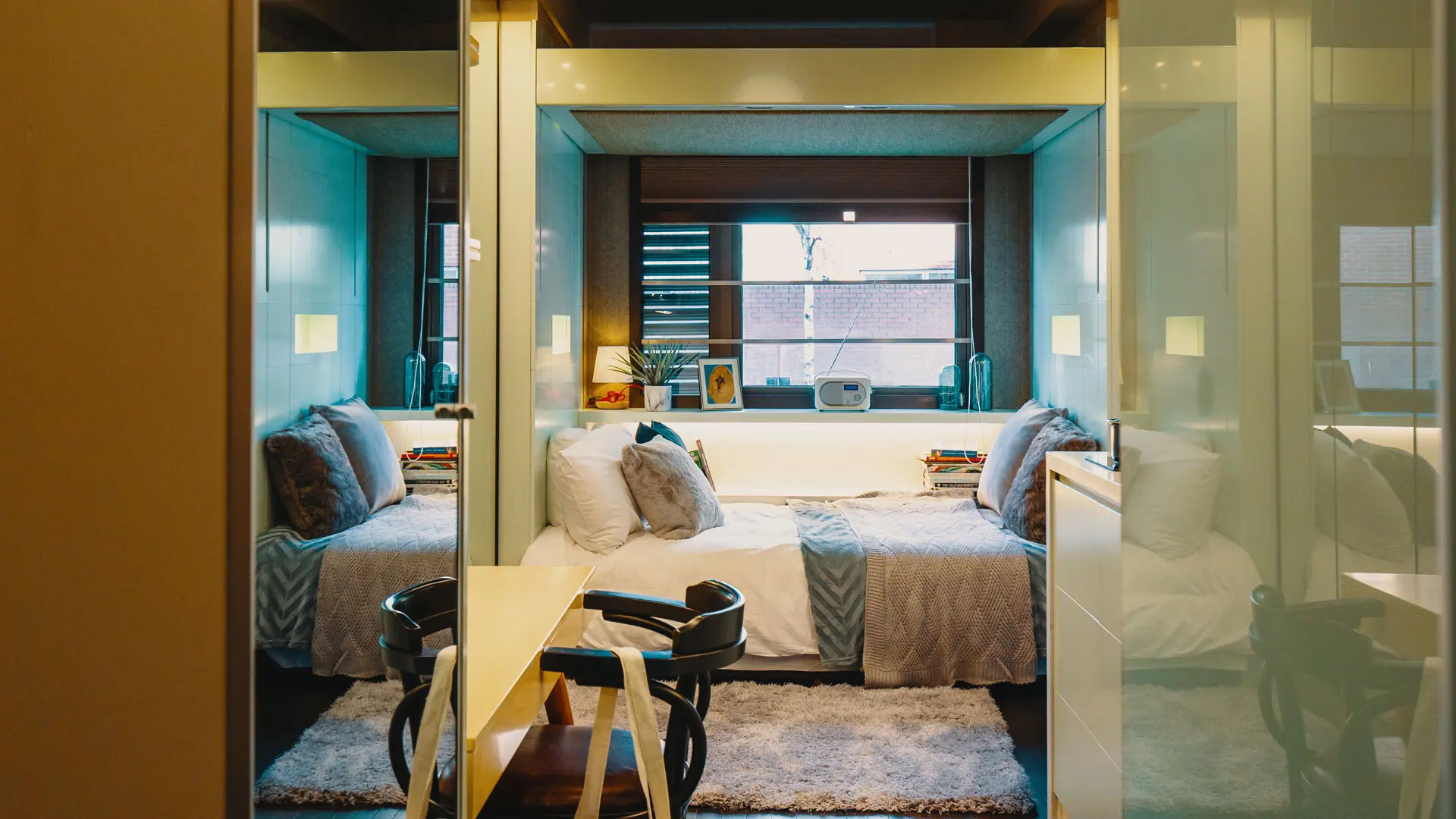
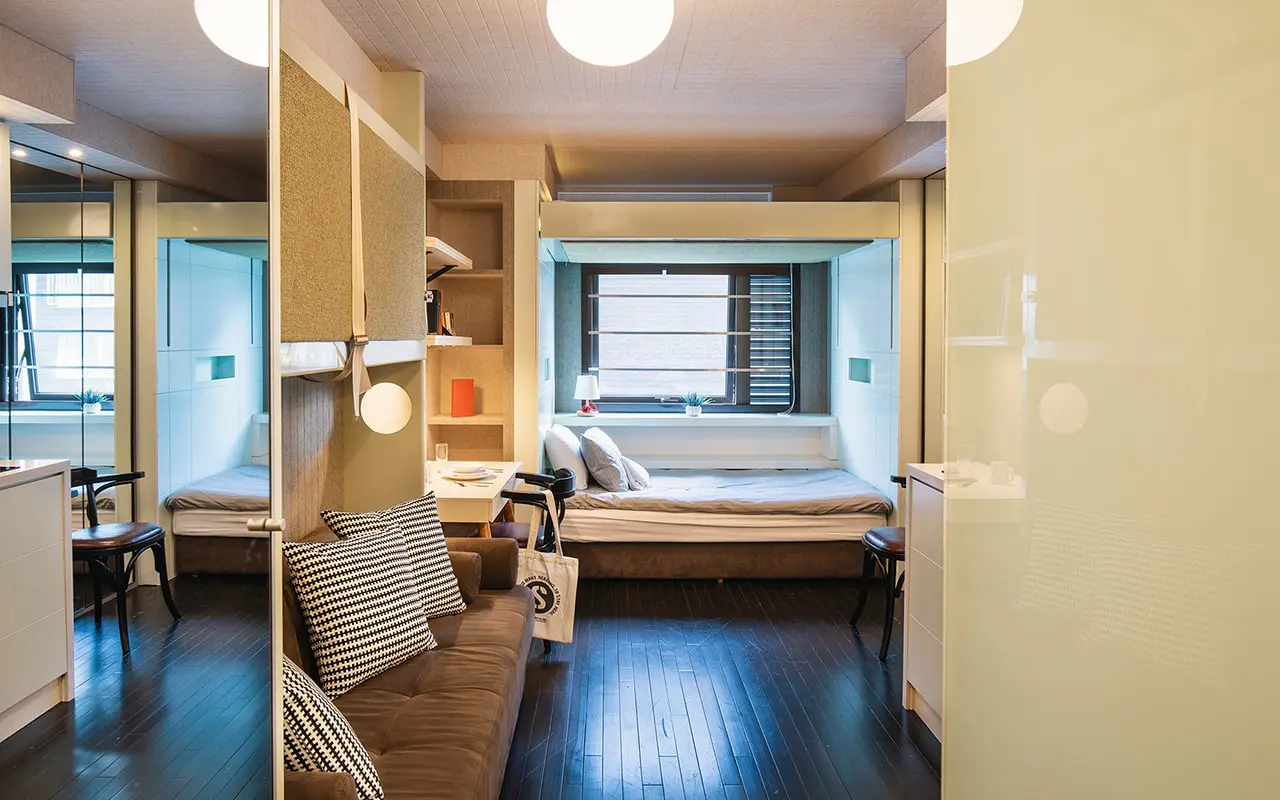
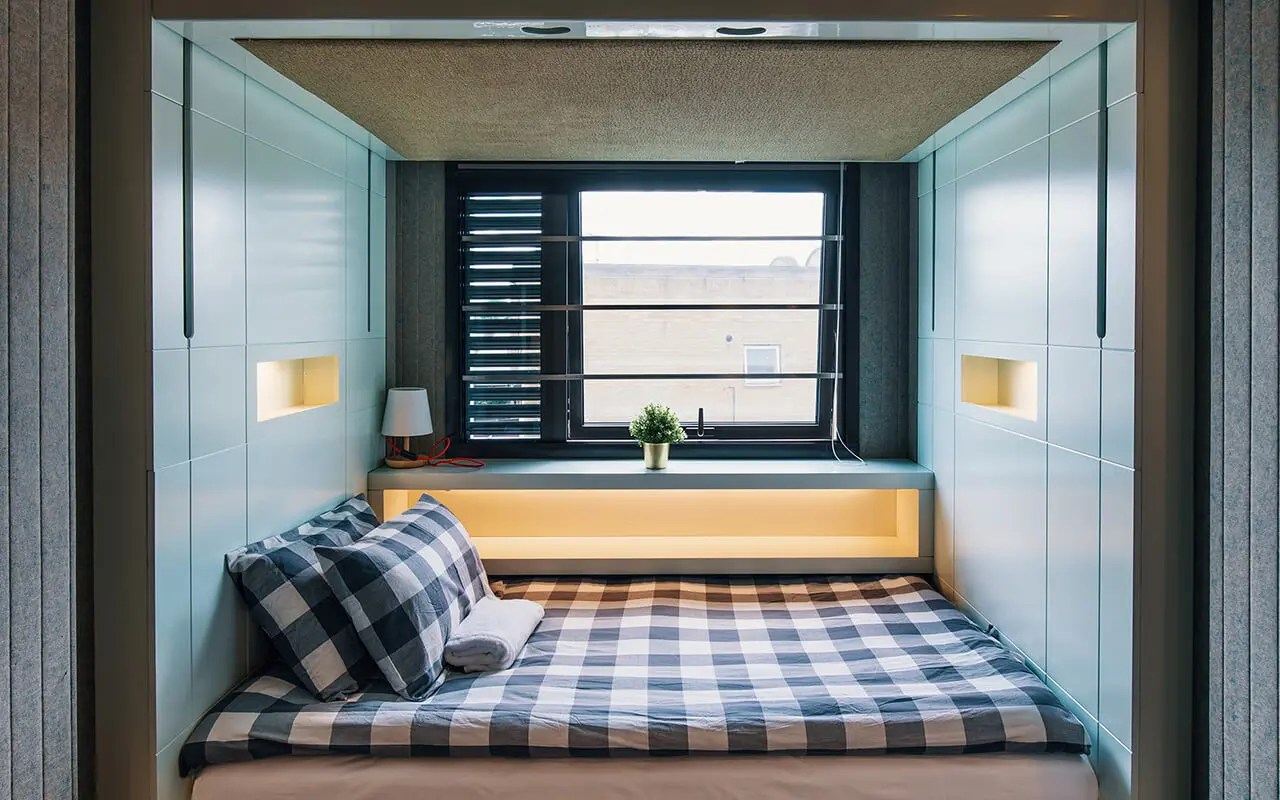
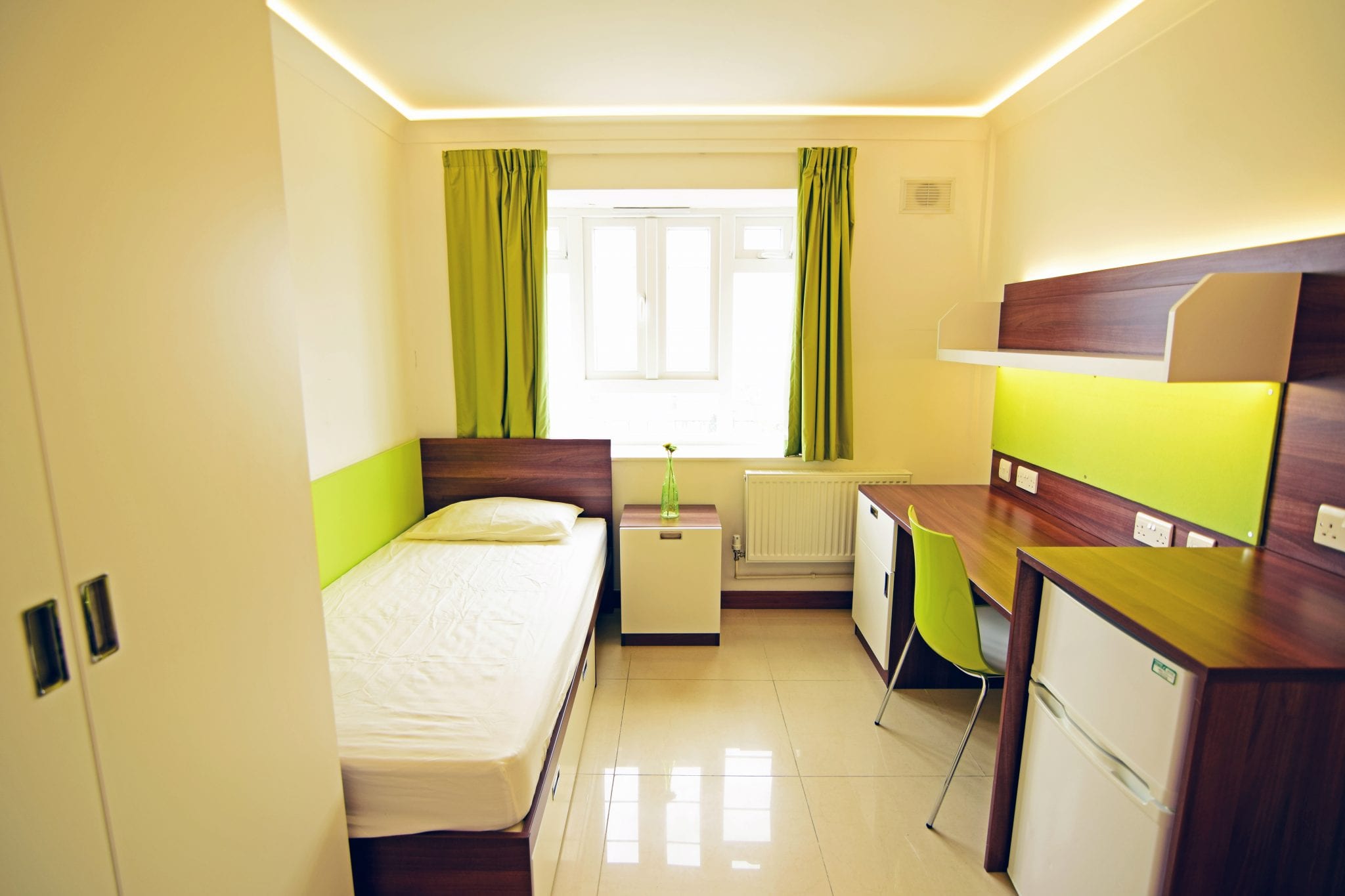
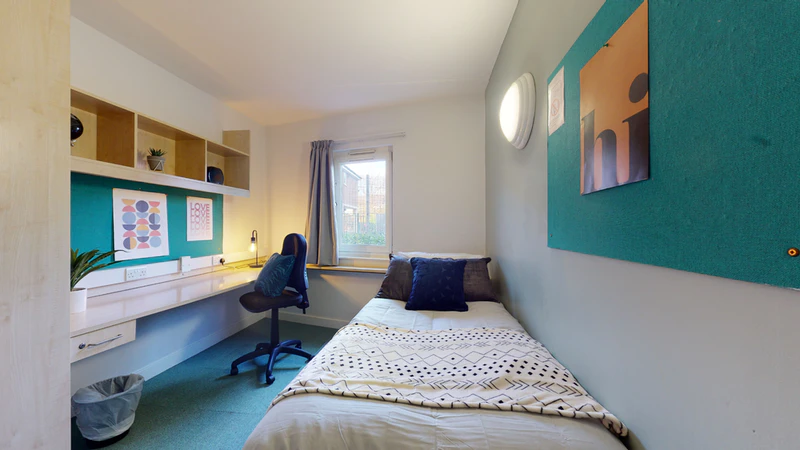
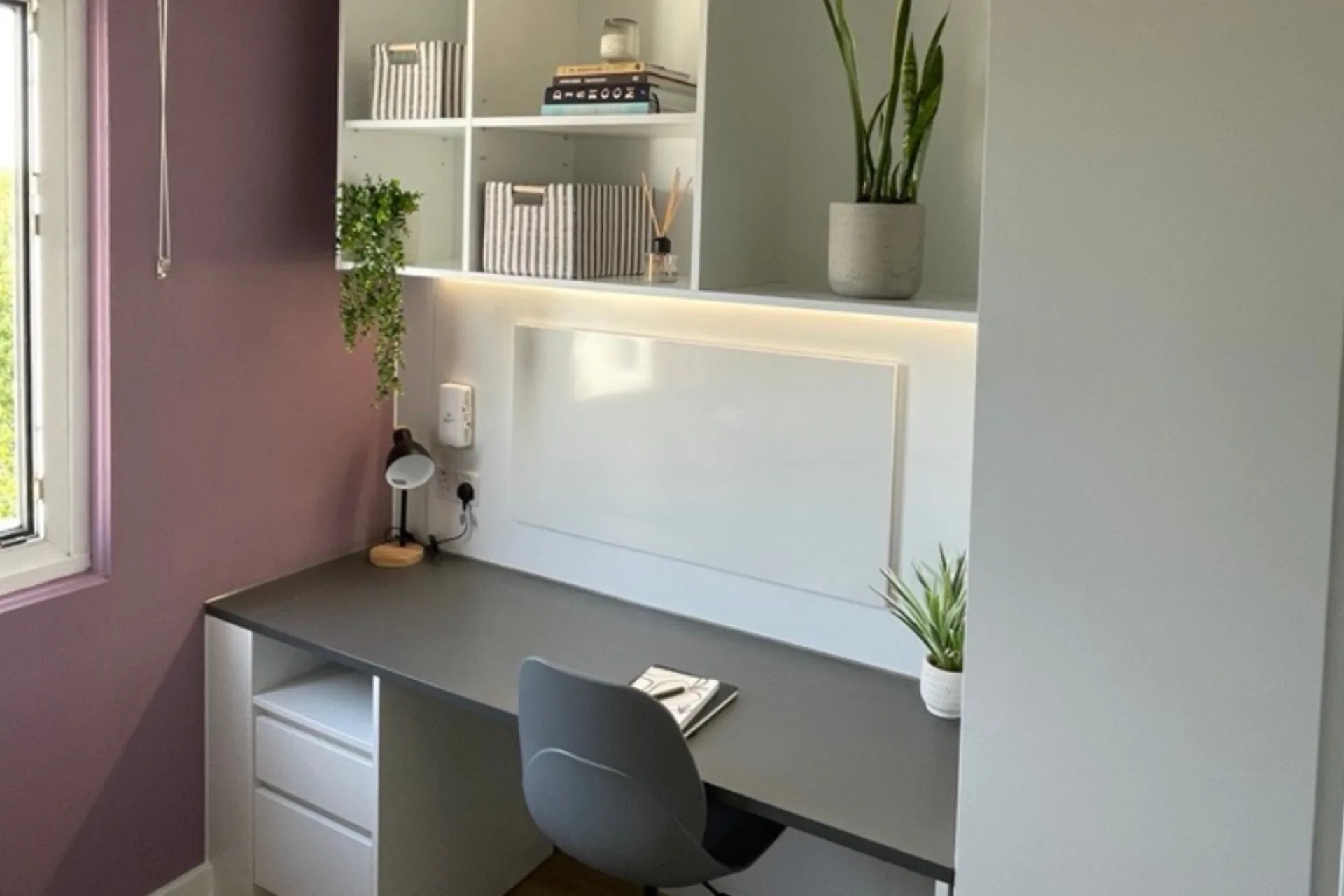
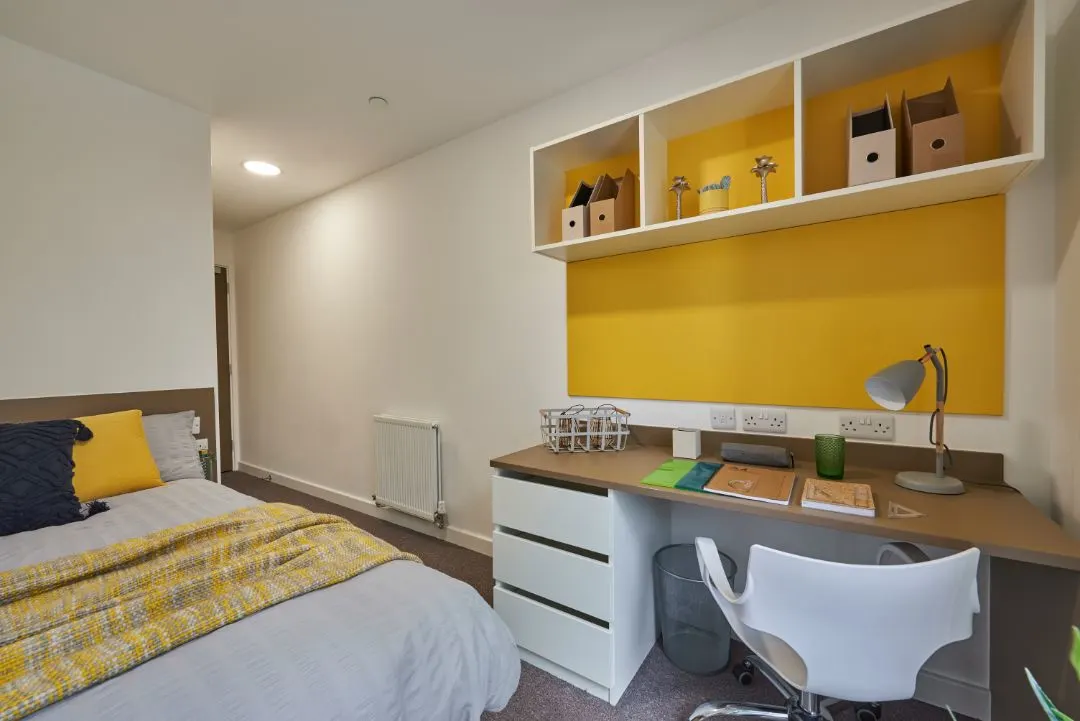
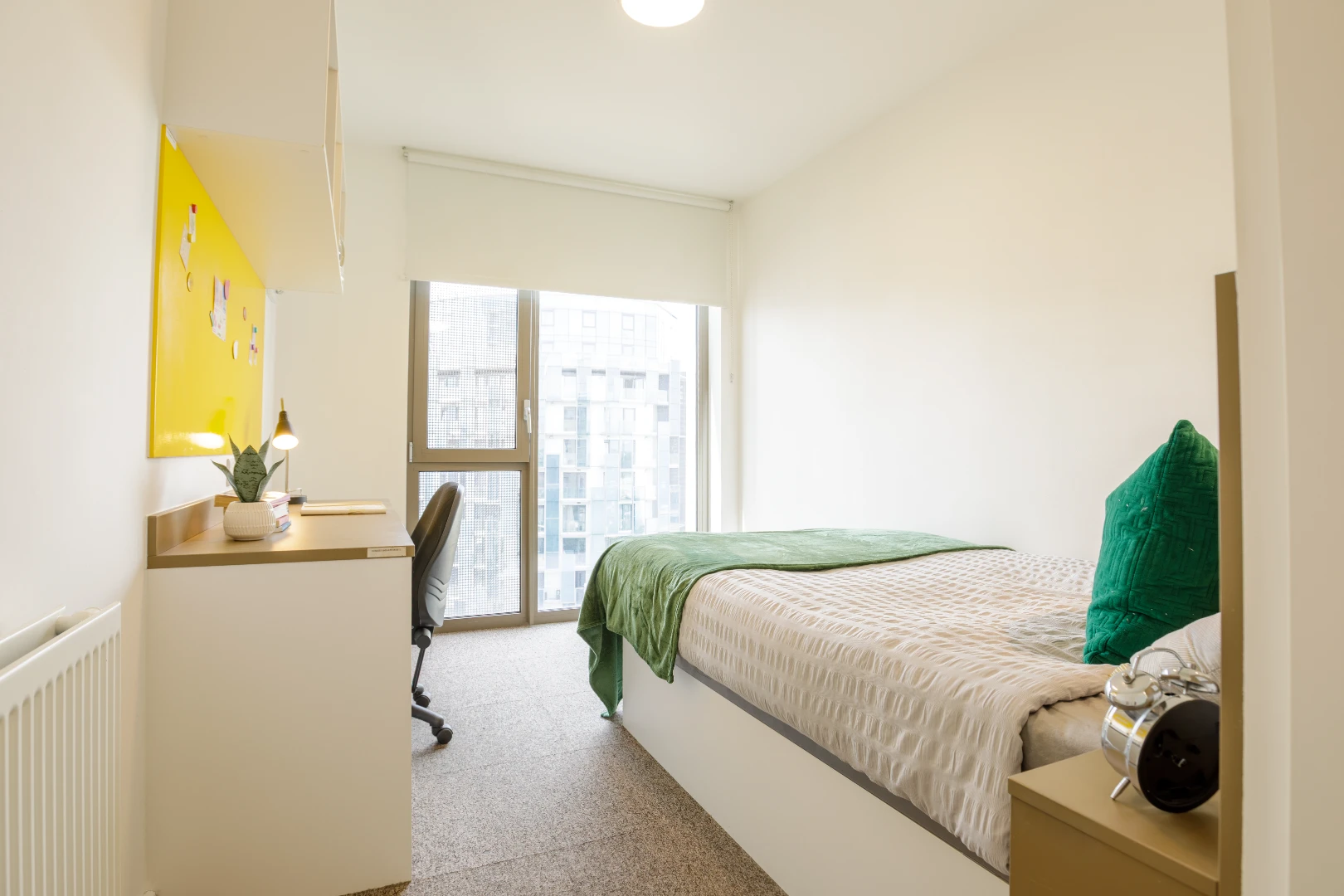
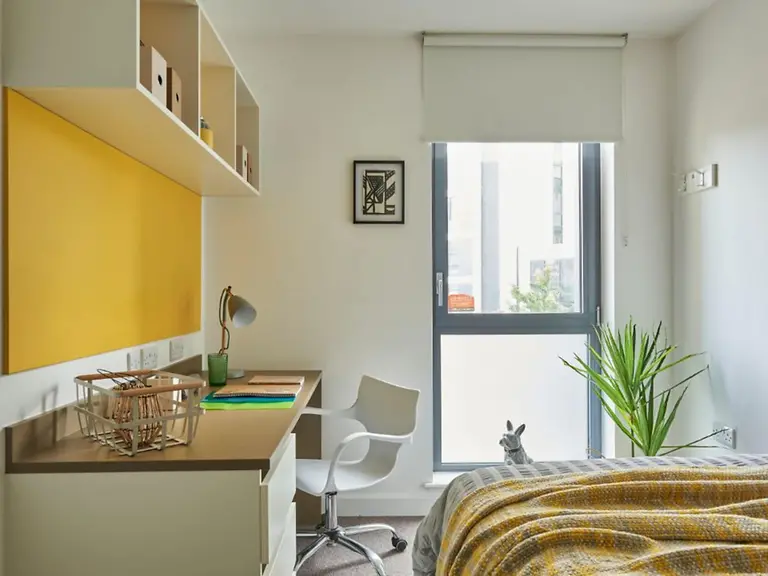
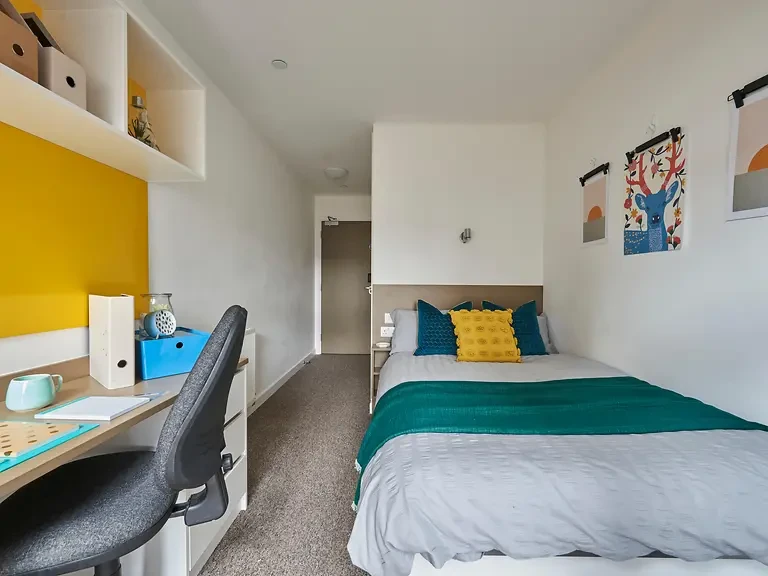
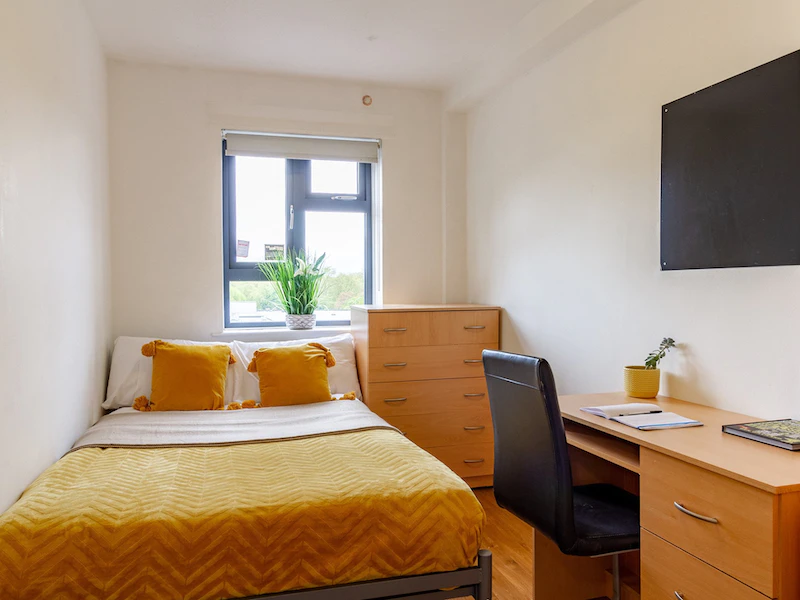
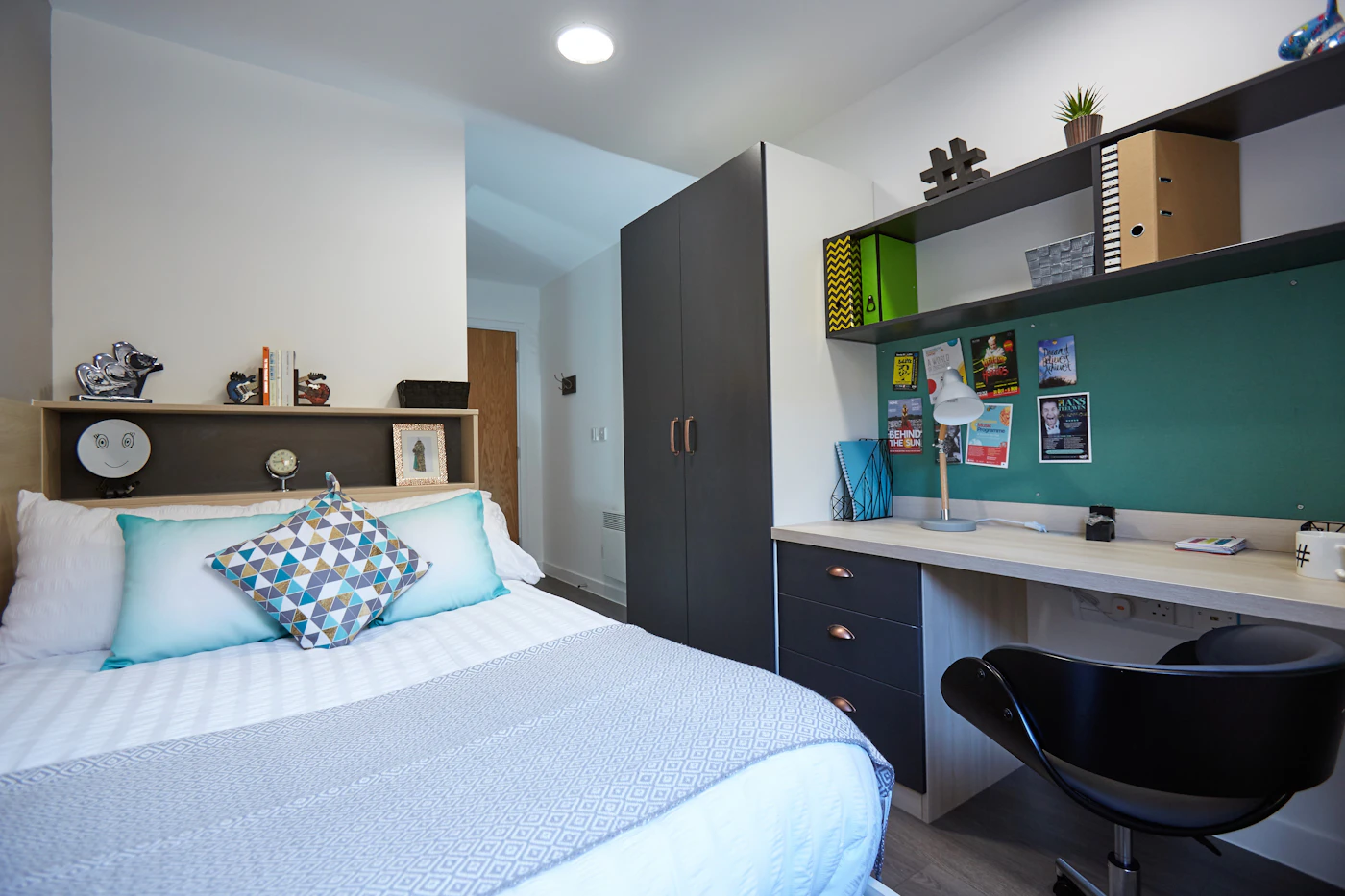
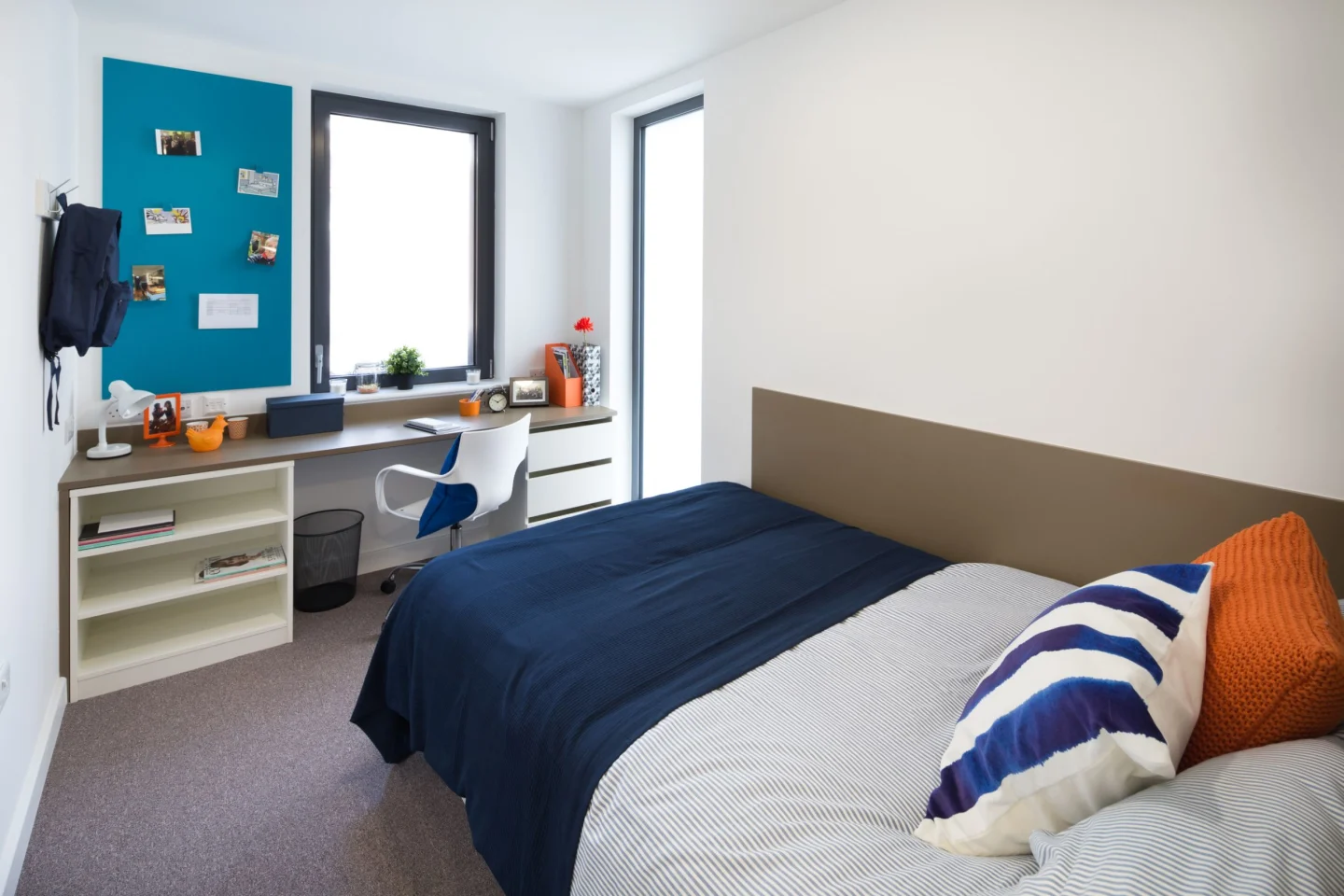
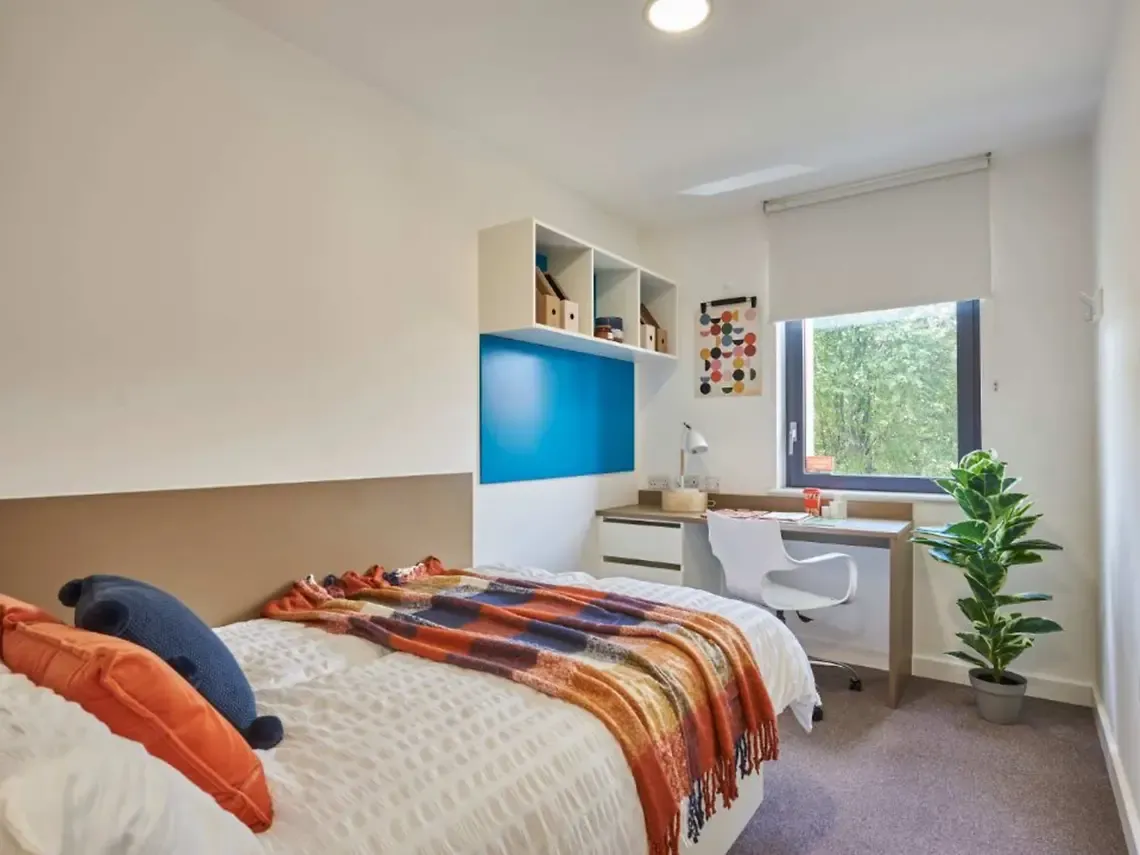
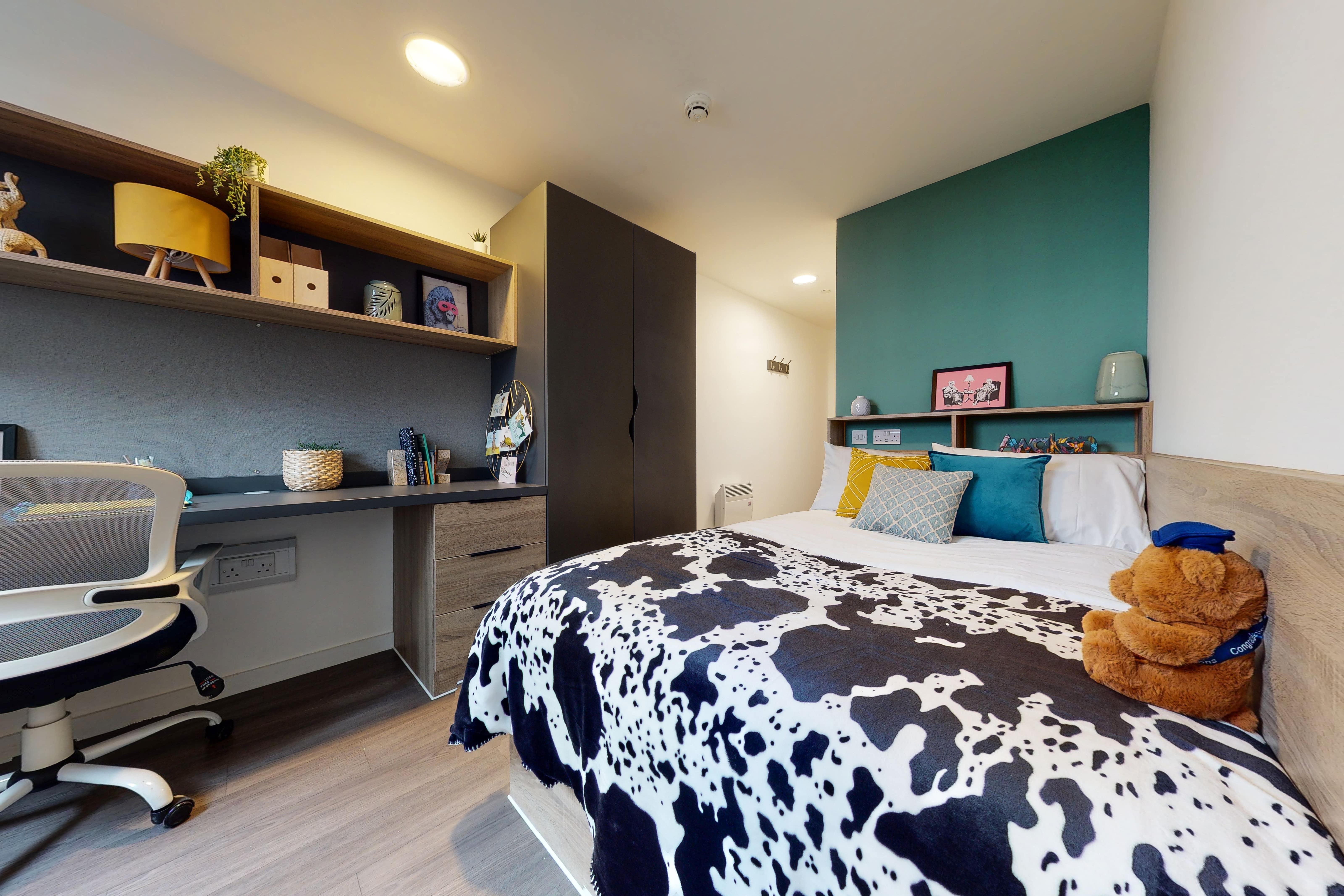
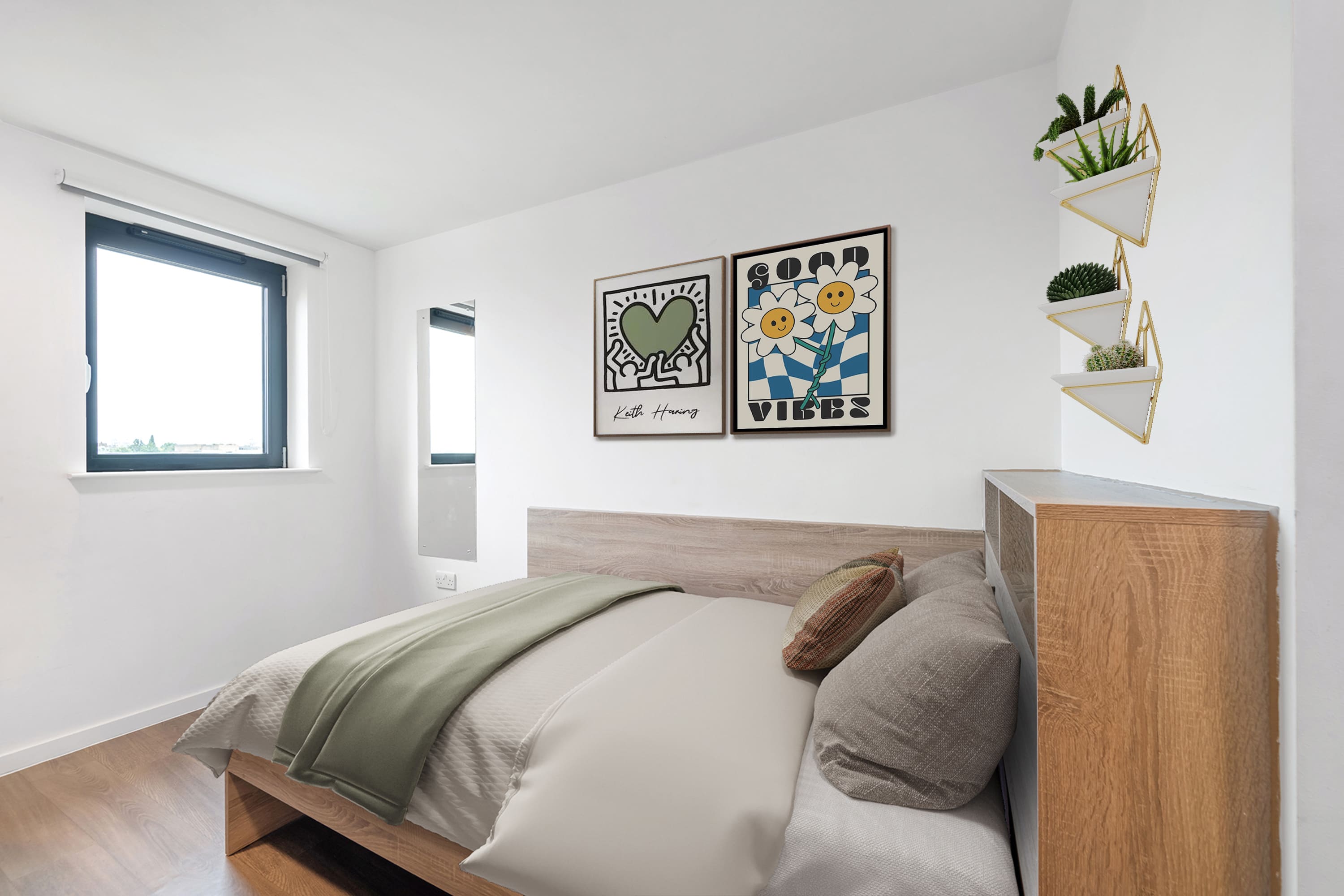
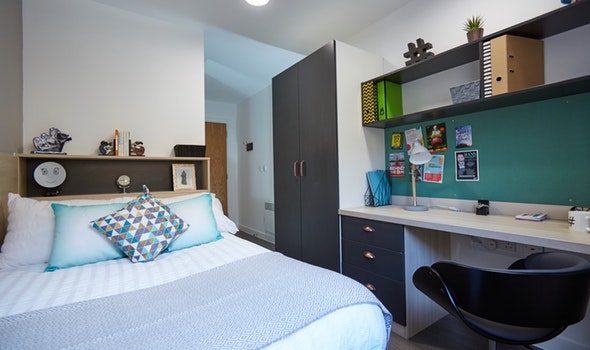
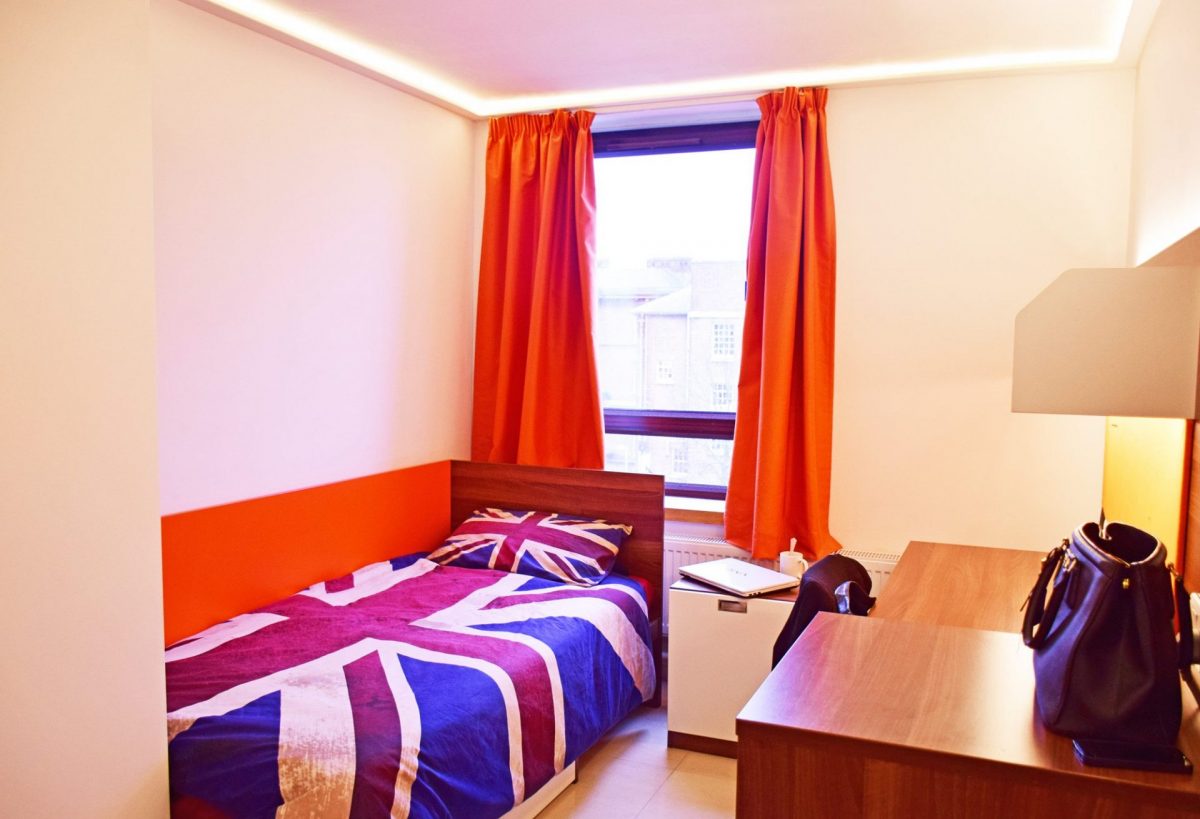
PBSA means purpose-built student accommodation. These are professionally managed student buildings with ensuite rooms, studios or shared apartments. Near LSHTM, PBSA is useful because it gives you a London base without needing to set up utilities, negotiate with individual landlords or coordinate a flatshare before you arrive.
Why PBSA works well for LSHTM students
- Bills are usually included, which makes monthly budgeting clearer.
- Rooms are furnished, so you do not need to buy a bed, desk or wardrobe.
- You can often book online before arrival, unlike many private rentals.
- Studios are available for students who want privacy.
- On-site teams and secure entry are useful if you are new to London.
- Contract dates are student-friendly, often aligned to September starts.
What to watch carefully
- Bloomsbury and King's Cross PBSA can be expensive because they are close to multiple universities.
- Studios cost significantly more than ensuite rooms in shared flats.
- Some contracts are 44 to 51 weeks, so compare the total contract cost rather than only the weekly rent.
- Check cancellation terms if your visa, funding or course place is not final.
University of London halls for LSHTM
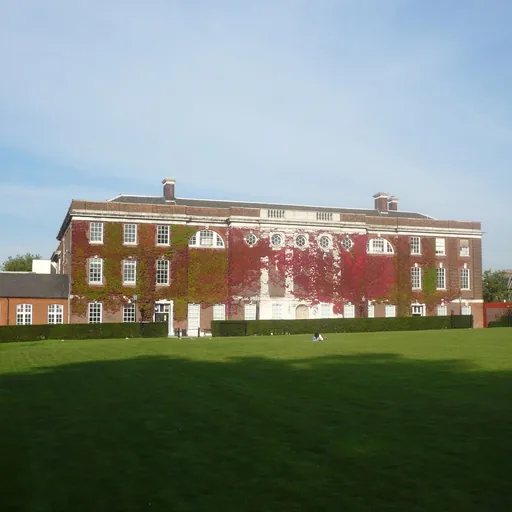
LSHTM is part of the University of London federation, so eligible students can apply for a limited allocation in University of London Intercollegiate Halls. For 2026/27, LSHTM lists 40 allocated rooms across:
- College Hall
- International Hall
- The Garden Halls
These are attractive because they are close to LSHTM. However, demand is high and rooms are not guaranteed. LSHTM states that students should also look for alternative accommodation in case they do not receive an offer.
| Hall |
Approximate campus access |
Typical allocated options for 2026/27 |
Published 2026/27 weekly rent |
| College Hall |
Around the corner from Keppel Street |
Catered single ensuite, double ensuite |
GBP 380.17 to GBP 455.71 |
| International Hall |
About 11 minutes' walk |
Catered single, self-catered single studio, double studio |
GBP 301.59 to GBP 351.92 |
| Garden Halls |
About 12 minutes' walk |
Self-catered townhouse single rooms |
GBP 339.92 to GBP 351.54 |
How to use this option: apply for University of London halls if you are eligible, but treat it as one part of your plan. Build a shortlist of PBSA and private rental backups before the first allocation results.
Private renting and flatshares
Private renting is common for LSHTM students because central hall supply is limited and London has a huge shared-rental market. The usual route is renting a room in a shared flat or house, then splitting bills with housemates.
Private renting can suit you if:
- You are comfortable viewing properties in person or through a trusted verified service.
- You want a lower monthly rent than central PBSA.
- You already know people to share with.
- You are willing to manage bills, repairs and tenancy paperwork.
Be careful if:
- A landlord asks for money before any viewing or verification.
- The price looks far below normal for the area.
- You are asked to transfer money to a personal account without proper paperwork.
- The listing has only generic photos or refuses video/in-person viewing.
LSHTM students can use University of London Housing Services resources, including contract-checking support and private housing guidance. Use those services before signing if the agreement is unclear.
Best areas to live for LSHTM
You do not need to live next door to campus. LSHTM itself notes that most Londoners do not live in Zone 1, and it is normal to live in Zone 2 or beyond. The best area depends on whether you want the shortest walk, a lower rent, nightlife, quiet streets or a direct commute.
| Area |
Best for |
Typical commute to LSHTM |
Accommodation notes |
| Bloomsbury |
Walking to campus |
0 to 15 minutes |
Most convenient, usually highest rent |
| King's Cross / Euston |
Transport and libraries |
10 to 25 minutes |
Good PBSA supply, strong rail links |
| Camden / Kentish Town |
Social life and Northern line |
15 to 30 minutes |
Flatshares and PBSA, busy at weekends |
| Islington / Angel |
Cafes, buses, shared flats |
20 to 35 minutes |
Popular but not cheap |
| Finsbury Park / Holloway |
Better rent-to-commute balance |
20 to 35 minutes |
Good Tube and bus links |
| Stratford |
Newer PBSA and Elizabeth line |
25 to 40 minutes |
Often better-value studios and larger buildings |
| Whitechapel / Mile End |
East London value |
25 to 40 minutes |
Good for students who want lower rents than Zone 1 |
| Wembley / Willesden |
Budget and larger PBSA buildings |
35 to 55 minutes |
Longer commute, often better weekly prices |
Accommodation costs near LSHTM
London rent changes quickly, so use these figures as planning ranges, not fixed quotes. Always compare the total contract cost, bills and transport.
| Accommodation type |
Indicative cost |
Best for |
| University of London hall allocation |
GBP 301 to GBP 456 per week |
Students who win an allocated room and want central access |
| PBSA ensuite in inner London |
GBP 300 to GBP 430 per week |
Students who want bills included and a managed building |
| PBSA studio in inner London |
GBP 400 to GBP 600+ per week |
Students prioritising privacy |
| Private room in a shared flat outside Zone 1 |
GBP 800 to GBP 1,300+ per month |
Students focused on lower rent |
| Central private studio |
GBP 1,600 to GBP 2,300+ per month |
Students with a higher budget |
| Short stay before move-in |
GBP 45 to GBP 120+ per night |
Arrival gap cover |
Budget tip: if a rent is advertised weekly, estimate the monthly cost by multiplying by 52 and dividing by 12. For example, GBP 350 per week is about GBP 1,517 per month.
Transport and commute planning
LSHTM's Keppel Street building is unusually well connected. Nearby stations include:
- Goodge Street on the Northern line.
- Russell Square on the Piccadilly line.
- Tottenham Court Road on the Central, Northern and Elizabeth lines.
- Euston Square on the Circle, Hammersmith & City and Metropolitan lines.
- Warren Street and Euston on the Northern and Victoria lines.
Buses including 24, 29, 73 and 390 stop near the main campus area, with several other routes nearby. If you live in London during term time and meet the eligibility rules, an 18+ Student Oyster photocard can save 30% on adult-rate Travelcards and Bus & Tram Pass season tickets. Pay-as-you-go fares are not discounted by the photocard itself, so compare your weekly travel pattern before buying a pass.
Step-by-step booking timeline
| Timing |
What to do |
| January to March |
Build a PBSA shortlist and compare contract lengths, cancellation policies and commute times |
| April to June |
Apply for eligible University of London halls and keep backup PBSA/private options active |
| June to July |
If halls are not confirmed, secure PBSA or arrange private rental viewings |
| August |
Avoid panic booking; verify every provider, contract and payment route |
| September |
Complete inventory checks, take room photos and save all tenancy documents |
Scam prevention and safety
London has legitimate accommodation providers, but students are common targets for rental scams. Treat urgency as a warning sign.
Before paying any money, check:
- The provider's official website and contact details.
- Whether the building actually exists at the listed address.
- Whether the rent, deposit, contract dates and cancellation terms are written down.
- Whether your deposit will be protected where required.
- Whether you can view the property in person, by live video, or through a verified platform.
- Whether the payment account matches the company or letting agency.
Do not send passport scans, visa documents or bank details through informal chat apps unless you are sure who is receiving them.
International student guide and Right to Rent
If you rent privately in England, your landlord or agent normally needs to check that you have the legal right to rent before the tenancy starts. For many non-British and non-Irish citizens, this is done online with a GOV.UK share code and your date of birth. Student halls can be exempt from Right to Rent checks, but private tenancies are not always exempt.
Prepare these before you search:
- Passport or national identity document.
- Visa, eVisa or immigration status details.
- Right to Rent share code if applicable.
- Proof of student status or offer letter.
- Bank statements or proof of funding.
- Guarantor details if a landlord requires one.
If you do not have a UK guarantor, ask providers about paying rent in instalments, using an approved guarantor service, or choosing PBSA with international-friendly payment options.
Tenancy agreement cheat sheet
Read the contract before you sign. If anything is unclear, use student advice or contract-checking support.
| Clause |
Why it matters |
| Rent and payment dates |
Confirms exactly how much you owe and when |
| Deposit |
Check amount, protection rules and refund conditions |
| Bills |
Private rents may exclude gas, electricity, water, broadband and council tax |
| Contract length |
PBSA and halls often use fixed student contracts; private lets may be 12 months |
| Break clause |
Lets you leave early only if the clause allows it |
| Guarantor |
Some landlords require a UK-based guarantor |
| Repairs |
Clarifies who fixes appliances, heating, leaks and furniture |
| Guests and subletting |
Important if family visit or you plan to travel |
What to pack vs what is usually provided
| Usually provided in PBSA or halls |
Usually bring or buy yourself |
| Bed frame and mattress |
Bedding, pillows and duvet |
| Desk, chair and wardrobe |
Towels and laundry basket |
| Wi-Fi |
Kitchen kit if self-catered |
| Heating, lighting and basic utilities |
Laptop, chargers and plug adaptors |
| Shared kitchen or kitchenette |
Toiletries and cleaning products |
| Secure entry and maintenance reporting |
Important documents and medication |
For private rentals, ask for an inventory before move-in. Some rooms are furnished, but "furnished" can mean anything from a full bedroom set to only a bed and wardrobe.
Accessibility and special requirements
If you need adapted accommodation, start early and contact providers directly. LSHTM's University of London hall information notes adapted rooms at College Hall, International Hall and Garden Halls, and these are handled through University of London processes rather than the standard LSHTM allocation route.
When comparing accommodation, ask about:
- Step-free access from street to room.
- Lift reliability and evacuation plans.
- Accessible bathrooms or wet rooms.
- Fridge space for medication.
- Quiet rooms away from lifts, roads or social areas.
- Distance to campus, clinical placements, libraries and public transport.
Final advice for LSHTM students
For LSHTM, the smartest accommodation plan is layered: apply for University of London halls if eligible, shortlist PBSA as your dependable backup, and only use private rentals when you can verify the property and contract properly. Bloomsbury is convenient, but the best value often comes from living a little further out with a direct Tube or bus route into the Keppel Street area.