Overview: Studying at Le Cordon Bleu London
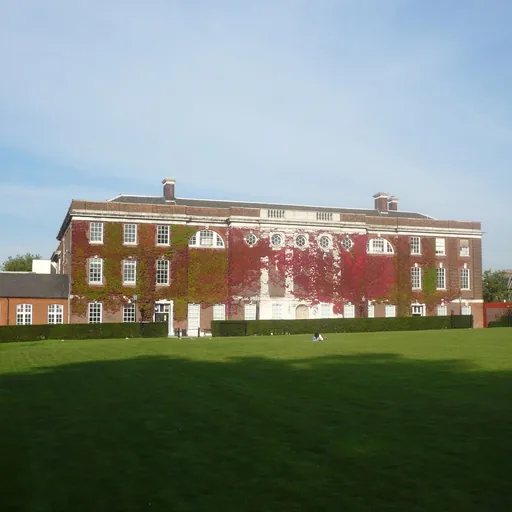
Le Cordon Bleu London is based at 15 Bloomsbury Square, London WC1A 2LS, in one of the most central student areas of the capital. The campus sits between Holborn, Bloomsbury, Covent Garden, Tottenham Court Road, and Russell Square, so students are close to the British Museum, West End restaurants, major Tube lines, libraries, supermarkets, and a wide range of private student accommodation.
The important housing point is simple: Le Cordon Bleu London is non-residential. Students arrange their own accommodation, so you should treat housing as a core part of your course planning rather than something to leave until arrival week.
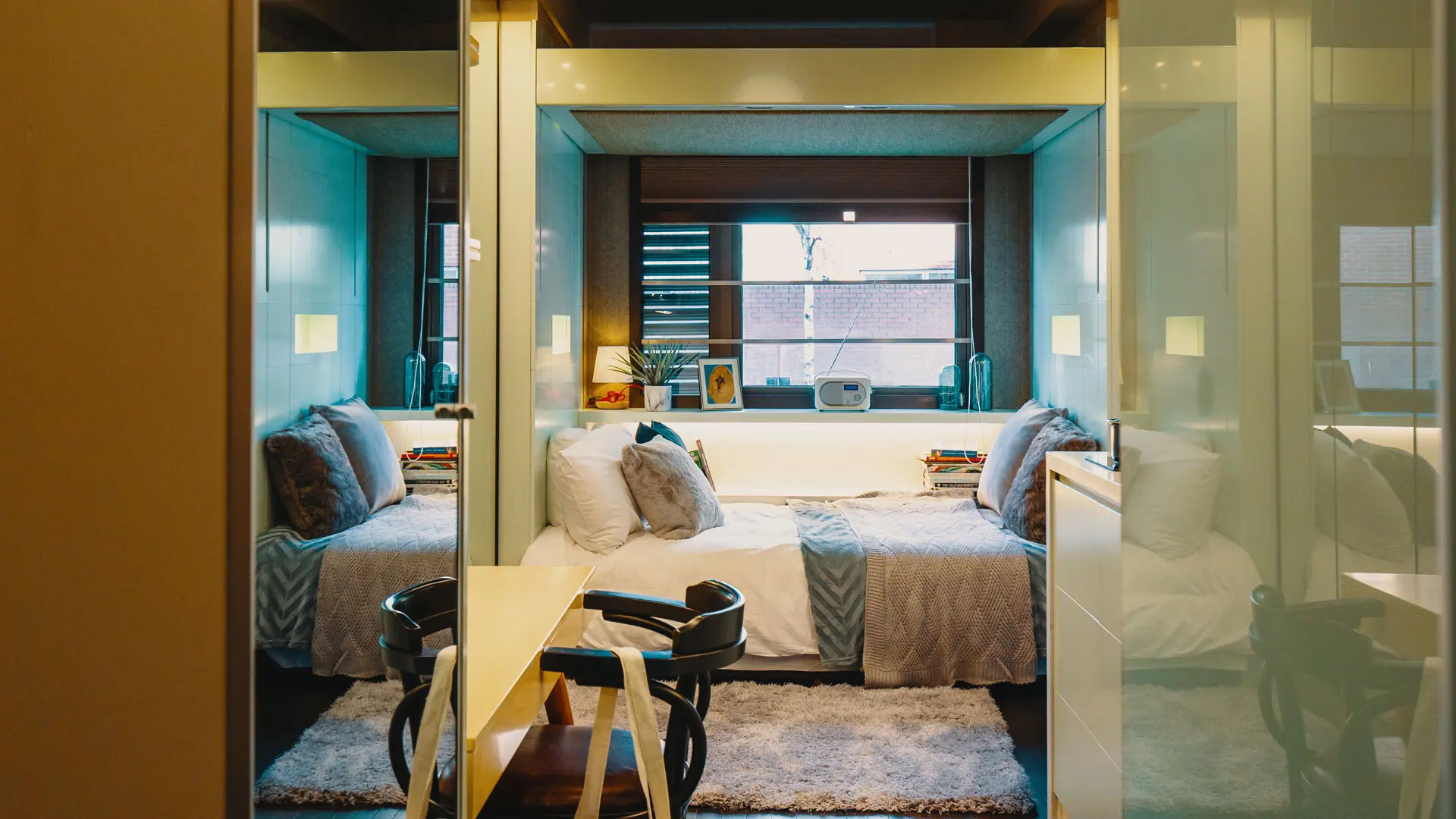
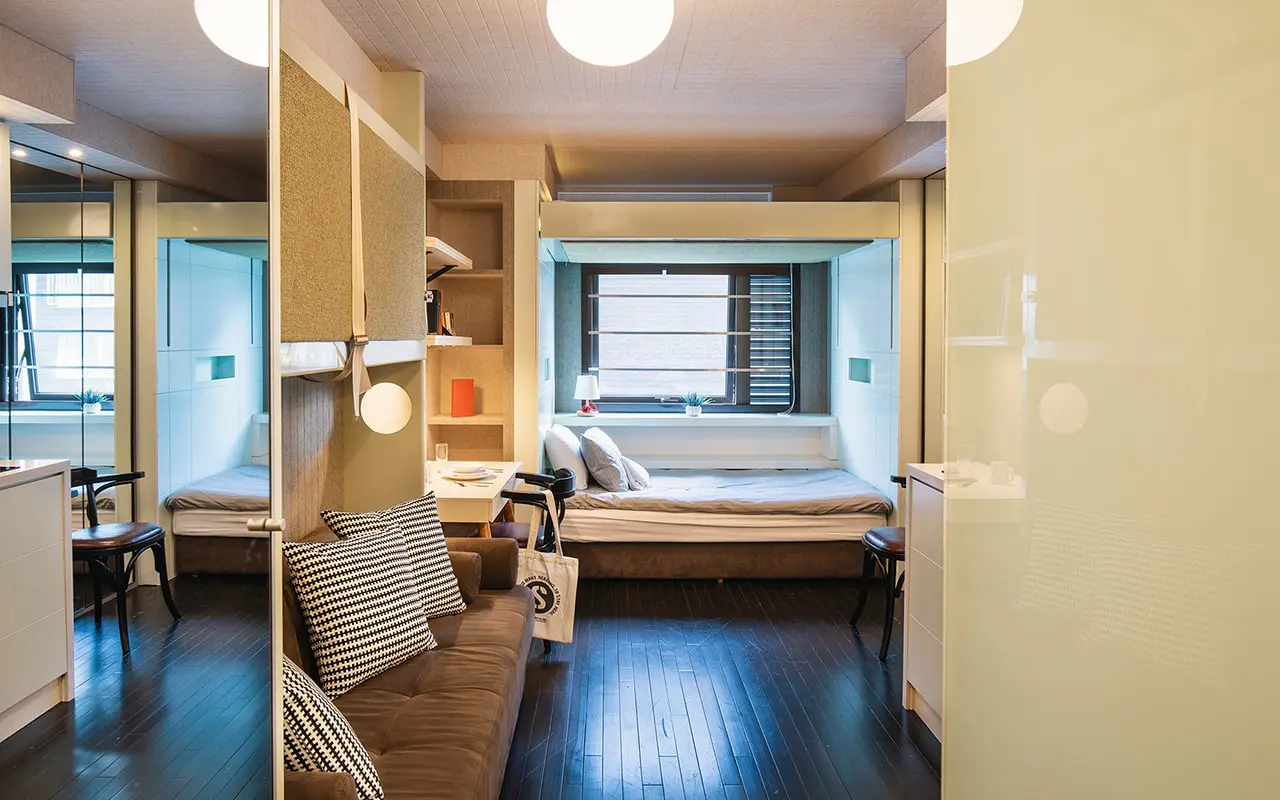
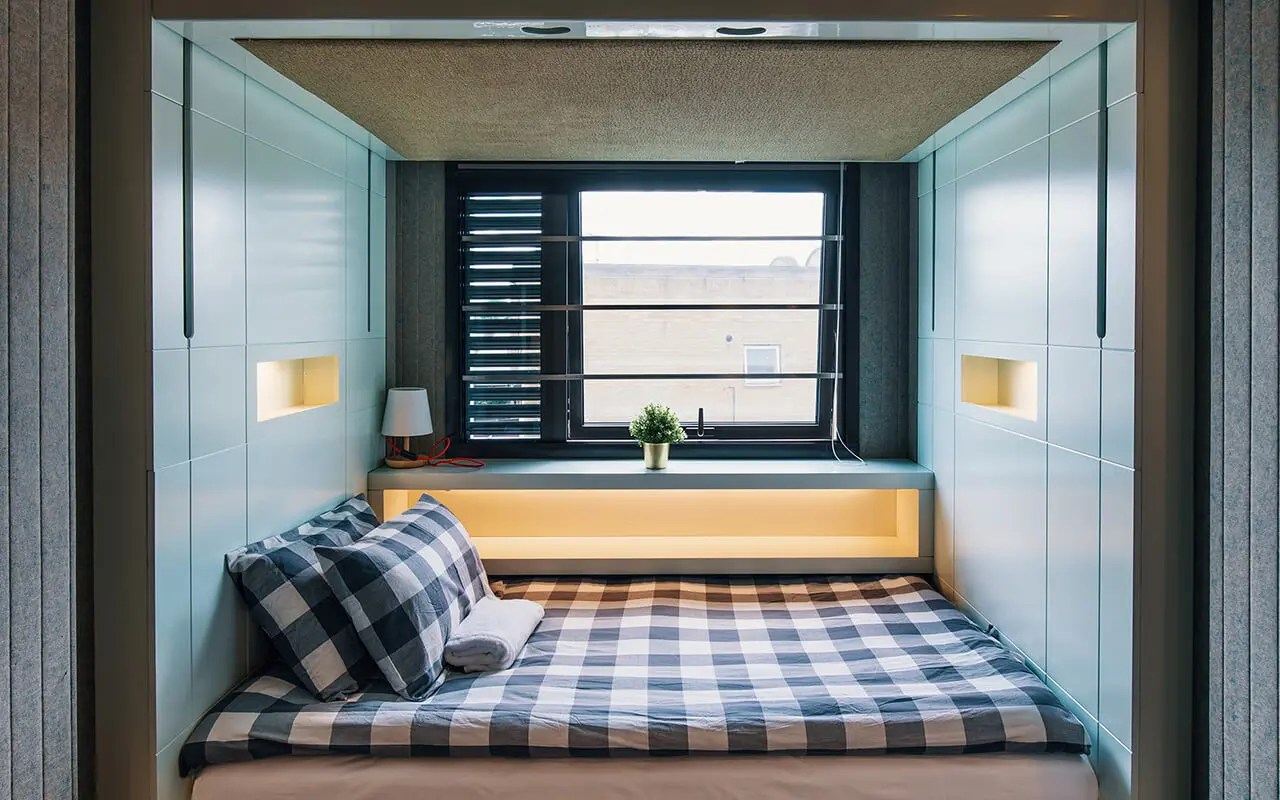
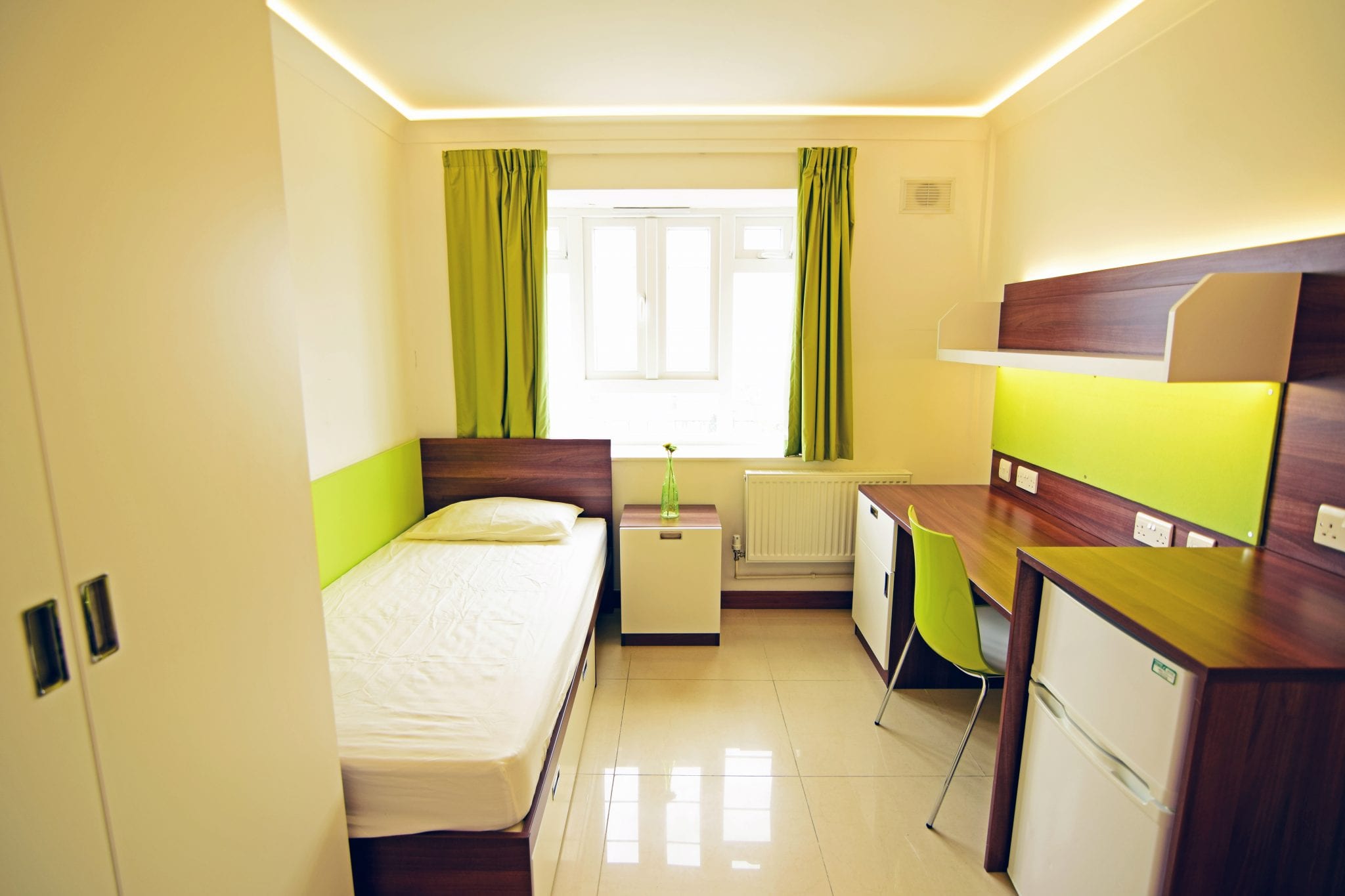
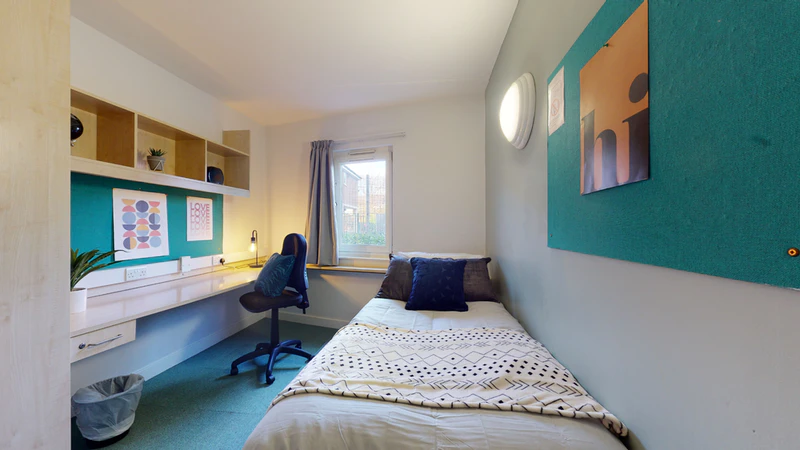
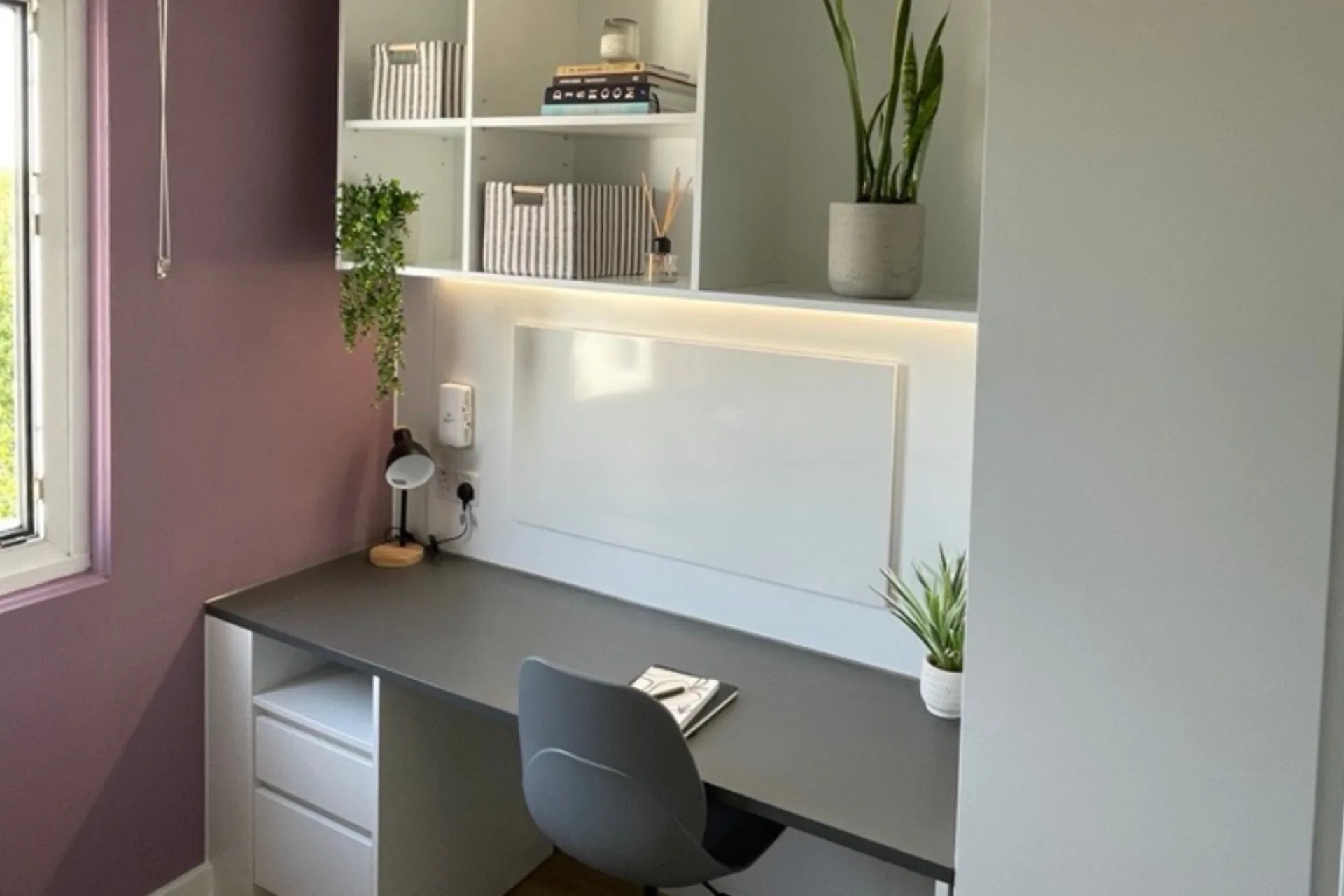
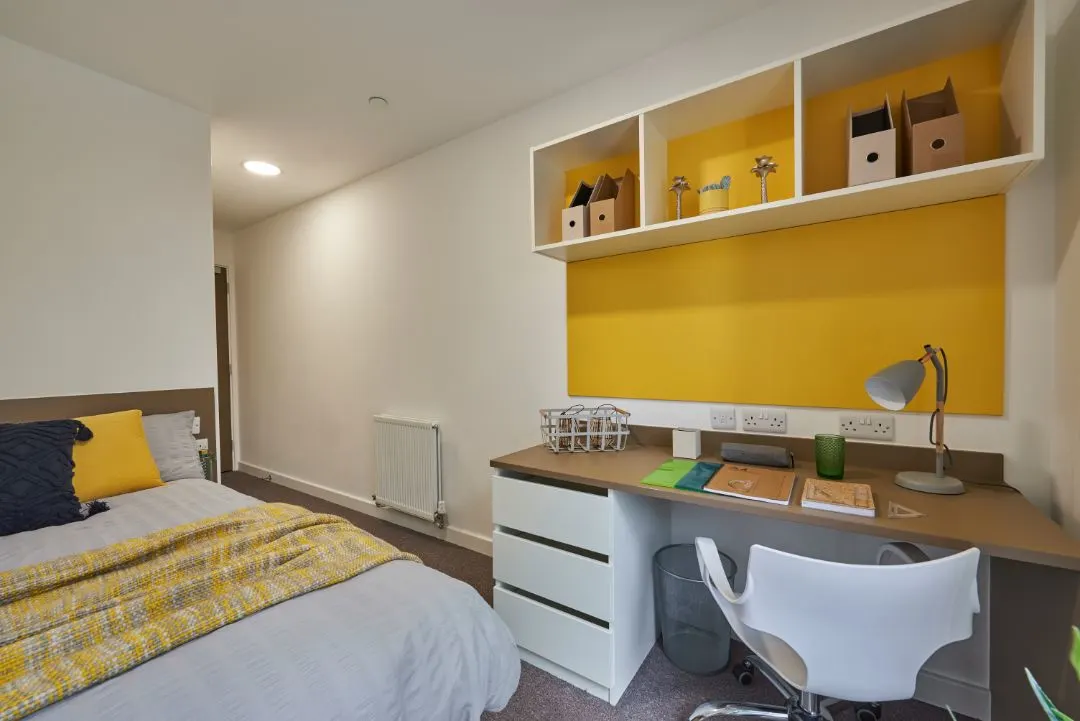
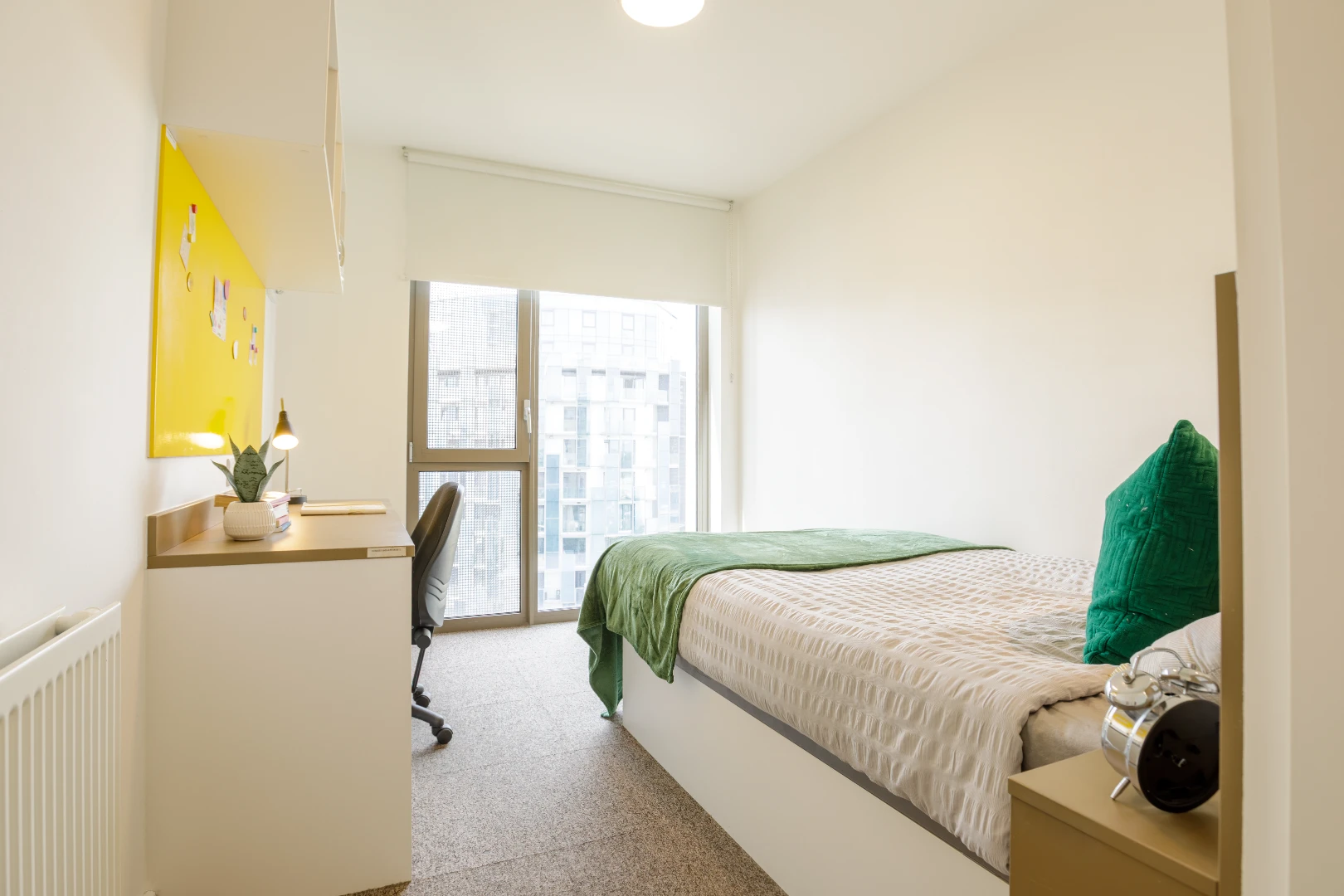
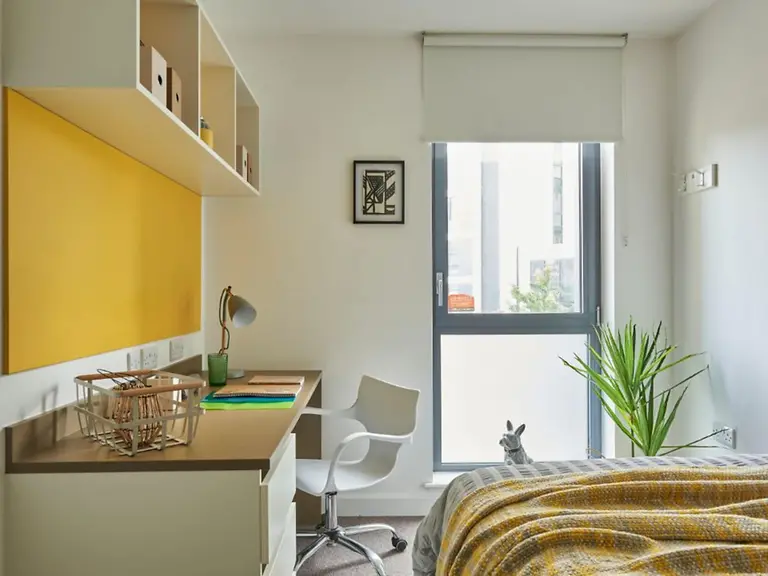
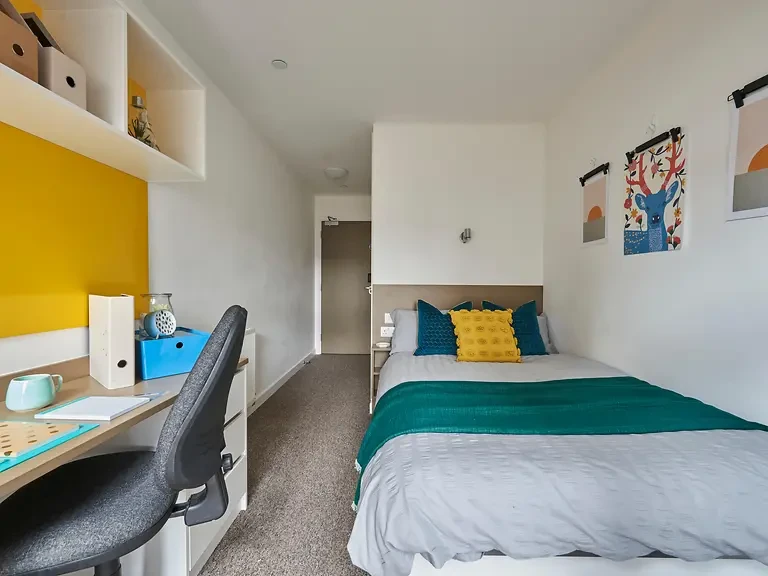
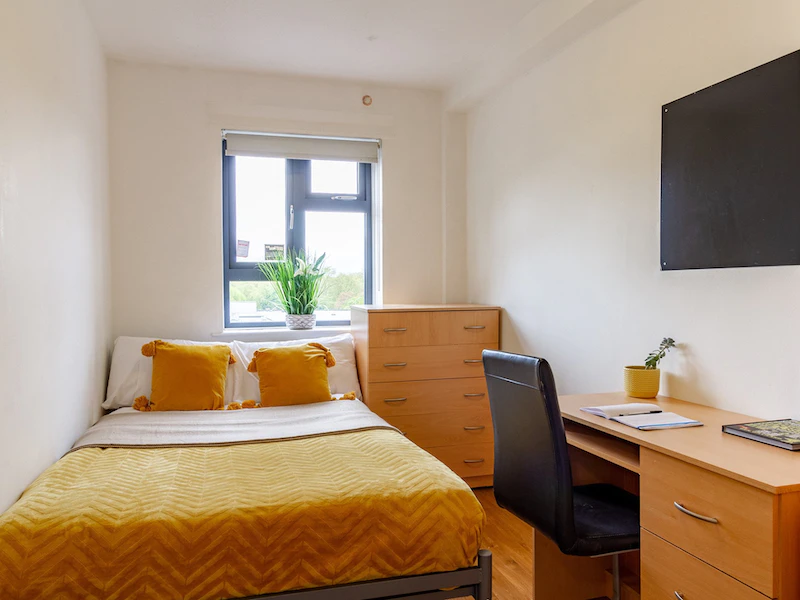
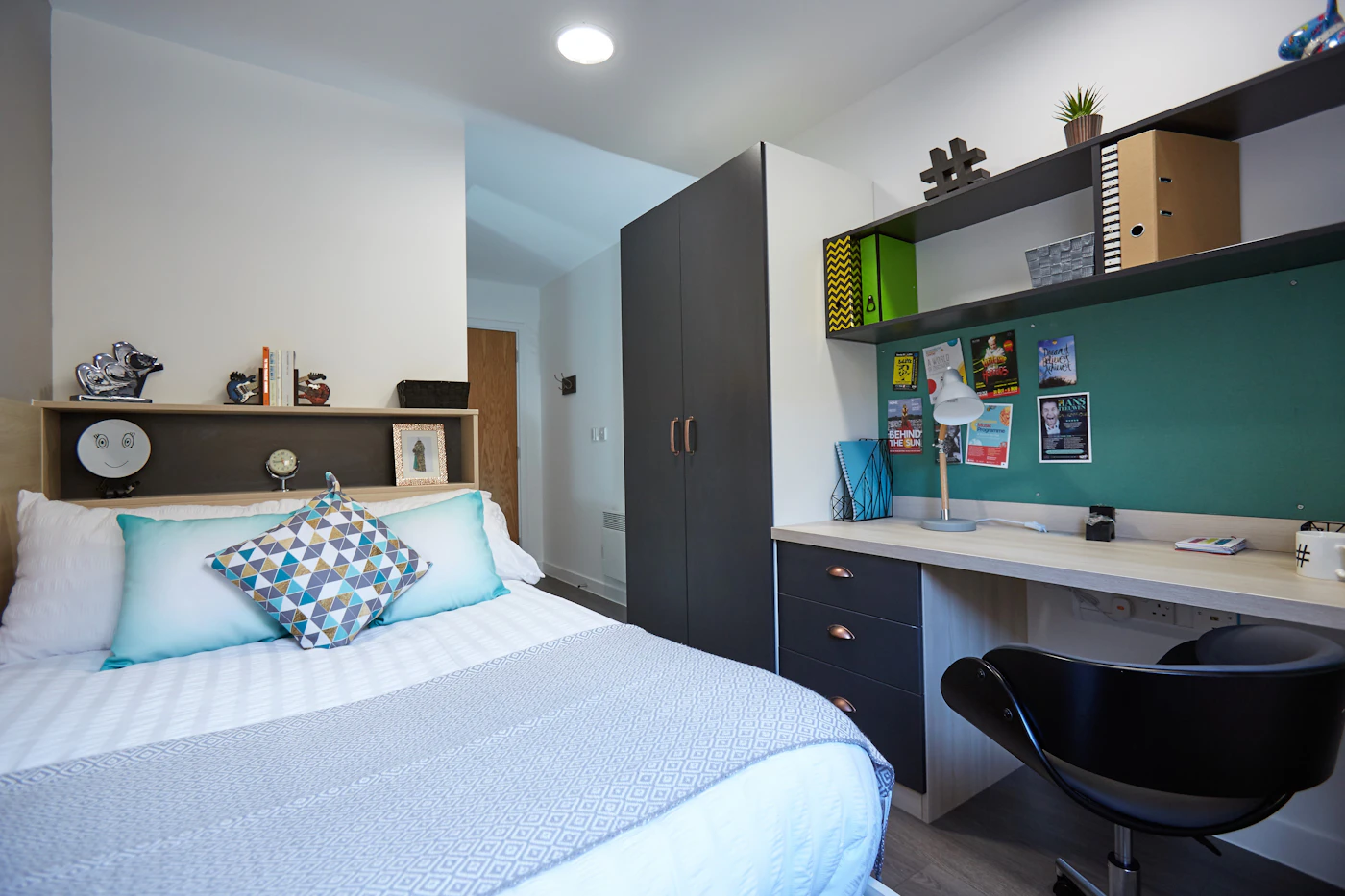
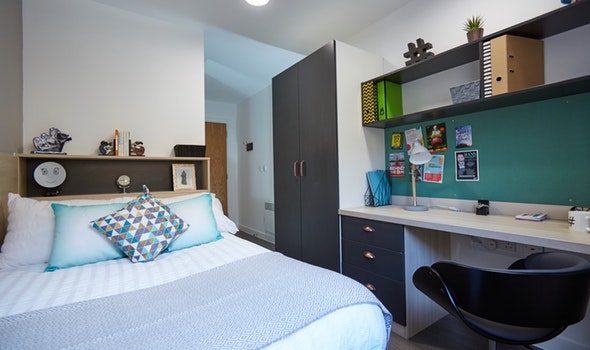
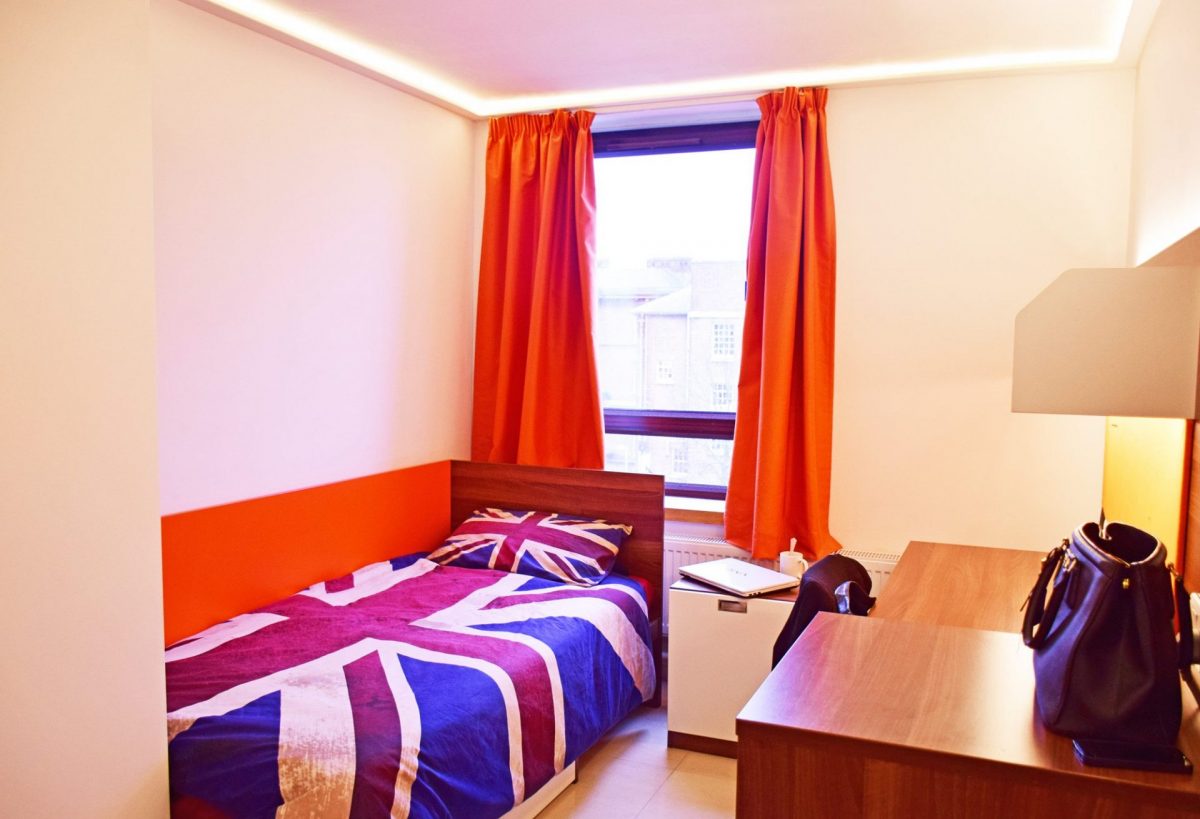
Because London moves quickly and deposits are high, Purpose-Built Student Accommodation (PBSA) is usually the most practical first choice, especially for international students. PBSA normally includes furniture, Wi-Fi, bills, maintenance, security, study spaces, and clear student booking terms. Private flats can be cheaper in a shared house, but they usually need more paperwork, more viewings, and more risk checking.
Quick Facts for Accommodation Search
| Detail |
What to know |
| Campus address |
15 Bloomsbury Square, London WC1A 2LS |
| Closest Tube |
Holborn, about a short walk from campus |
| Best nearby areas |
Bloomsbury, Holborn, King's Cross, Euston, Camden, Angel, Clerkenwell |
| Lower-cost commute areas |
Stratford, Whitechapel, Finsbury Park, Canada Water, Clapham, Lewisham |
| Best first option |
PBSA or managed student accommodation |
| Main risk |
Central London rents are high and scams target overseas students |
| Search window |
6 to 9 months before your start date for best choice |
Why PBSA Works Well for Le Cordon Bleu Students
Le Cordon Bleu students often have schedules that are more intensive than a traditional lecture-only timetable. Culinary and patisserie courses can mean early starts, practical classes, uniform care, equipment, and long days on your feet. That makes housing reliability more important than just finding the cheapest room.
PBSA is useful because it usually gives you:
- All-inclusive rent, so electricity, water, heating, Wi-Fi, and basic contents insurance are often handled in one payment.
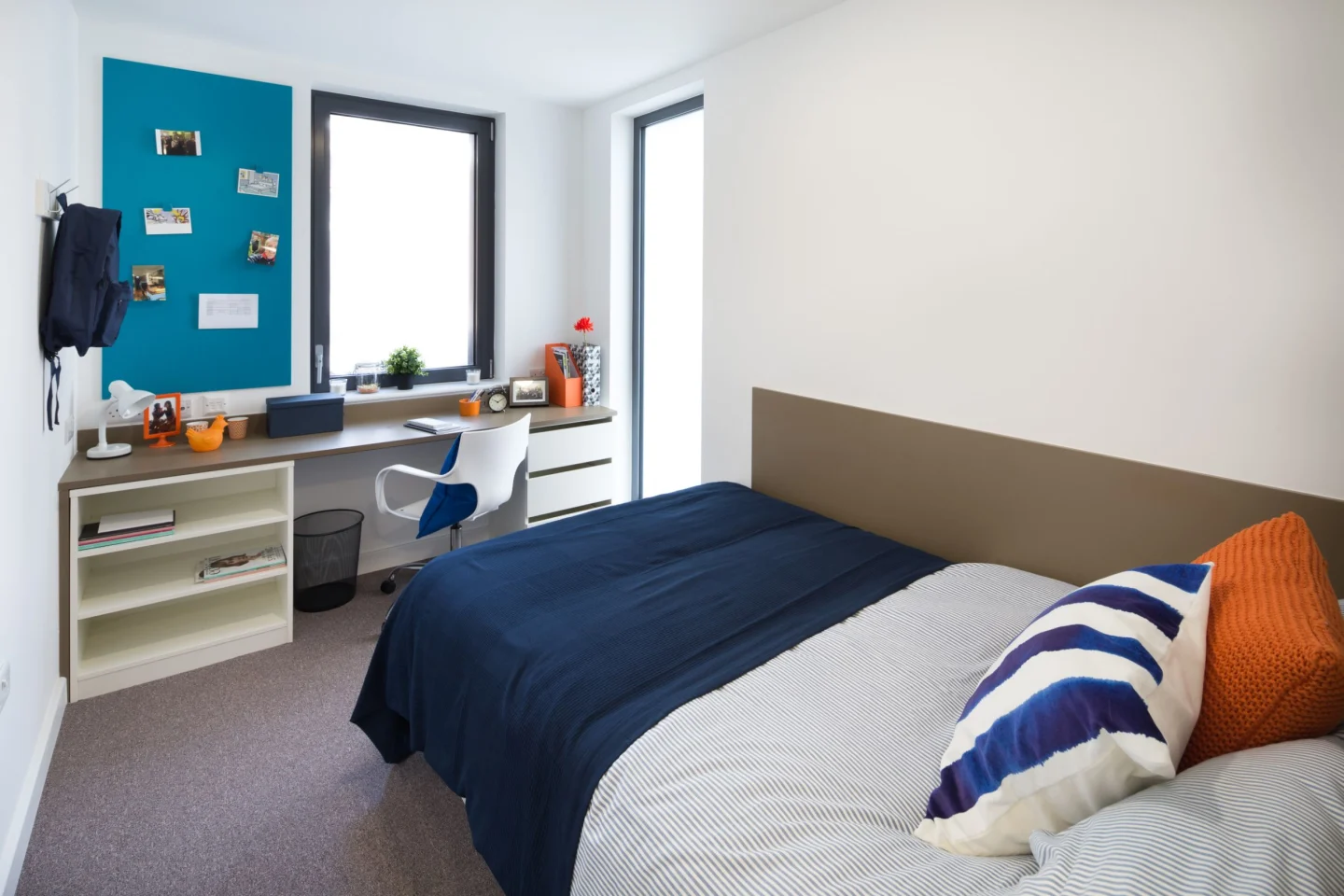
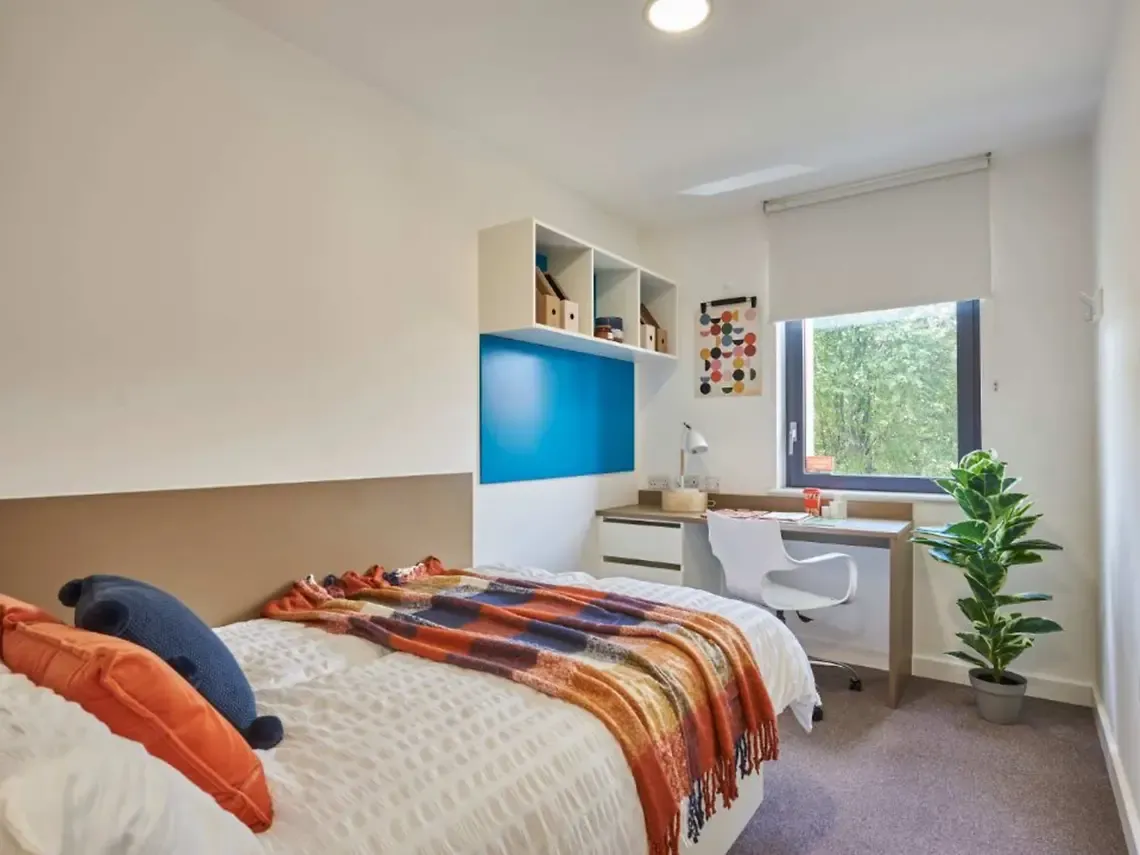
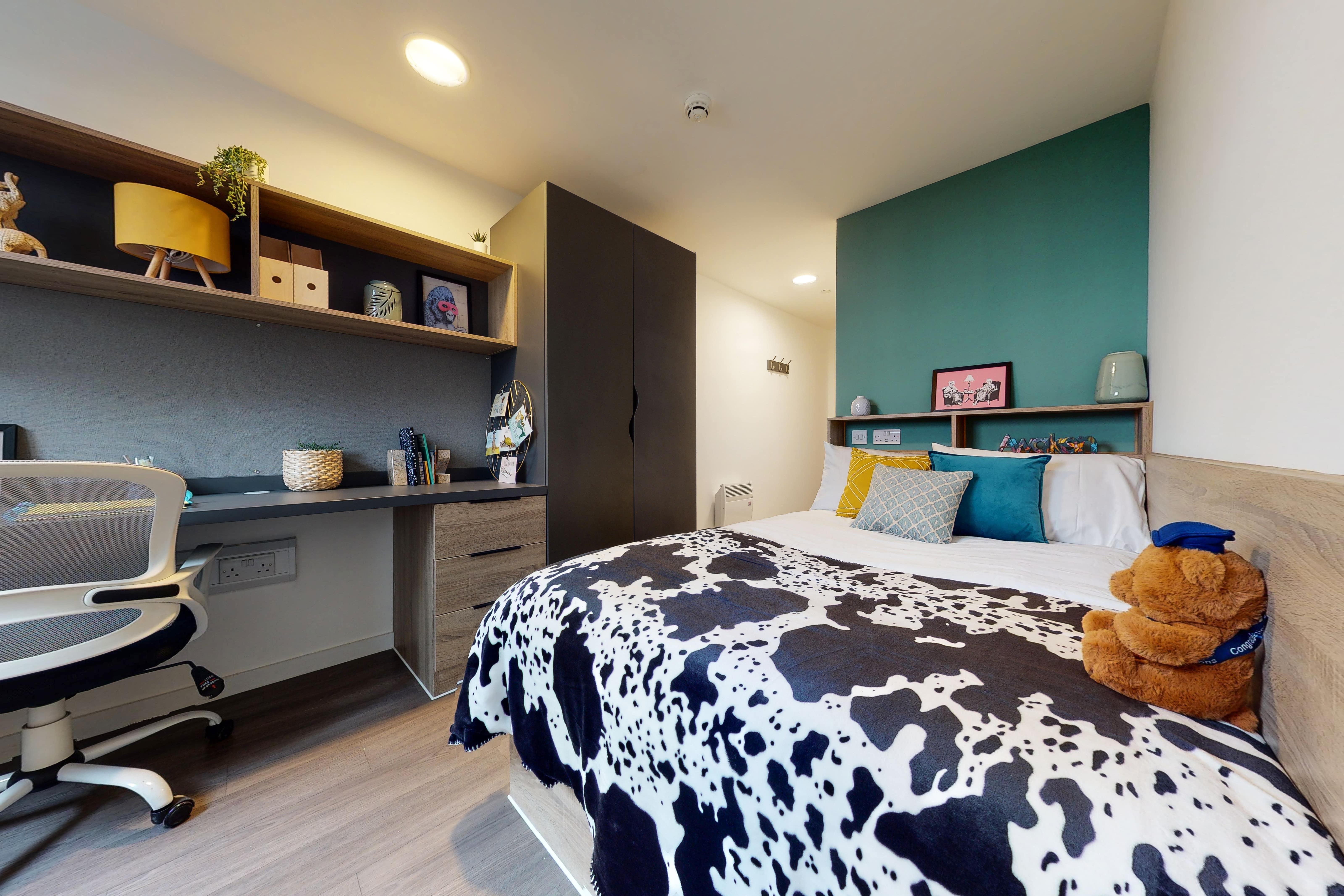
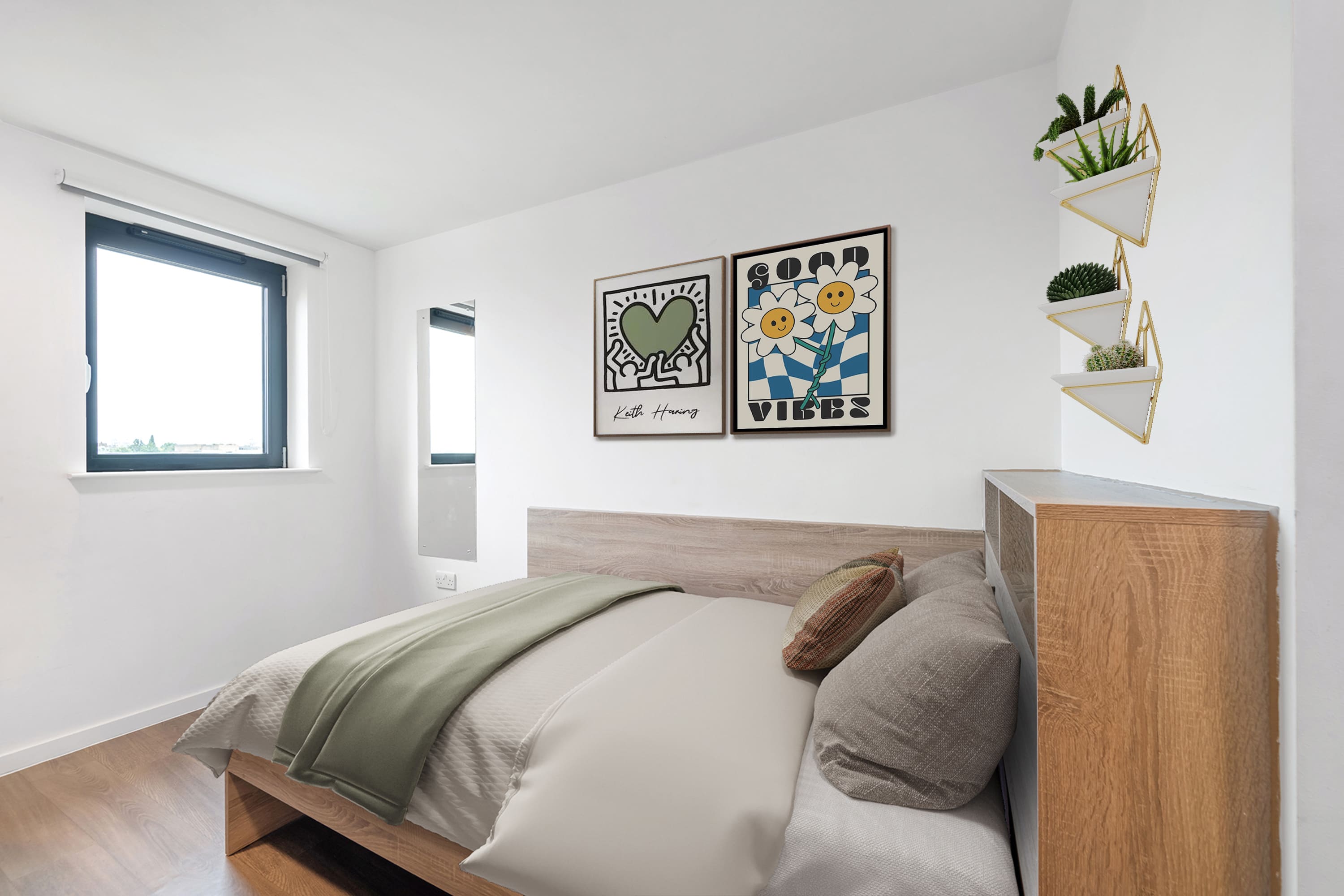
- Furnished rooms, reducing the need to buy a bed, desk, wardrobe, or kitchen basics as soon as you land.
- Student-focused contracts, often with term lengths, fixed move-in dates, and clearer cancellation policies than private lets.
- On-site support, including maintenance teams and reception or security.
- Study and social spaces, helpful if your room is compact.
- Simpler overseas booking, because many providers deal with international payments, visa delays, and guarantor questions regularly.
For Le Cordon Bleu London, the best PBSA search radius is not just "closest to campus". Look along direct Tube, bus, and cycling routes into Holborn. A slightly longer commute can save hundreds of pounds per month.
Best Areas to Live Near Le Cordon Bleu London
Bloomsbury and Holborn
Best for: shortest commute, central London living, walking to campus.
Bloomsbury and Holborn are the premium choices. You can walk to class, reach the British Museum and Russell Square easily, and stay close to cafes, libraries, supermarkets, and the West End. This is ideal if you want to avoid transport costs and spend more time near campus.
The trade-off is price. PBSA, studios, and private rooms in this part of Zone 1 are among the most expensive student options in London. If you find a good room here, check the contract carefully and move quickly.
King's Cross and Euston
Best for: transport links, student buildings, and access to national rail.
King's Cross and Euston are practical for students because they have major stations, buses, Underground links, and many student accommodation buildings nearby. You can travel to Holborn quickly, walk on some days, or use buses through Bloomsbury.
This area works well if you want central access but a wider choice of student rooms than Holborn itself. It can still be expensive, but the range is stronger.
Camden and Kentish Town
Best for: student energy, music, markets, and a manageable commute.
Camden is popular with students who want more nightlife and independent food options. Commutes to Holborn are straightforward by Northern line, bus, or bike. Rents are not low, but shared flats and student buildings can be more varied than the immediate campus area.
Camden suits students who want a social base outside the West End without being too far from class.
Angel, Islington, and Clerkenwell
Best for: restaurants, quieter streets, and a central but residential feel.
Angel and Islington offer a strong balance of food, cafes, buses, and Tube access. Clerkenwell is closer and often quieter in the evenings, with excellent access to Holborn, Farringdon, and Chancery Lane.
These areas are good for students who want central convenience but not the busiest tourist streets.
Shoreditch, Spitalfields, Whitechapel, and Aldgate
Best for: food, nightlife, East London, and strong transport links.
East London is useful for Le Cordon Bleu students because the Central line, Elizabeth line, and buses can connect quickly to Holborn or Tottenham Court Road. Shoreditch and Spitalfields are lively and food-focused, while Whitechapel and Aldgate can offer better value with fast routes into central London.
This is a good search direction if you want a more creative city feel and do not mind commuting.
Stratford
Best for: better value PBSA and quick rail links.
Stratford is further out but has a large supply of modern student accommodation, shops, parks, and transport. The Central line takes you toward Holborn, and the Elizabeth line is useful for Tottenham Court Road.
Stratford is worth considering if your priority is a modern room at a lower price than Zone 1, while still keeping a reasonable commute.
Accommodation Types and Expected Costs
London prices change by season, room type, and contract length. Use these ranges as a realistic starting point for Le Cordon Bleu London.
| Accommodation type |
Typical monthly cost |
Best for |
Watch out for |
| PBSA en-suite in Zone 1 |
GBP 1,500 to GBP 2,300 |
New students, short commute, bills included |
High demand, premium pricing |
| PBSA studio in Zone 1 |
GBP 1,900 to GBP 2,800 |
Privacy, self-contained living |
Expensive and limited |
| PBSA in Zone 2 or 3 |
GBP 1,100 to GBP 1,700 |
Better value with student facilities |
Commute costs and late-night route |
| Shared private room |
GBP 850 to GBP 1,300 |
Lower rent, social living |
Bills, guarantor, scams, viewings |
| Private studio |
GBP 1,600 to GBP 2,600+ |
Independence |
Bills, council tax status, deposit size |
| Homestay |
GBP 900 to GBP 1,500 |
Short stays, support, meals in some plans |
Less independence |
| Managed apartment |
GBP 2,000+ |
Flexible stays, premium service |
Cost and availability |
Budget note: central London rent is the main cost. A student paying for Zone 1 PBSA may spend less on transport but much more on rent. A student in Zone 3 may save on housing but should budget more for daily travel.
Monthly Student Budget Near Le Cordon Bleu London
| Category |
Budget student |
Moderate student |
Higher-comfort student |
| Rent |
GBP 1,050 |
GBP 1,550 |
GBP 2,300 |
| Food and groceries |
GBP 260 |
GBP 390 |
GBP 580 |
| Public transport |
GBP 85 |
GBP 160 |
GBP 220 |
| Laundry, toiletries, supplies |
GBP 45 |
GBP 70 |
GBP 110 |
| Eating out and social life |
GBP 90 |
GBP 160 |
GBP 300 |
| Mobile phone |
GBP 15 |
GBP 25 |
GBP 45 |
| Total estimate |
GBP 1,545 |
GBP 2,355 |
GBP 3,555 |
Students on intensive culinary programmes should also budget for course-related extras where relevant, such as uniform care, knives or specialist equipment if not included, storage containers, and occasional late transport after evening commitments.
Transport to Campus
Holborn is the simplest Tube stop for most students. It is served by the Central line and Piccadilly line, giving direct or easy access from East, West, North, and airport-linked routes.
Useful stations and routes include:
- Holborn: closest Tube for most students.
- Tottenham Court Road: good for Elizabeth line and Central line access.
- Russell Square: useful from Piccadilly line areas and some airport routes.
- Chancery Lane: useful if living east or west on the Central line.
- King's Cross St Pancras and Euston: strong options for national rail and multiple Tube lines.
Full-time eligible students living in London may be able to apply for an 18+ Student Oyster photocard, which gives a discount on adult-rate Travelcards and Bus & Tram Pass season tickets. If you use pay-as-you-go travel, compare costs before buying a monthly pass because walking, cycling, and occasional Tube use can be cheaper if you live near campus.
Step-by-Step Booking Timeline
9 to 6 months before arrival
- Confirm your likely course start date and expected study length.
- Shortlist areas by commute, not just distance.
- Compare PBSA buildings in Bloomsbury, King's Cross, Camden, Islington, Whitechapel, and Stratford.
- Check whether the contract length matches your course.
6 to 3 months before arrival
- Narrow your list to 3 to 5 realistic options.
- Ask providers about visa cancellation terms, guarantor rules, deposit amounts, and payment schedules.
- If booking privately, arrange video viewings and verify the landlord or agent.
- Keep copies of every offer, invoice, receipt, and tenancy document.
3 months to 1 month before arrival
- Book airport transfer or plan your public transport route.
- Confirm move-in instructions, inventory, bedding, kitchen items, and reception hours.
- Register for any accommodation app or resident portal.
- Prepare Right to Rent documents if renting privately in England.
Arrival week
- Photograph the room and report damage immediately.
- Check smoke alarms, locks, heating, hot water, Wi-Fi, and laundry access.
- Save the provider's emergency maintenance number.
- Walk the route to campus before your first class.
Scam Prevention and Safety
London accommodation scams often target students who are overseas, in a rush, or unfamiliar with UK renting. Be especially careful with rooms advertised only through social media or messaging apps.
Before paying, check:
- Is the provider real? Use the official website, company registration, reviews, and a verified email domain.
- Is the address complete? Search the postcode and building name.
- Are fees clear? You should understand rent, deposit, booking fee, cancellation terms, and payment dates.
- Is the deposit protected? Private tenancy deposits in England normally need approved protection.
- Have you seen the room or a verified virtual tour? Do not rely on cropped photos.
- Is the price too low for central London? Very cheap Zone 1 rooms are a warning sign.
- Are you being pressured? Real providers may have deadlines, but they should still give formal documents.
Never pay rent or a deposit by bank transfer to an unverified individual just to "hold" a room.
International Student Guide and Right to Rent
Le Cordon Bleu London supports international students with visa documentation for eligible courses, and the school is registered as a Student Route Visa sponsor. Courses longer than six months typically need the correct student visa route, while shorter courses may have different visa requirements.
For accommodation, international students should know:
- PBSA is often easier before arrival because the provider is used to student visas, overseas payments, and move-in dates.
- Private landlords in England must usually check Right to Rent before a tenancy starts for adult tenants.
- If your UK permission is time-limited, checks may need to happen close to the tenancy start date.
- Some student accommodation arrangements are exempt from Right to Rent checks, but private flats are usually not.
- You may need a share code, passport, visa details, or other accepted evidence depending on your immigration status.
If you are still waiting for visa confirmation, ask the accommodation provider in writing how cancellation or delayed arrival works. Keep that answer with your booking documents.
Tenancy Agreement Cheat Sheet
Read the contract before paying the main deposit. Focus on these points:
| Clause |
Why it matters |
| Contract length |
Your course may be shorter than a standard 51-week student contract |
| Rent schedule |
Some providers ask for termly or full upfront payments without a UK guarantor |
| Guarantor |
Private rentals may require a UK-based guarantor or extra rent upfront |
| Bills |
Check electricity, heating, water, Wi-Fi, contents insurance, and laundry |
| Council tax |
Full-time students may be exempt, but rules depend on status and property |
| Cancellation |
Check visa refusal, course cancellation, and cooling-off rules |
| Room swaps |
Useful if your course length or budget changes |
| Guests |
Important for studio or shared accommodation |
| Maintenance |
Know how repairs are logged and expected response times |
What to Pack vs What Is Usually Provided
PBSA and managed student accommodation are usually furnished, but they rarely include everything you need for daily life.
| Usually provided |
Usually bring or buy |
| Bed frame and mattress |
Bedding, duvet, pillows, mattress protector |
| Desk and chair |
Laptop stand, notebooks, stationery |
| Wardrobe or storage |
Hangers, laundry basket, storage boxes |
| Kitchen in flat or studio |
Pans, plates, cutlery, food containers |
| Wi-Fi |
Ethernet adapter if needed |
| Laundry room access |
Detergent, drying rack if allowed |
| Basic security |
Small personal safe or document folder |
For culinary students, think practically. You may need space for uniforms, shoes, personal kitchen tools if required, and easy laundry access. A beautiful room far from a laundrette can become frustrating during an intensive course.
Accessibility and Special Requirements
If you need step-free access, adapted bathrooms, medical storage, quieter rooms, or support for a disability, contact accommodation providers before booking. Central London buildings vary widely: some are new PBSA blocks with lifts and accessible rooms, while older private flats may have stairs, narrow entrances, or no lift.
Ask for:
- Step-free route details from street to room.
- Lift dimensions if you use mobility equipment.
- Bathroom layout and shower access.
- Distance to Holborn or your preferred station.
- Emergency evacuation plan.
- Fridge access for medication if needed.
- Quiet room options away from lifts, bins, or social spaces.
Also test the commute. A route that looks short on a map may involve stairs, crowded platforms, or difficult road crossings.
Practical Recommendations
For most Le Cordon Bleu London students, the best strategy is:
- Start with PBSA or managed student accommodation if you are new to London or arriving internationally.
- Search beyond Bloomsbury to include King's Cross, Camden, Islington, Whitechapel, Stratford, and South Bank.
- Prioritise commute reliability over postcode prestige.
- Check total monthly cost, not just weekly rent.
- Keep every agreement in writing, especially cancellation terms and visa-related policies.
If budget allows, living within walking distance of Bloomsbury is convenient. If value matters more, look east, north, or south along direct Tube and bus routes. The right room is the one that lets you get to class on time, sleep properly, wash uniforms easily, and avoid rental stress during a demanding course.