Overview: Finding accommodation near Ingla School of English
Ingla School of English is a British Council-accredited English language school in Turnpike Lane, north London. The school is close to Turnpike Lane Underground station in Zone 3, on the Piccadilly line, so students can live locally in Haringey or commute from other well-connected parts of London.
The accommodation search is different from a large campus university. Ingla does not operate its own halls, and many students are on flexible English courses rather than three-year degrees. That means the best option depends on your stay length:
- 1 to 4 weeks: hotel, hostel, Airbnb-style short stay, or homestay.
- 1 to 6 months: homestay, flexible PBSA, serviced student residence, or a room in a shared flat.
- 6 months or longer: PBSA, private room, studio, or house share with a proper tenancy.
PBSA is usually the easiest long-stay student option because bills, internet, maintenance and study space are normally bundled into one contract. For shorter language courses, homestay can be better value because it gives you English practice outside class and may include meals.
Quick facts for Ingla students
| Detail |
What to know |
| School area |
Turnpike Lane, Haringey, north London |
| Nearest station |
Turnpike Lane Underground |
| London fare zone |
Zone 3 |
| Main Tube line |
Piccadilly line |
| Best local areas |
Turnpike Lane, Wood Green, Harringay, Manor House, Finsbury Park |
| Accommodation supplied by school |
No direct accommodation; advice and third-party options |
| Common choices |
PBSA, homestay, shared flats, studios, hostels, hotels |
Best areas to live near Ingla School of English
Turnpike Lane and Wood Green
Best for walking to class and keeping daily costs simple. Turnpike Lane and Wood Green are busy, multicultural north London areas with supermarkets, international food shops, budget restaurants, gyms and high-street stores.
- Commute: Walk, bus, or one stop by Tube from Wood Green.
- Good for: Students who want convenience, lower travel spend and local amenities.
- Watch out for: Room quality varies street by street, so always check heating, damp, noise and security.
Harringay and Green Lanes
Best for food, buses and shared flats. Harringay is close to Turnpike Lane and has strong bus links, local shops and a wide choice of private rented rooms.
- Commute: Often 10 to 25 minutes by walking or bus.
- Good for: Students who want a lively neighbourhood close to class.
- Watch out for: Some rooms are above shops or on busy roads, so ask about noise and ventilation.
Manor House and Finsbury Park
Best for a direct Piccadilly line commute. Finsbury Park is a major transport interchange, while Manor House keeps you close to north London parks and bus routes.
- Commute: Around 1 to 2 Tube stops from Turnpike Lane, depending on location.
- Good for: Students who want better connections across London.
- Watch out for: Rents can rise quickly near Finsbury Park station.
Holloway, Caledonian Road and King's Cross
Best for PBSA and central London access. These areas sit on or near the Piccadilly line and usually have more purpose-built student accommodation than Turnpike Lane itself.
- Commute: Direct Piccadilly line to Turnpike Lane.
- Good for: Students who want managed student buildings, study rooms and city access.
- Watch out for: PBSA and studios are usually more expensive closer to Zone 1.
Tottenham Hale and Seven Sisters
Best for newer housing and wider transport links. These areas are useful if you find better-value rooms east of Turnpike Lane and do not mind a bus or Tube connection.
- Commute: Usually bus, cycle, or Tube plus a short connection.
- Good for: Students comparing modern flats and better-value shared rooms.
- Watch out for: Check late-night journey times, not just daytime routes.
PBSA near Ingla School of English
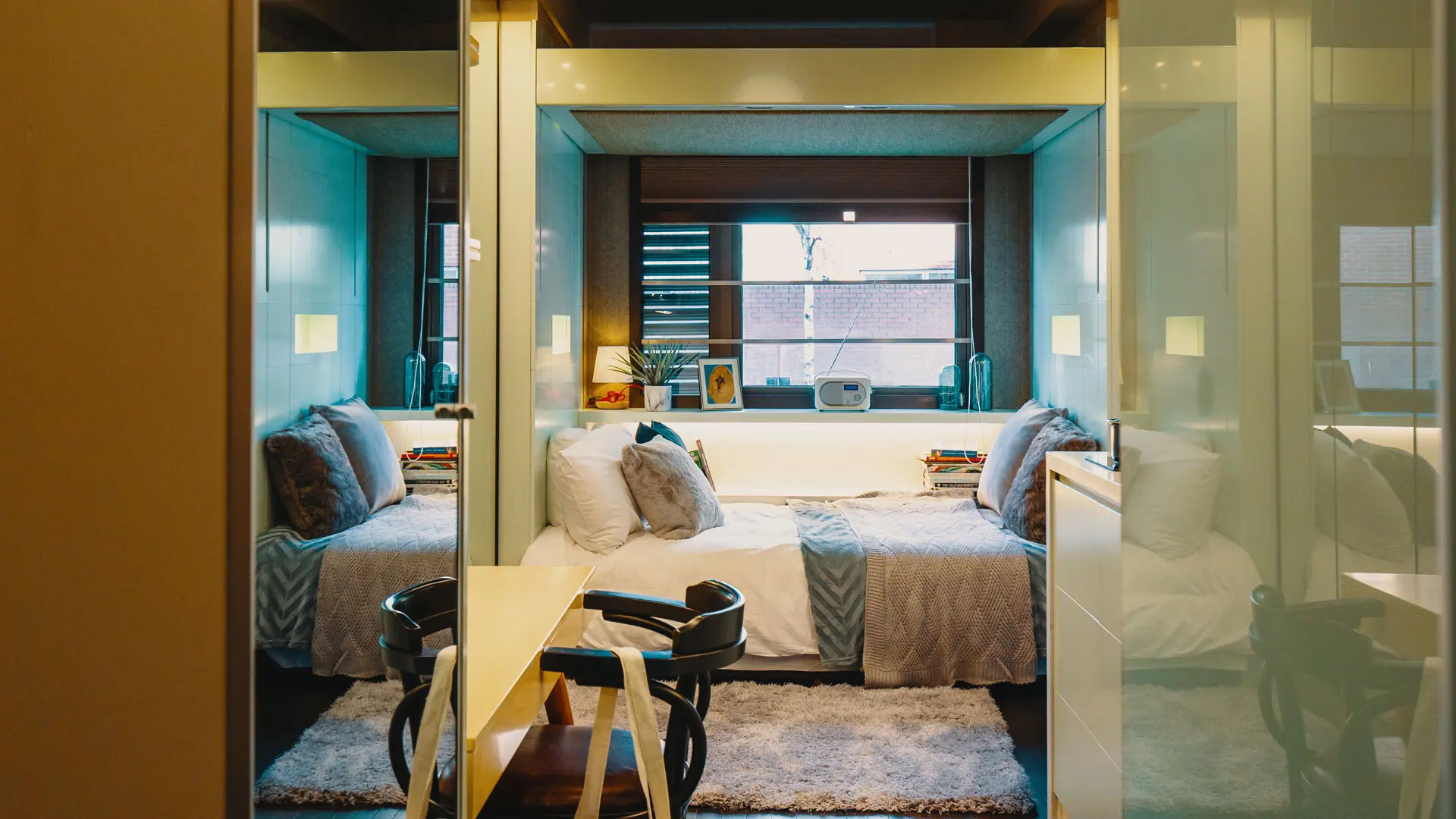
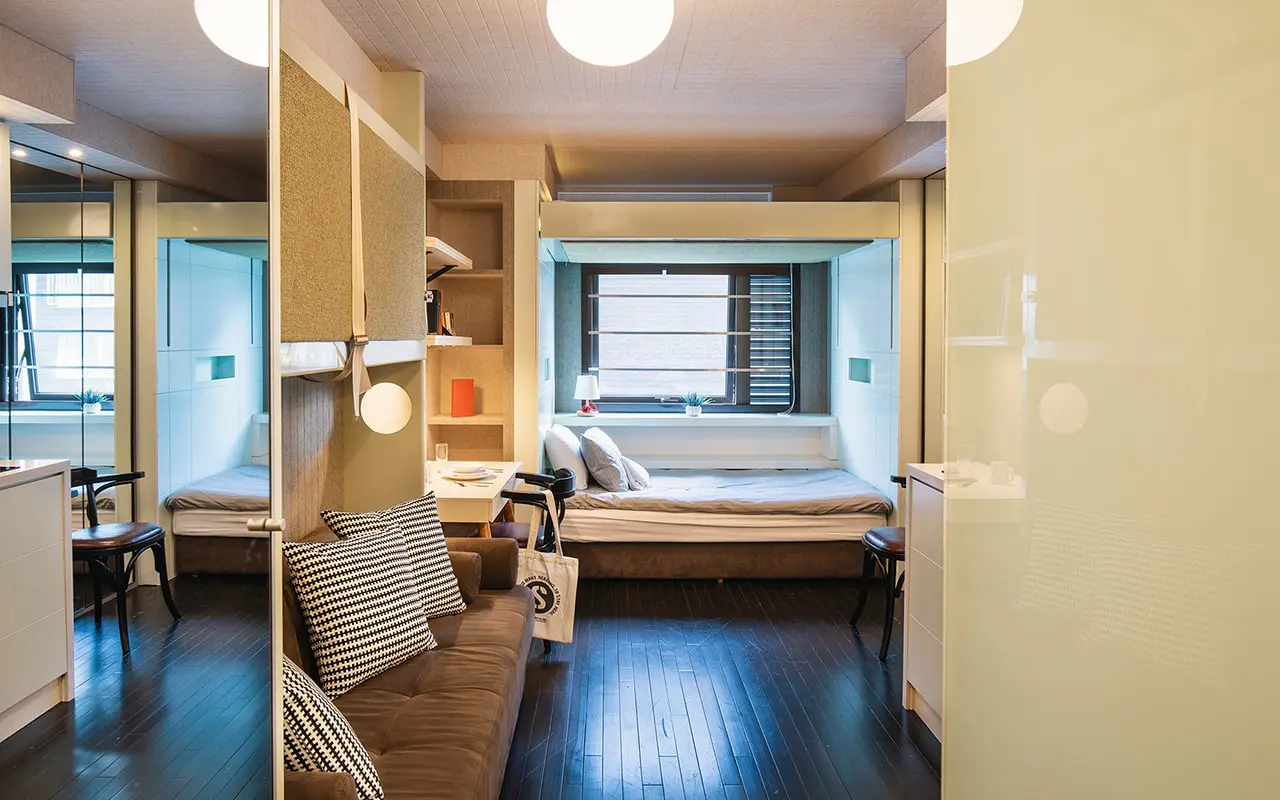
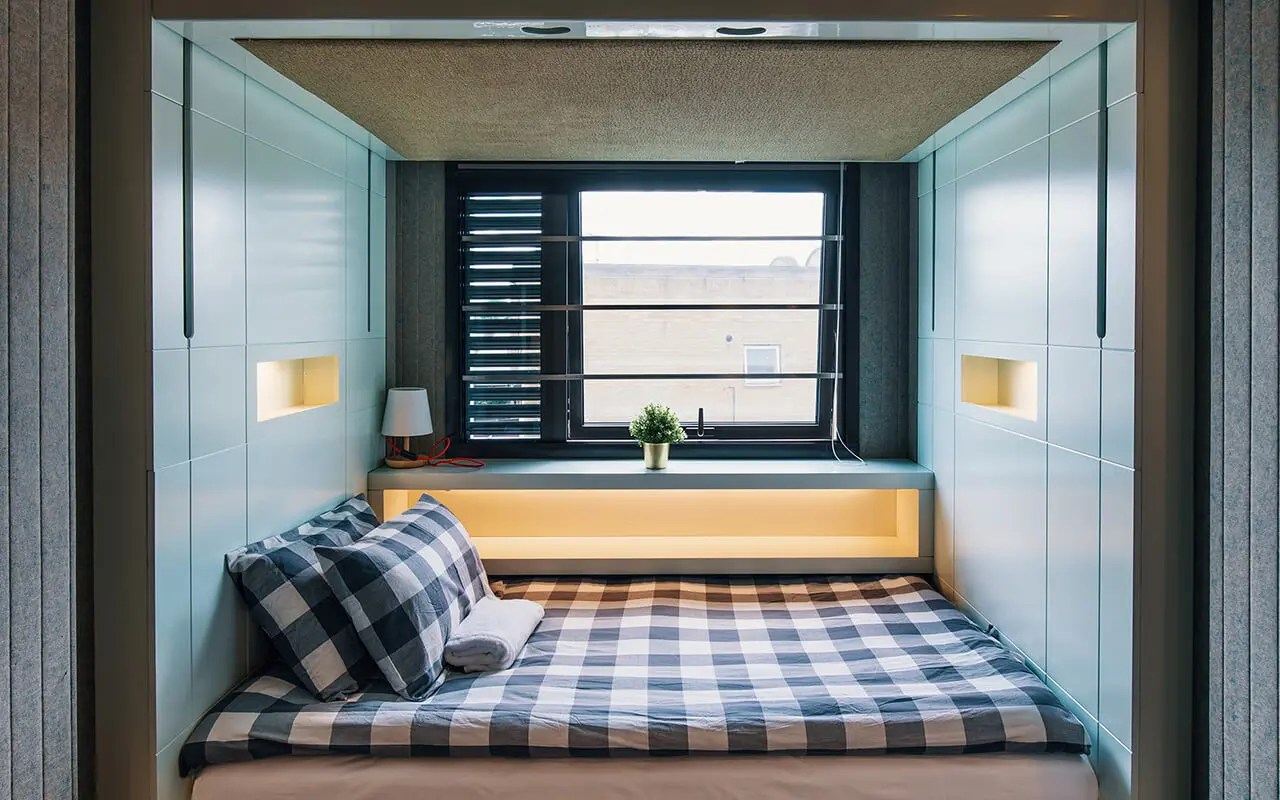
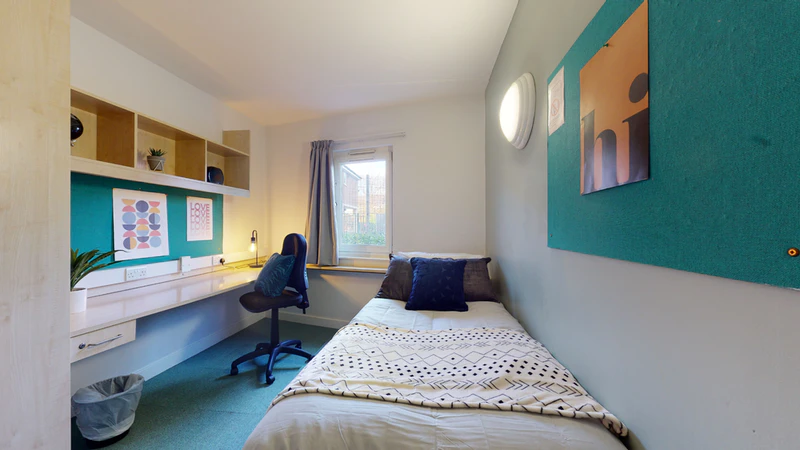
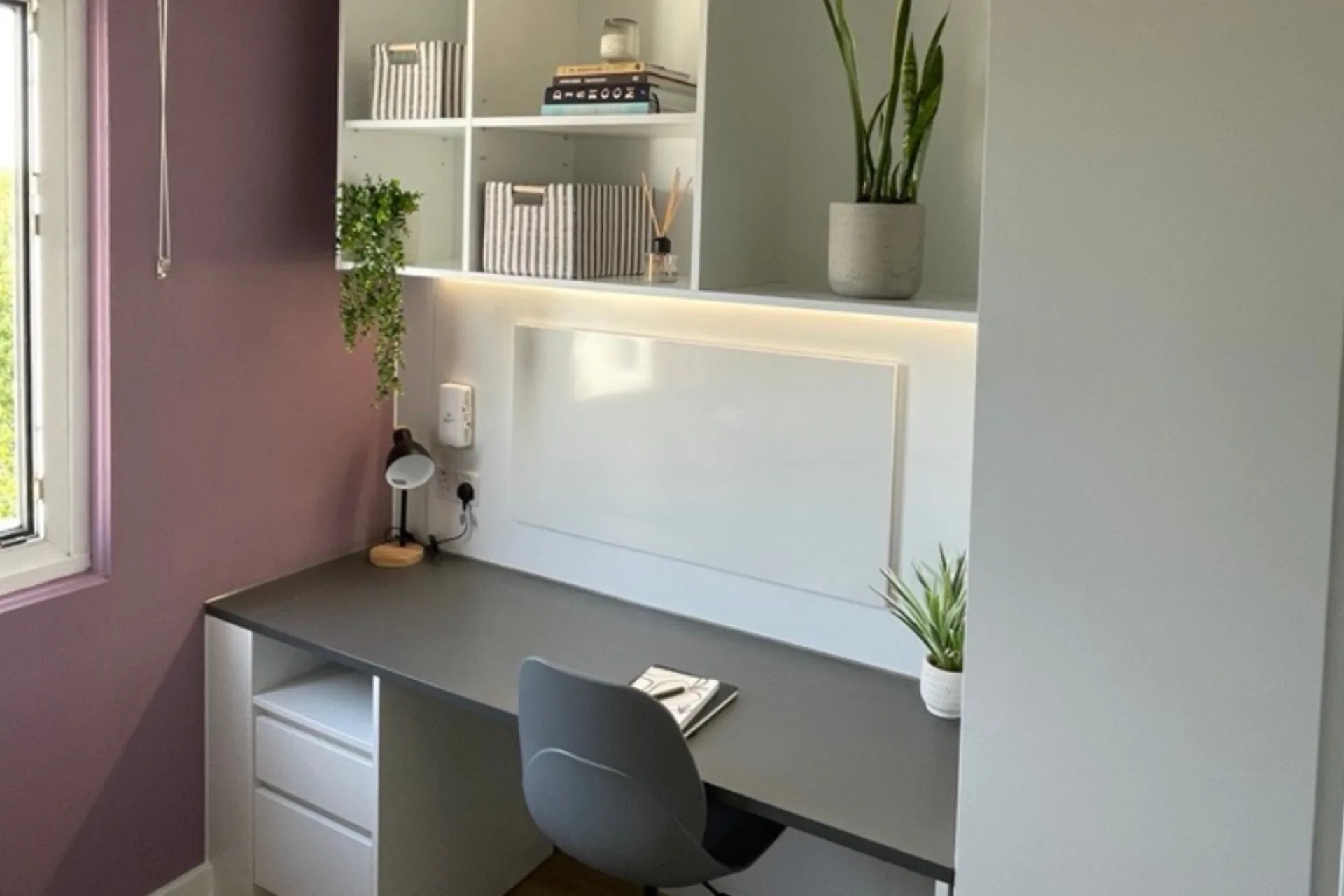
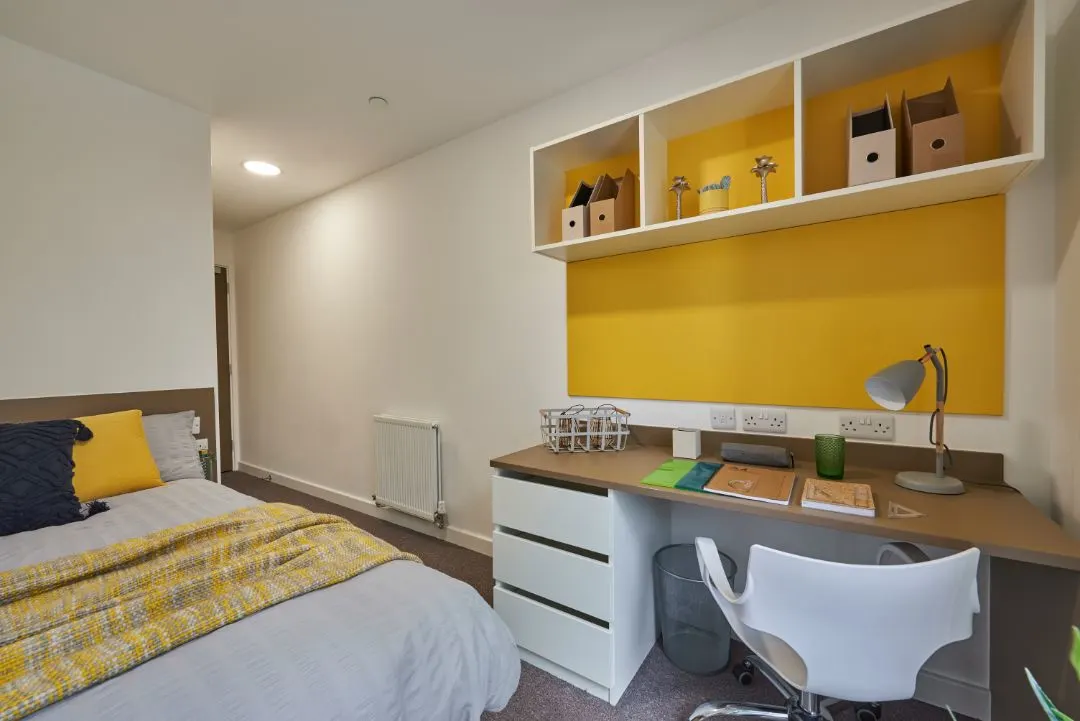
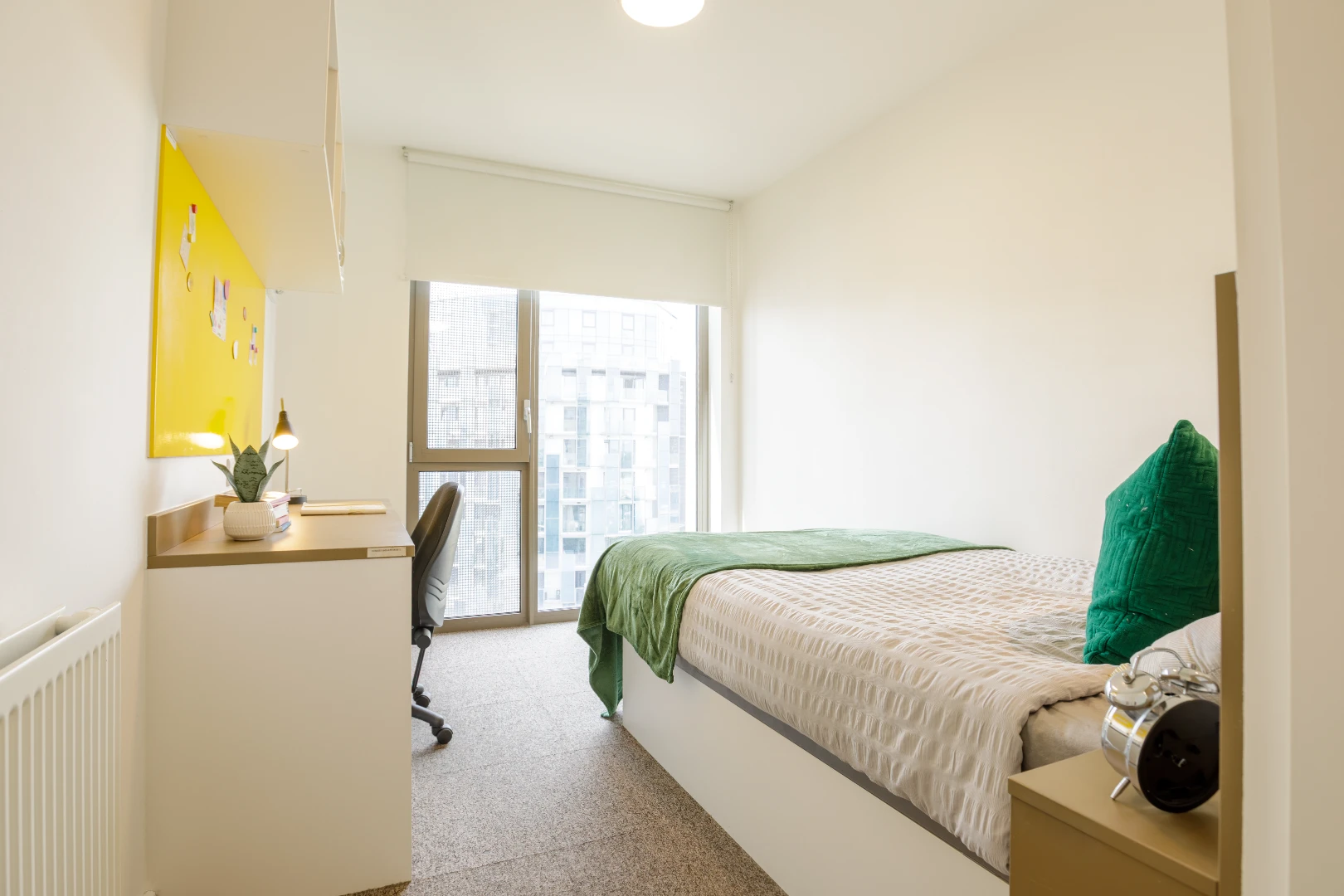
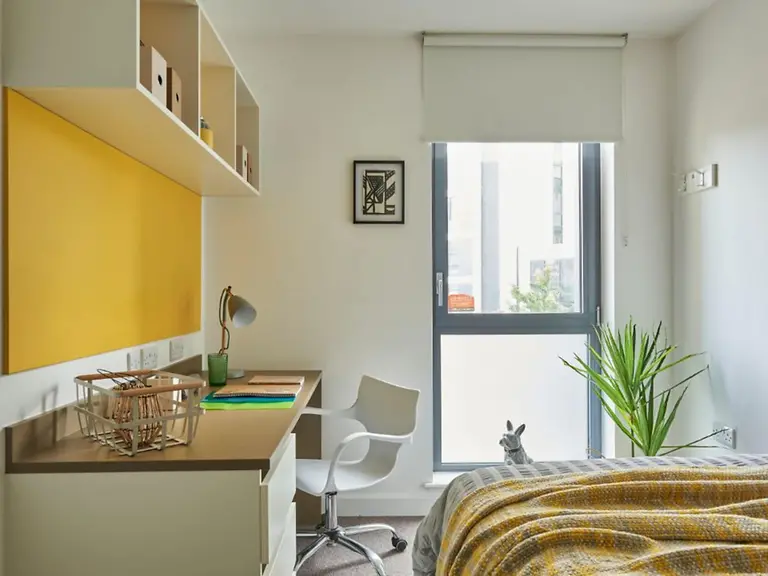
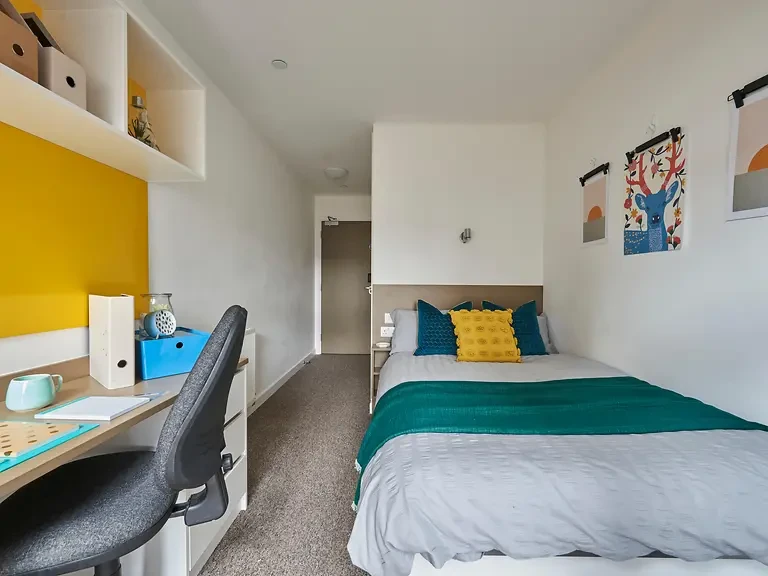
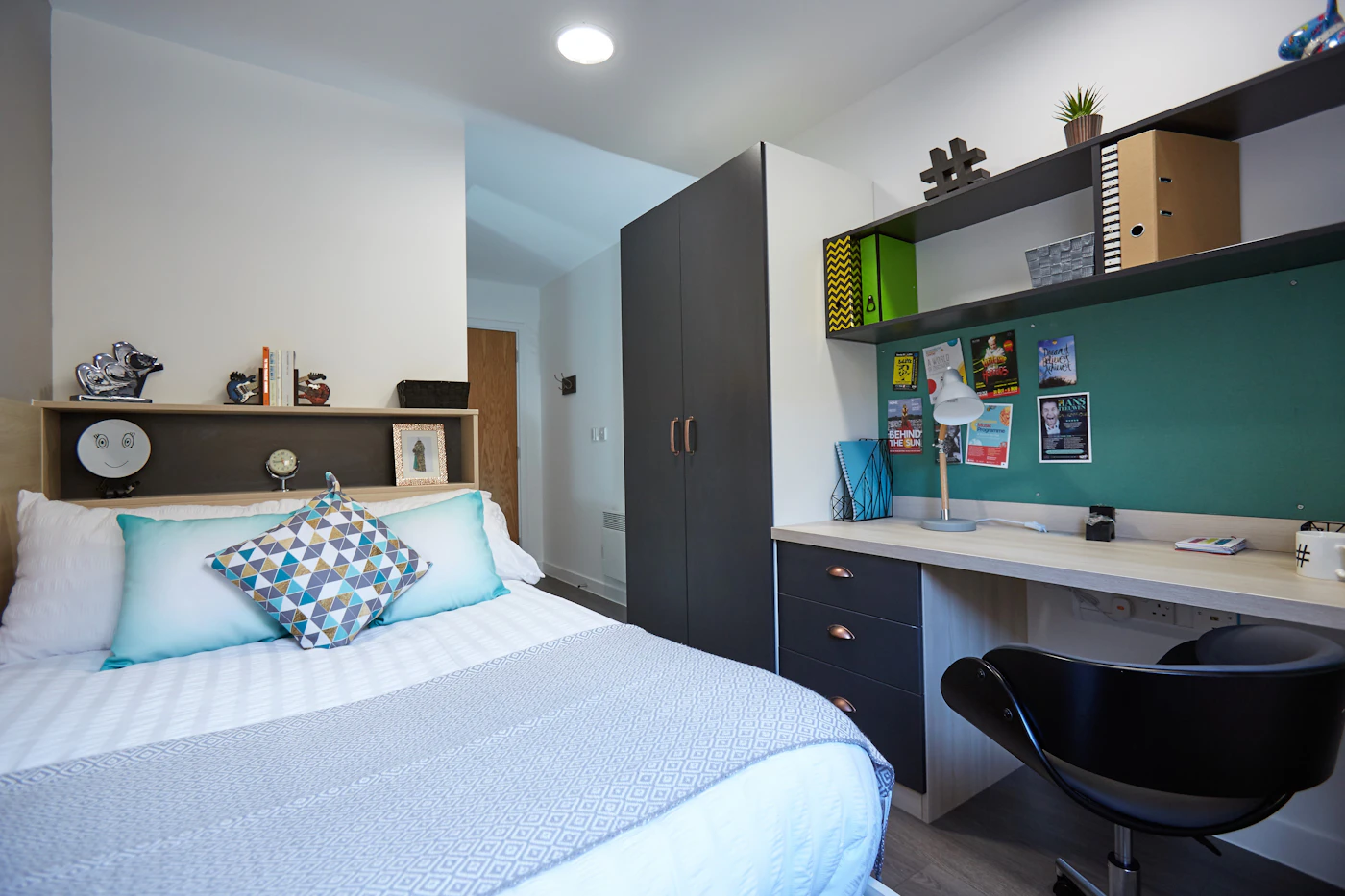
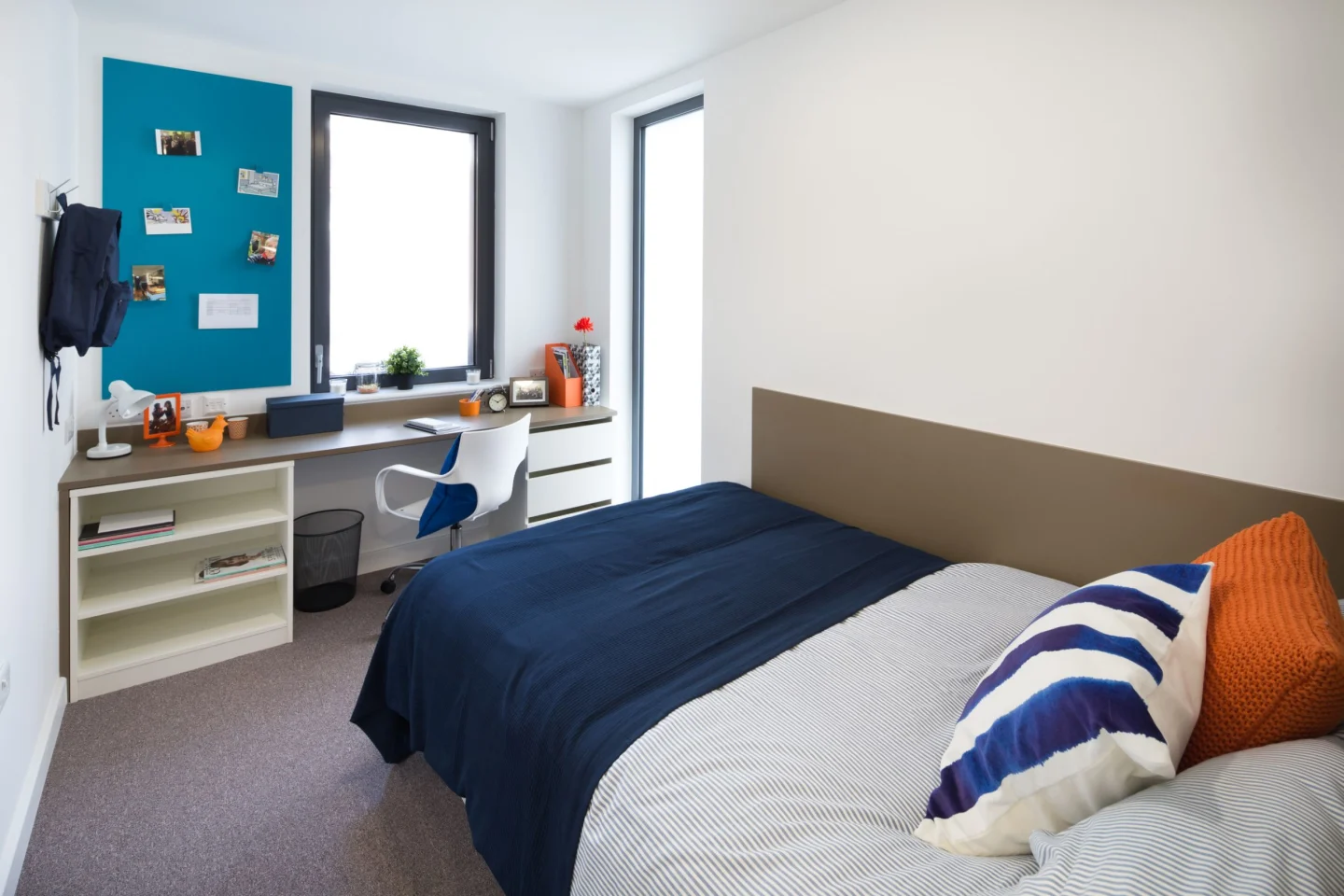
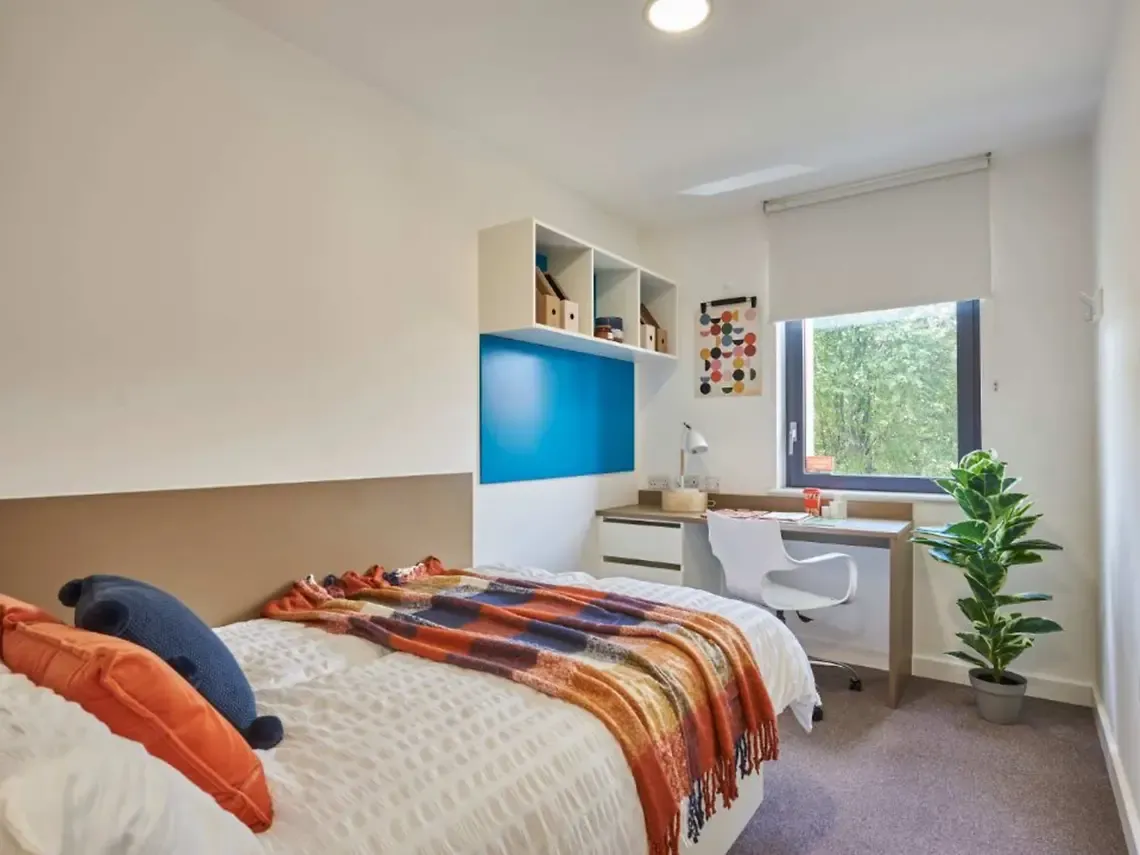
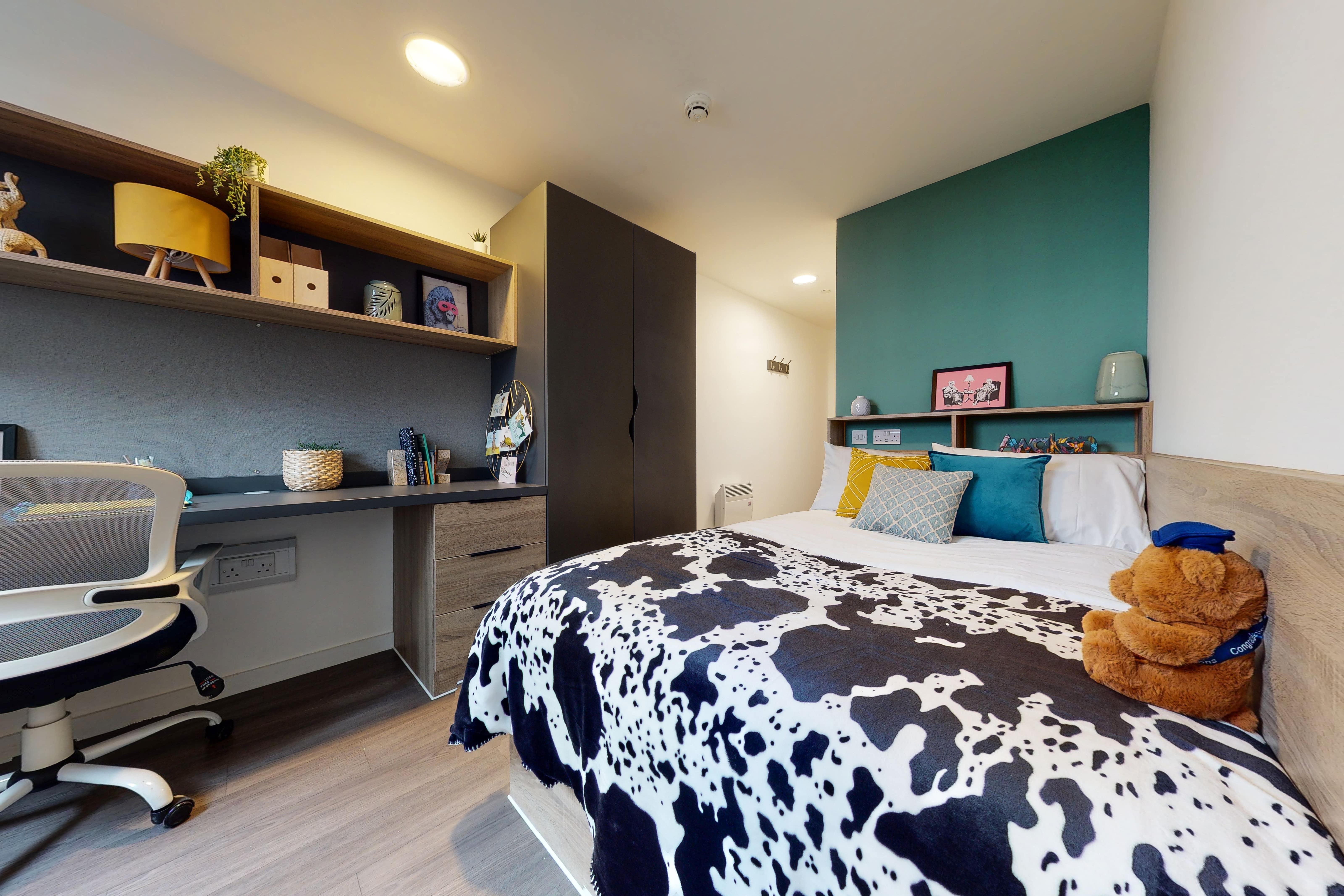
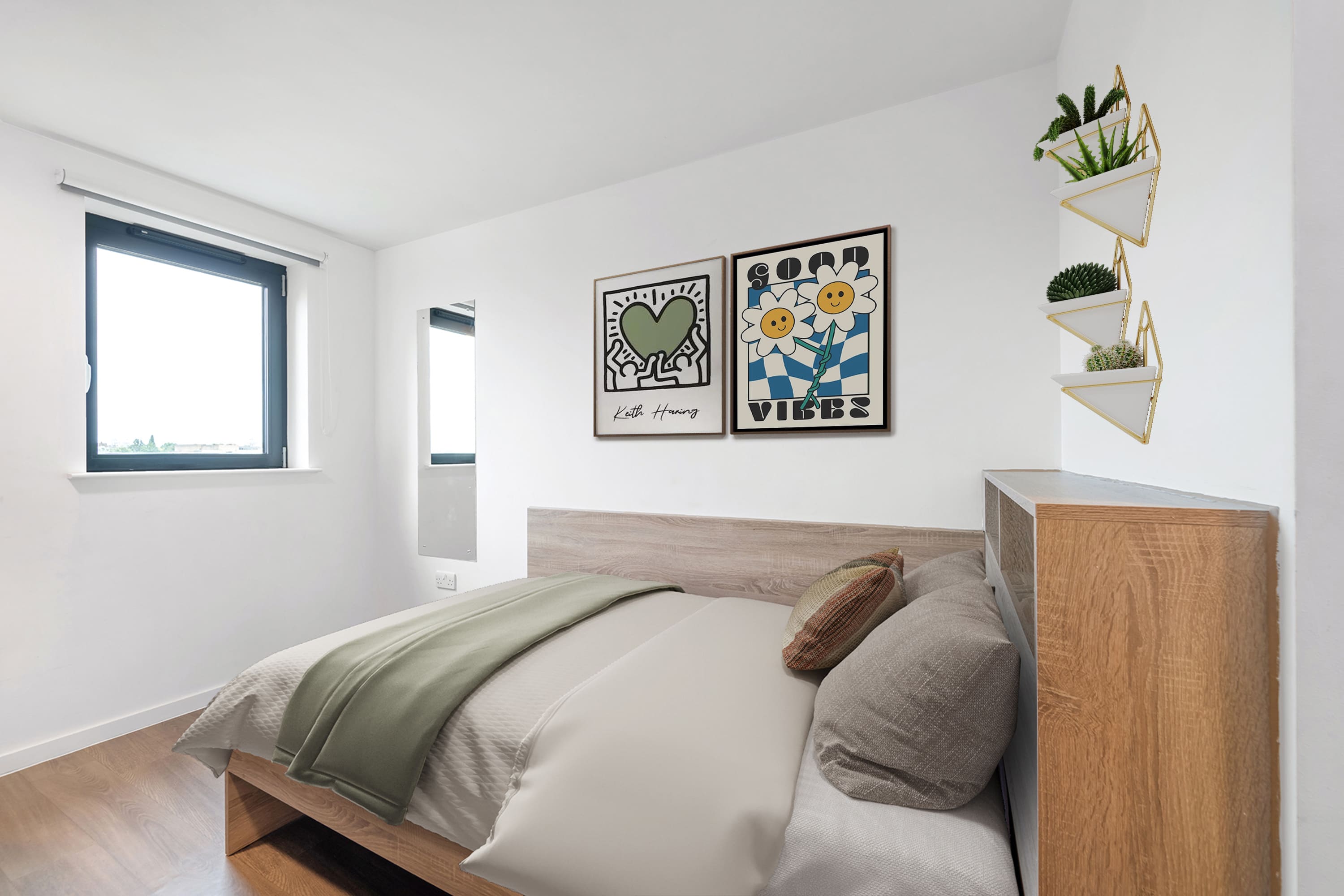
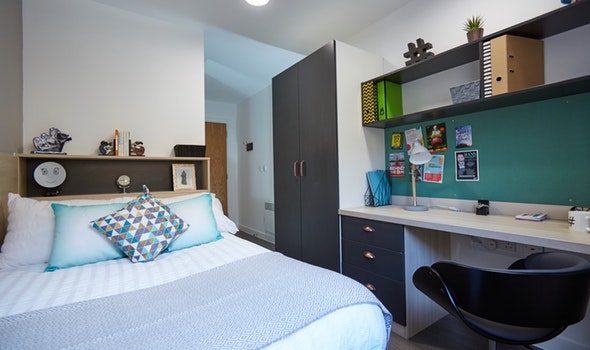
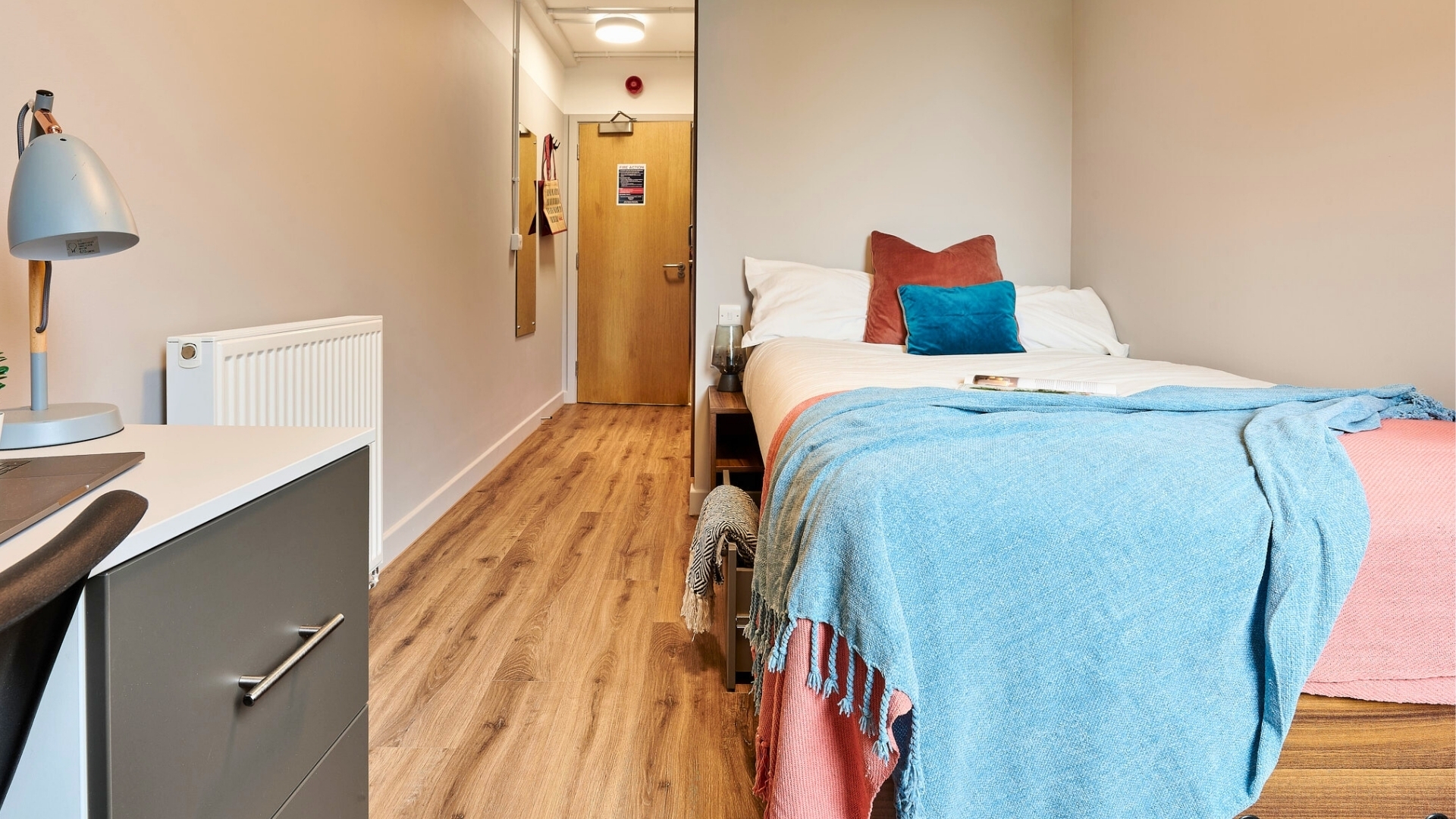
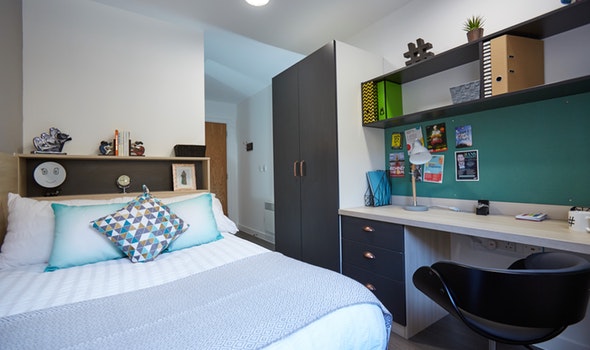
Purpose-built student accommodation is not always directly beside Turnpike Lane, but it can still work well because Ingla is on a direct Tube line. Look at PBSA in Finsbury Park, Holloway, King's Cross, Camden, Stratford and other connected London areas.
PBSA is usually best if you want:
- A furnished room or studio ready when you arrive.
- Bills included, usually covering electricity, heating, water and internet.
- On-site management for repairs, parcels and building issues.
- Study spaces and social areas without needing to organise everything yourself.
- Clearer contracts than many informal private rooms.
Typical London PBSA costs vary widely:
| PBSA room type |
Typical London range |
Best for |
| Shared bathroom room |
GBP 220-GBP 320 per week |
Budget-conscious longer stays |
| Ensuite room |
GBP 280-GBP 450 per week |
Balance of privacy and cost |
| Studio |
GBP 380-GBP 650+ per week |
Maximum privacy and independent living |
Tip: If you are studying English for only a few weeks, ask whether the provider accepts short lets before applying. Many student residences prefer term-length or academic-year bookings.
Homestay: Strong option for English-language students
Homestay can be a smart choice for Ingla students because it gives you daily English practice and a more supported arrival in London. Ingla's own accommodation guidance says homestay is common for English-language students and may start from about GBP 250 per week, depending on provider, room type, meal plan and location.
Common homestay meal plans:
| Plan |
Usually includes |
Who it suits |
| Self-catering |
Bedroom plus kitchen access |
Independent students on a lower budget |
| Bed and breakfast |
Breakfast at home |
Students out most of the day |
| Half board |
Breakfast and evening meal |
Students who want routine and support |
| Full board |
More meals included |
Younger or highly structured stays |
Choose homestay if you want language immersion, a local host and fewer setup tasks. Choose PBSA or a shared flat if you want more independence, guests, late nights or private facilities.
Private rooms and shared flats
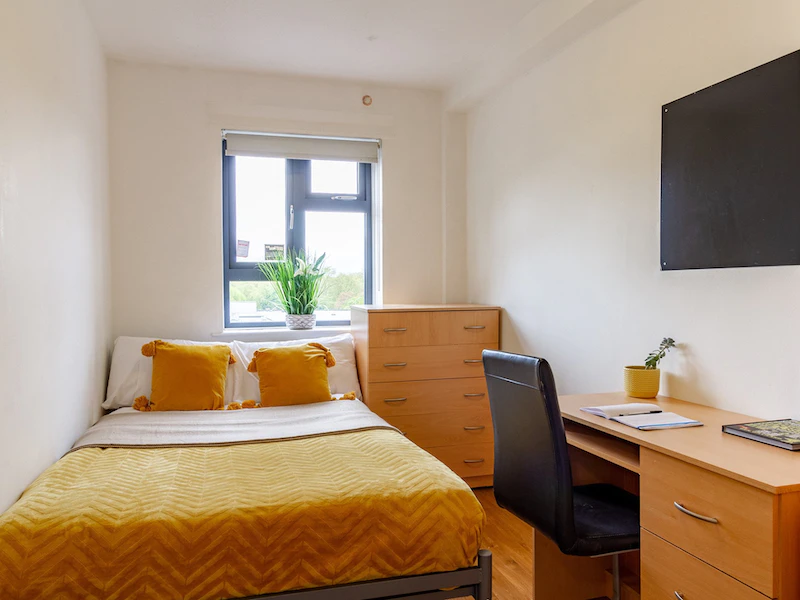
Private renting around Turnpike Lane can be cheaper than central London PBSA, but it needs more checking. You may see:
- Rooms in shared flats: Often the most affordable long-stay option.
- Studios: More privacy, but usually much more expensive.
- One-bedroom flats: Rarely budget-friendly for students in London.
- Lodger rooms: You live with a resident landlord; rules may be more house-specific.
Expected monthly costs:
| Accommodation type |
North London estimate |
Notes |
| Homestay |
GBP 1,000-GBP 1,500 per month |
Meals may be included depending on plan |
| Shared room or small single |
GBP 650-GBP 900 per month |
Check overcrowding and contract terms |
| Double room in shared flat |
GBP 800-GBP 1,200 per month |
Bills may or may not be included |
| Studio near Turnpike Lane/Wood Green |
GBP 1,300-GBP 1,800+ per month |
Often requires references and deposit |
| London PBSA ensuite |
GBP 1,200-GBP 1,950 per month |
Usually bills included |
Always compare the total monthly cost, not only the rent. A cheap private room can become expensive once you add electricity, heating, water, council tax rules, internet and transport.
Transport and commuting
Turnpike Lane is useful because it sits on the Piccadilly line, giving direct access to Finsbury Park, King's Cross St Pancras, Holborn, Covent Garden, South Kensington and Heathrow.
For 2026, adult pay-as-you-go TfL caps include:
| Travel pattern |
Typical cost |
| Bus or tram single fare |
GBP 1.75 |
| Bus and tram daily cap |
GBP 5.25 |
| Zones 1-3 daily cap |
GBP 10.50 |
| Zones 1-3 weekly cap |
GBP 52.50 |
If you are eligible for an 18+ Student Oyster photocard, you can save 30% on adult-rate Travelcards and Bus & Tram Pass season tickets. Pay-as-you-go fares are not automatically 30% cheaper, so occasional travellers may still do better using contactless or Oyster pay as you go.
Suggested monthly budget
| Category |
Budget student |
Moderate student |
Higher-comfort student |
| Accommodation |
GBP 900 |
GBP 1,350 |
GBP 2,000+ |
| Food and groceries |
GBP 240 |
GBP 380 |
GBP 560 |
| Public transport |
GBP 35-GBP 85 |
GBP 85-GBP 145 |
GBP 145+ |
| Mobile phone |
GBP 15-GBP 25 |
GBP 25-GBP 40 |
GBP 40+ |
| Entertainment and eating out |
GBP 80 |
GBP 120 |
GBP 220+ |
Realistic total: Many Ingla students should expect around GBP 1,300-GBP 1,900 per month for a modest London lifestyle, depending heavily on accommodation.
Step-by-step booking timeline
8 to 12 weeks before arrival
- Decide whether you need short stay, flexible stay or long stay accommodation.
- Compare PBSA, homestay and private room costs.
- Check whether your course hours and status make you eligible for student travel discounts.
- Prepare ID, visa details, proof of course booking and budget evidence.
4 to 8 weeks before arrival
- Shortlist 3 to 5 areas with sensible commute times to Turnpike Lane.
- Request full costs in writing: rent, deposit, bills, admin fees, bedding, laundry and cancellation terms.
- For PBSA, check contract length and whether non-university language students are accepted.
- For homestay, confirm meals, bathroom access, laundry, curfew expectations, pets and commute.
1 to 4 weeks before arrival
- Book temporary accommodation if you still need to view private rooms.
- Arrange a video viewing and ask to see the entrance, kitchen, bathroom, locks and windows.
- Do not pay unless you have a contract, receipt and verified provider details.
- Save your route from the accommodation to Ingla before travelling.
After arrival
- Visit the area in daylight and evening before committing long term.
- Register your Oyster/contactless travel setup.
- Photograph room condition at move-in and report problems immediately.
- Keep copies of contracts, deposit protection details and payment receipts.
Scam prevention and safety
London has legitimate landlords and providers, but rental scams are common. Be especially careful if you are booking from overseas.
Red flags:
- The rent is far below similar rooms in the same area.
- The advertiser refuses a video viewing.
- You are asked to pay a deposit before seeing a contract.
- The landlord says they are abroad and cannot show the property.
- The listing photos appear on multiple websites with different addresses.
- Payment is requested by wire transfer, crypto, gift card or an unrelated personal account.
Safer checks:
- Use established PBSA, homestay or letting platforms where possible.
- Ask for the full address and check it exists.
- Search the provider name plus "reviews" and "scam".
- Confirm whether the deposit is protected where required.
- For homestay, prefer providers connected to recognised accommodation schemes or British Council-registered agencies for accredited English language centres.
International student guide and Right to Rent
If you rent privately in England, your landlord normally has to check that every adult tenant has the Right to Rent. Non-British and non-Irish students often prove this with a GOV.UK share code linked to their immigration status.
Important points:
- Private landlords and agents must check adults before a tenancy starts.
- Student accommodation can be exempt from Right to Rent checks in some cases, but private rooms and flats usually are not.
- If your permission to stay in the UK is time-limited, checks may need to happen shortly before the tenancy begins.
- A landlord should check everyone fairly and must not only check people based on nationality or accent.
Bring or prepare:
- Passport or national ID where relevant.
- UKVI/eVisa access details if applicable.
- Course confirmation from Ingla.
- Proof of funds or sponsor letter if requested.
- Emergency contact and previous landlord reference if you have one.
Tenancy agreement cheat sheet
Before signing, check these points:
| Clause |
What to check |
| Rent |
Exact amount, payment date and accepted payment method |
| Deposit |
Amount, protection scheme and deduction rules |
| Bills |
Whether gas, electricity, water, internet and council tax are included |
| Contract length |
Fixed dates, break clause and notice period |
| Guests |
Overnight guest rules and limits |
| Repairs |
Who reports issues and expected response times |
| Cleaning |
Shared area duties and end-of-tenancy cleaning rules |
| Cancellation |
What happens if your visa, course or travel plans change |
Do not rely on verbal promises. If something matters, ask for it in writing before paying.
What to pack vs what is usually provided
| Item |
PBSA |
Homestay |
Private room |
| Bed and mattress |
Usually provided |
Provided |
Usually provided, but check |
| Bedding |
Sometimes extra |
Usually provided |
Often not provided |
| Towels |
Sometimes extra |
Usually provided |
Usually not provided |
| Desk |
Usually provided |
Usually provided |
Check before booking |
| Kitchen items |
Shared or studio basics |
Host's kitchen rules apply |
Often shared, may need your own |
| Laundry |
On-site paid laundry common |
Host rules apply |
Washing machine varies |
| Internet |
Usually included |
Usually included |
Check speed and cost |
Pack light if you are staying short term. London has plenty of affordable shops for bedding, adapters, toiletries and kitchen basics once you arrive.
Accessibility and special requirements
Ask detailed questions before booking if you need step-free access, quiet housing, dietary support, allergy-safe accommodation, gender-specific housing, prayer space, or a room suitable for a medical condition.
For each option:
- PBSA: Ask about lifts, accessible rooms, bathroom layout, emergency evacuation plans and distance to public transport.
- Homestay: Ask about stairs, pets, smoking, food allergies, bathroom sharing and household routines.
- Private rentals: Ask for doorway widths, lift reliability, heating controls, bathroom photos and the route from street to room.
Turnpike Lane station is convenient, but not every London Underground station is step-free. If accessibility matters, check the exact route before booking accommodation.
Final advice
For most Ingla School of English students, the best accommodation choice is:
- Homestay for short courses, language immersion and meal support.
- PBSA for a cleaner long-stay setup with bills included and fewer private-rental risks.
- Shared flats near Turnpike Lane, Wood Green or Harringay for students prioritising budget and local convenience.
Start with your course length, then choose the housing type. In London, the cheapest room is not always the best value if it creates a long commute, unclear bills or deposit risk.