Overview: finding accommodation near Delfin English School London
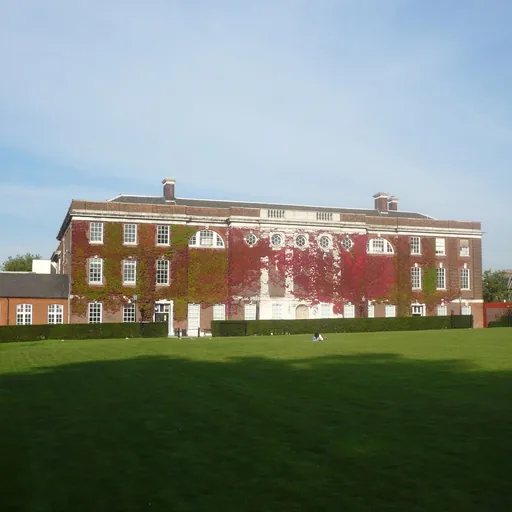
Delfin English School London's historic London address is 46-47 Bloomsbury Square, close to Holborn in central London. That puts students in one of the city's most useful academic areas: the British Museum, University of London colleges, Covent Garden, Tottenham Court Road and King's Cross are all nearby.
There is one important planning note. Delfin's official London page currently says the London school is closed with no reopening date planned. If you are researching Delfin because of an agent listing, old brochure or short English course, confirm the teaching location directly before you sign an accommodation contract. A room near Bloomsbury is ideal only if your classes are actually in London.
For students who do need London housing, the market is competitive and expensive. The best approach is to decide your commute limit first, then choose between PBSA, homestay, private rented rooms and studios. For most first-time international students, PBSA is the preferred option because it combines furnished rooms, bills, Wi-Fi, maintenance, security and student-friendly contracts in one booking.
Quick facts for students
| Detail |
What to know |
| Listed campus area |
Bloomsbury Square / Holborn, London WC1 |
| Nearest Tube options |
Holborn, Russell Square, Tottenham Court Road, Covent Garden |
| Best walking-distance areas |
Bloomsbury, Holborn, King's Cross, Fitzrovia, Clerkenwell |
| Better-value commute areas |
Camden, Angel, Finsbury Park, Stratford, Whitechapel, Canada Water |
| Preferred housing type |
PBSA for first-time students, especially international students |
| Main warning |
Confirm Delfin's London teaching status before paying rent |
Best accommodation types near Delfin English School London
Purpose-built student accommodation (PBSA)
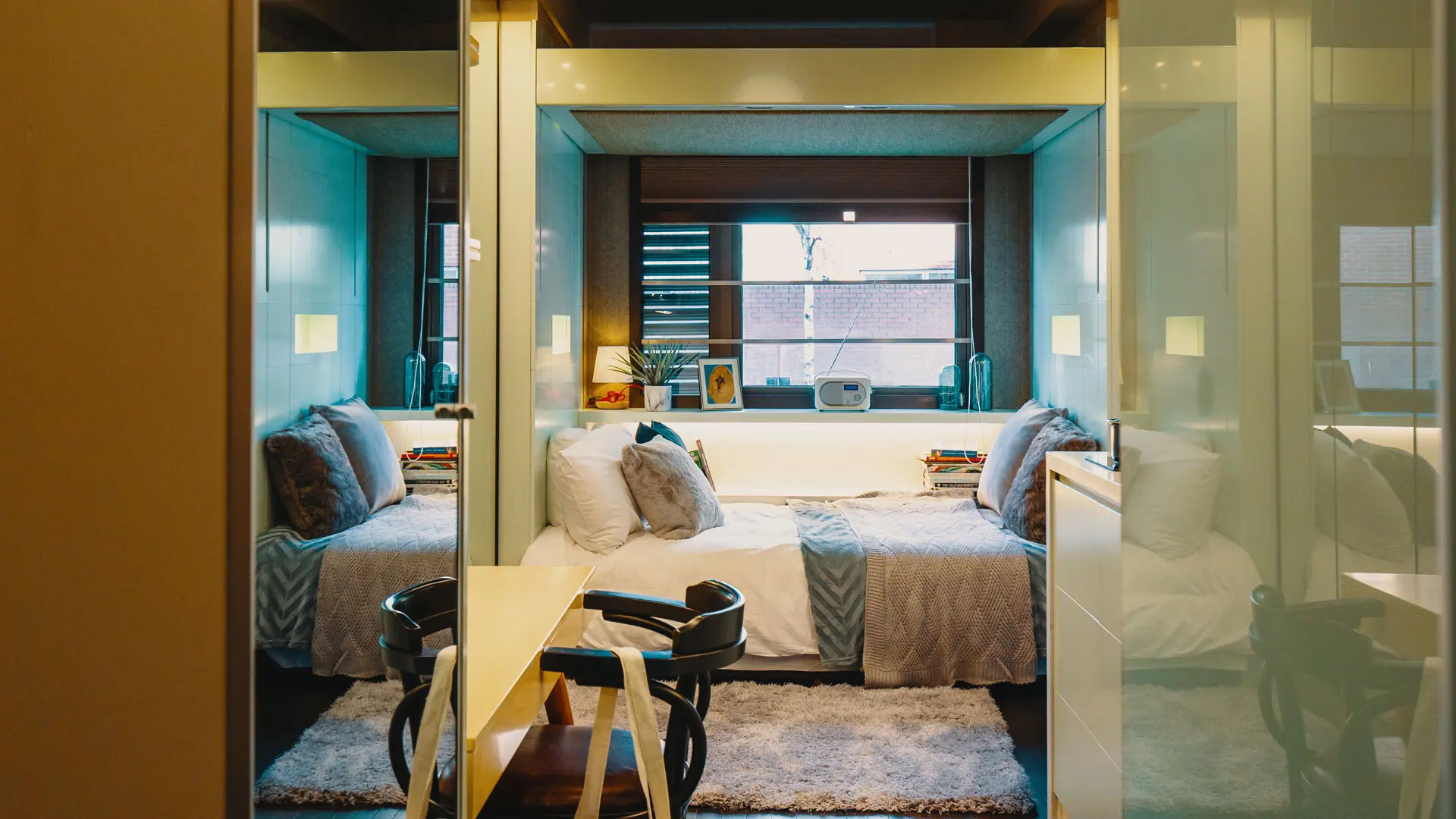
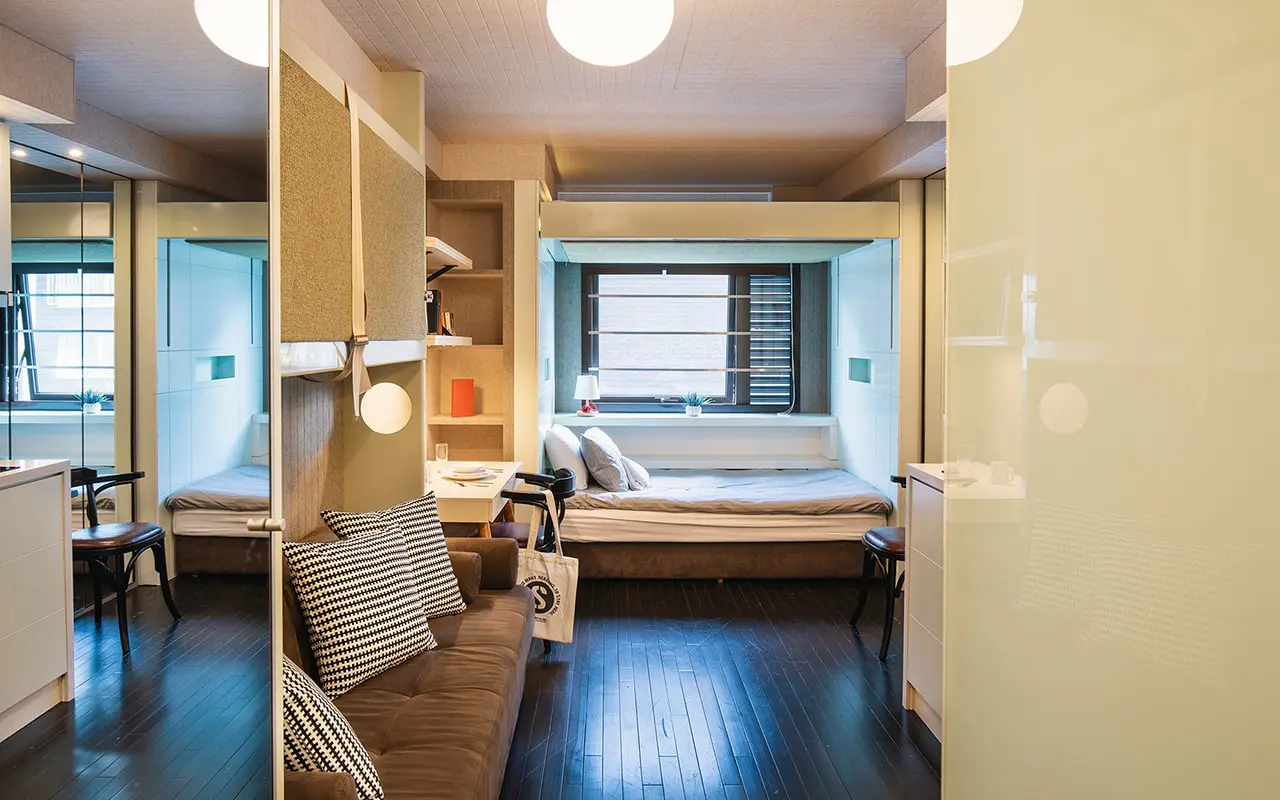
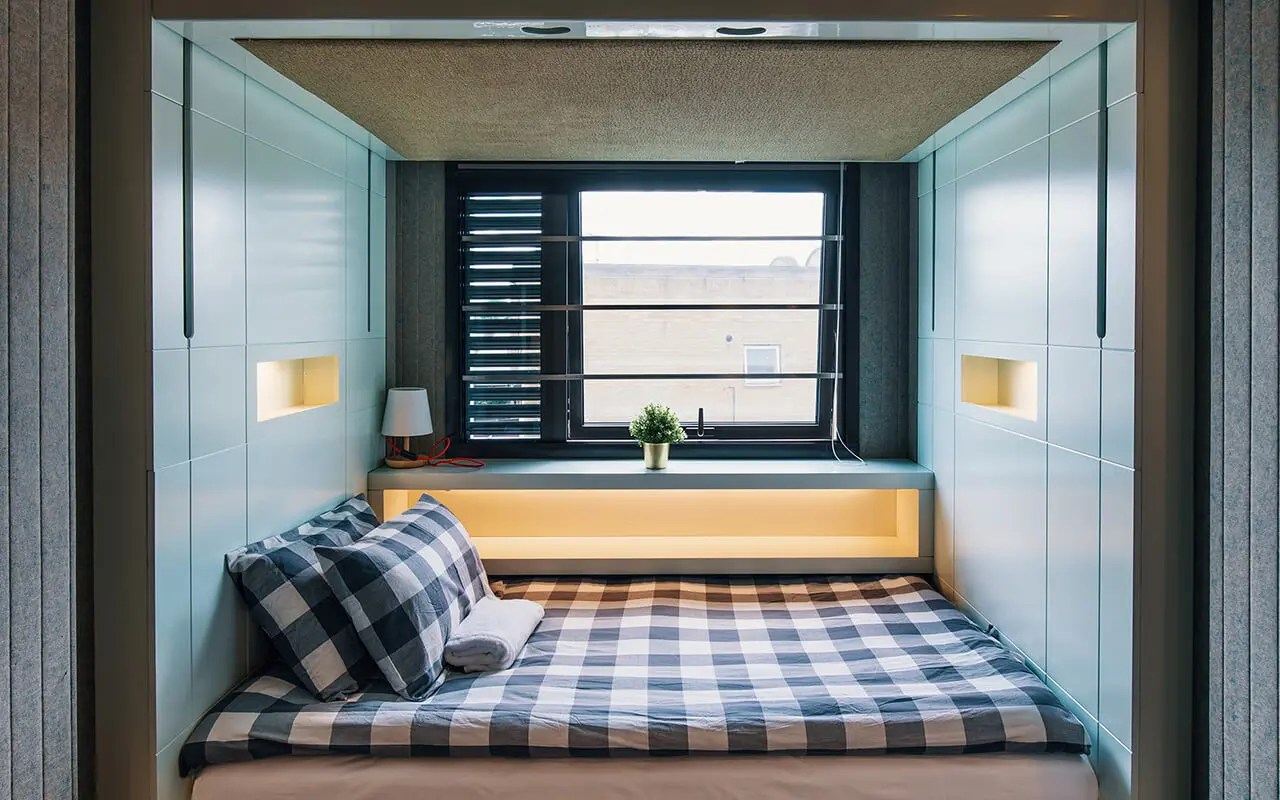
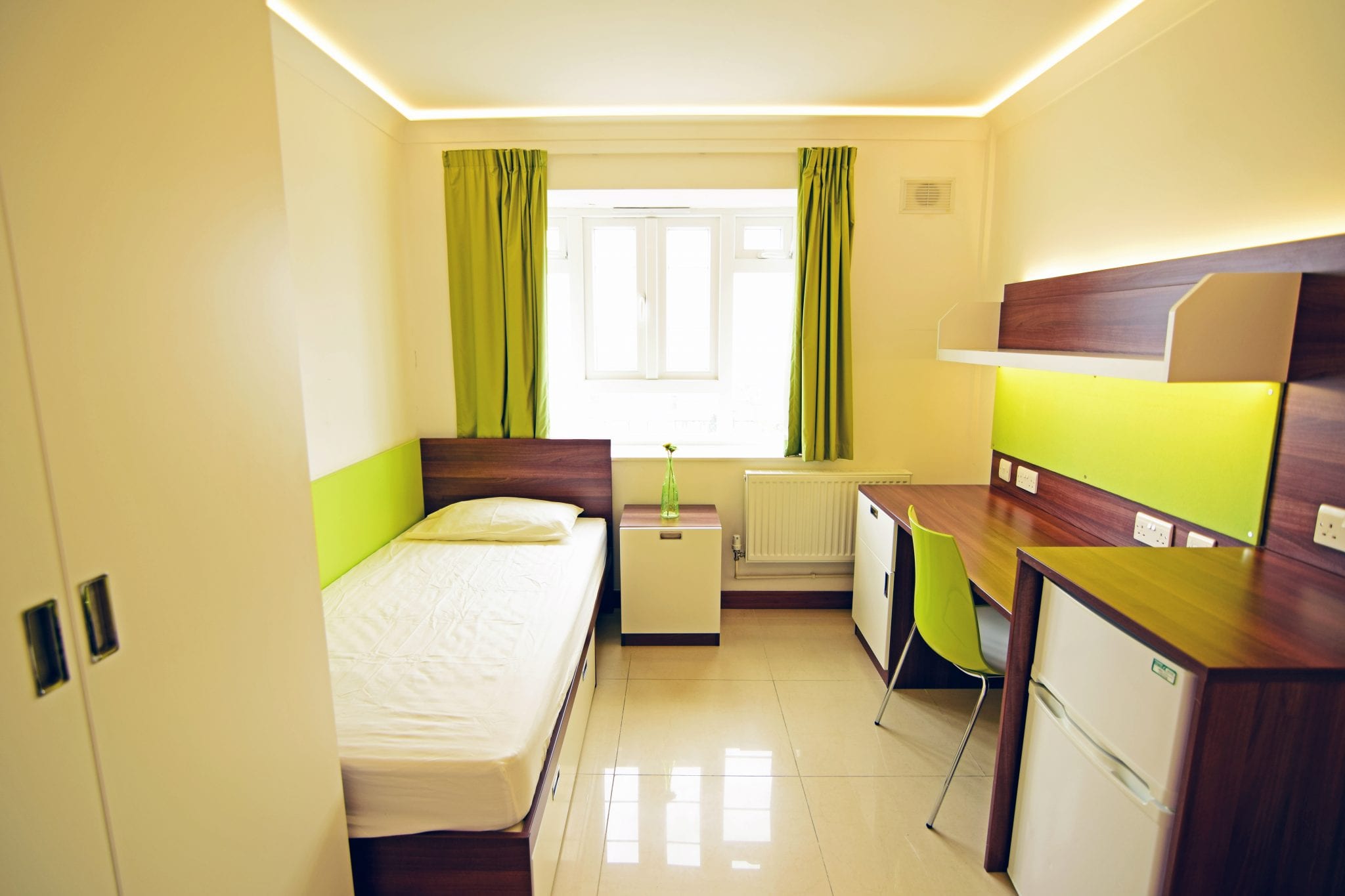
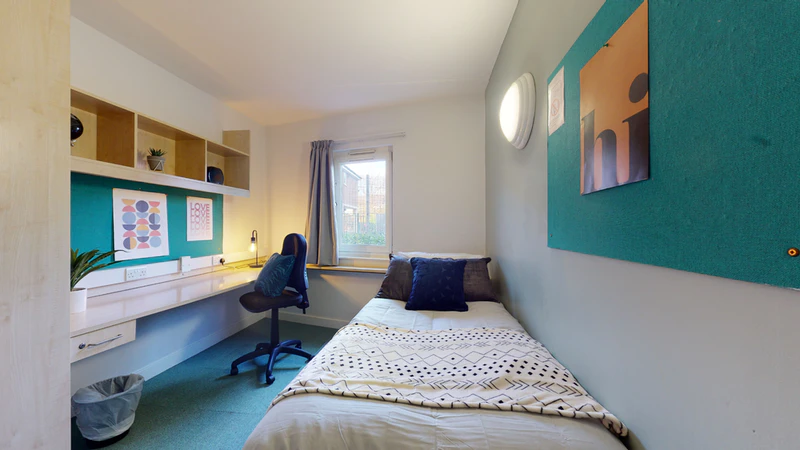
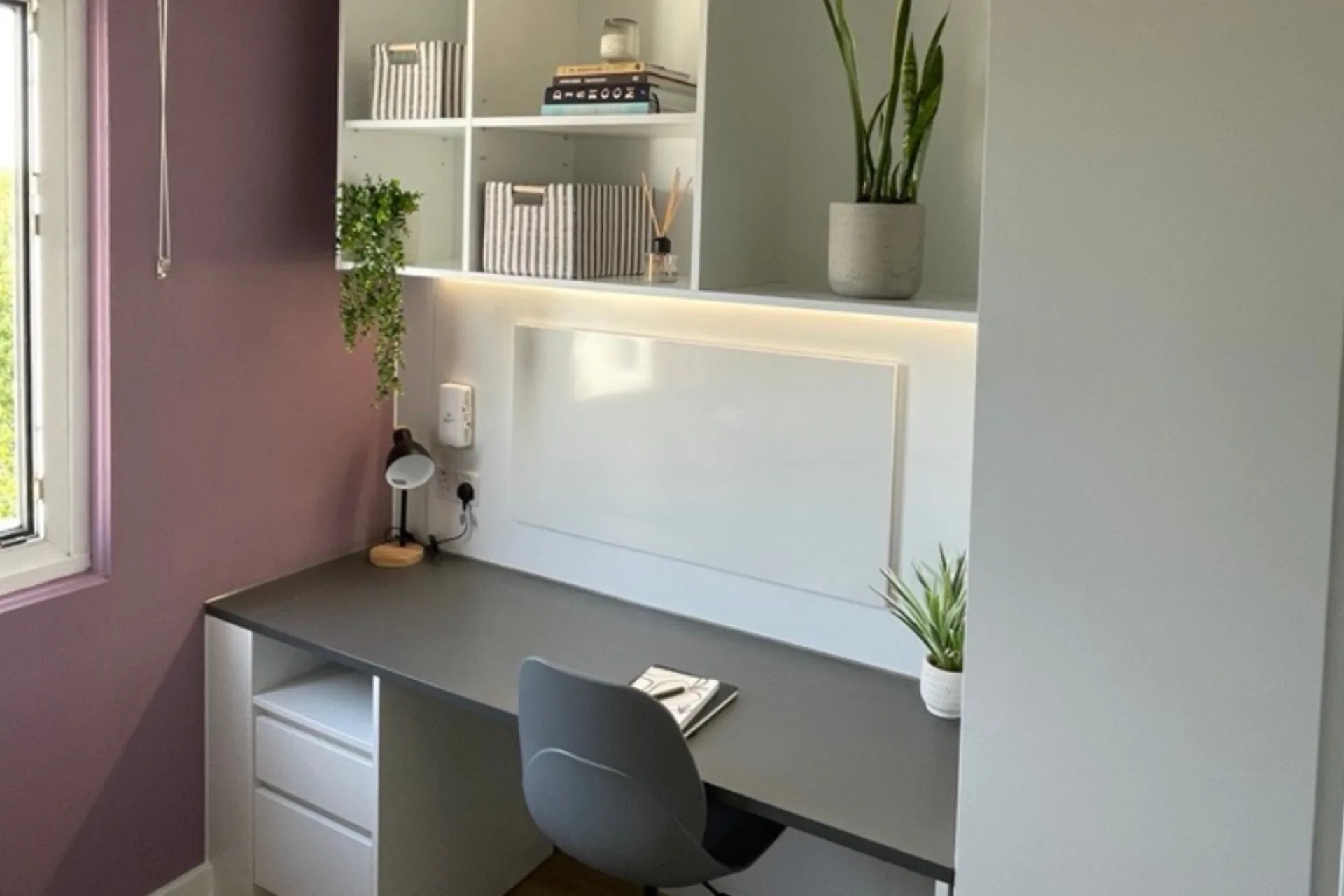
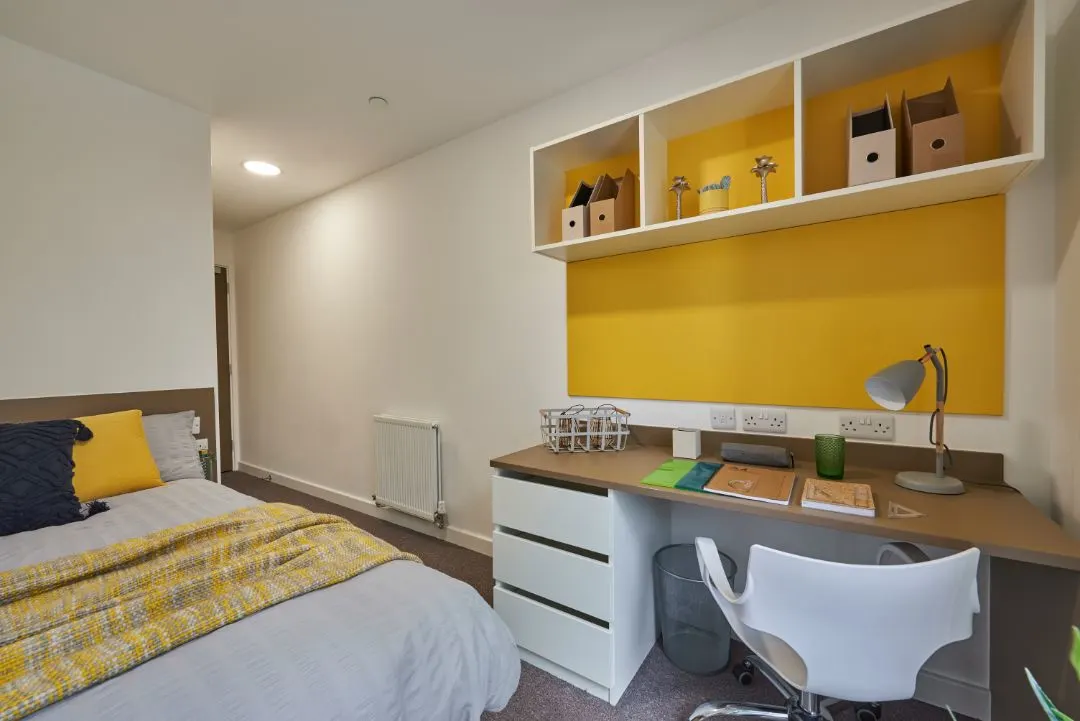
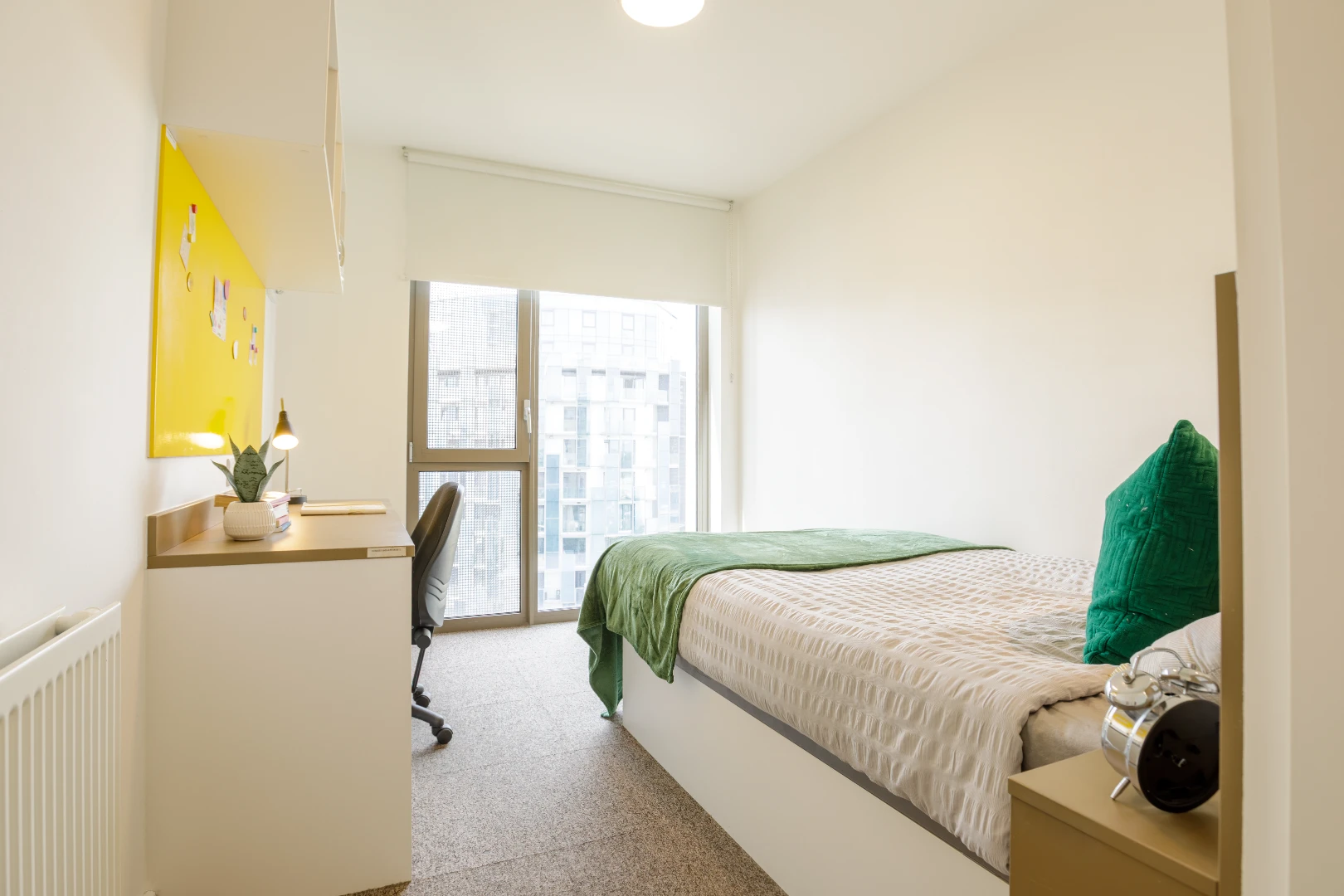
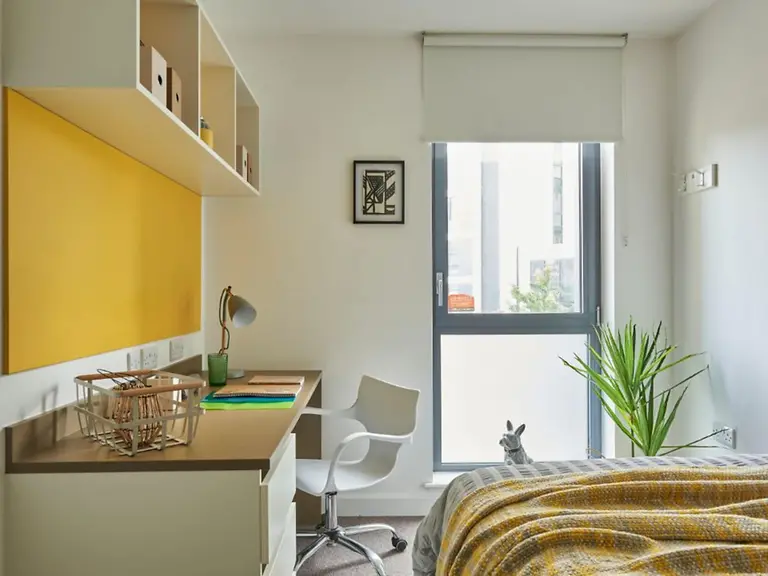
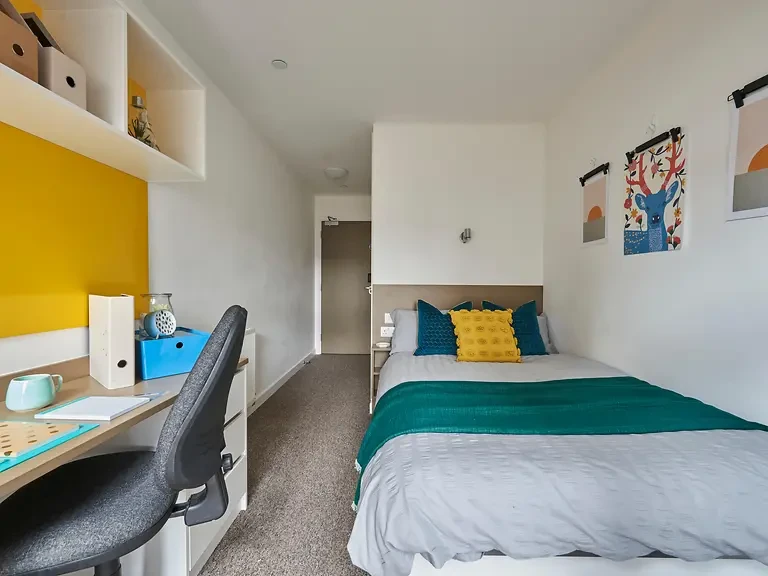
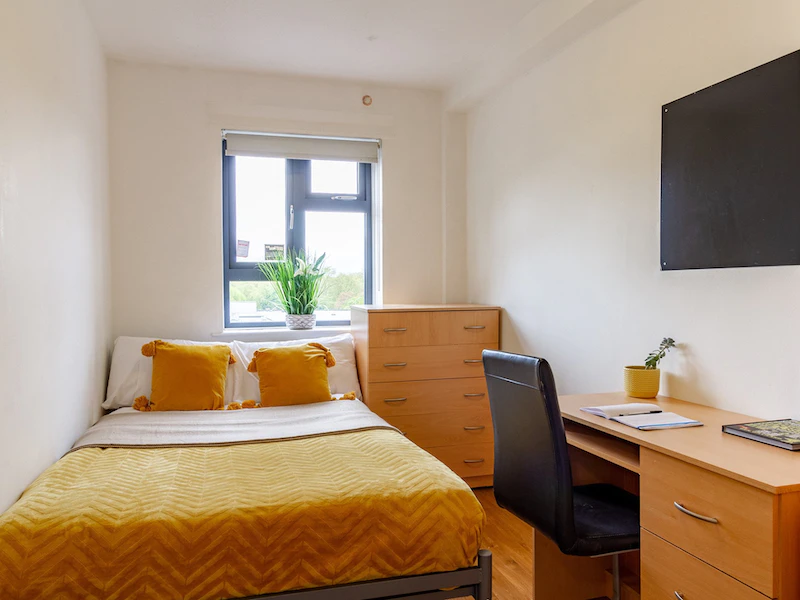
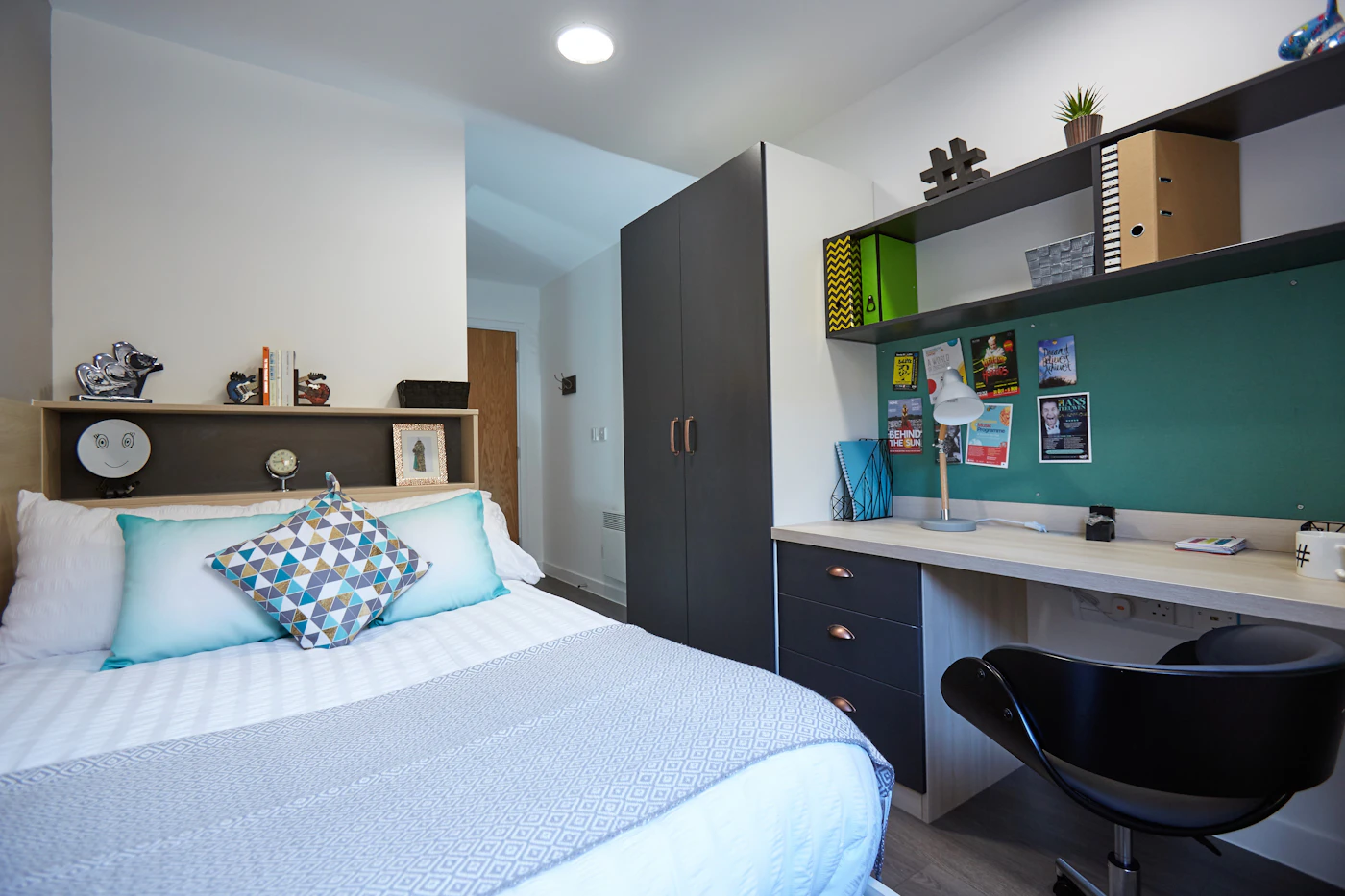
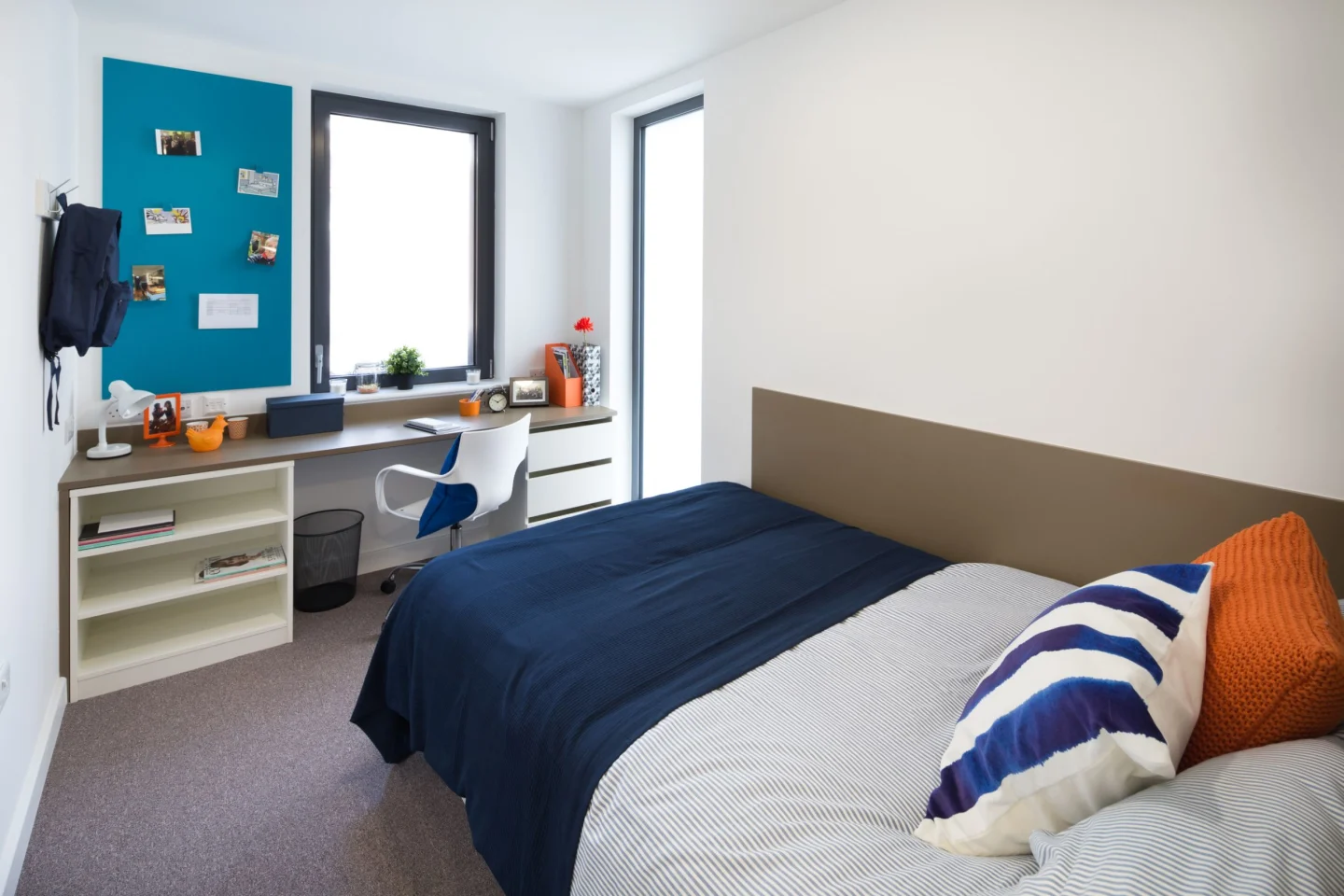
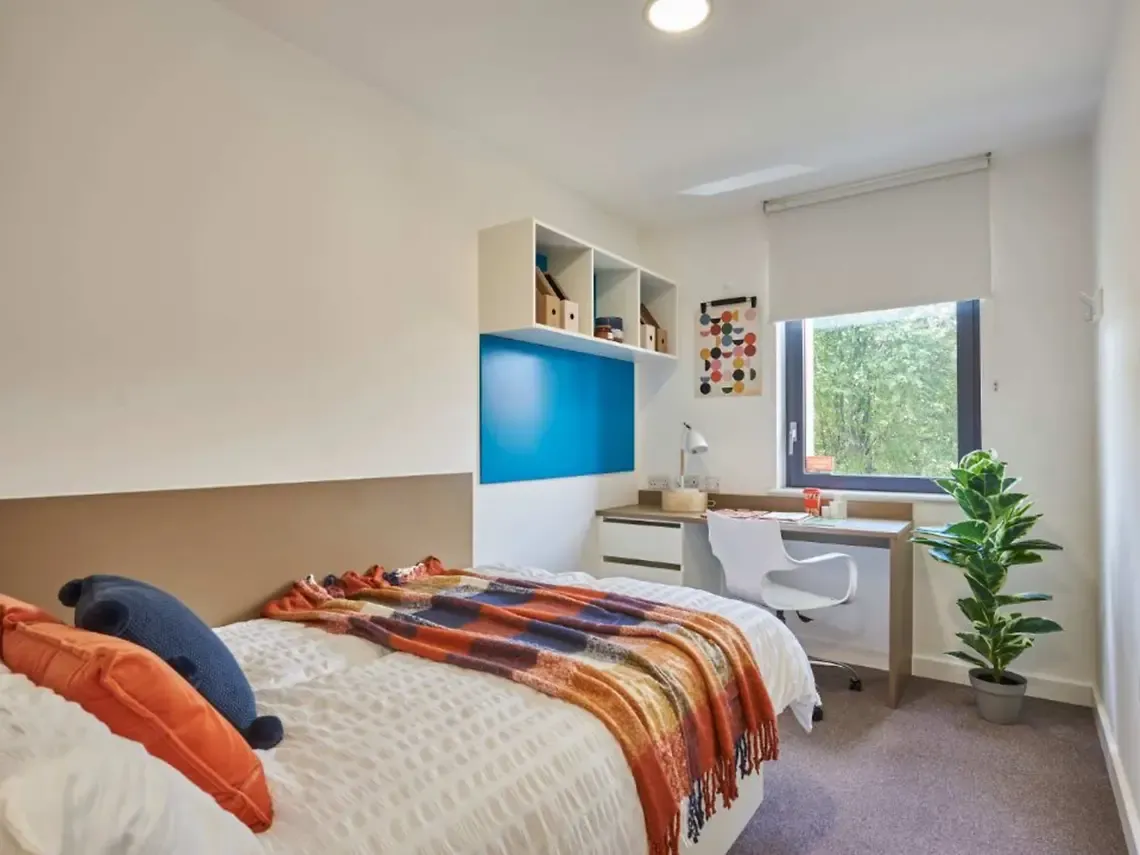
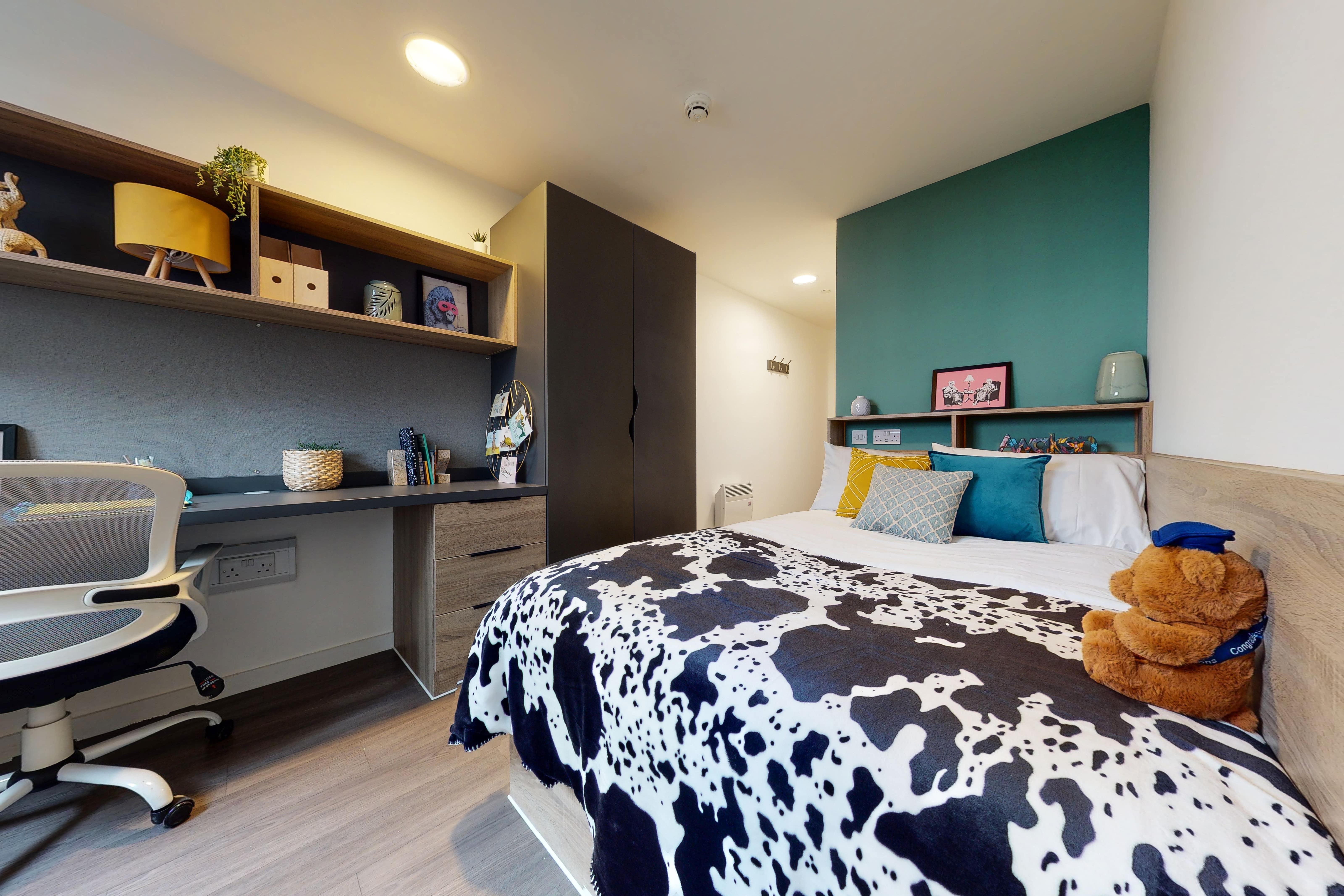
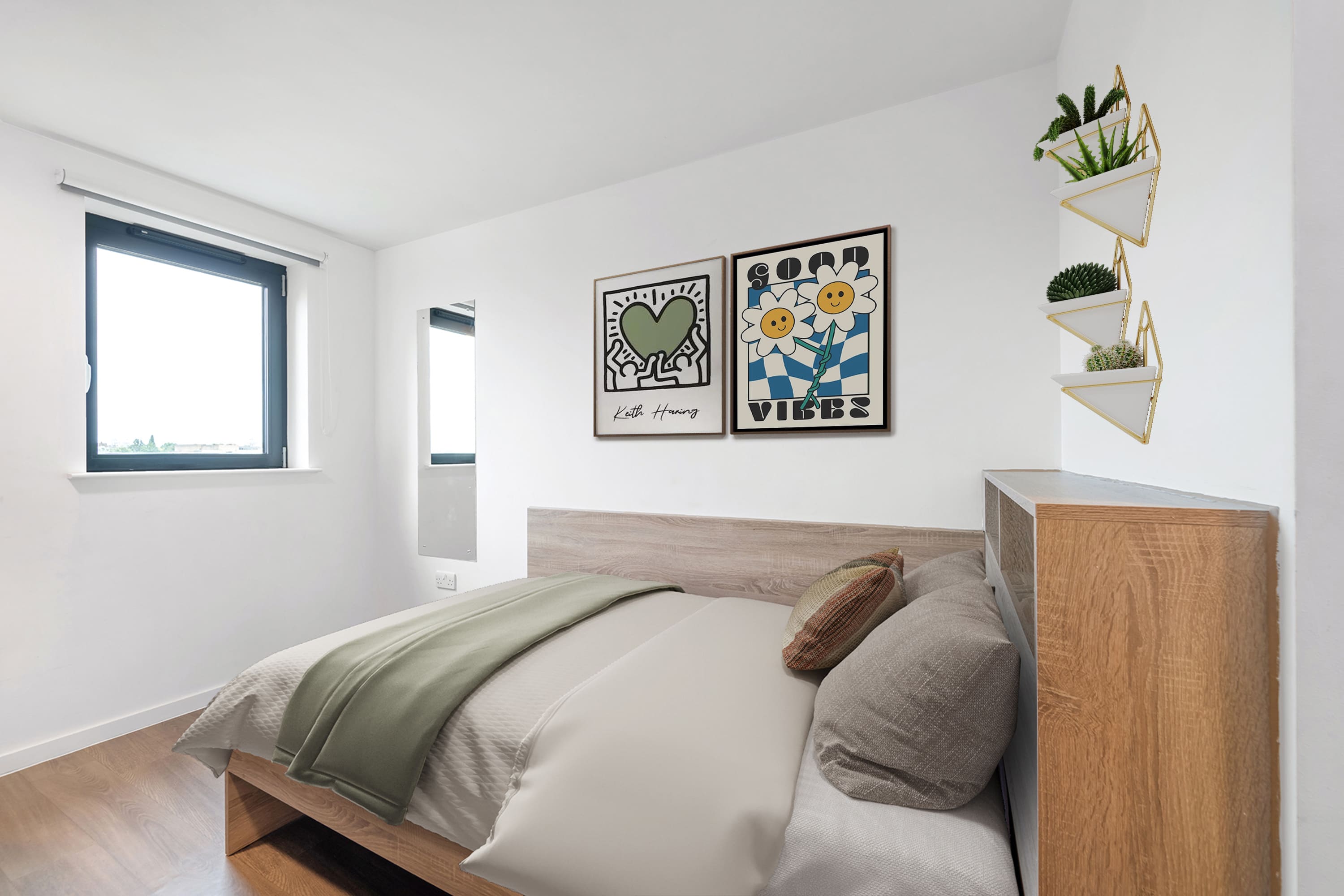
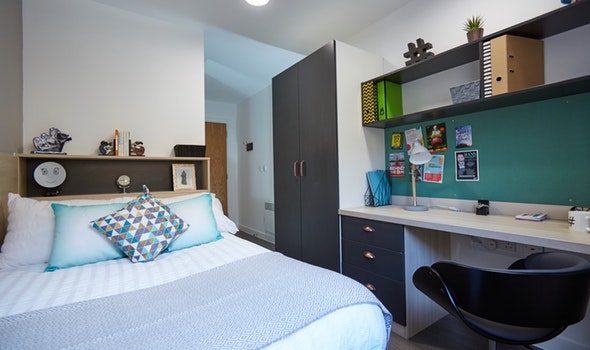
PBSA is usually the easiest and safest route if you are new to London. Buildings are designed for students and normally include:
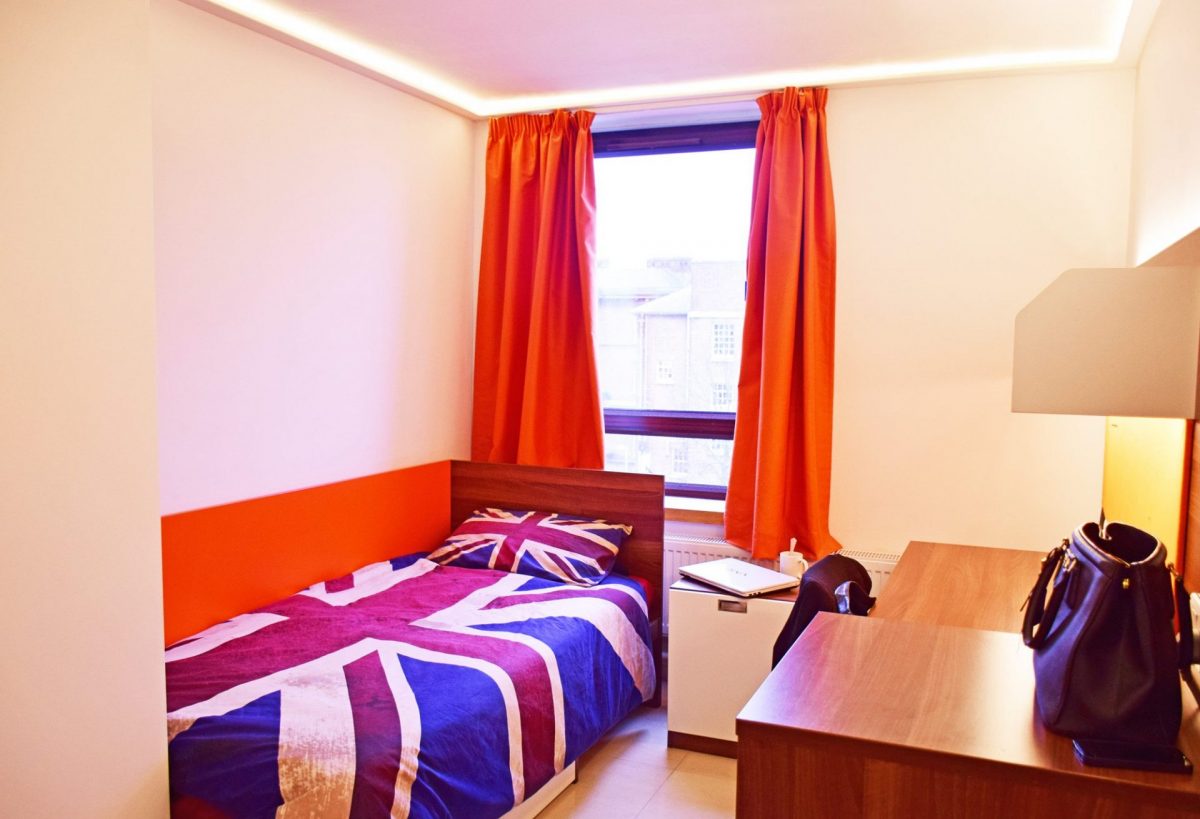
- Fully furnished rooms with bed, desk, chair, wardrobe and storage.
- Bills and Wi-Fi included, which makes budgeting much simpler.
- On-site teams, maintenance reporting and parcel collection.
- Security features such as controlled entry, CCTV or reception.
- Shared social and study spaces so you can meet people quickly.
Near Bloomsbury, PBSA supply is strong but premium priced. Look around Bloomsbury, Euston, King's Cross, Clerkenwell, Shoreditch, Southwark and Whitechapel. A 15-30 minute Tube or bus ride can save meaningful rent compared with a Zone 1 studio.
Best for: international arrivals, students under time pressure, anyone who wants predictable monthly costs, and students who prefer not to manage utilities or deal with private landlords.
Homestay
Homestay can work well for language-school students because it adds daily English practice and a more supported arrival. Some homestays include breakfast or dinner, which can reduce food planning and help younger students settle.
The tradeoff is location. Many host families live in Zones 2-5 rather than Bloomsbury, so check the exact commute at the time your classes start. A good homestay with a 35-minute Tube journey may be better than a central room that stretches your budget too far.
Private rented room
A room in a shared flat is often cheaper than PBSA, especially in Zones 2-3, but it comes with more admin. You may need to manage bills, broadband, council tax exemption evidence, deposits, inventory checks and landlord communication.
Private rooms are best if you already know London or can view the property properly before paying. Be extra cautious with listings that are far below market price, pressure you to transfer money quickly, or refuse a live viewing.
Studio or one-bedroom flat
Studios give maximum privacy, but central London pricing is high. A private studio near Bloomsbury can cost significantly more than an en-suite PBSA room. If you choose a studio, compare the total package: rent, utilities, broadband, laundry, travel and contract length.
Expected student accommodation costs in London
London prices vary by season, building quality and distance from Zone 1. Use these figures as planning ranges, then compare live availability before booking.
| Accommodation type |
Typical weekly cost |
Notes |
| PBSA en-suite room |
£250-£380 |
Usually includes bills, Wi-Fi and shared kitchen |
| PBSA studio |
£350-£600+ |
Best privacy, highest student-housing cost |
| Shared private room |
£180-£280 |
Bills often extra; cheaper outside Zone 1 |
| Homestay |
£180-£320 |
May include meals; commute can be longer |
| Premium central studio |
£600+ |
Convenient but rarely good value for short courses |
Budget tip: compare rent by month, not just by week. A £330 per week room is roughly £1,430 per calendar month before you add deposits, laundry, travel or food.
Best areas to live near Bloomsbury and Holborn
Bloomsbury and Holborn
Choose this area if you want to walk to the listed Delfin address and live close to libraries, museums, cafes and central London nightlife. It is convenient, busy and well connected, but it is also one of the most expensive student locations in the UK.
Good for: walking commute, short courses, students who want central London on the doorstep.
Watch out for: small rooms, high studio prices and limited budget options.
King's Cross and Euston
King's Cross and Euston are practical student bases because they sit near major Tube, rail and bus links. PBSA options are common, and the journey to Bloomsbury can be a walk, short bus ride or one Tube stop depending on the property.
Good for: transport links, PBSA choice, nightlife, weekend travel.
Watch out for: main-road noise and premium rents near stations.
Clerkenwell, Farringdon and Angel
These neighbourhoods give a good balance of central access and local character. You can reach Holborn quickly by bus, Tube, bike or on foot from some addresses. Angel has more student energy and evening options, while Clerkenwell and Farringdon feel more professional and quieter at weekends.
Good for: food, cafes, bus links and a slightly less tourist-heavy feel.
Watch out for: private rents can still be high.
Camden and Kentish Town
Camden is popular with students who want music venues, markets and a direct Northern line route into central London. It is usually cheaper than Bloomsbury, though good rooms still move fast.
Good for: social life, value compared with Zone 1, easy buses.
Watch out for: busy streets at night and varied housing quality.
Stratford and Whitechapel
These East London areas are sensible if price matters and you are comfortable commuting. Stratford has major shopping, the Elizabeth line, Central line and many modern developments. Whitechapel is closer to central London and well connected by the Elizabeth, District and Hammersmith & City lines.
Good for: lower rents, newer PBSA supply, strong transport.
Watch out for: commute time after late classes or social events.
PBSA deep dive: how to choose the right building
When comparing PBSA near Delfin English School London, avoid choosing only by the headline rent. A slightly higher rent can be better value if it includes the costs and facilities you would otherwise pay for separately.
| Feature to check |
Why it matters |
| Contract length |
Short English courses may not need a 44-51 week contract |
| Included bills |
Electricity caps, laundry and contents insurance can vary |
| Commute at class time |
A 20-minute journey at noon can be slower at peak times |
| Guest policy |
Important if family may visit or you expect friends over |
| Study space |
Useful if your room is compact |
| Cooling and ventilation |
Central London rooms can get warm in summer |
| Cancellation terms |
Critical if your visa, course or London campus plans change |
For Delfin students specifically, cancellation flexibility matters more than usual because you should confirm whether your course is operating in London before committing to a long contract.
Transport and commuting
From the Bloomsbury Square area, Holborn station is the most useful Tube stop, with Russell Square, Tottenham Court Road and Covent Garden also nearby. This makes the Central, Piccadilly, Elizabeth and Northern line corridors especially useful for housing searches.
Students aged 18 or over may be able to apply for an 18+ Student Oyster photocard if they live in a London borough during term time and are enrolled with an education provider registered on the TfL scheme. The card gives 30% off adult-rate Travelcards and Bus & Tram Pass season tickets, but it does not automatically discount ordinary pay-as-you-go Tube fares.
Before you rent farther out, test your commute:
- Search the route at your actual class start and finish times.
- Check late-evening options if you plan to work or socialise after class.
- Compare Tube, bus and cycling times; buses can be cheaper but slower.
- Add a backup route in case of strikes, closures or delays.
Booking timeline
| Time before arrival |
What to do |
| 6-9 months |
Confirm whether your Delfin course is in London; shortlist areas and rough budget |
| 4-6 months |
Compare PBSA, homestay and private rooms; check cancellation terms |
| 2-4 months |
Book once course dates, visa path and location are clear |
| 1 month |
Arrange arrival time, inventory documents and airport transfer route |
| Arrival week |
Photograph the room, report issues and save emergency contacts |
For September arrivals, London PBSA and good-value private rooms can move early. For short English courses, do not rush into a long student tenancy unless it matches your course length.
Scam prevention and safety
London has many legitimate rentals, but students are common targets for fake listings. Protect yourself with a simple rule: do not pay serious money until you have verified the property, provider and contract.
Use this checklist:
- View the room in person or by live video, not just photos.
- Check the address exists and matches the advert.
- Confirm what is included: bills, Wi-Fi, council tax, bedding, kitchenware and laundry.
- Use traceable payment methods and avoid pressure to transfer immediately.
- Read the tenancy agreement before paying the full deposit.
- Check deposit protection for most private assured shorthold tenancies in England.
- Be suspicious of unusually cheap Zone 1 rooms, especially if the landlord is "abroad" and cannot arrange viewing.
PBSA is not automatically perfect, but established student buildings reduce many of these risks because the room, contract, bills and support structure are clearer.
International student guide and Right to Rent
If you rent privately in England, landlords normally need to check that adults in the property have the Right to Rent. You may be asked for a passport, visa details, biometric evidence or an online share code, depending on your immigration status.
Student halls and some purpose-built student accommodation may be exempt from Right to Rent checks, but providers can still ask for identification, proof of study and visa-related documents. Keep digital and printed copies of:
- Passport photo page.
- Visa or immigration status evidence.
- Course confirmation or enrolment letter.
- Accommodation booking confirmation.
- Emergency contact details.
- Travel insurance or health documents if relevant.
If Delfin confirms that your course is not in London, do not use a London tenancy to support your arrival plans. Book accommodation for the city where your classes will actually happen.
Tenancy agreement cheat sheet
Before signing, check these clauses carefully:
| Clause |
Student-friendly question to ask |
| Rent schedule |
Is rent weekly, monthly or termly, and when is it due? |
| Deposit |
Is it refundable, protected and clearly receipted? |
| Guarantor |
Do international students need a UK guarantor or advance rent? |
| Cancellation |
What happens if your visa is refused or course location changes? |
| Bills |
Are there usage caps for electricity or heating? |
| Repairs |
How quickly are urgent issues handled? |
| Guests |
Are overnight guests allowed? |
| End of tenancy |
What cleaning or checkout fees can be charged? |
Do not rely on verbal promises. If a discount, cancellation right or room feature matters, make sure it appears in writing.
What to pack vs what is usually provided
PBSA and homestay rooms are usually furnished, but "furnished" does not always mean ready for daily life.
| Usually provided |
You may need to bring or buy |
| Bed and mattress |
Bedding, duvet, pillowcases |
| Desk and chair |
Laptop stand, extension lead, desk lamp if not included |
| Wardrobe or storage |
Hangers and laundry basket |
| Wi-Fi |
Ethernet cable or adapters if needed |
| Shared kitchen access |
Pans, plates, cutlery and food containers |
| Laundry room |
Detergent, drying rack and laundry bag |
For short courses, buy less at first. Central London has easy access to supermarkets, pharmacies and homeware shops, so it is better to arrive light than overpack.
Accessibility and special requirements
If you need step-free access, adapted bathrooms, quieter rooms, medical storage, proximity to lifts or support for a disability, ask before booking. Central London buildings vary widely: some are modern and accessible, while older private flats may have stairs, narrow entrances or no lift.
Ask providers:
- Is there step-free access from street to room?
- Are lifts available and reliable?
- Can they provide an accessible bathroom or wet room?
- Is the room away from lifts, traffic or nightlife noise?
- What is the emergency evacuation plan?
- Can medical equipment or medication be stored safely?
Final advice
Confirm the Delfin London teaching location first, then book accommodation around your real commute. If classes are near Bloomsbury, PBSA in Bloomsbury, King's Cross, Euston, Clerkenwell or a well-connected Zone 2 area will usually be the most practical student choice. If your budget is tight, widen the search east or north and spend the savings on a reliable commute.
For most new arrivals, the strongest balance is a furnished PBSA en-suite with clear cancellation terms, all-inclusive bills and a commute under 30 minutes. It costs more than a shared flat, but it removes the biggest housing risks during your first weeks in London.