Start With The Real Campus
The Conservatoire for Dance and Drama is a legacy name, not a single current campus. Government records show the institution closed on 31 July 2022, and its former member schools now operate through their own higher education arrangements. That matters for accommodation because a room near the old Woburn Walk office in Bloomsbury may be wrong for your timetable.
Before booking, confirm your exact school and teaching address. Former Conservatoire-linked routes may point students toward specialist schools such as London Contemporary Dance School at The Place, National Centre for Circus Arts in Hoxton, Rambert School in Twickenham, Central School of Ballet, or other drama and dance providers.
Best first move: choose accommodation for your current school location, your daily rehearsal schedule and your travel recovery time, not just for "London" as a broad city.
Quick Area Guide
| If your teaching is mainly near... |
Search these areas first |
Why it works |
Typical student fit |
| Bloomsbury / King's Cross |
King's Cross, Euston, Camden, Kentish Town, Holloway, Finsbury Park |
Walkable or short Tube/bus journeys, strong PBSA supply |
Students who want central access and predictable commutes |
| Hoxton / Old Street |
Hoxton, Shoreditch, Haggerston, Dalston, Bethnal Green, Hackney, Islington |
Good for National Centre for Circus Arts-style schedules |
Students who prefer East London and shared flats |
| Southwark / central dance campuses |
Elephant & Castle, Bermondsey, Canada Water, Vauxhall, Waterloo |
Good Zone 1-2 transport and PBSA options |
Students balancing central teaching with safer late journeys |
| Twickenham / St Margarets |
Twickenham, St Margarets, Isleworth, Whitton, Teddington, Richmond |
Better for Rambert-style South West London training |
Students who want quieter housing and shorter local travel |
| North London conservatoire routes |
Archway, Holloway, Finsbury Park, Tufnell Park, Camden |
More rooms than central Bloomsbury, strong bus/Tube links |
Students priced out of Zone 1 |
PBSA: The Easiest London Setup
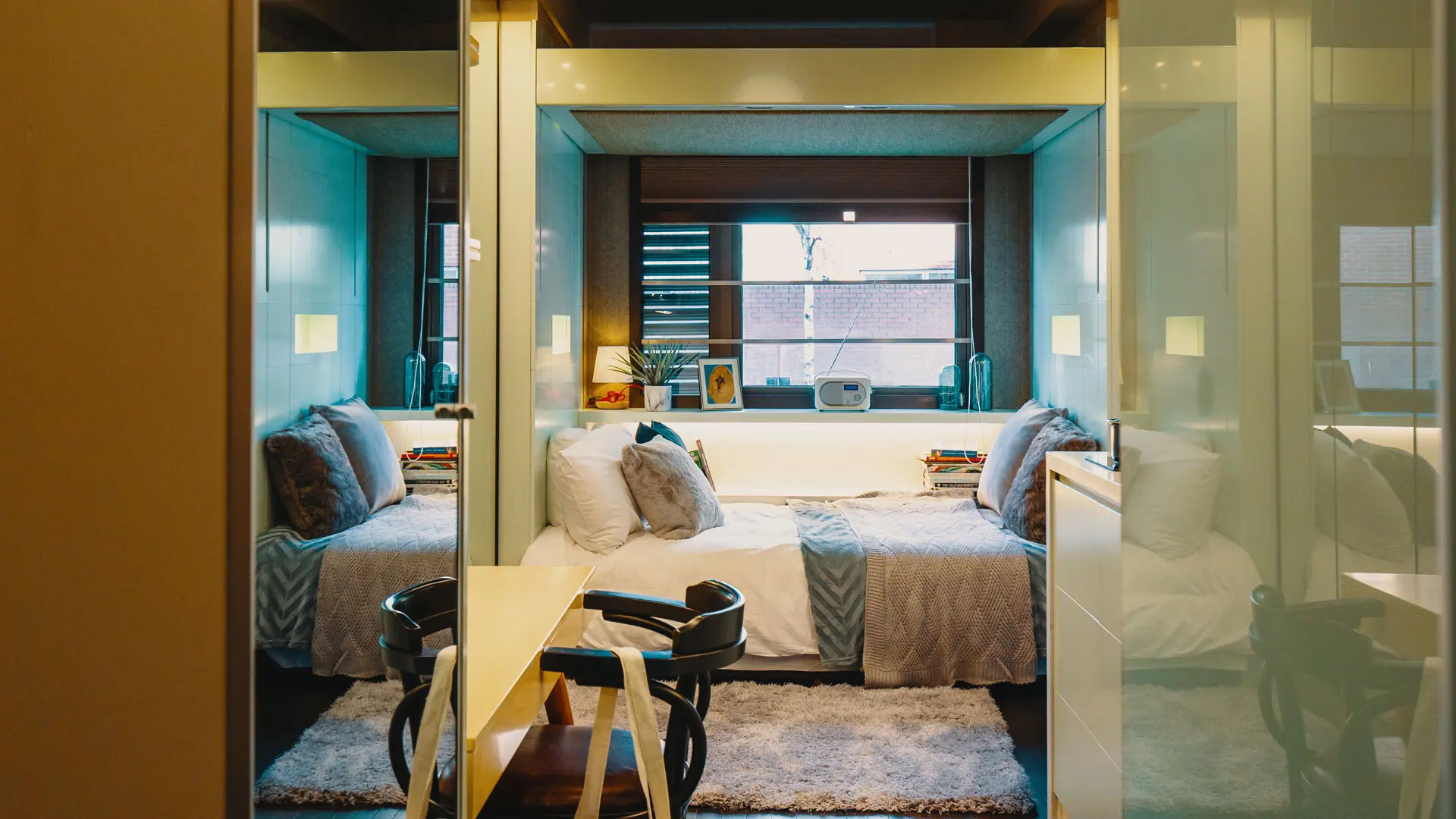
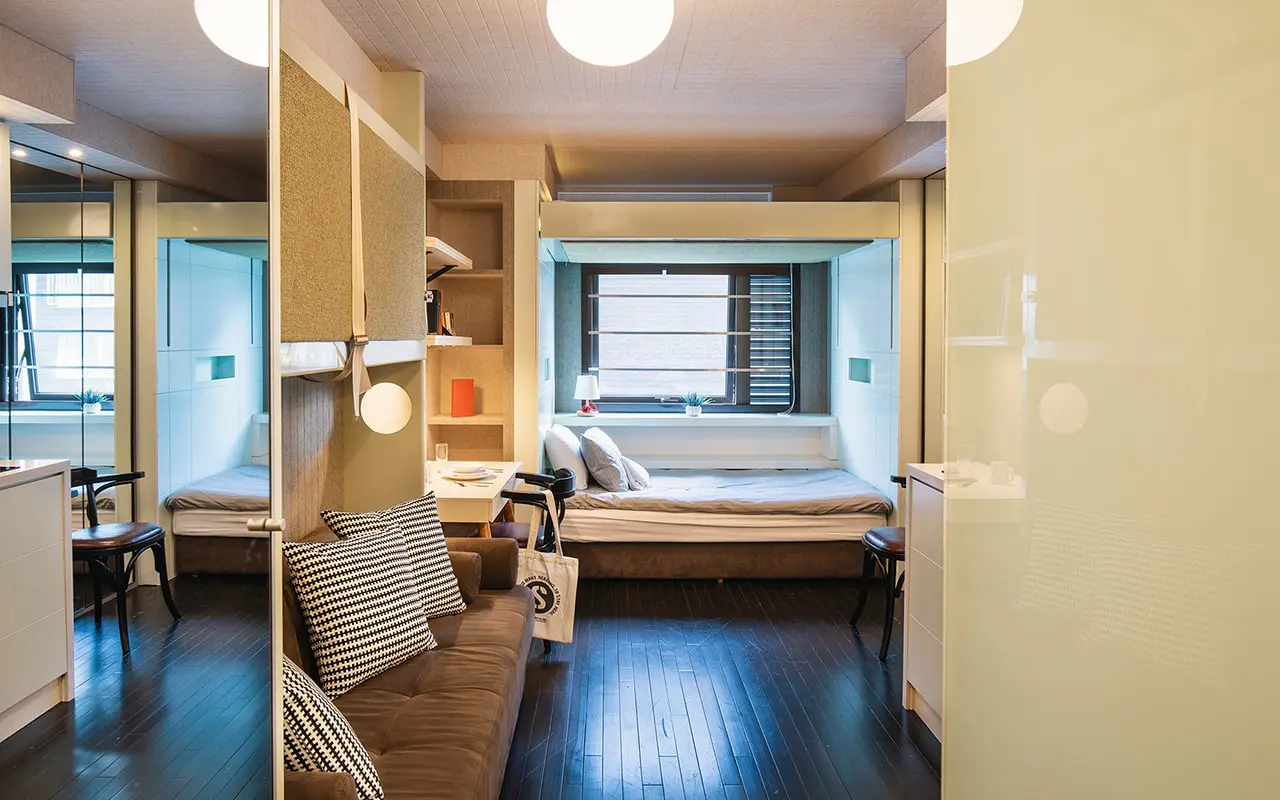
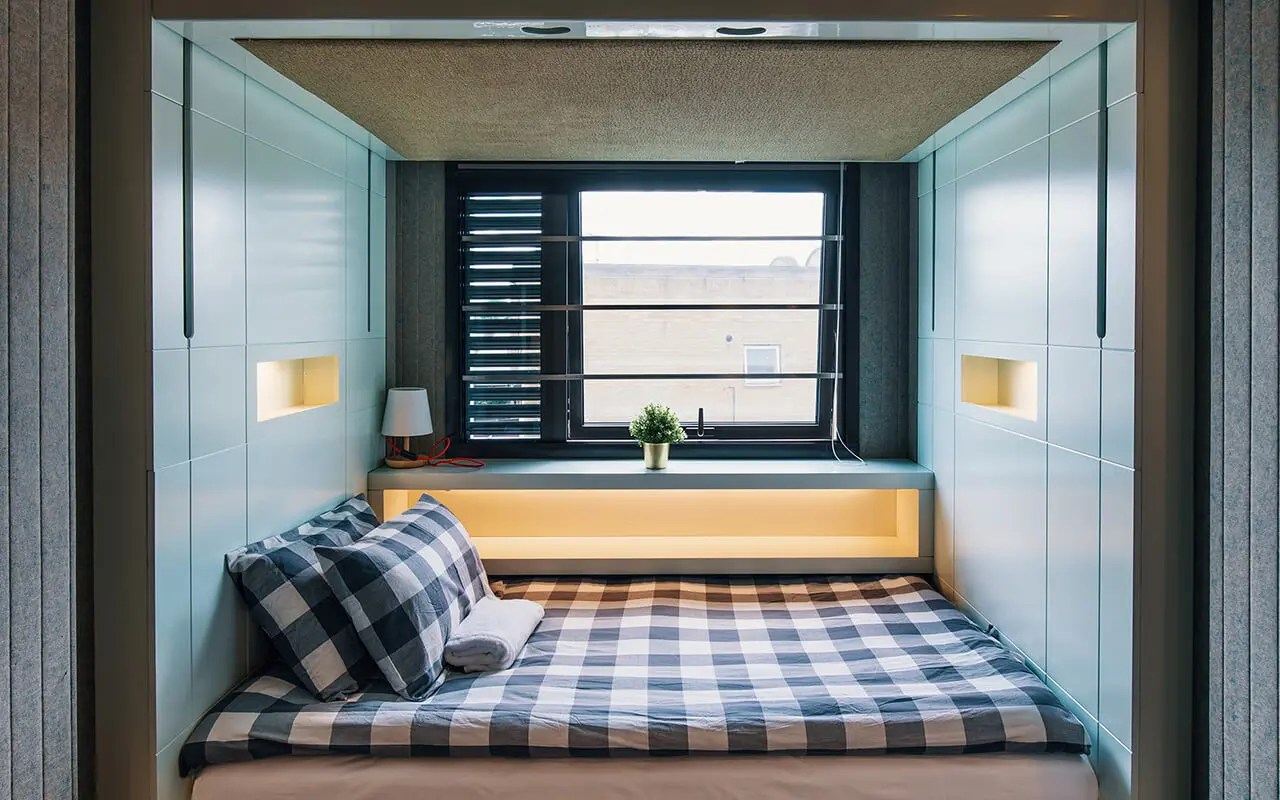
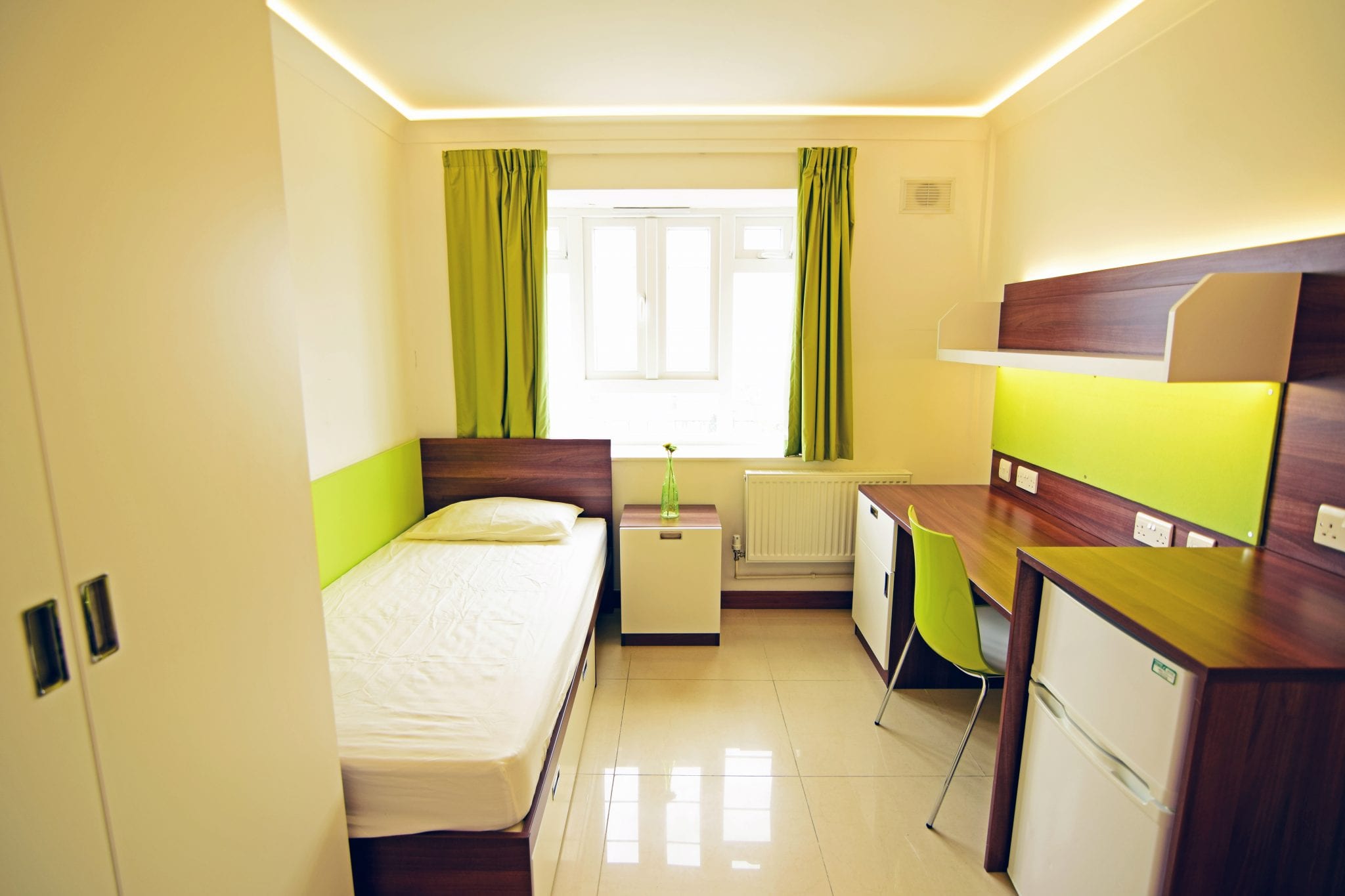
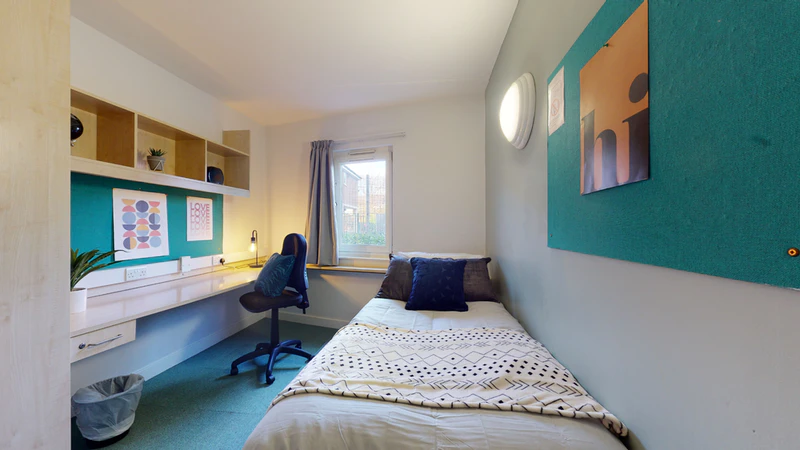
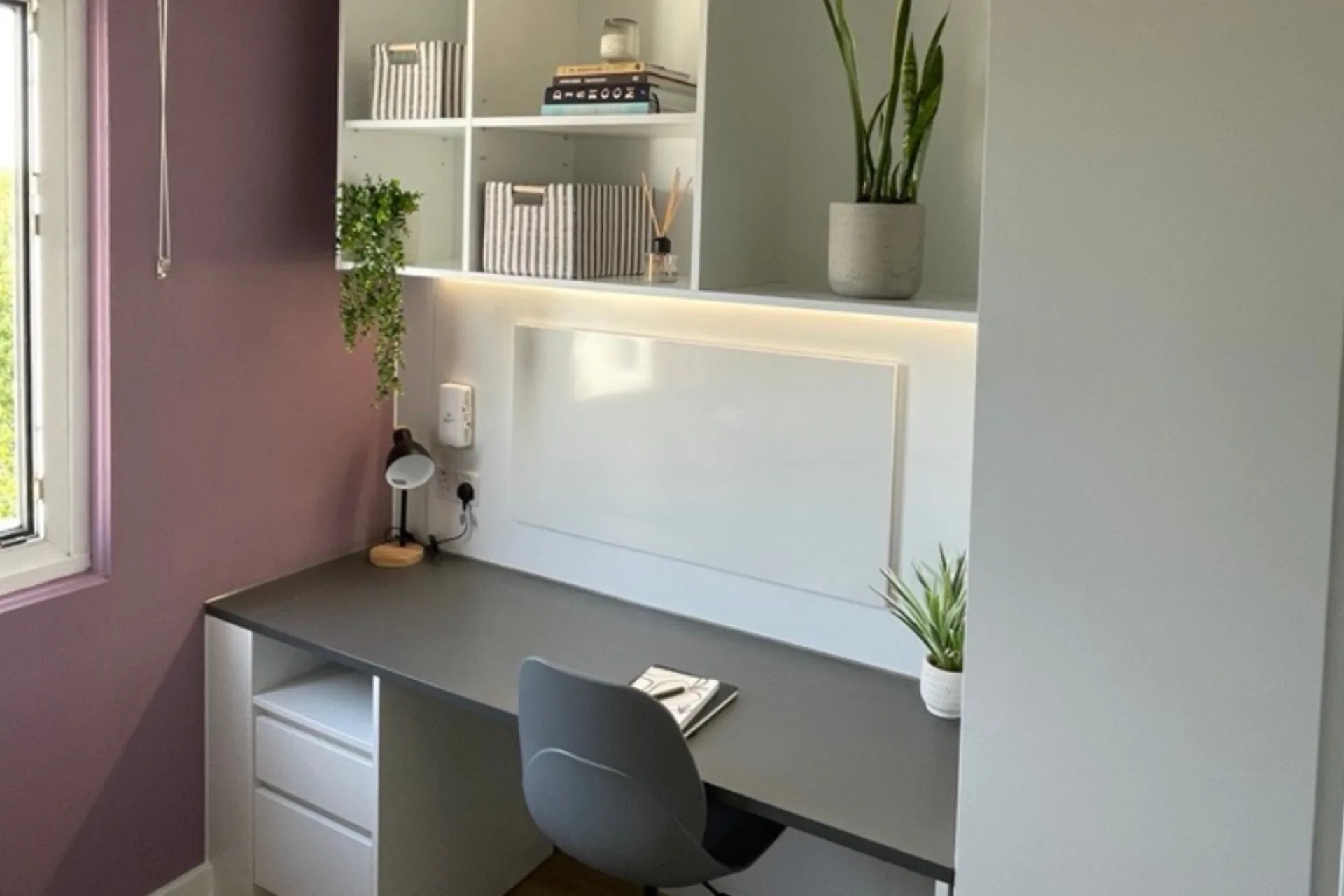
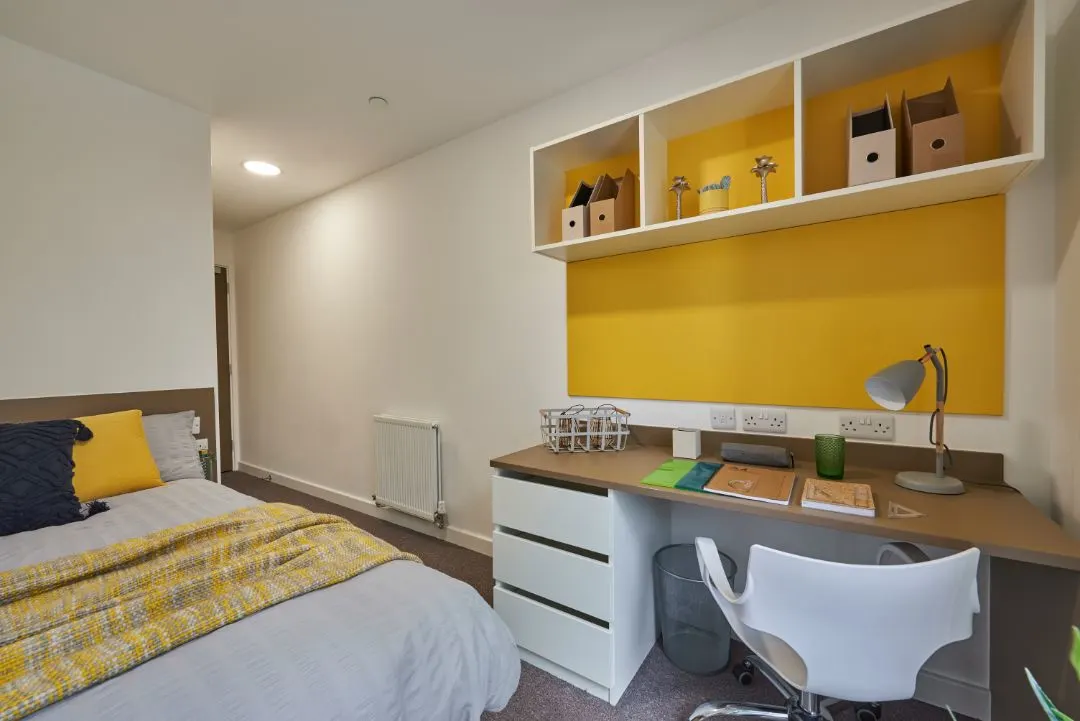
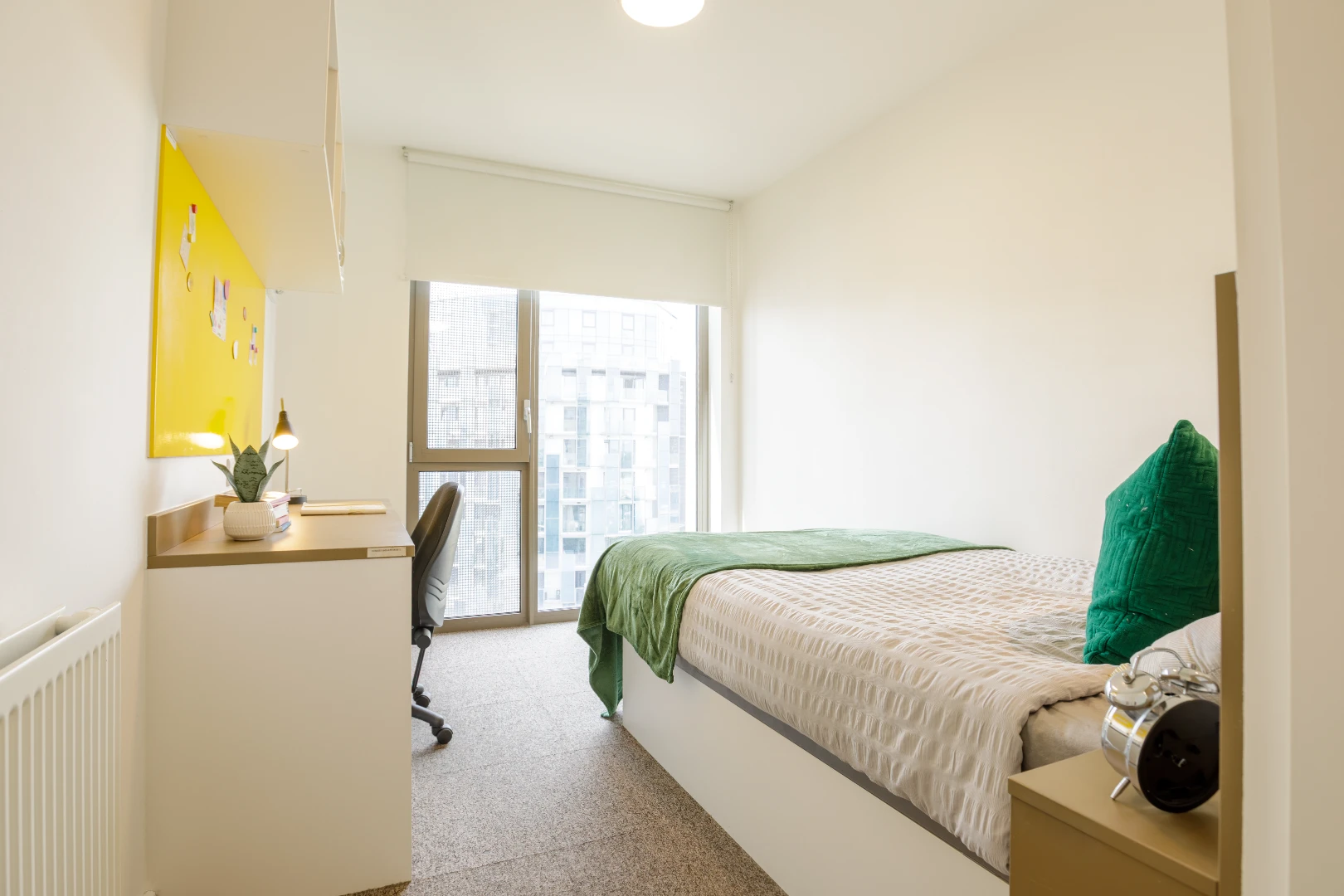
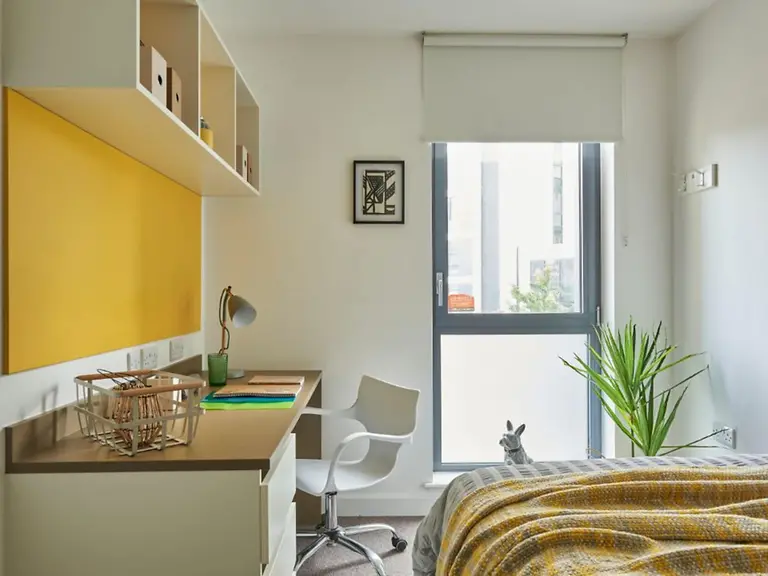
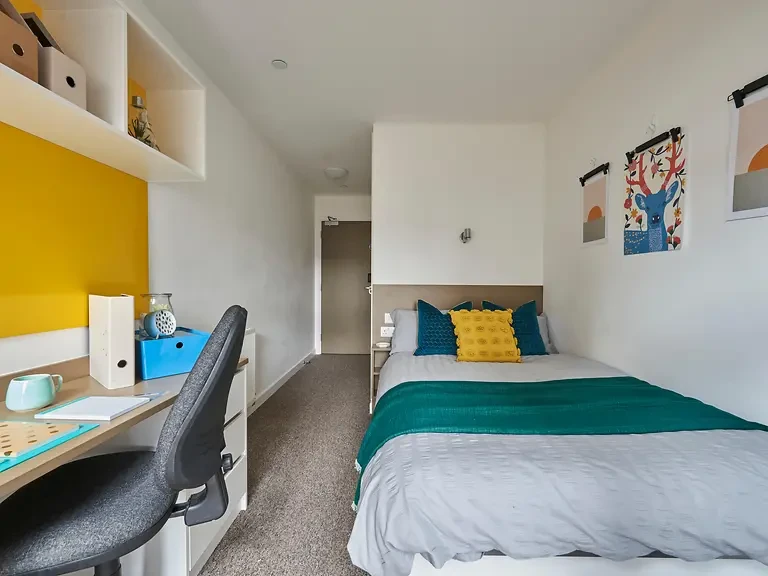
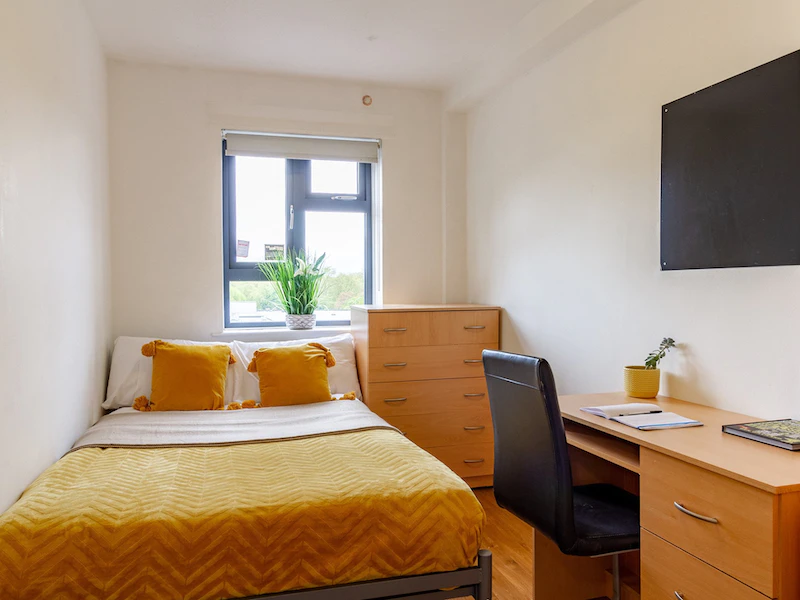
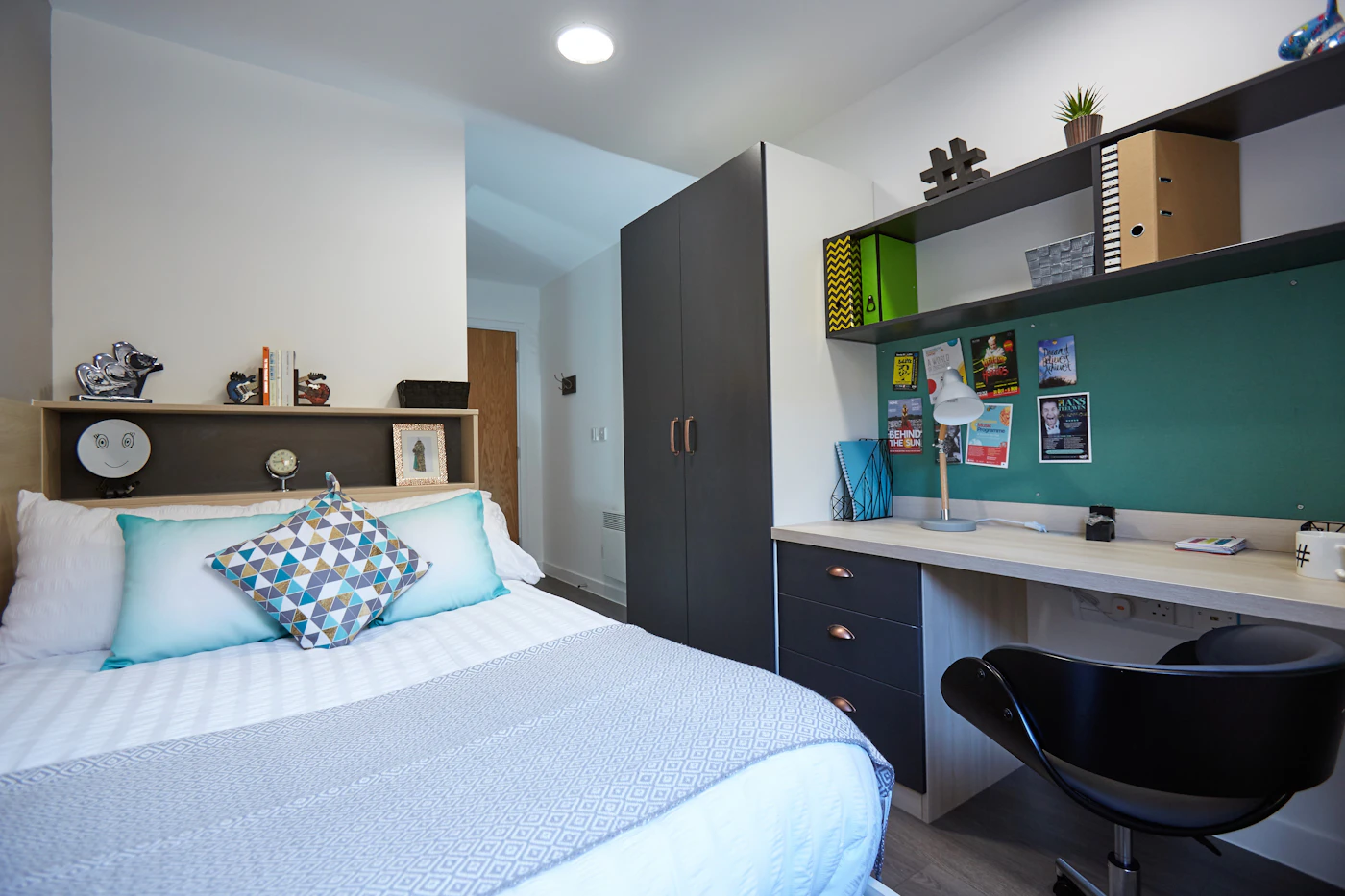
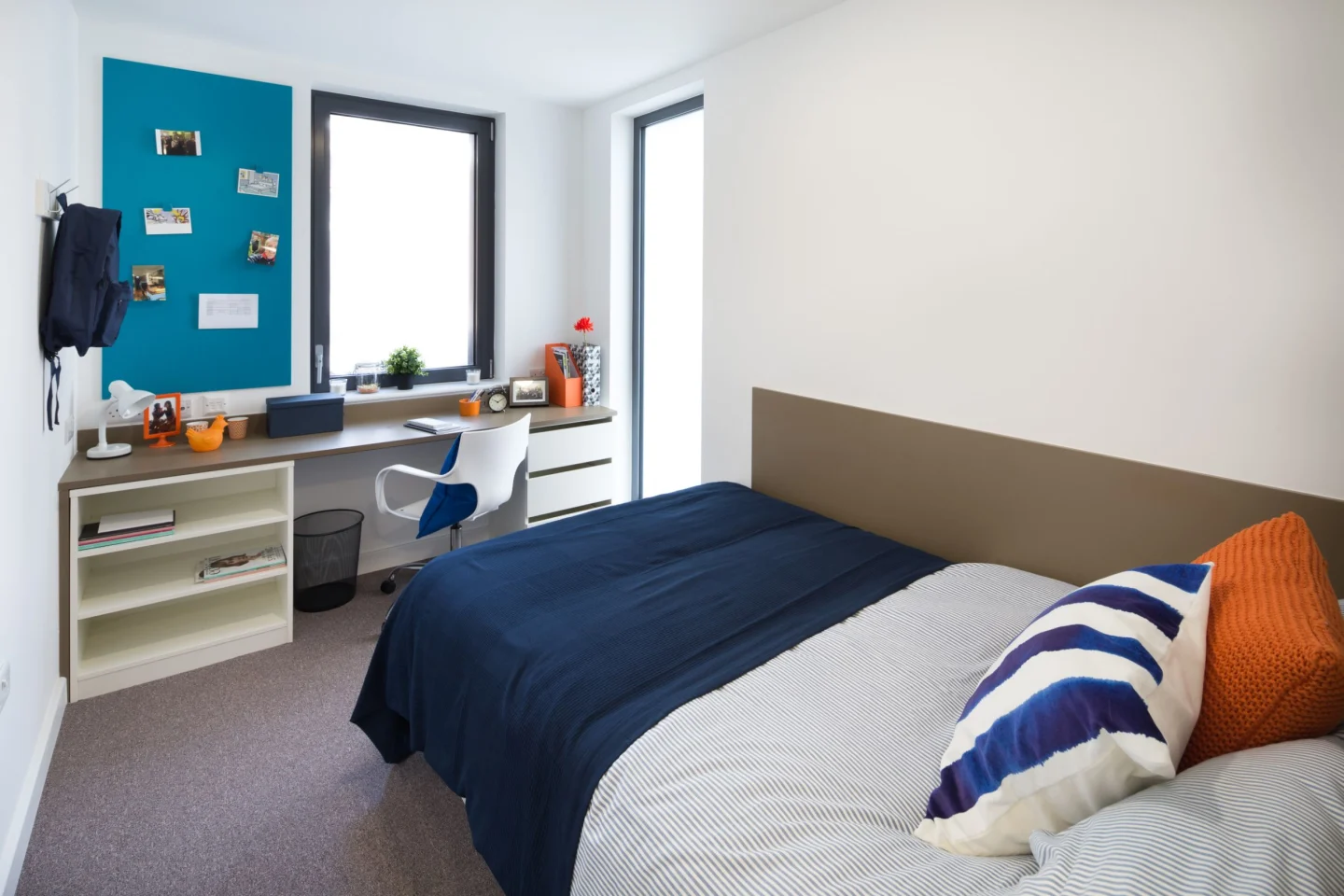
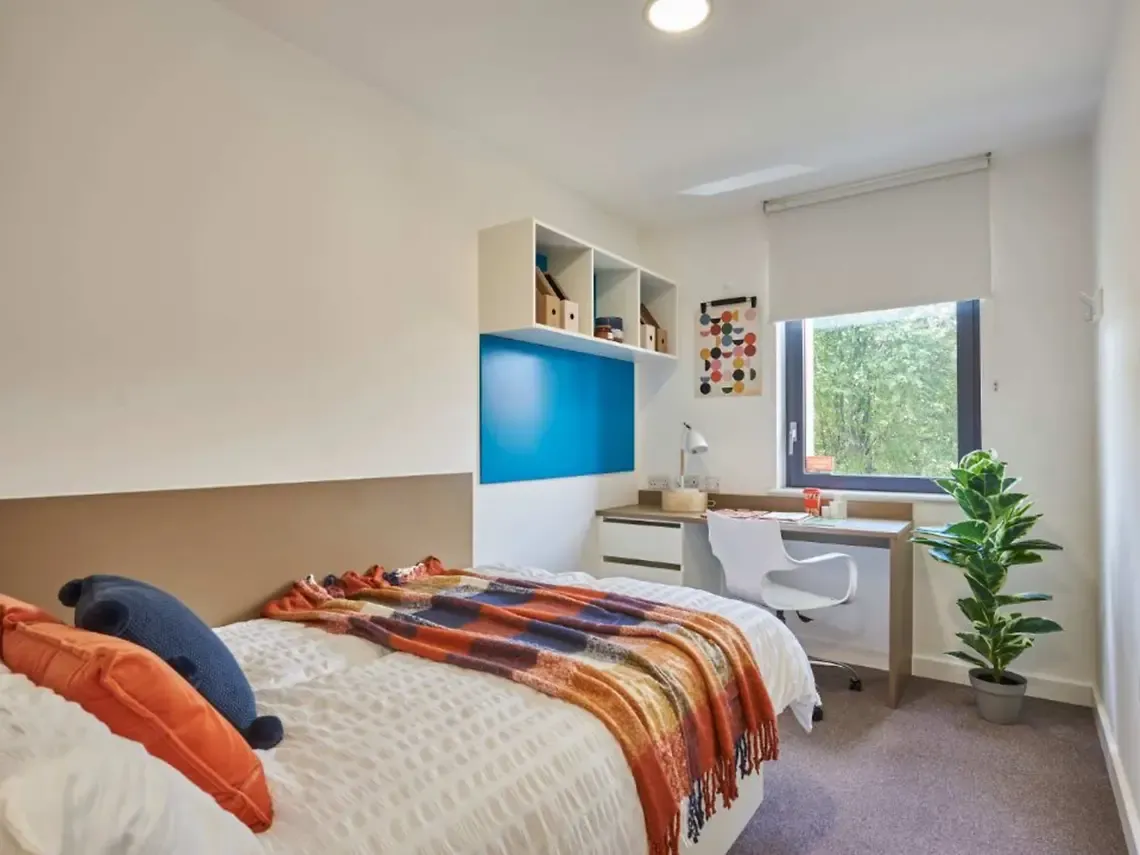
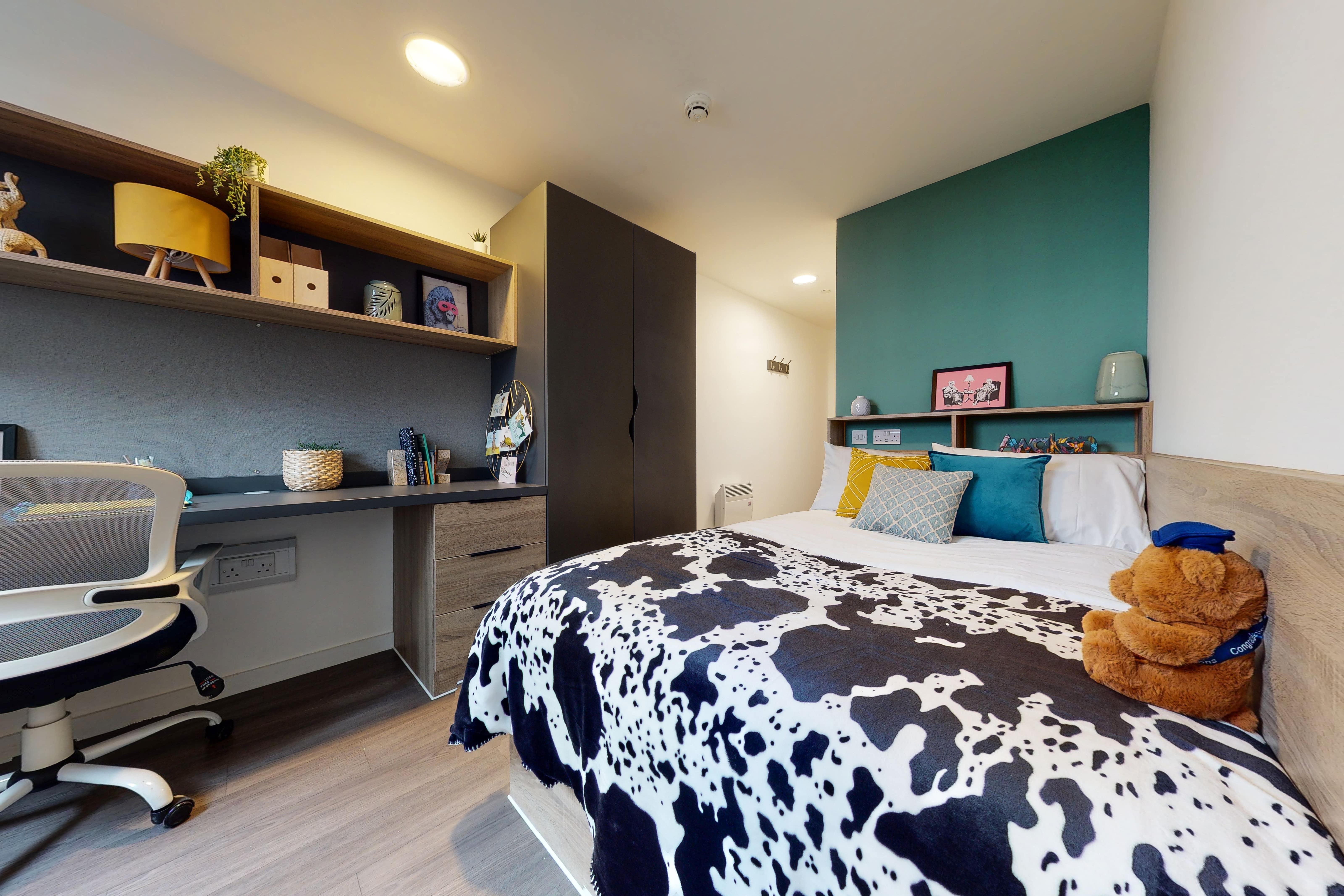
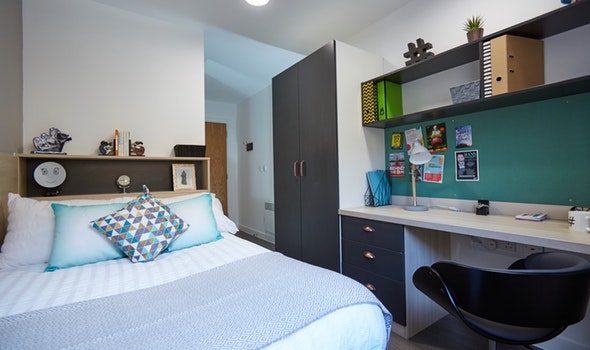
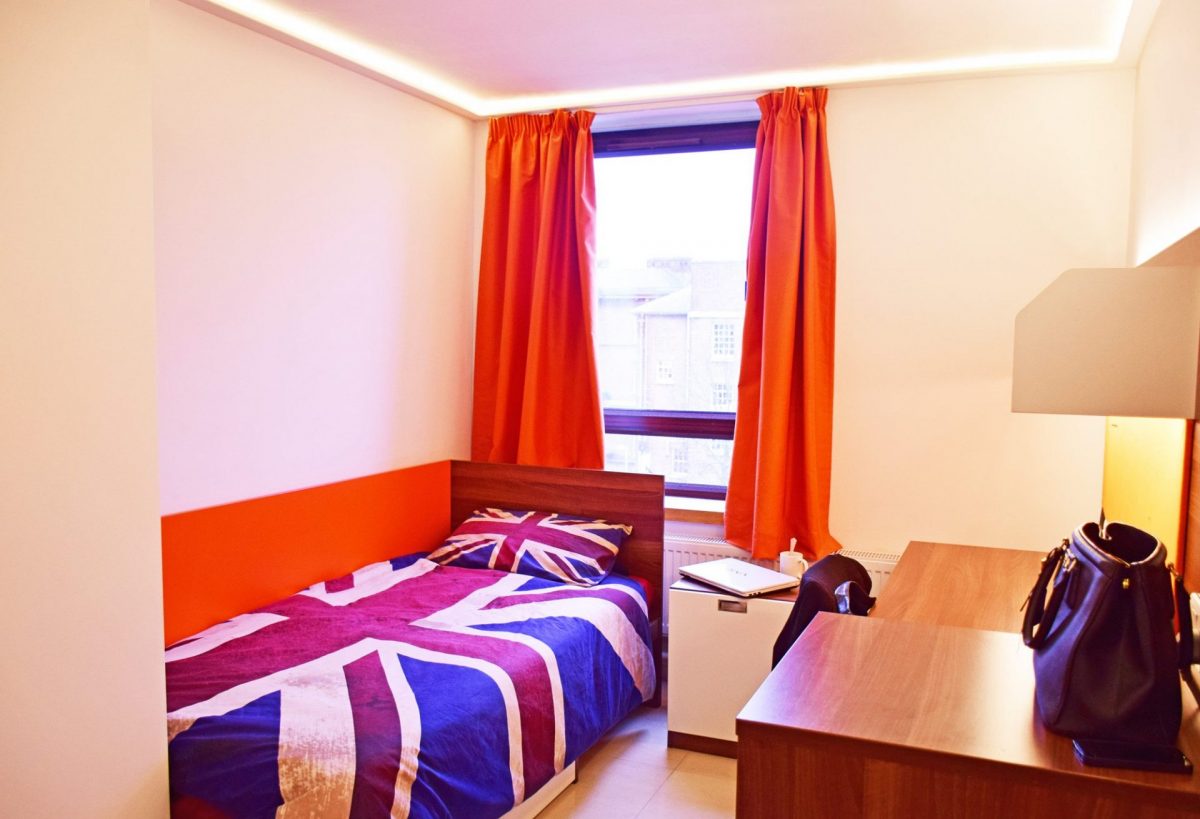
Purpose-built student accommodation (PBSA) is often the simplest option for students moving to London for specialist training. Bills are usually included, contracts are clearer, buildings have secure access, and maintenance is handled by the operator. For international students, that removes a lot of admin in the first term.
PBSA is especially useful if you:
- are moving to London without a UK guarantor;
- want a furnished room with Wi-Fi and utilities included;
- prefer 24/7 support or staffed reception;
- need a clear contract for visa, banking or family planning;
- do not want to negotiate bills with housemates during an intensive course.
The trade-off is price. Central London PBSA can be expensive, and some performing arts students prefer shared houses because training days are long and they may want more cooking space, storage or quieter recovery time. If you choose PBSA, prioritise commute, room size, laundry access, cancellation policy and whether the building suits early starts and late rehearsals.
Halls, PBSA And Private Renting Compared
| Accommodation type |
Estimated London cost |
Best for |
Watch out for |
| University or intercollegiate halls |
GBP 205-GBP 420 per week |
First-years, international students, students wanting structure |
Eligibility can depend on your current institution |
| Private PBSA en-suite |
GBP 280-GBP 450 per week |
Simple move-in, bills included, security |
Higher rent and fixed contract dates |
| Private PBSA studio |
GBP 360-GBP 600+ per week |
Privacy, postgraduate students, mature students |
Expensive and sometimes isolating |
| Shared house or flat |
GBP 700-GBP 1,100 per month for a room |
Groups, continuing students, lower weekly rent |
Bills, deposits, repairs and guarantors |
| Homestay / lodgings |
GBP 650-GBP 1,000 per month |
Under-18s, first-time movers, quieter routines |
Less independence and house rules |
University of London intercollegiate halls can be relevant for some London students. Their published rates show a wide spread, from lower-cost shared bathroom rooms to higher-cost en-suites and studios. Do not assume eligibility: apply through the correct institution route or direct route only if your current provider qualifies.
Neighbourhood Notes For Former Conservatoire Students
Bloomsbury, King's Cross And Camden
This is the most useful search zone if your teaching is around The Place, Euston, King's Cross or central London. Bloomsbury itself is convenient but expensive, so many students look slightly north.
Good choices:
- King's Cross / Euston: shortest commute, premium prices, lots of halls and PBSA.
- Camden / Kentish Town: strong student feel, music venues, food, buses and Northern line access.
- Holloway / Finsbury Park: better value and fast routes into King's Cross.
- Mornington Crescent / Somers Town: very convenient, but inspect streets and buildings carefully.
Hoxton, Shoreditch And Hackney
This is the key search area for students training near Old Street or Hoxton. The National Centre for Circus Arts says it does not operate its own housing and that students often live in East or North East London areas such as Hackney, Islington, Tower Hamlets, Haringey, Newham and Waltham Forest.
Good choices:
- Hoxton / Haggerston: closest, lively, good for short journeys.
- Dalston / Hackney Central: more shared flats, good food and nightlife.
- Bethnal Green / Mile End: useful for cheaper rooms and Central line links.
- Seven Sisters / Tottenham Hale: better value if you are comfortable with a longer commute.
Twickenham, St Margarets And Richmond
Students connected with Rambert School-style training should not default to central London. Rambert School does not offer its own accommodation and says many students live near St Margarets and Twickenham, often in shared rented houses or with host families.
Good choices:
- St Margarets: closest and quiet, but more expensive.
- Twickenham: student-friendly, more room supply, good everyday amenities.
- Isleworth / Whitton: often cheaper and still practical.
- Teddington / Richmond: attractive but usually pricier.
Cost Planning
London budgets vary sharply by borough, contract length and room type. Use these monthly planning figures as a practical starting point:
| Monthly cost |
Budget |
Moderate |
Higher comfort |
| Accommodation |
GBP 900-GBP 1,150 |
GBP 1,250-GBP 1,650 |
GBP 1,800+ |
| Food and groceries |
GBP 240 |
GBP 380 |
GBP 560 |
| Public transport |
GBP 85 |
GBP 125 |
GBP 165 |
| Phone, clothing and essentials |
GBP 100 |
GBP 165 |
GBP 250 |
| Social life / performances |
GBP 70 |
GBP 115 |
GBP 200 |
Performing arts students should also budget for extras such as rehearsal clothing, shoes, physio or sports massage, portfolio materials, travel to auditions, late transport after performances and occasional equipment replacement.
Transport Strategy
For conservatoire-style courses, the "best" room is often the one that protects your energy. A cheap room with two changes and a 70-minute commute can become a false economy when your timetable includes warm-ups, rehearsals, evening shows or weekend calls.
Use this checklist before booking:
- Test the journey at 8:00, 18:00 and 22:30, not just midday.
- Check the final leg on foot, especially if carrying kit, instruments or costumes.
- Prioritise direct routes over slightly shorter routes with multiple changes.
- Look at night bus and late Tube options if rehearsals or performances run late.
- Check cycle storage only if you are confident cycling in London traffic.
Step-By-Step Booking Timeline
| When |
What to do |
| October to December |
Confirm your school location, likely timetable pattern and whether your provider has accommodation guidance. |
| January to February |
Compare PBSA, halls and shared housing areas. Join official applicant groups if your school provides them. |
| March to April |
Shortlist buildings or neighbourhoods, check guarantor rules and prepare deposit funds. |
| May to June |
Book PBSA or halls if your offer is secure, or arrange housemate groups for private rentals. |
| July to August |
Inspect contracts, confirm move-in dates, set up insurance and plan the first commute. |
| September |
Register with a GP, check travel cards, photograph room condition and report repairs quickly. |
Safety And Scam Prevention
London accommodation scams are common around peak student booking months. Never pay a deposit because someone is pressuring you with "many students are waiting" language. Good rooms go quickly, but legitimate providers can still give you a contract, payment route and clear company details.
Before paying:
- verify the building or landlord;
- view the room in person or by live video;
- check that the deposit will be protected for private tenancies;
- avoid cash or personal bank transfers to unknown individuals;
- confirm what bills are included;
- read break clauses, cancellation rules and guarantor terms;
- keep every receipt, email and signed document.
For shared houses, check damp, heating, locks, window condition, fire alarms, appliance safety and whether the room is licensed if it is a larger HMO.
International Student Guide
International students should start earlier because London landlords and PBSA operators may ask for more documents. Prepare:
- passport and visa details;
- share code if needed;
- offer letter or proof of student status;
- proof of funds or sponsor letter;
- UK guarantor details, if available;
- emergency contact;
- first rent payment and deposit funds.
Right to Rent rules apply to private renting in England. Student accommodation such as halls can be exempt, but private landlords must check adults before a tenancy starts. If your immigration permission is time-limited, checks may need to happen close to the tenancy start date, so keep documents accessible.
Tenancy Agreement Cheat Sheet
Read the contract before signing and check these points:
| Clause |
What to check |
| Rent |
Weekly or monthly amount, payment dates and whether bills are included. |
| Deposit |
Amount, protection scheme and deductions process. |
| Contract length |
Whether it matches your course year, placement plans or summer needs. |
| Guarantor |
Whether overseas guarantors are accepted or if rent upfront is required. |
| Cancellation |
What happens if your visa, funding or course place changes. |
| Repairs |
How to report urgent issues and expected response times. |
| Guests |
Overnight guest rules, especially in PBSA and homestays. |
| Noise |
Quiet hours and rehearsal restrictions. |
What To Pack Vs What Is Provided
Most PBSA and halls provide basic furniture but not always bedding, kitchen equipment or specialist storage. Shared houses vary widely.
Usually provided:
- bed and mattress;
- desk and chair;
- wardrobe or clothes rail;
- basic kitchen appliances;
- Wi-Fi in PBSA and halls.
Bring or budget for:
- bedding and towels;
- rehearsal wear and laundry bags;
- reusable water bottle and meal prep containers;
- small first aid and recovery kit;
- earplugs or sleep mask;
- portable clothes airer if allowed;
- laptop stand or study light.
Avoid bringing large furniture until you have measured the room. London rooms can be compact, and performing arts students often need floor space more than extra shelves.
Accessibility And Special Requirements
If you need step-free access, adapted bathroom facilities, a quieter room, medical storage, a shorter commute or space for recovery equipment, contact both your school and accommodation provider early. Some specialist schools can advise on learning support, health needs or Disabled Students' Allowance routes, but room availability is still limited.
Ask providers:
- whether there is lift access to your floor;
- whether the route from station to building is step-free;
- how emergency evacuation works;
- whether there is accessible laundry and kitchen access;
- whether room adaptations are already installed or can be arranged;
- whether you can be placed away from noisy common areas.
Final Checklist
Before you commit, make sure you can answer:
- Which current school am I attending?
- Where is most of my teaching?
- Can I do the commute after a full rehearsal day?
- Are bills included, and what is excluded?
- What happens if my course, visa or funding changes?
- Is the room safe, legitimate and affordable for the full contract?
For former Conservatoire for Dance and Drama students, the strongest accommodation plan is specific. Anchor your search to the current school, then choose the housing type that keeps your training routine sustainable.