Overview
Abat Oliba CEU University sits at Bellesguard, 30, 08022 Barcelona in the Sant Gervasi - la Bonanova area of the Sarrià-Sant Gervasi district. That matters for housing because the campus is in one of Barcelona’s quieter, more residential parts of the city, so students often balance shorter commutes with higher local rents.
The practical takeaway is simple: if you want the easiest day-to-day routine, look close to campus; if you want more choice and a stronger student-life feel, widen the search to Gràcia, Les Corts, and central Eixample.
The university’s own contact and arrival information lists several bus routes serving the campus, including V9, 196, H2, V11, V7, V13, and 123, and also references FGC line L7 at Avinguda Tibidabo. That gives students a workable public-transport setup even if they do not live right next door.
Best Areas To Live
Barcelona housing near this campus is usually about finding the right trade-off between commute time, budget, and street feel.
| Area |
Best for |
What to expect |
Typical commute to campus |
| Sant Gervasi - la Bonanova |
Students who want the shortest and calmest commute |
Residential streets, premium rents, quieter evenings |
Walk or a very short bus ride |
| Sarrià-Sant Gervasi |
Students who want a polished, safe-feeling district |
Green pockets, family housing, fewer budget rooms |
Short bus ride |
| Gràcia |
Students who want more atmosphere and a younger feel |
Cafes, shared flats, more social energy |
Medium bus/FGC journey |
| Les Corts |
Students who want a balanced commute and easier pricing |
Good transport and a student-friendly residential mix |
Medium commute |
| Eixample |
Students who want the broadest choice of rooms |
More listings, central access, busier streets |
Longer but simple commute |
For most students, Gràcia and Les Corts are the sweet spot. They are usually easier to shop in than the immediate campus area, and they still keep the commute reasonable.
PBSA Vs Private Flats
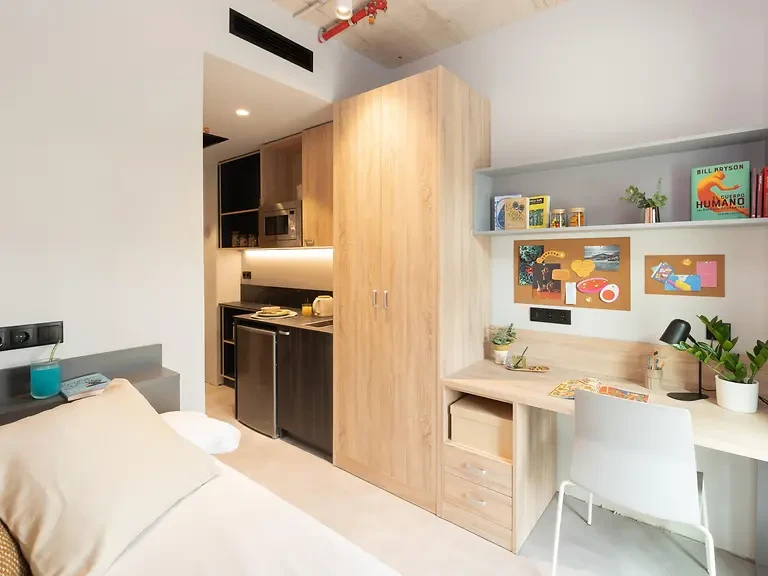
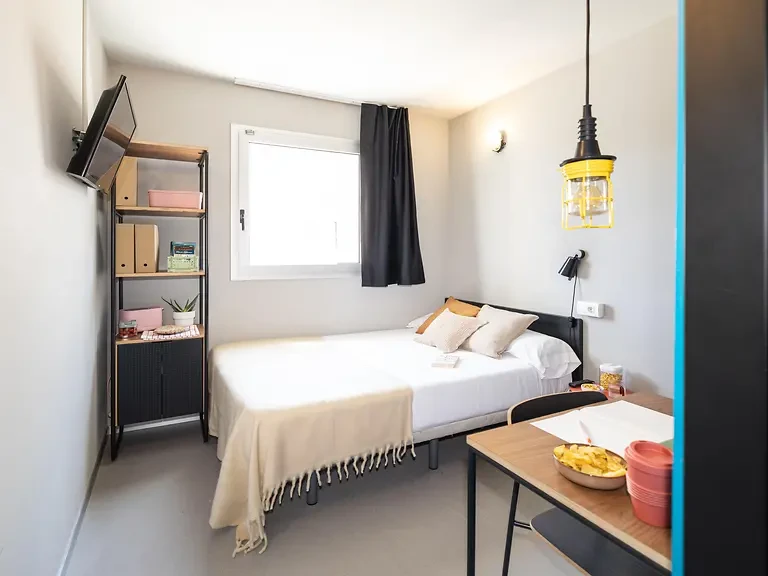
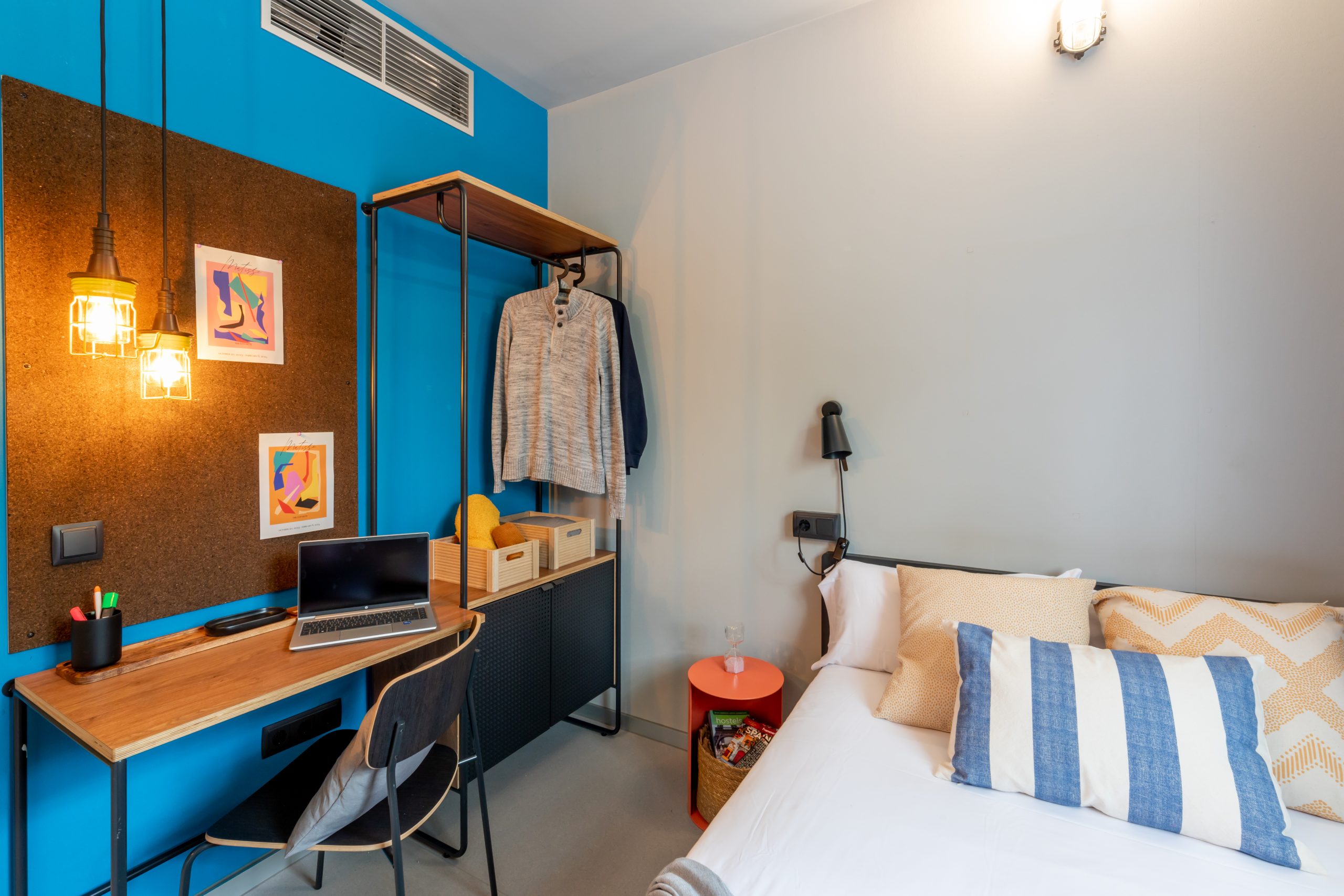
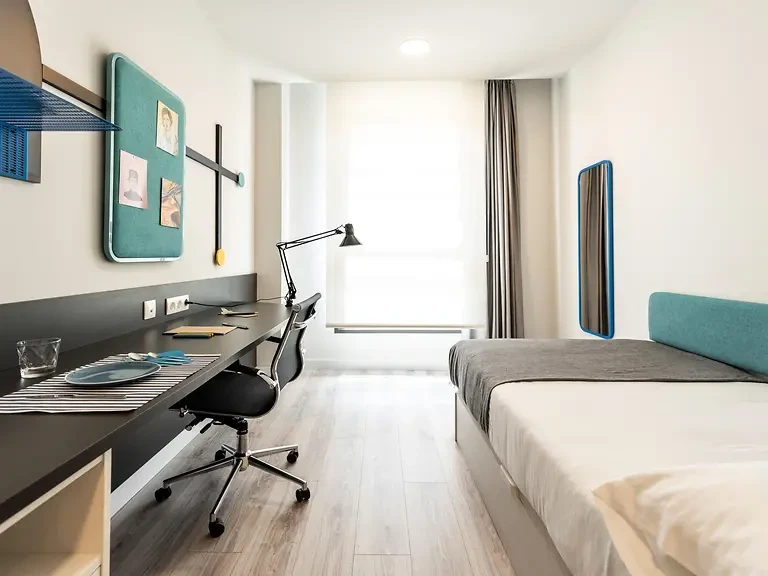
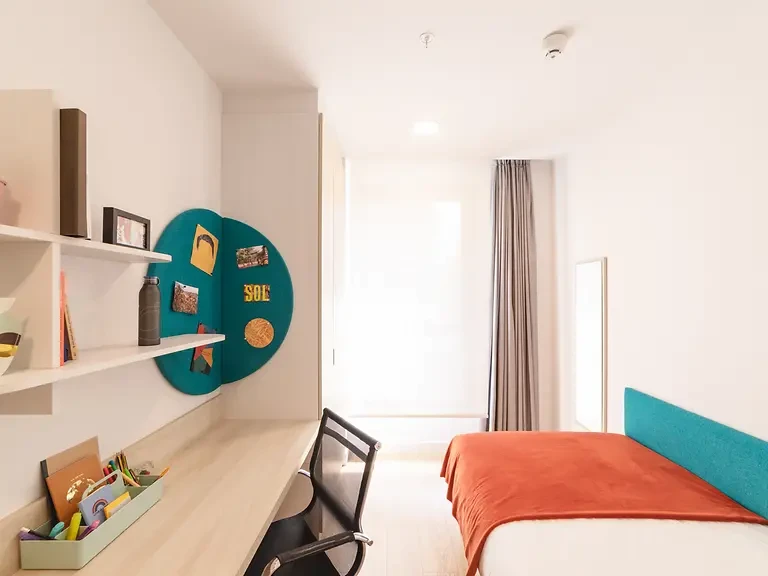
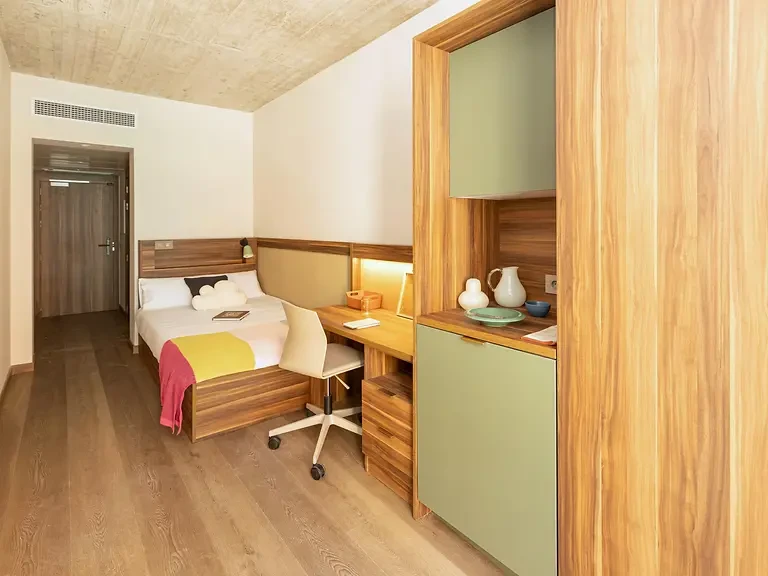
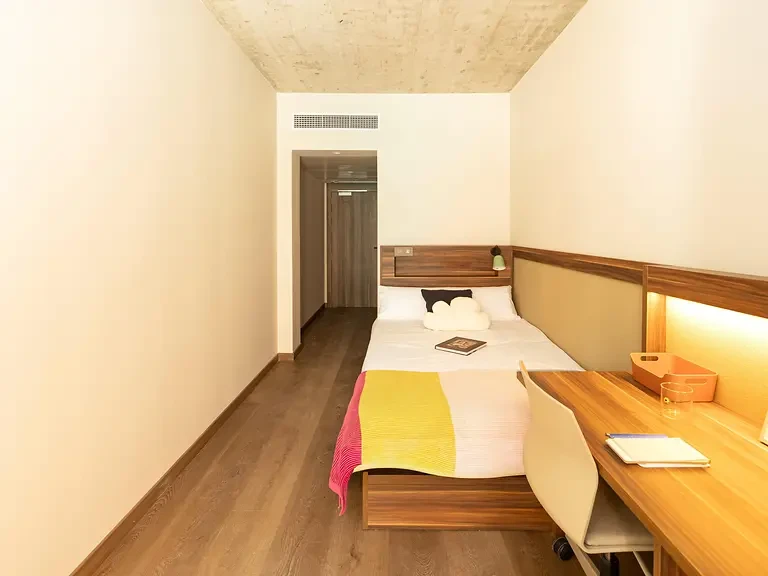
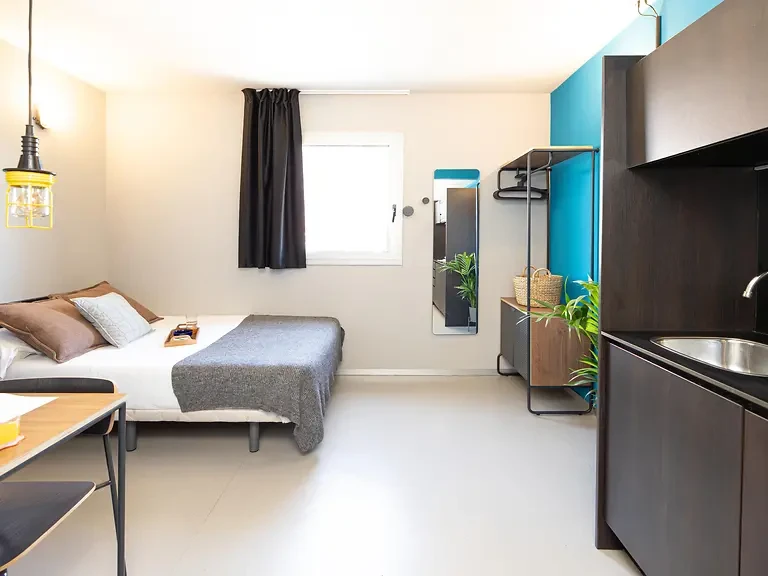
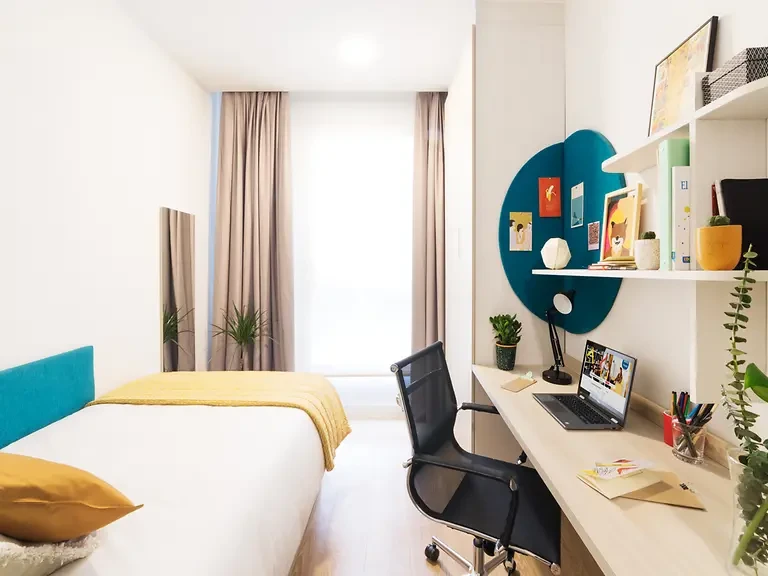
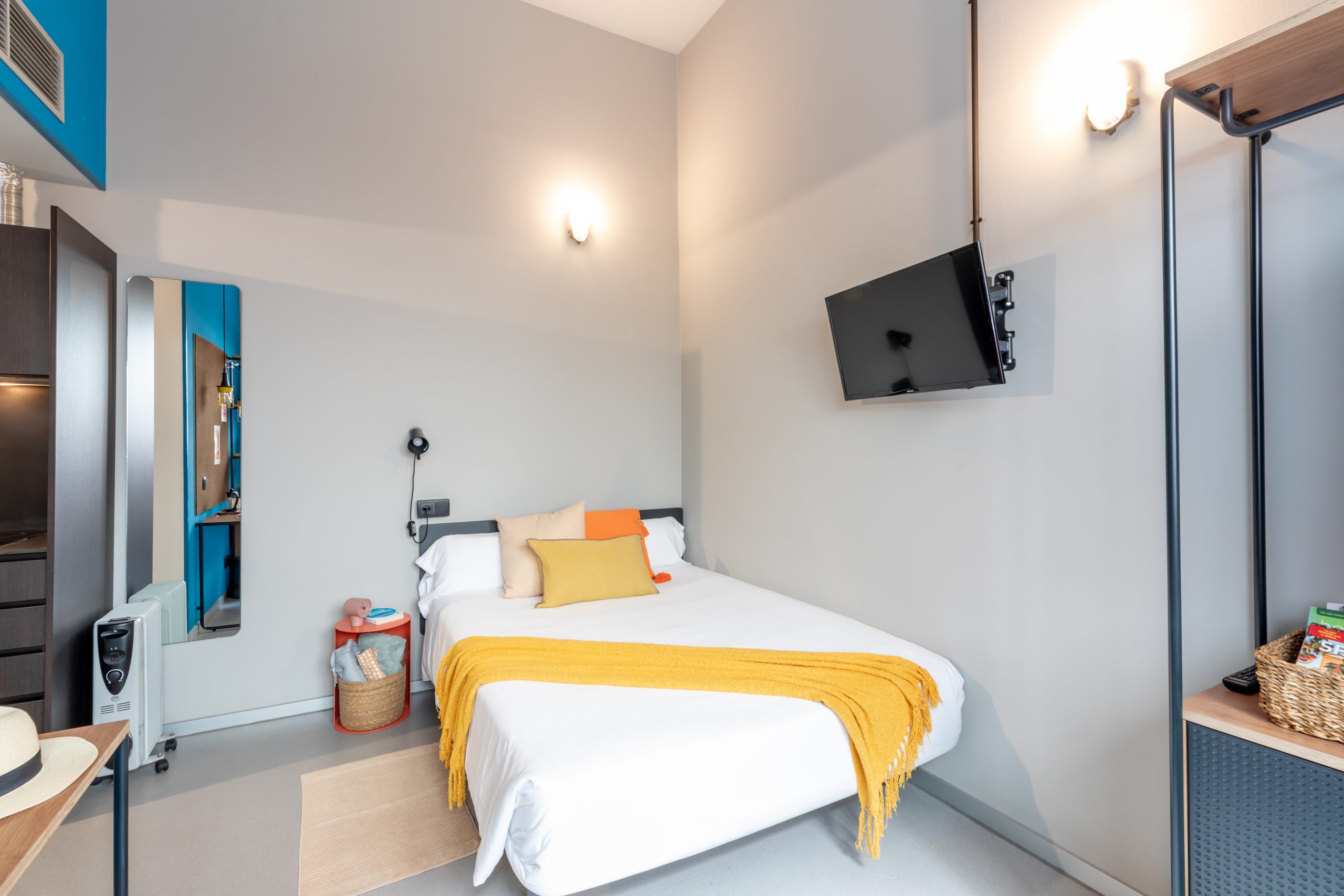
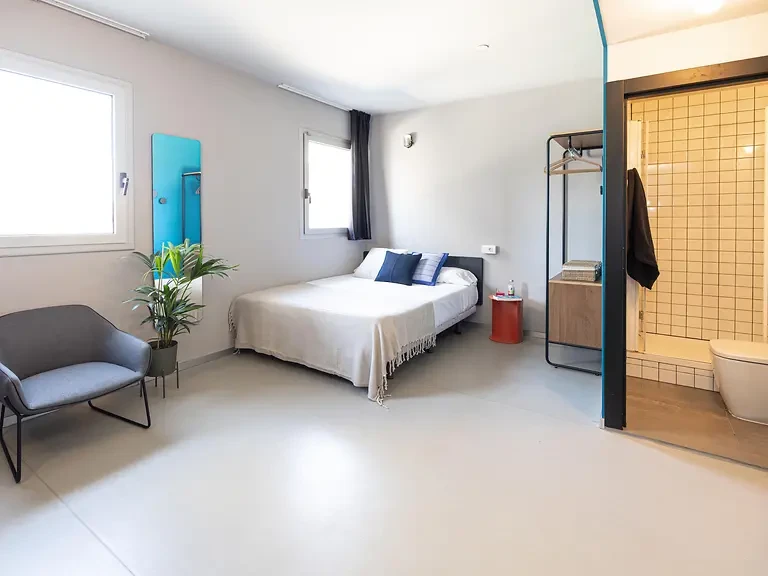
If you are new to Barcelona, PBSA is usually the cleanest first choice. It reduces the friction of arrival: furniture is usually in place, bills are often bundled, and the contract is usually clearer than a private room arrangement.
Why PBSA Works Well Here
- Move-in ready: useful if you are arriving from abroad.
- Predictable bills: easier to budget in a city where rents and utilities can move quickly.
- Student-first support: better for first-year and postgraduate students who want fewer setup tasks.
- Location flexibility: you can choose a residence slightly farther away if transport is good.
When A Shared Flat Makes Sense
- You want the lowest monthly room rate you can find.
- You are comfortable handling deposits, utility splits, and house rules.
- You already know which neighborhoods you like.
- You want a more local or independent Barcelona experience.
When A Studio Is Worth It
- You need quiet for postgraduate work.
- You want privacy and a fixed routine.
- Your budget can absorb the premium over a room in shared housing.
Typical Monthly Costs
Barcelona is not a low-cost city, and the area around this campus is on the stronger side of the market.
| Accommodation type |
Monthly estimate |
Notes |
| PBSA room |
€850 to €1,300 |
Best for predictable bills and a student-focused setup |
| Shared flat room |
€550 to €900 |
Good value if you are flexible on finish and location |
| Private studio |
€1,100 to €1,700 |
Privacy costs more, especially near central districts |
| Premium private rental |
€900 to €1,500 |
Often better in Eixample or the nicer parts of Sarrià-Sant Gervasi |
For living costs beyond rent, a realistic monthly student budget in Barcelona often looks like this:
| Category |
Budget |
Comfortable |
Higher spend |
| Food |
€220 |
€360 |
€520 |
| Local transport |
€30 |
€65 |
€110 |
| Phone plan |
€20 |
€32 |
€40+ |
| Going out / misc. |
€80 |
€150 |
€250+ |
If you want the safest planning assumption, budget for a rent-first city rather than a transport-first city. The good news is that the Barcelona transport system is integrated, so a single ticket can cover metro, bus, FGC, and Rodalies journeys within the relevant zones.
Transport And Daily Life
The campus is well connected for a hillside location. The official university contact page lists:
- Bus routes: V9, 196, H2, V11, V7, V13, and 123
- Rail access: FGC L7, Avinguda Tibidabo
That combination is strong enough for most students to live outside the immediate campus zone without making the commute annoying.
Transport Advice By Housing Choice
- If you live in Sant Gervasi - la Bonanova, walking or one bus is often enough.
- If you live in Gràcia, a bus or FGC-based trip is usually the easiest pattern.
- If you live in Les Corts, expect a straightforward cross-city commute.
- If you live in Eixample, you get more listing choice, but the commute becomes a routine you will notice every day.
Student Tip
Check the return journey as carefully as the morning trip. Barcelona is easy to navigate overall, but a flat that looks fine on a map can still be a bad choice if the late-evening route is awkward.
Neighborhood Shortlist
Sant Gervasi - la Bonanova
This is the closest practical area to campus and the one that feels most aligned with the university’s immediate surroundings. It is residential, calm, and typically more expensive.
Best for:
- students who want a quiet routine
- postgraduates who value calm over nightlife
- families helping an international student settle in
Gràcia
Gràcia usually works well for students who want more energy in the streets and a stronger social life outside class.
Best for:
- shared flats
- cafes and student routines
- students who do not mind a slightly longer commute
Les Corts
Les Corts is a sensible middle ground. It is well connected, generally practical, and often easier to live in than the most central districts.
Best for:
- students who want transport convenience
- those comparing rent against commute time
- students who want a quieter area than the city core
Eixample
Eixample gives you the widest mix of rooms, studios, and private rentals, plus central Barcelona life. The trade-off is that you are no longer prioritizing proximity.
Best for:
- students who want lots of listing choice
- people who split their time between university and city life
- students willing to commute for better social access
Booking Timeline
For a September intake, start early.
- 6 to 9 months before arrival: set your budget and decide whether PBSA, a shared flat, or a studio suits you.
- 4 to 6 months before arrival: shortlist buildings and neighborhoods, then compare contract length and bills.
- 2 to 4 months before arrival: reserve your room once you are comfortable with the route to campus.
- 1 month before arrival: confirm move-in steps, payment method, and what is already in the room.
- Arrival week: check inventory, take photos, and register any defects immediately.
If you are an international student, do not leave housing until the last minute. Barcelona has choice, but the best-value rooms close to the right transport links tend to disappear first.
Scam Prevention And Safety
Barcelona is a major student city, but you still need to be careful.
- Only pay a deposit after you have verified the landlord or operator.
- Ask for a contract before sending money.
- Make sure the address matches the building you think you are renting.
- If the price looks too low for the area, assume there is a reason.
- Keep screenshots of listings, messages, and payment requests.
- Avoid cash-only arrangements unless you fully trust the arrangement and have proper paperwork.
For private rentals, the biggest warning sign is a landlord who pressures you to pay quickly without showing the contract first. That is a bad sign anywhere, and Barcelona is no exception.
International Student Checklist
Spain does not use a UK-style “right to rent” system, so the useful question is: what documents will you need to secure housing and settle legally?
Usually, you should be ready with:
- passport or national ID
- university offer or enrollment proof
- proof of funds or guarantor details if requested
- student visa documents, if applicable
- travel insurance or health coverage details
- local contact details for check-in
If you are staying long term, make sure you also understand your immigration steps, including any NIE or residence paperwork you may need after arrival.
What To Pack
Usually Worth Bringing
- passport, visa, and admission documents
- power adapter and charging cables
- a few days of clothes for warm and cooler weather
- laptop and study essentials
- basic medications and prescriptions
- a printed copy of your rental contract
Often Already Provided In PBSA
- bed frame and mattress
- desk and chair
- wardrobe or storage
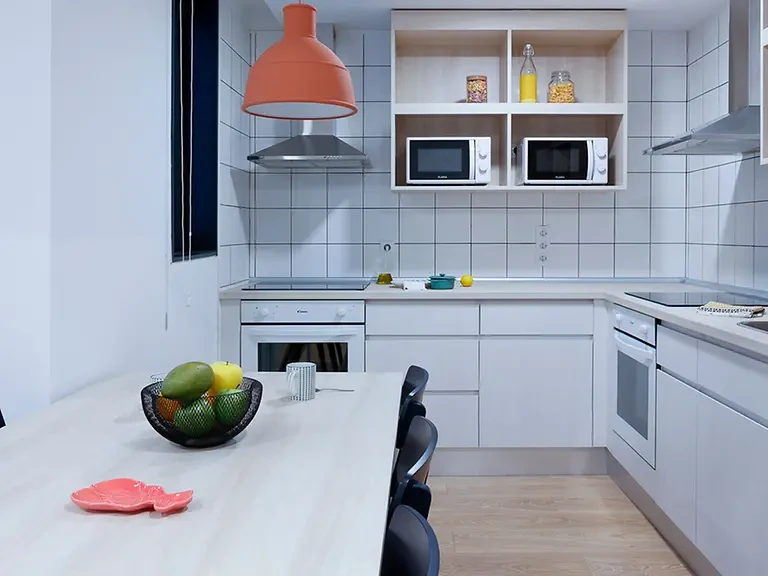
- shared kitchen appliances, in some buildings
- Wi-Fi access
Check Before You Travel
- bedding and towels
- kitchen utensils
- cleaning supplies
- laundry access
- whether utilities are included
Accessibility And Special Requirements
If you need step-free access, an adapted bathroom, a ground-floor room, or a quieter corridor, ask early and ask directly.
Good questions to raise before booking:
- Is there a lift in the building?
- Is the room fully accessible from the entrance?
- Are there adapted bathrooms?
- Can I view the exact room type I will receive?
- Is the route to campus manageable for mobility needs?
Final Take
For Abat Oliba CEU University, the housing decision is mostly about how much commute convenience you want to buy. The closest areas around Sant Gervasi - la Bonanova are calm and convenient, while Gràcia, Les Corts, and Eixample give you more choice and usually better room availability.
If you want the simplest setup, start with PBSA. If you want the lowest price and are happy to manage more of the logistics yourself, compare shared flats next.