Overview
The University of Seville is spread across several campuses and faculties throughout the city, so the best place to live depends on where your classes are based. The university describes itself as a city-wide institution with more than 25 faculties and schools and a community of 80,000+ students and staff, so there is no single "one-size-fits-all" neighbourhood.
For most students, the safest and simplest housing strategy is to start with PBSA or a university-linked residence and then compare that with a shared flat in a well-connected district. Seville is compact, walkable in the centre, and supported by buses, metro, tram, and bike lanes, which gives you a good amount of flexibility.
Where University of Seville students usually live
Because the university is distributed across the city, think about your campus first and the neighbourhood second.
| Area |
Best for |
Why it works |
Watch-outs |
| Reina Mercedes / Heliópolis |
Science, engineering, and students who want a quieter residential base |
Close to the Campus Sur / Reina Mercedes cluster and practical for daily classes |
Fewer nightlife options than the centre |
| Ramón y Cajal / Pirotecnia |
Law, education, economics, philosophy, tourism and finance |
Strong all-day student feel and useful if your timetable is split across nearby faculties |
Busy roads at peak times |
| Centro / Arenal / Alfalfa |
Students who want the historic centre and a short walk to many city amenities |
Easy access to cafés, shops, cultural spots, and several university buildings |
Higher rents and more tourist traffic |
| Triana |
Students who want character, food, and a lively local atmosphere |
Well connected to the centre and popular with people who want a strong neighbourhood identity |
Some streets are noisier at night |
| Los Remedios |
Students who want a calmer, residential feel near Triana and central Seville |
Good balance of local services and transport links |
Less of a “student bubble” |
| Nervión / San Bernardo |
Students who want transport convenience and shopping |
Handy for buses, metro access, and straightforward city movement |
Can feel more commercial than traditional student areas |
| Macarena |
Health and science students |
Useful if you are based around the northern campus areas |
Commute can be less convenient for southern faculties |
PBSA, residences, and student housing
The University of Seville says its housing ecosystem includes its own residences, private residences with agreements, a rental housing pool, and shared-living options. It has also said these options add up to around 6,000 places.
That makes Seville a solid city for students who want structured housing support, especially if you are arriving from abroad or moving for the first time. A good shortlist usually looks like this:
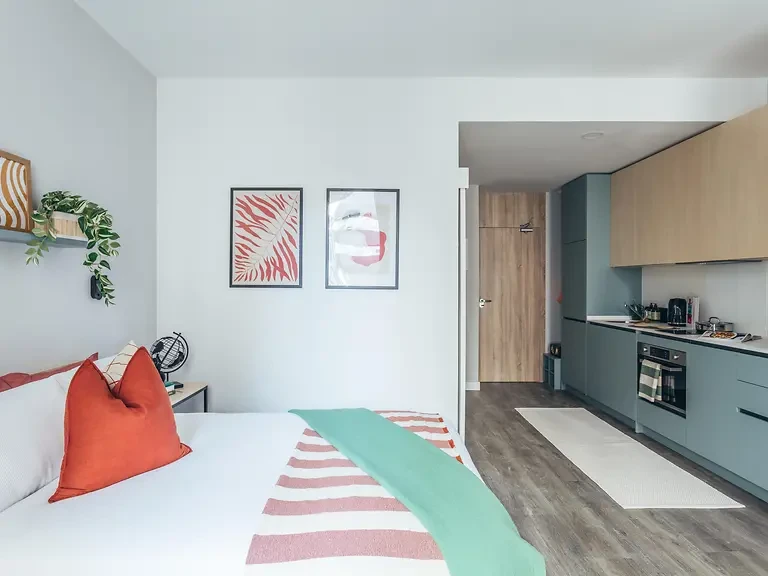
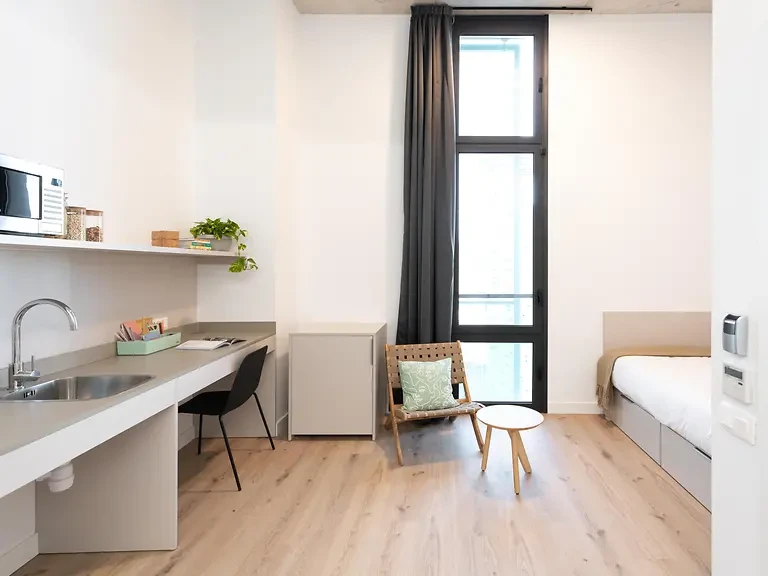
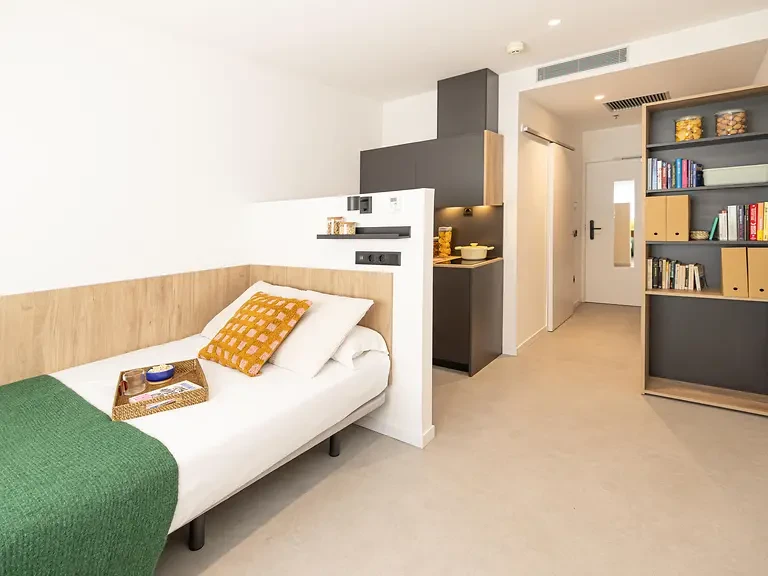
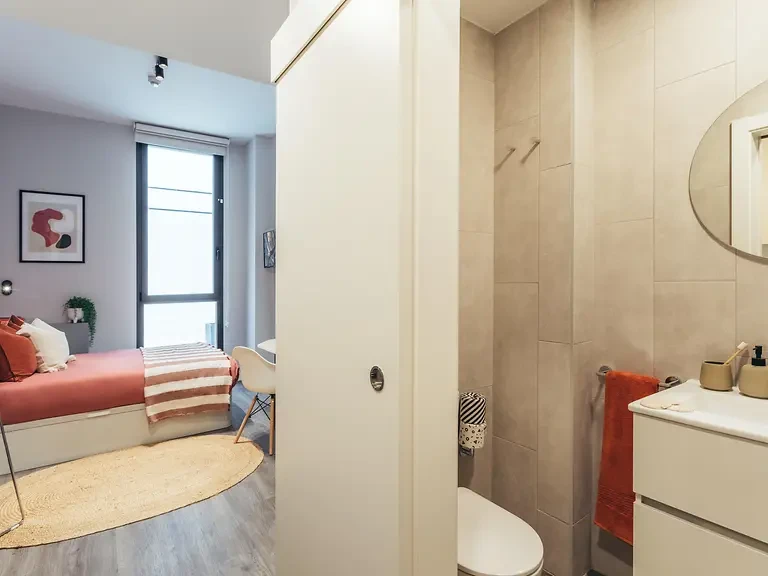
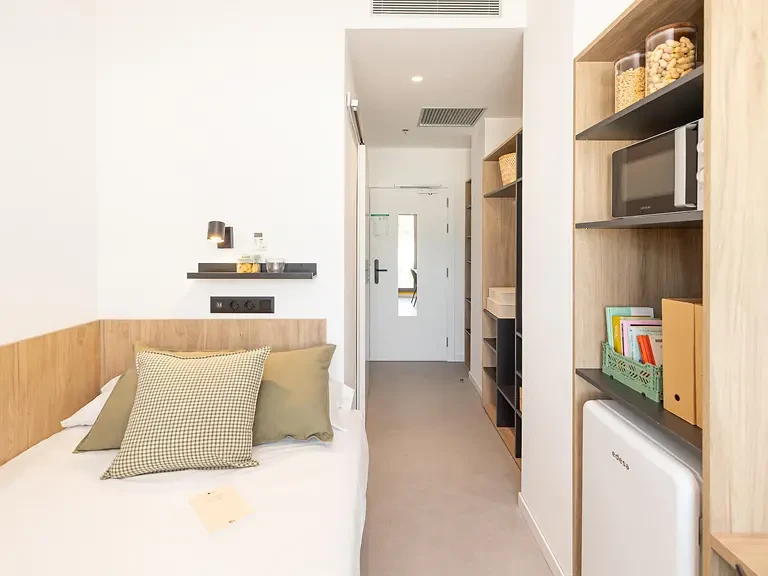
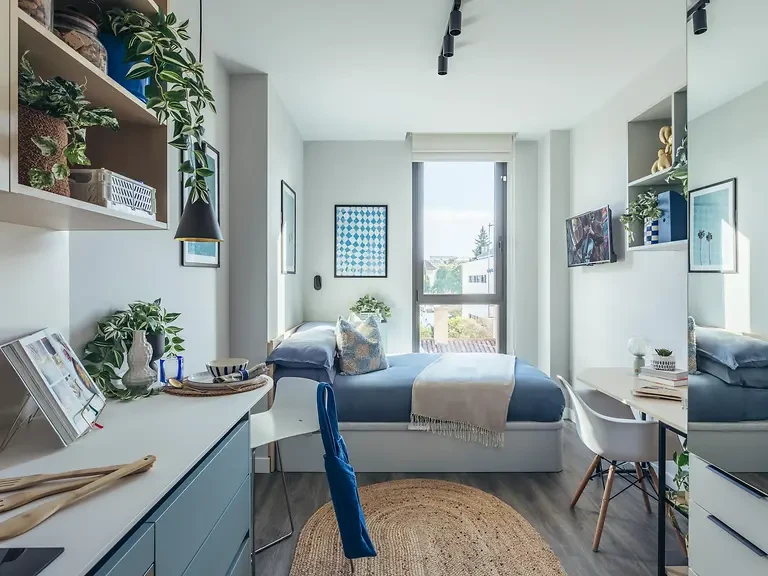
- PBSA if you want an all-in student product with clearer contracts, furniture, and on-site support.
- University residences / colleges if you want the most conventional student experience and a campus-linked environment.
- Shared flats if you want lower monthly costs and more choice on location.
- Studios if you value privacy and can stretch your budget.
If you are starting from scratch, PBSA is usually the easiest first filter because it reduces friction around furniture, bills, and move-in setup.
Accommodation costs in Seville
Seville is generally cheaper than Madrid or Barcelona, but prices vary sharply by neighbourhood and room type. The ranges below are practical planning figures, not fixed quotes.
| Housing type |
Typical monthly range |
Notes |
| PBSA / residence room |
€450-€750 |
Better for first-year and international students who want included services |
| Shared flat room in central areas |
€350-€550 |
More expensive in the historic centre and around high-demand streets |
| Shared flat room in outer areas |
€280-€450 |
Better value if you are happy to commute a bit further |
| Private studio |
€650-€950 |
Best for privacy; usually the highest all-in monthly cost |
Typical monthly living extras:
- Food: about €180-€320 depending on how often you cook.
- Local transport: about €20-€45 if you are using it regularly.
- Bills and internet: often €40-€90 in a shared flat, depending on what is included.
Transport and daily commuting
Seville works well for students because you do not need a car for most day-to-day life.
- TUSSAM buses cover the city and connect the main railway and bus hubs with university areas.
- Metro Line 1 is useful if your housing is near a station and your faculty sits on a compatible corridor.
- Walking is realistic if you live in the centre or close to your campus.
- Cycling is a serious option: the city promotes a large cycle network and a municipal bike system.
If you are choosing between two similar flats, commute quality should usually decide it. A cheaper room that adds 25 minutes each way can become a bad deal very quickly.
Booking timeline
For a September intake, move early. Seville has a lot of stock, but the best rooms near the right campus and in the best student areas still go first.
- January to March: set your budget, shortlist neighbourhoods, and decide whether you want PBSA, residence, or a flat share.
- April to June: begin serious searching and start contacting providers or landlords.
- June to August: secure the room, review the contract, and pay only after checks are complete.
- Arrival month: confirm check-in, inventory, Wi-Fi, and move-in logistics before you travel.
If your faculty is spread across multiple sites, prioritise a location that keeps your worst-case commute manageable.
Scam prevention and booking safety
Student housing scams usually rely on urgency. Slow the process down and verify the basics.
- Never send money before you have seen a real listing, a signed contract, and the legal identity of the landlord or provider.
- Make sure the deposit amount, rent, bills, and cancellation terms are written down clearly.
- Ask for the exact address and compare it with the campus you will attend.
- Be cautious if the deal is far below market rate or if you are pushed to “book today”.
- Keep screenshots and payment records in case you need to dispute anything later.
For a first move to Seville, a provider with a clear student housing process is usually safer than a random private listing.
International student guide and renting in Spain
If you are coming from abroad, the main issues are usually paperwork, not housing style.
- Check your visa requirements before arrival if you are a non-EU student.
- Keep copies of your passport, enrolment letter, and accommodation contract.
- Ask whether the landlord or residence will help with NIE/TIE-related paperwork or local registration.
- Some private landlords want a guarantor or extra proof of funds, while PBSA and student residences are often simpler.
- If you are new to Spain, a managed residence can reduce the amount of admin you need to solve in the first week.
Spain does not use the UK-style “right to rent” framework. For Seville, the practical question is whether you can prove identity, lawful stay, and affordability when needed.
Tenancy agreement cheat sheet
Before you sign, check these points carefully:
- Length of contract: fixed-term academic contracts are common.
- Deposit: confirm how much is due and how it is returned.
- Bills: check whether electricity, water, internet, and gas are included.
- Inventory: photograph the room before you move in.
- Notice period: know how much warning you need to give.
- Cleaning and maintenance: understand who handles what.
- Guests and noise: residence rules can be stricter than a normal flat.
If anything is missing from the contract, ask for it in writing before you pay.
What to pack and what is usually provided
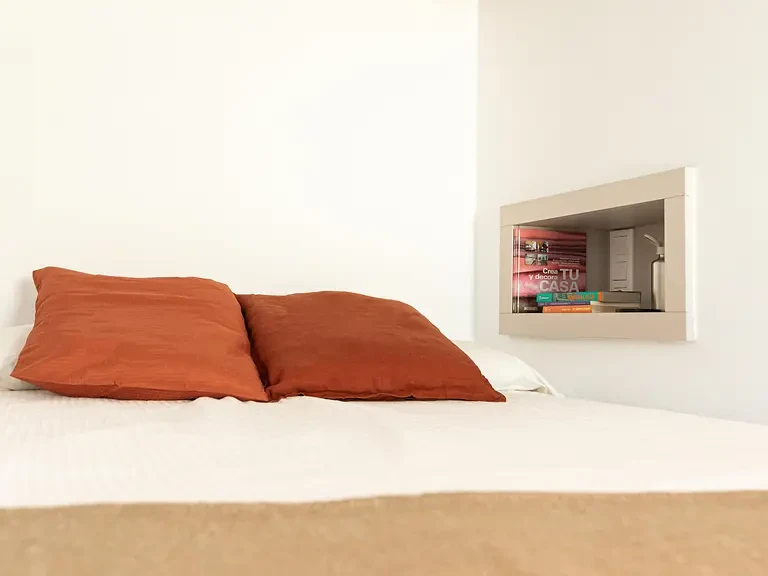
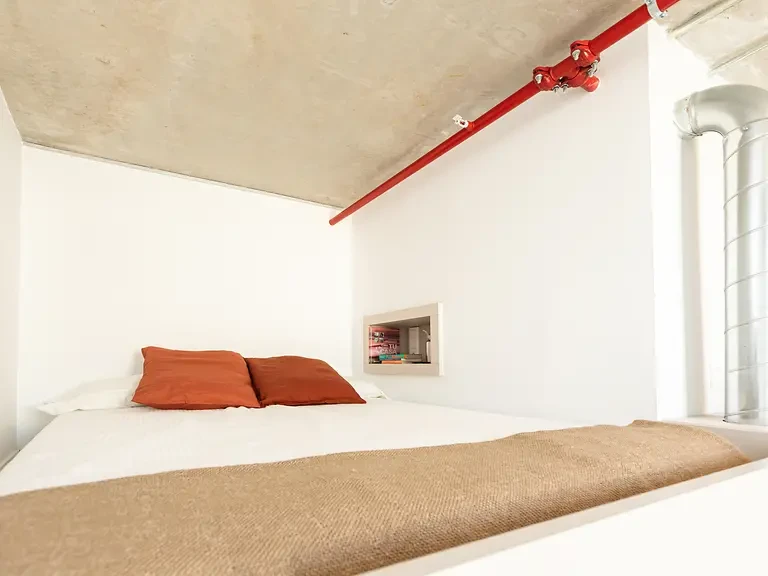
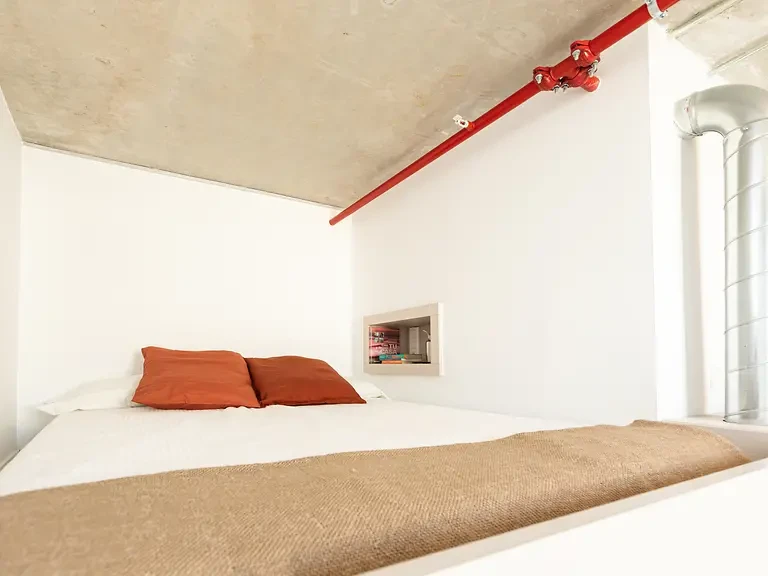
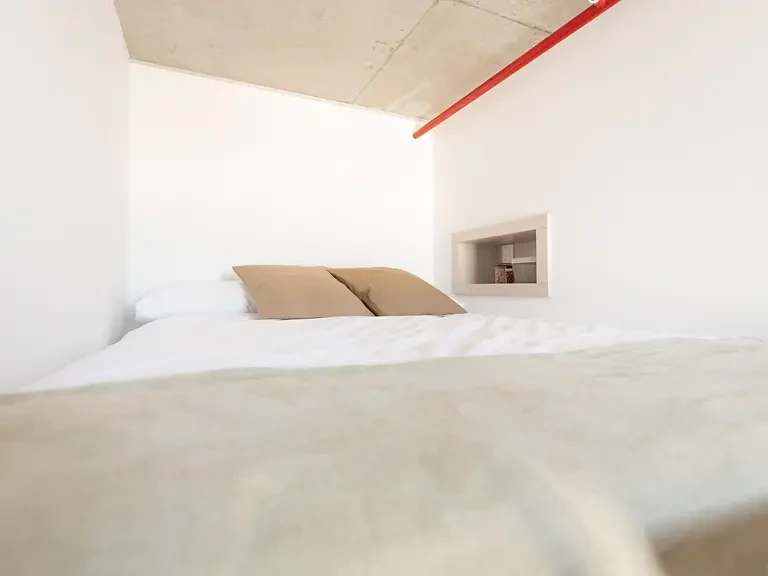
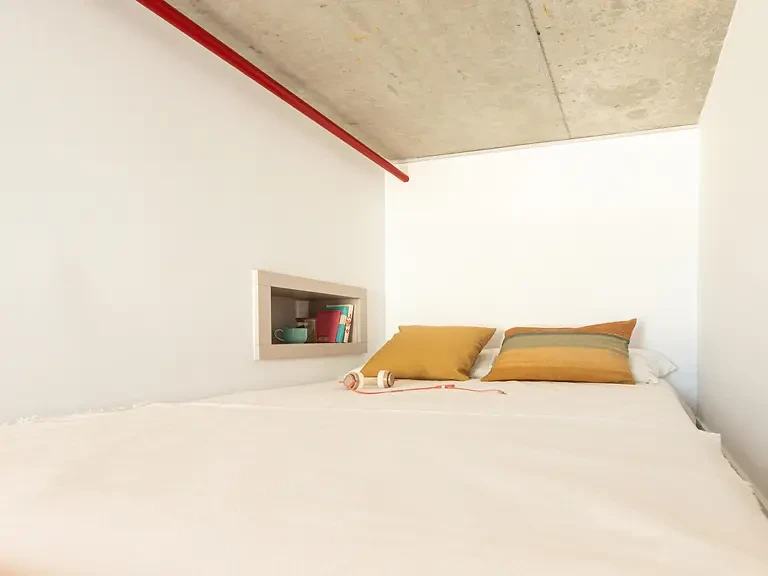
Most PBSA and residence rooms in Seville are furnished, but do not assume every property is identical.
Usually worth packing
- Bedding and a pillow unless the provider confirms they are included.
- A basic kitchen kit if you are in a shared flat.
- Extension lead, adapter, and a small lamp.
- Lightweight clothing for warm weather, plus one warmer layer for winter evenings.
- Shower items, cleaning basics, and laundry essentials.
Usually provided in student housing
- Bed, desk, chair, and wardrobe.
- Basic kitchen appliances in shared accommodation, depending on the property.
- Wi-Fi or internet access in managed housing.
- Shared laundry or common areas in many residences.
Accessibility and special requirements
If you need step-free access, a lift, a lower-floor room, or specific safety features, ask before you commit. The University of Seville has inclusion-focused housing options such as ConvivamUS, and Metro de Sevilla states that its stations are designed with accessibility in mind.
That said, accessibility is still property-specific. Always confirm:
- lift access or ground-floor availability
- bathroom layout
- width of doors and circulation space
- route from the nearest bus or metro stop
- emergency procedures if mobility is limited
Final advice
For the University of Seville, the smartest move is to match your housing to your faculty cluster, then choose the cheapest option that does not wreck your commute. If you want the least stressful start, begin with PBSA or a university-linked residence, then compare it against a flat share in Triana, Nervión, Los Remedios, or the Centre depending on your campus.