Overview
Singapore Management University (SMU) is a true city campus in the Bras Basah Bugis precinct, so the best housing choices are usually the ones that keep you within a short MRT ride or walk of the university. SMU’s campus has direct underground links to Bras Basah and Bencoolen stations, and key campus buildings are also within easy reach of City Hall and Bugis.
That central location is a huge advantage if you want:
- a short commute to class, group meetings, and library sessions
- easy access to food, shops, and late-night study spots
- a housing setup that works well for internships in the CBD
The trade-off is price. Central Singapore is convenient, but it is not cheap, so many SMU students balance location against room size, privacy, and lease flexibility.
Best housing options for SMU students
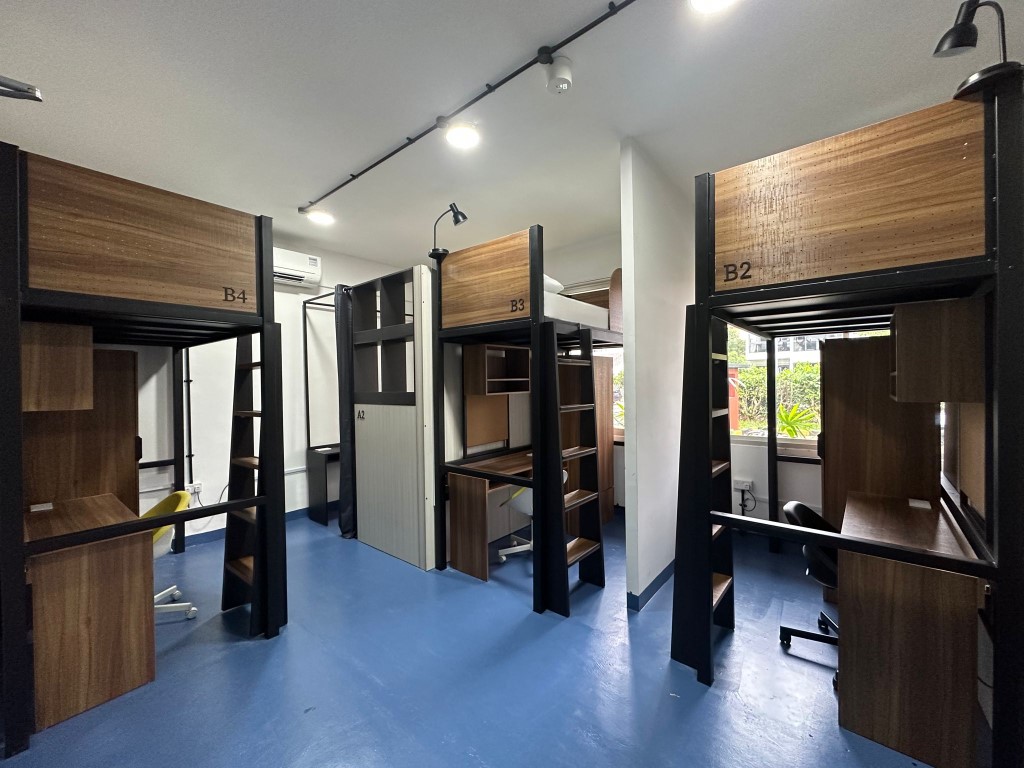
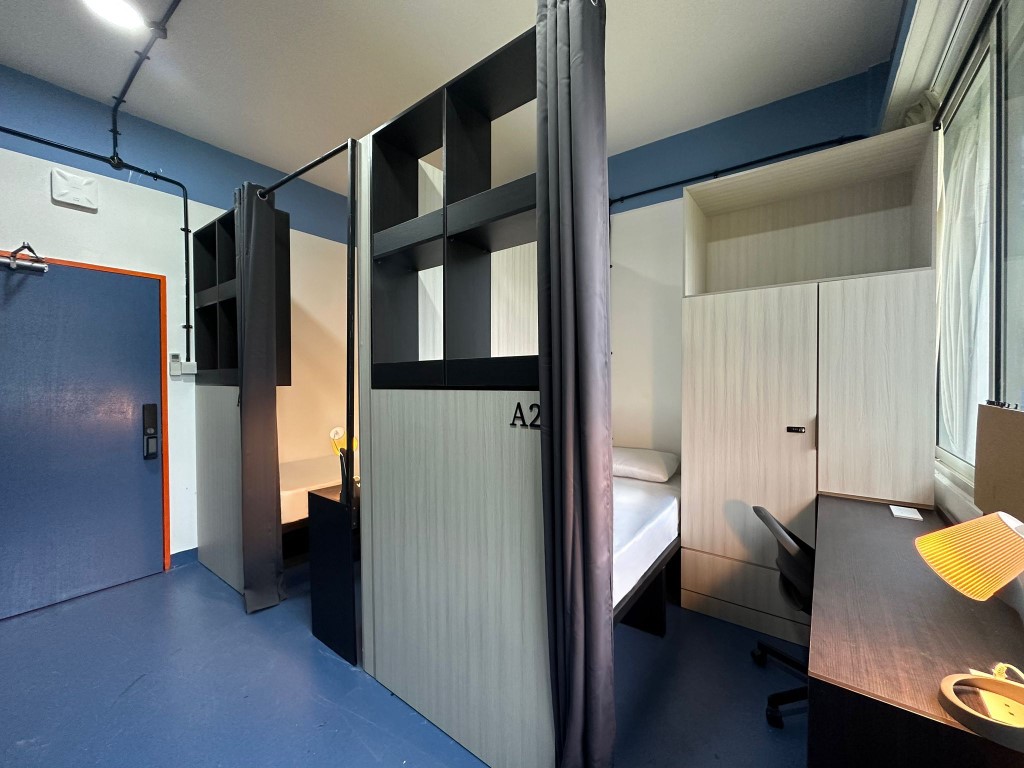
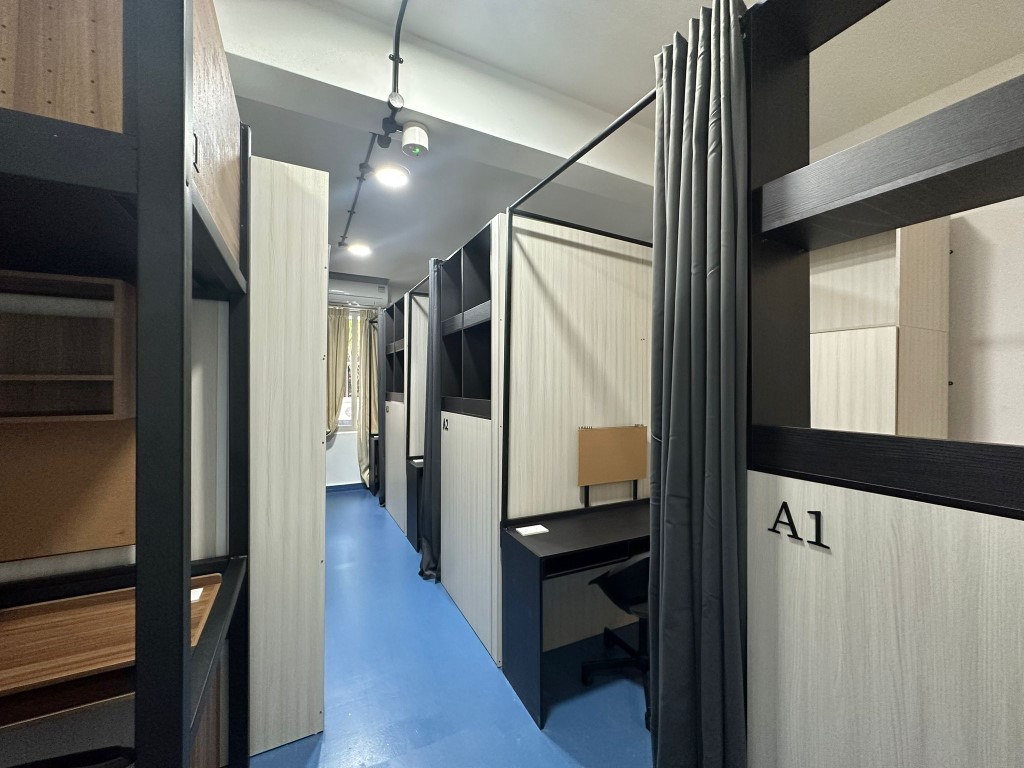
SMU students usually choose between campus-linked housing, co-living or PBSA-style rooms, and private rentals in nearby districts.
| Option |
Typical monthly budget |
Best for |
Notes |
| SMU-linked residence or hostel |
SGD 1,200 to 1,900 |
Students who want the shortest commute |
Limited supply, so demand can be strong |
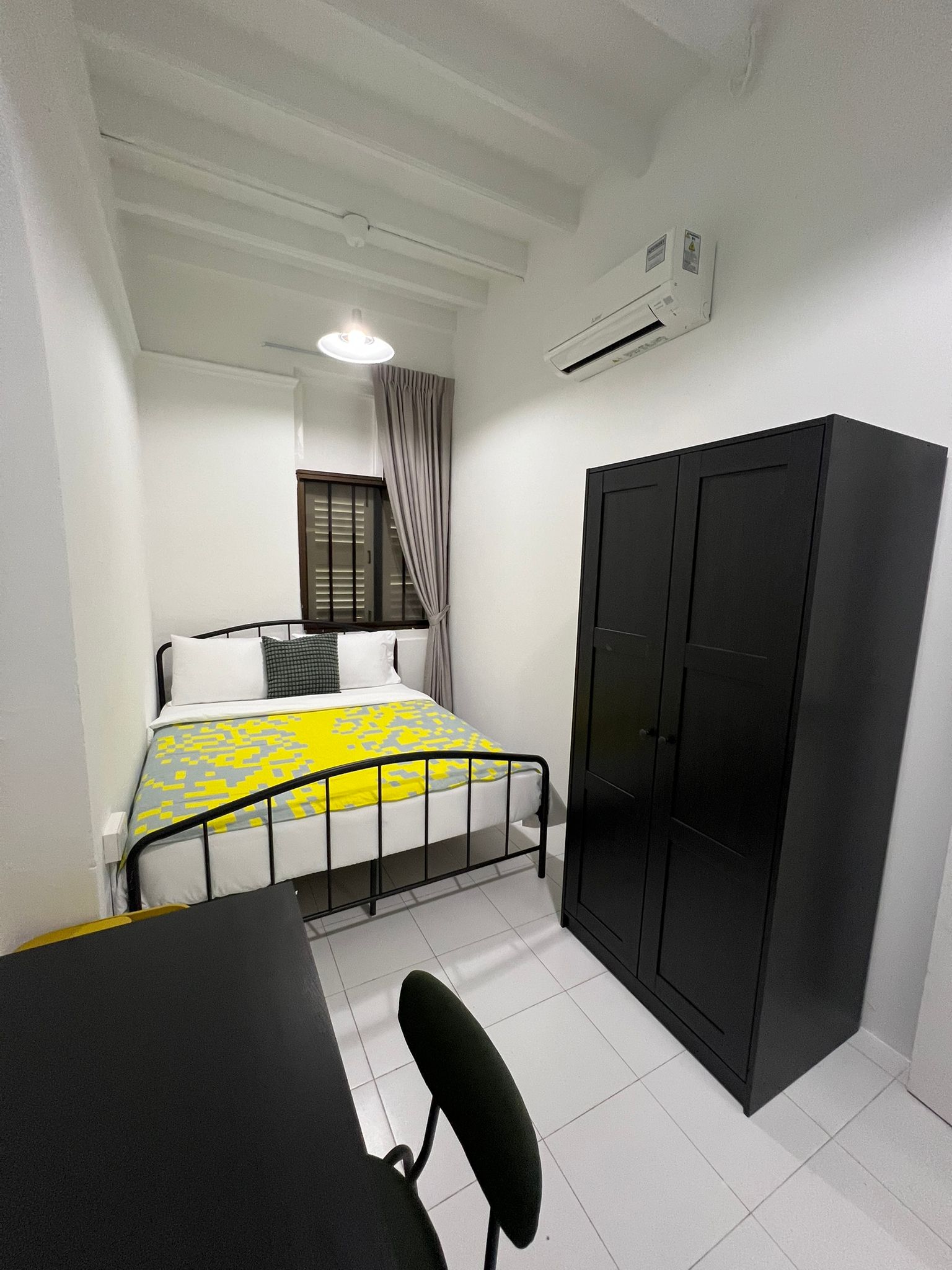
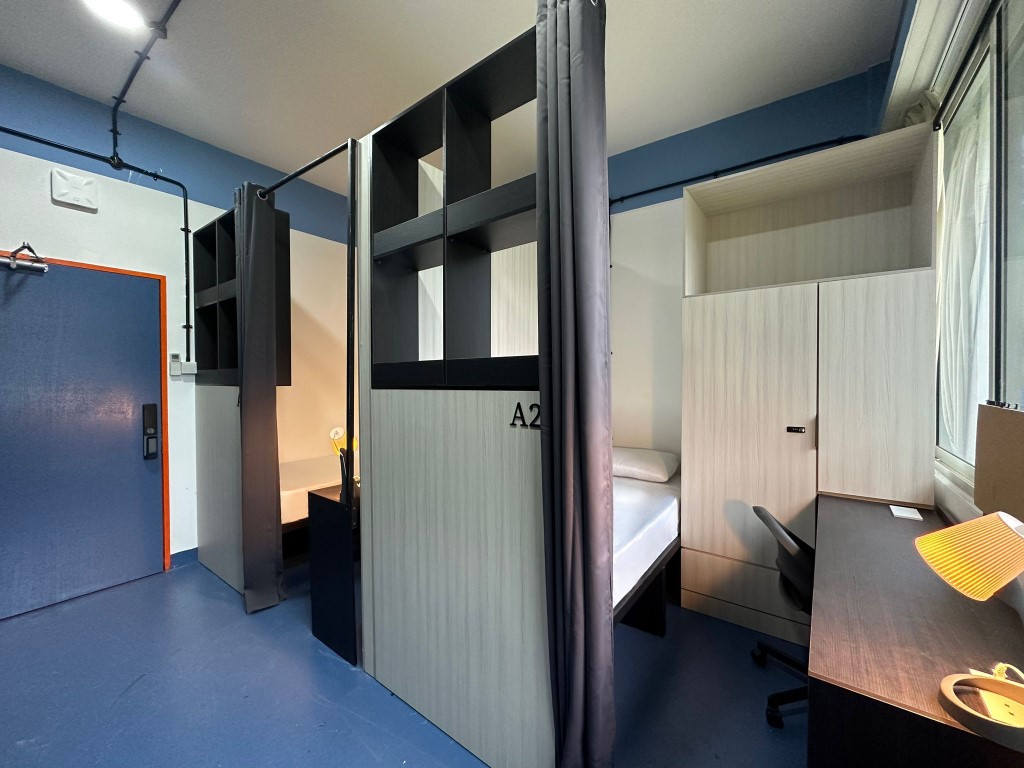
| PBSA / co-living room |
SGD 1,300 to 2,300 |
Students who want utilities and services bundled in |
Good if you want a managed building and simpler move-in |
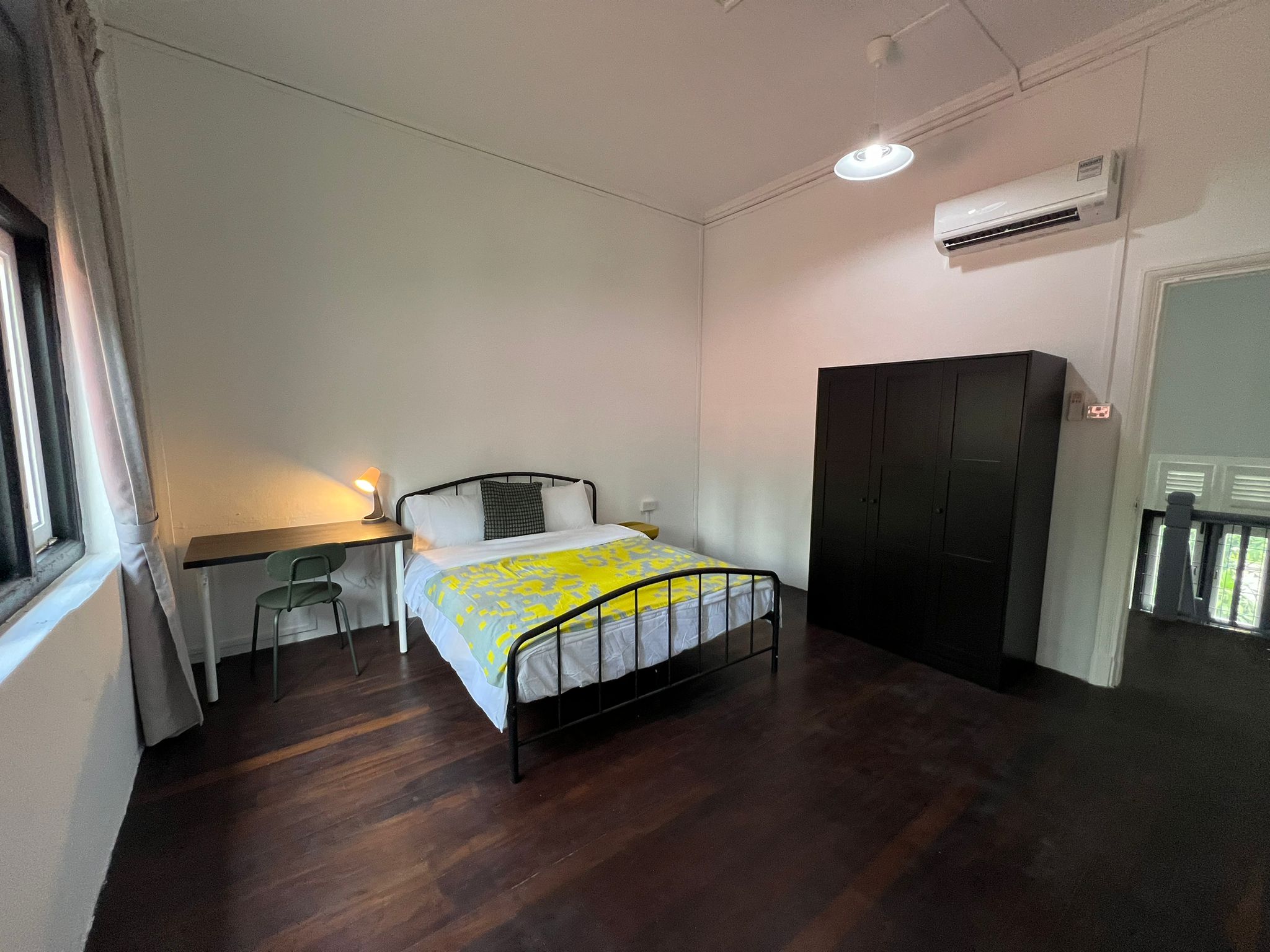
| Shared private room |
SGD 900 to 1,700 |
Budget-conscious students |
Often the best value if you do not need a premium location |
| Studio |
SGD 2,200 to 4,000 |
Students who want privacy |
Costs rise quickly in the city centre |
If you are comparing options, focus on three things:
- total monthly cost, including utilities and internet
- commute time to Bras Basah, Bencoolen, and City Hall
- lease length and deposit requirements
Areas worth targeting
Bras Basah, Bugis, and Rochor
This is the most convenient area for SMU. You are close to campus, near multiple MRT lines, and surrounded by food, retail, and student-friendly services.
Best for:
- first-year students who want a simple commute
- students who stay on campus late
- anyone splitting time between classes and internships in the CBD
Watch-outs:
- prices are usually higher
- smaller rooms are common
- furnished stock can move fast
Bencoolen and Little India fringe
This is a smart middle ground if you want to stay central without paying the very top of the market. It is still highly walkable to SMU and well connected by train.
Best for:
- students who want value near campus
- people comfortable with a slightly busier neighborhood
- those who want easier access to different parts of the island
Dhoby Ghaut and Orchard fringe
These areas work well if you want strong connectivity and a wider mix of housing stock. They are not the cheapest, but they can offer more choice than the immediate SMU core.
Best for:
- students who value transport links
- shared flats with roommates
- students who want central living with slightly more flexibility
Kallang, Lavender, and nearby east-central districts
These areas can be more affordable while still keeping SMU commutes manageable. They suit students who are happy to trade a little convenience for better rent value.
Best for:
- budget-focused students
- students open to a 15 to 25 minute commute
- longer leases where room size matters more than being on campus
Campus housing and SMU-linked living
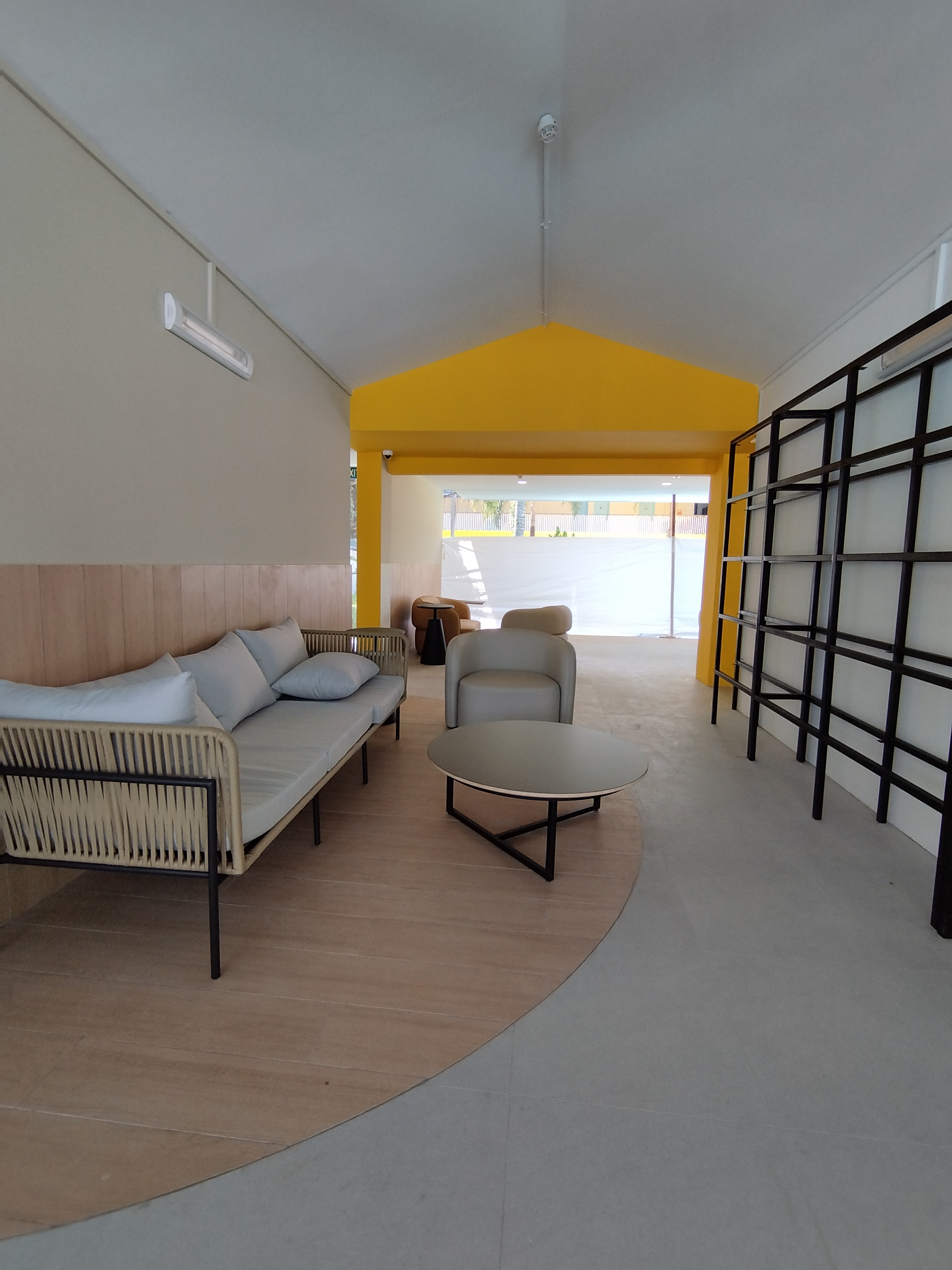
SMU’s own housing options are limited compared with some residential universities, but the university does offer a small number of student-friendly residences.
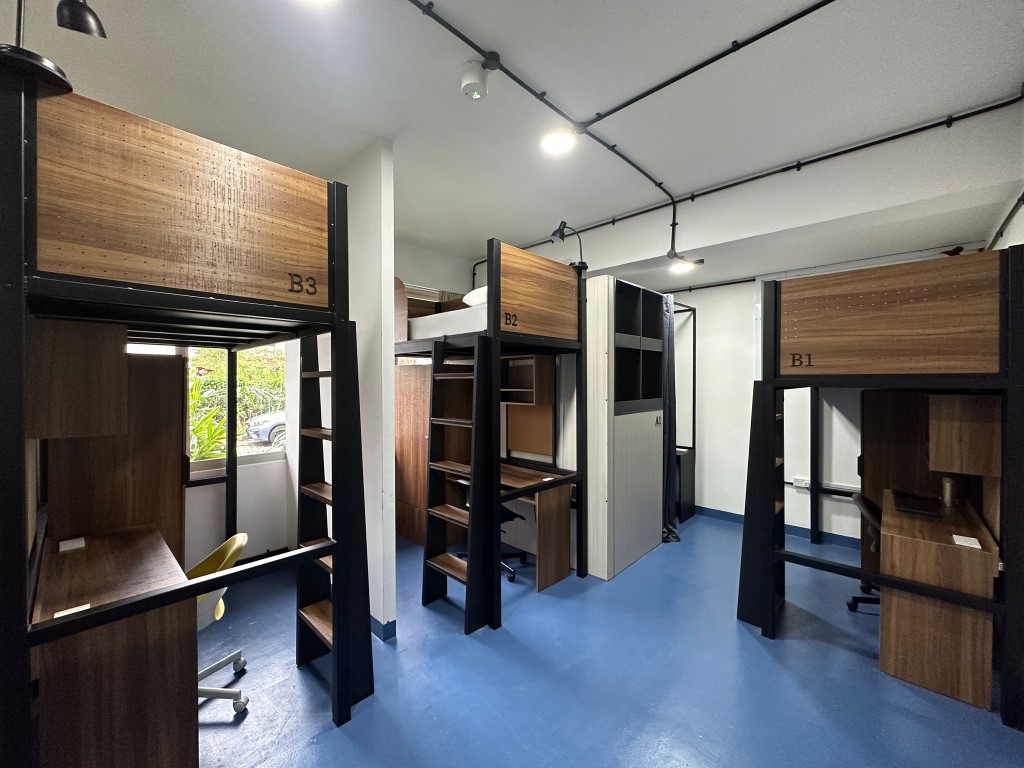
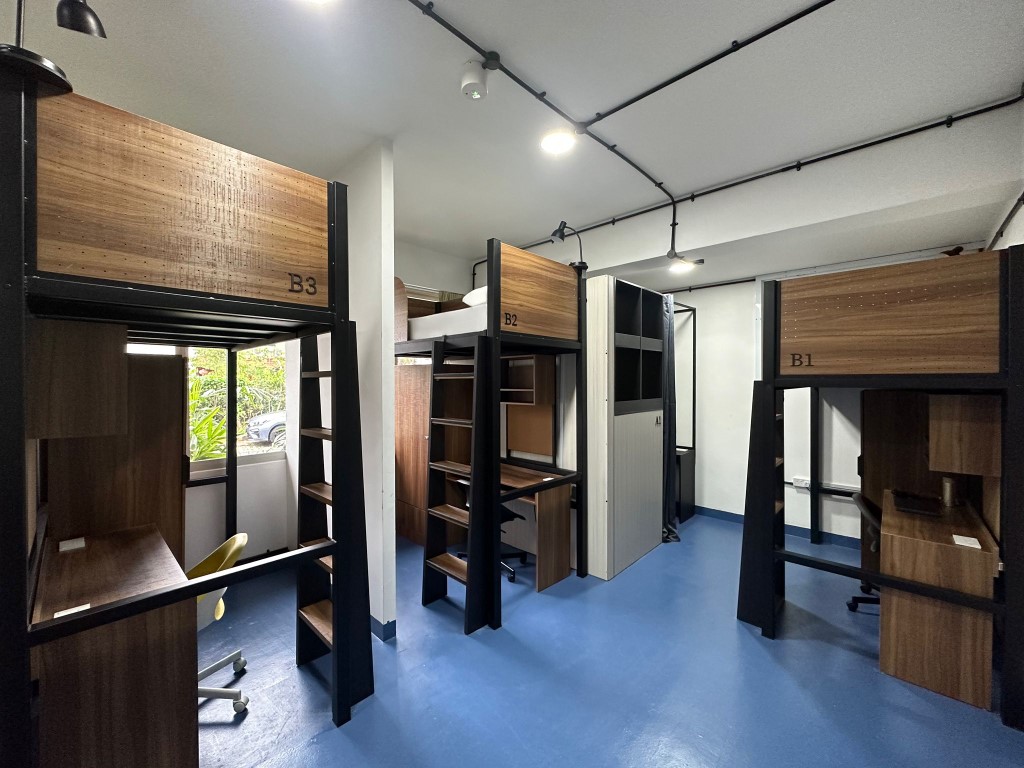
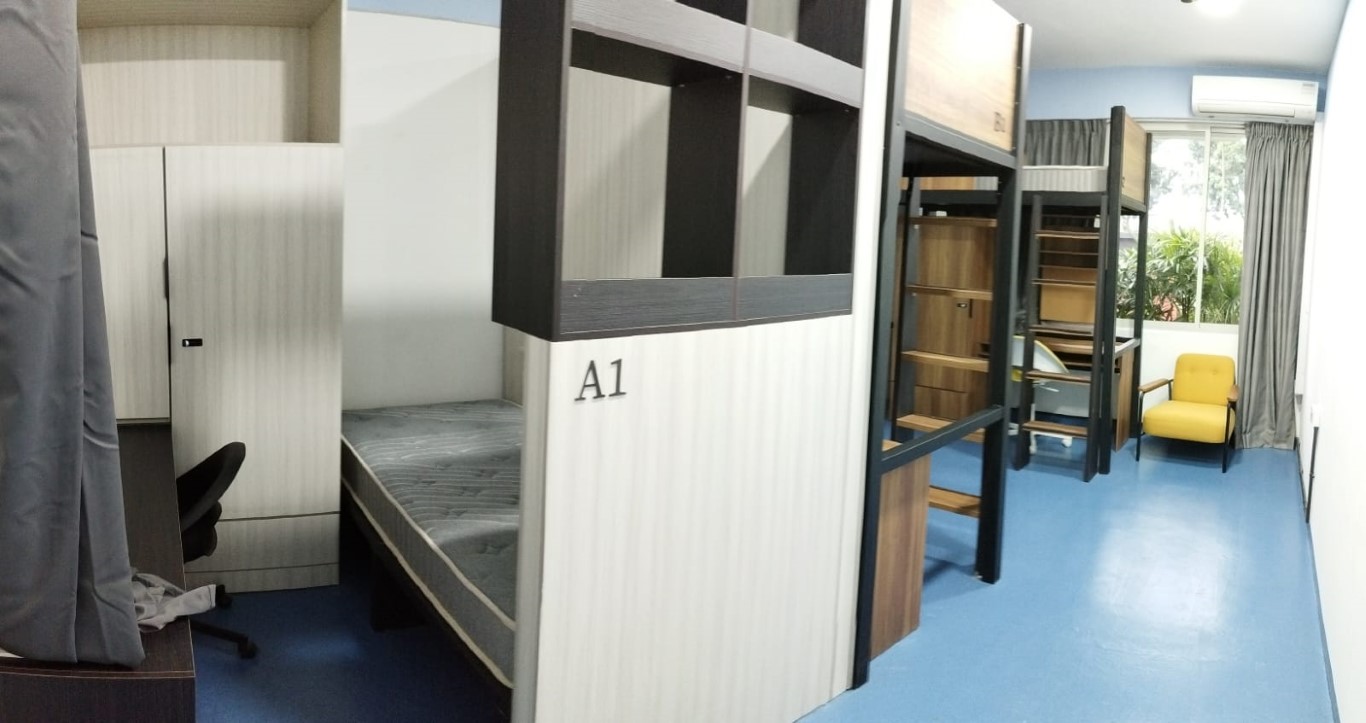
The strongest example is Prinsep Street Residences, which SMU describes as an innovative communal living concept in the Bras Basah Bugis precinct, about an 8-minute stroll from campus. It is designed around shared living spaces, community interaction, and a city-centre student lifestyle.
Why this matters:
- the commute is easy
- you stay in the student orbit
- you avoid a lot of the hassle that comes with setting up a private flat
The downside is availability. If you want university-linked housing, you should treat it as a priority application rather than a backup plan.
Transport and daily commute
SMU is one of the easiest universities in Singapore to access by public transport. Depending on your building, the main walk-to-campus stations are Bras Basah, Bencoolen, and City Hall, with Bugis also useful for some routes.
| Station / area |
Why it works for SMU |
Commute feel |
| Bras Basah |
Direct access to the campus area |
Shortest and simplest |
| Bencoolen |
Very close to the university and arts precinct |
Excellent for walking |
| City Hall |
Useful for broader downtown connections |
Strong all-round option |
| Bugis |
Good for shopping, food, and line connections |
Practical and busy |
If you live outside the immediate core, aim for a home near a station on the Downtown Line, Circle Line, East-West Line, or North-South Line so you can reach the campus without complicated transfers.
What a realistic budget looks like
SMU is in one of the most expensive parts of Singapore, so budget planning matters.
| Category |
Lean budget |
Comfortable budget |
Higher-spend budget |
| Accommodation |
SGD 900 to 1,400 |
SGD 1,400 to 2,200 |
SGD 2,200+ |
| Food |
SGD 250 to 350 |
SGD 350 to 550 |
SGD 550+ |
| Transport |
SGD 30 to 60 |
SGD 60 to 100 |
SGD 100+ |
| Phone and misc. |
SGD 50 to 100 |
SGD 100 to 180 |
SGD 180+ |
If you want to stay near campus, the biggest cost decision is usually whether to pay more for a short commute or save money with a slightly longer MRT ride.
Booking timeline
6 to 9 months before arrival
- shortlist the districts you can realistically afford
- decide whether you want a room, studio, or shared flat
- compare lease lengths carefully
3 to 5 months before arrival
- apply for student housing if you are eligible
- start viewing co-living and private rental options
- confirm whether utilities, air-con servicing, and internet are included
1 to 2 months before move-in
- review the tenancy agreement
- check deposit and payment terms
- confirm your move-in date and inventory list
First week after arrival
- test the commute to campus
- check laundry, Wi-Fi, and kitchen setup
- keep copies of your tenancy documents and passport details in one place
International student essentials
If you are a foreign student admitted to SMU, you will need a Student’s Pass and should follow the formalities set by Singapore’s Immigration and Checkpoints Authority. If you receive an In-Principle Approval letter, read the conditions carefully and complete the required steps before your Student’s Pass is issued.
For accommodation, that means you should:
- keep your passport, IPA letter, and university documents accessible
- choose housing that accepts student pass holders
- avoid signing anything you do not fully understand
Scam prevention and safety
Singapore is generally a safe rental market, but students still need to check the basics.
- verify the landlord or agent before paying anything
- ask for a proper tenancy agreement
- confirm whether the room is legally available for lease
- make sure the address, dates, and deposit terms match what you were told
- keep all payment records
If a listing looks unusually cheap for central Singapore, treat it with caution and verify everything before transferring money.
Tenancy agreement cheat sheet
Before you sign, check these items carefully:
- lease start and end date
- deposit amount and refund conditions
- utility responsibility
- internet, cleaning, and air-con servicing terms
- notice period for ending the lease
- guest policy and house rules
- repair responsibilities and inventory list
For SMU students, a flexible lease is often worth more than a slightly lower headline rent, especially if your internship or timetable may change.
What to pack
Bring:
- passport and housing documents
- laptop and chargers
- extension plug or adaptor
- basic kitchenware if the unit is unfurnished
- laundry items and bedding if they are not included
Usually provided in managed student housing:
- bed and mattress
- desk and chair
- wardrobe or storage
- shared appliances
Bottom line
If you are studying at SMU, the best housing is usually central, well-connected, and simple to manage. Bras Basah, Bugis, Bencoolen, and the surrounding fringe districts are the strongest starting point because they keep your commute short and your day-to-day routine easy.
If budget is tight, move one MRT stop farther out before you sacrifice room quality or lease clarity. In Singapore, the right balance is usually better than chasing the absolute cheapest rent.