Overview
Amity Global Institute Singapore is a private education institute in central Singapore, with its campus at 228 Orchard Road, Singapore 238853, right above Somerset MRT and within easy reach of Dhoby Ghaut and Orchard. That location is a real advantage for accommodation planning: you can live close to class, but the trade-off is that the immediate area is one of the most expensive parts of the city.
For most students, the best strategy is to choose between:
- Central convenience if you want a short commute and are happy to pay more.
- Nearby but slightly cheaper neighbourhoods if you want better value while staying on the MRT network.
- Shared housing or co-living if you want flexibility without committing to a full apartment lease.
Because Amity is a private institute rather than a large campus university, students usually arrange their own off-campus housing. For international students, the other key planning point is the Student’s Pass: ICA says full-time foreign students accepted by an institute in Singapore normally need one, unless they already hold an exemption or another qualifying pass.
Where Amity students usually live
The campus sits in the Orchard-Dhoby Ghaut corridor, so the best accommodation search areas are the central districts with strong MRT access.
| Area |
Typical commute to Amity |
Best for |
What to expect |
| Somerset / Orchard / Dhoby Ghaut |
3 to 15 minutes |
Maximum convenience |
Highest rents, strongest retail access, lots of co-living and serviced options |
| River Valley / Newton / Novena |
10 to 25 minutes |
Central but slightly better value |
Condos, shared rooms, quieter residential feel |
| Little India / Bugis / Rochor |
10 to 25 minutes |
Budget-conscious central living |
More room-sharing, more food options, good MRT connectivity |
| Queenstown / Redhill / Tiong Bahru |
20 to 35 minutes |
Better value with fast MRT links |
More residential, often easier to find workable monthly rents |
If you want the shortest commute, start with Somerset, Dhoby Ghaut, and Orchard. If you want value, look one or two MRT stops out and compare total rent against the commute time.
Best housing types for Amity students
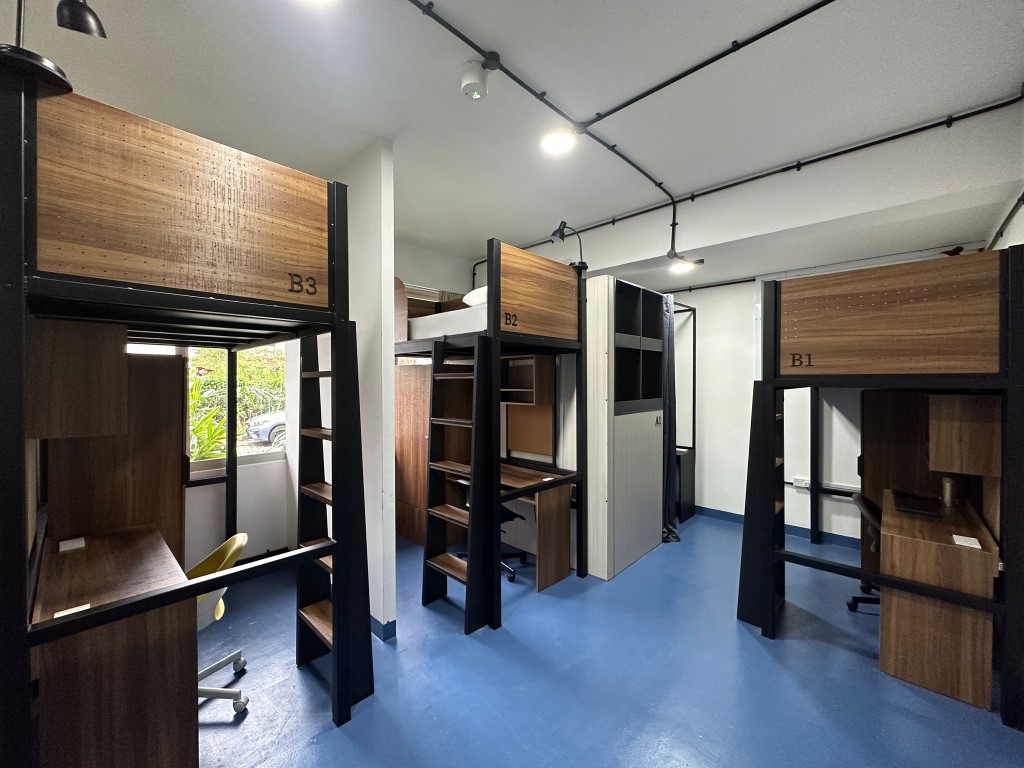
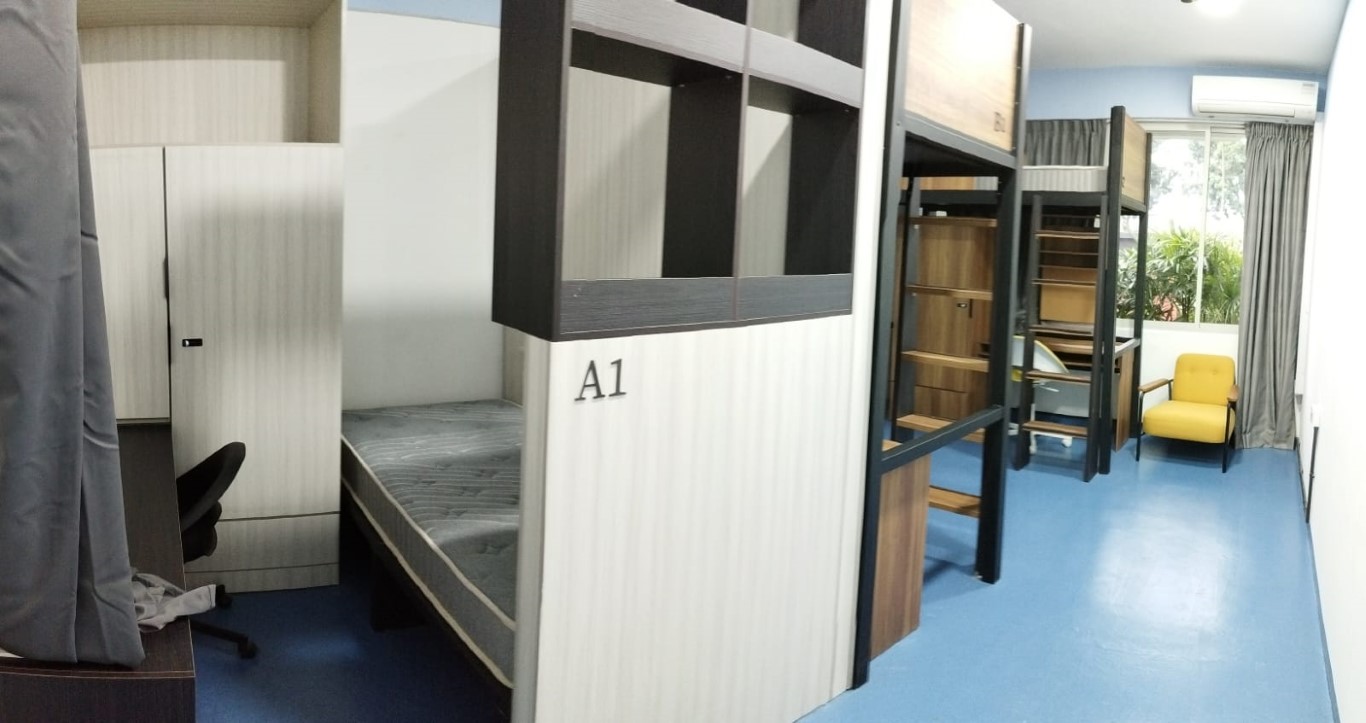
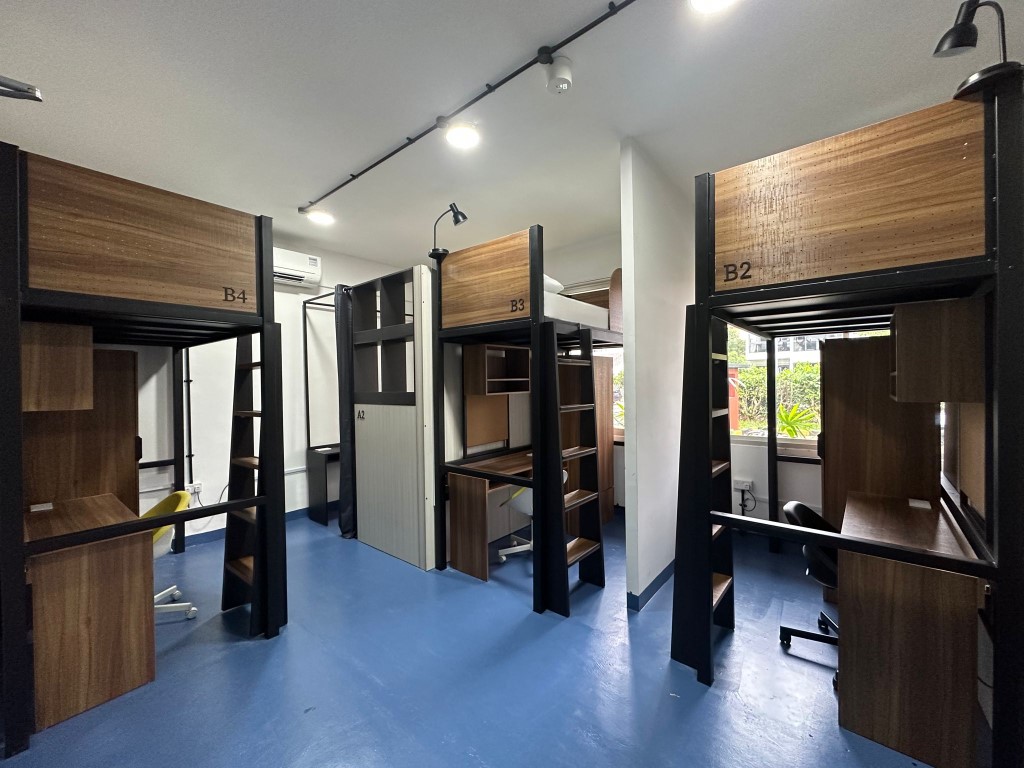
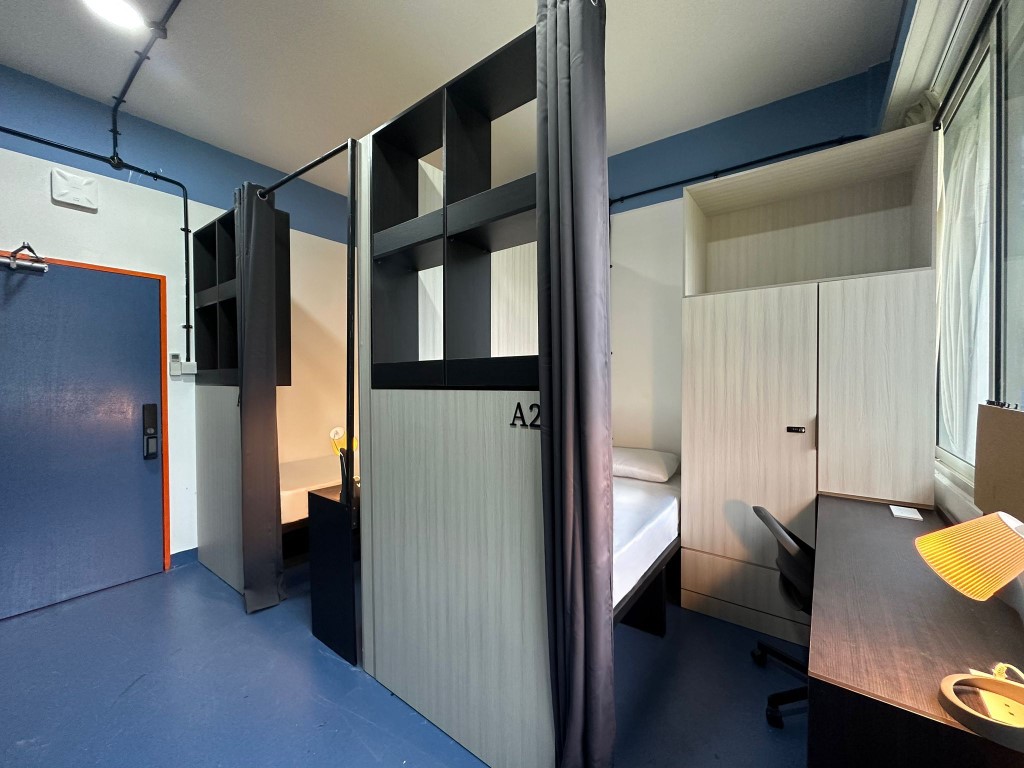
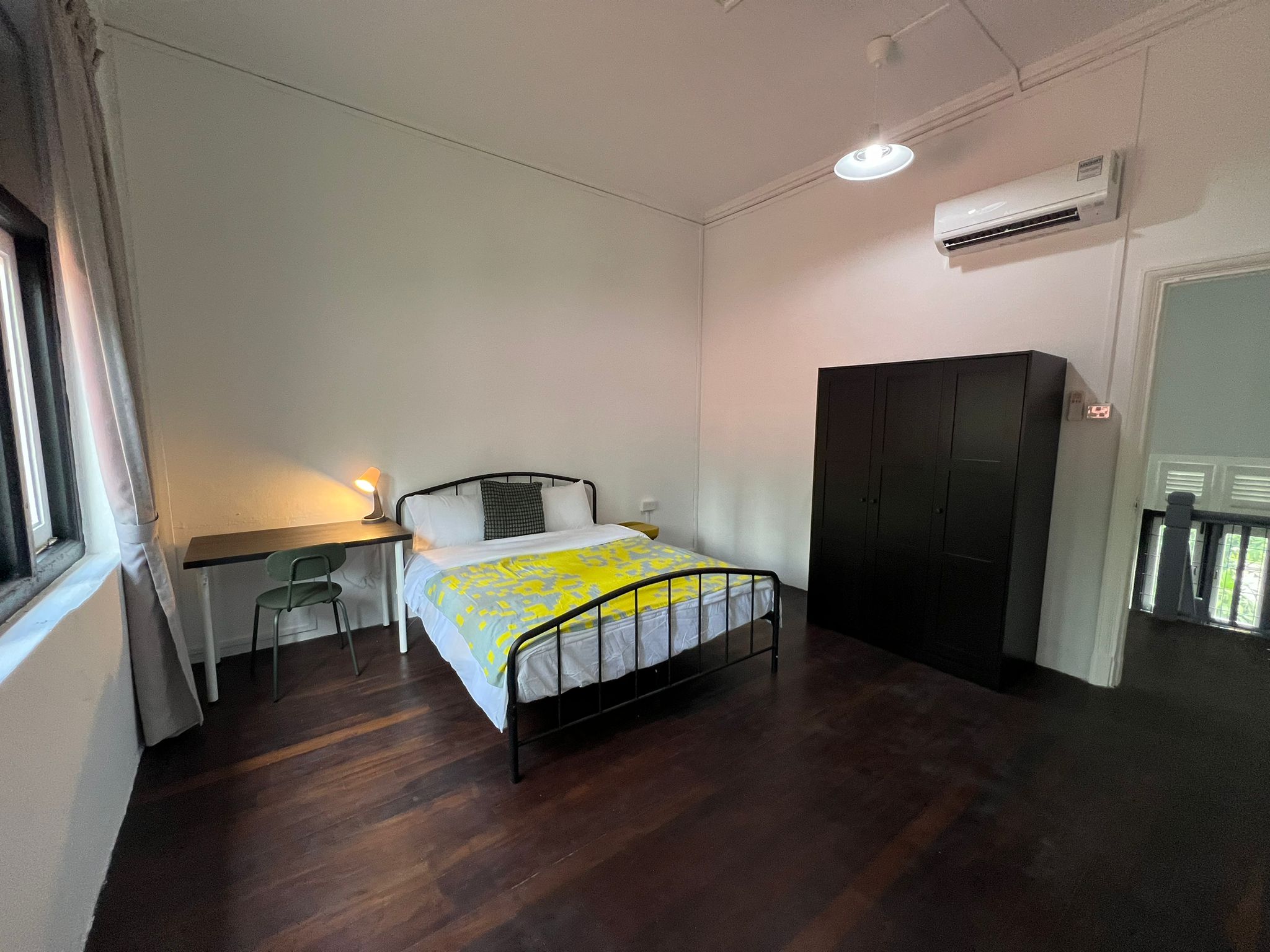
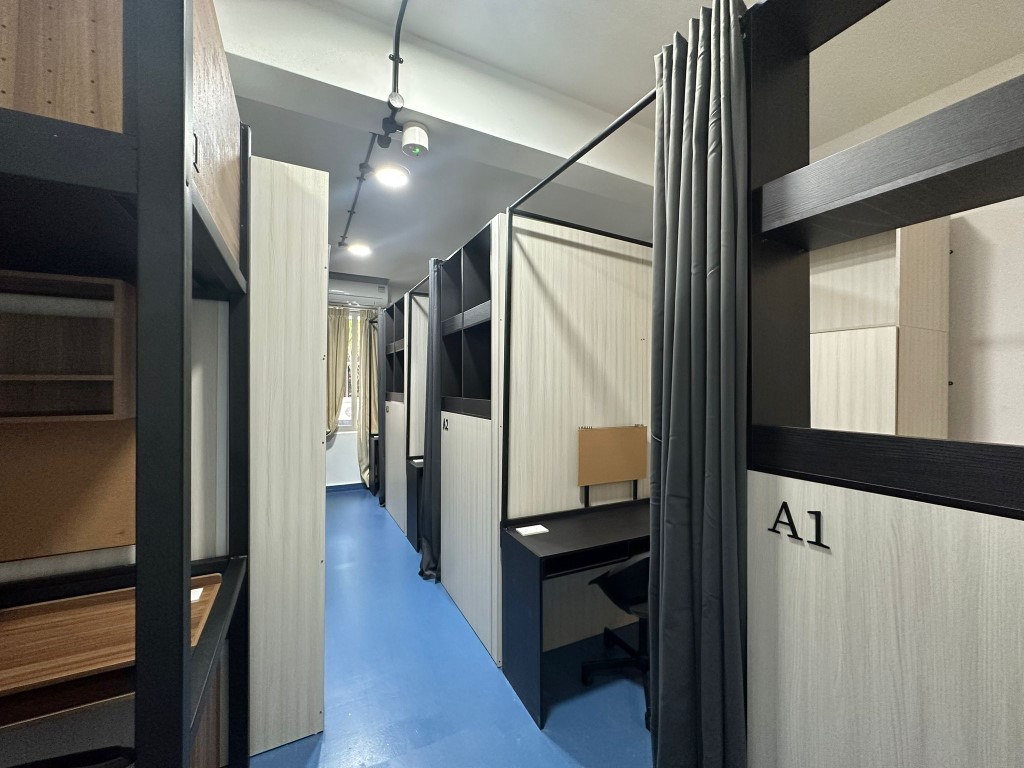
Co-living and serviced rooms
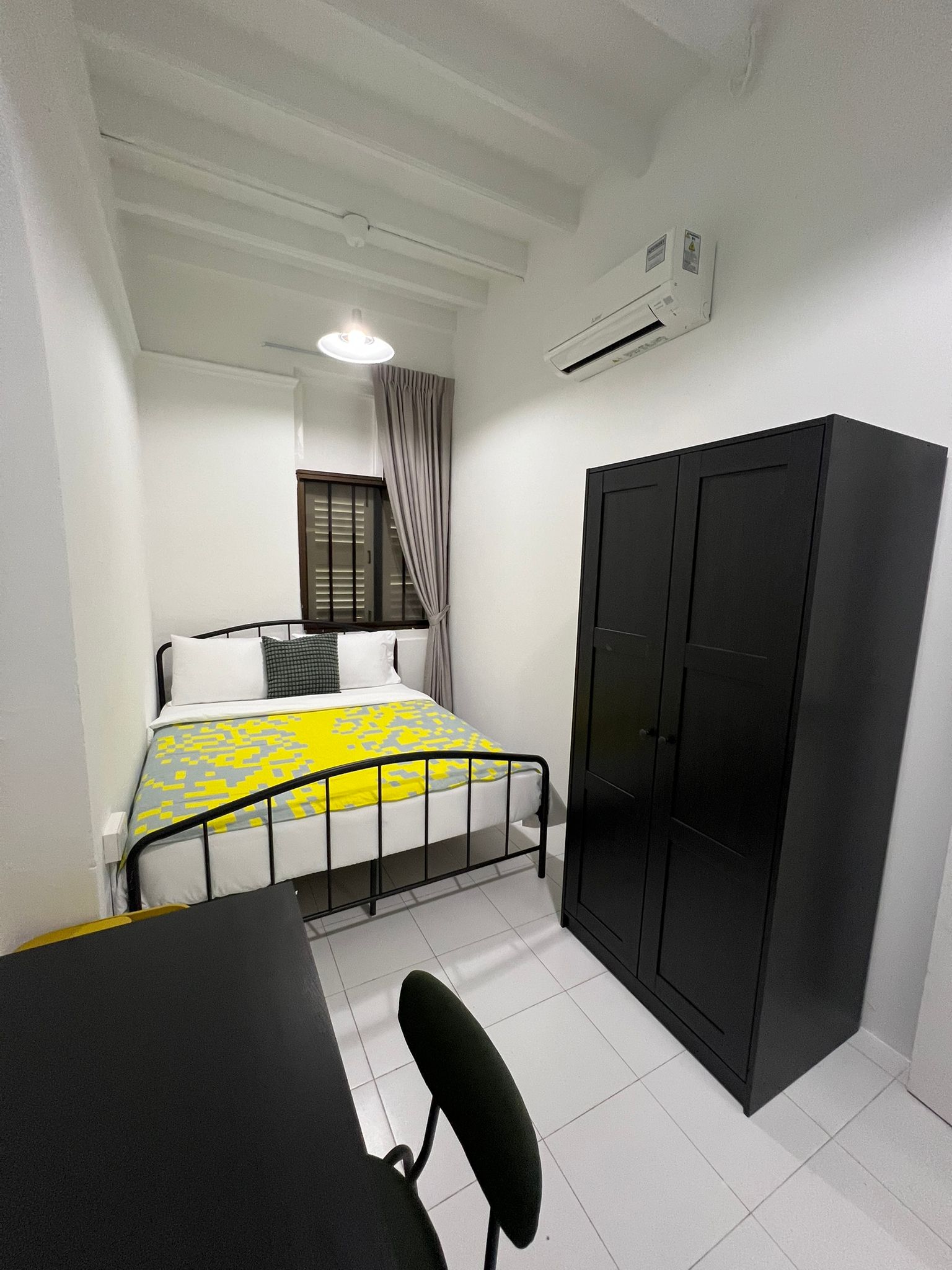
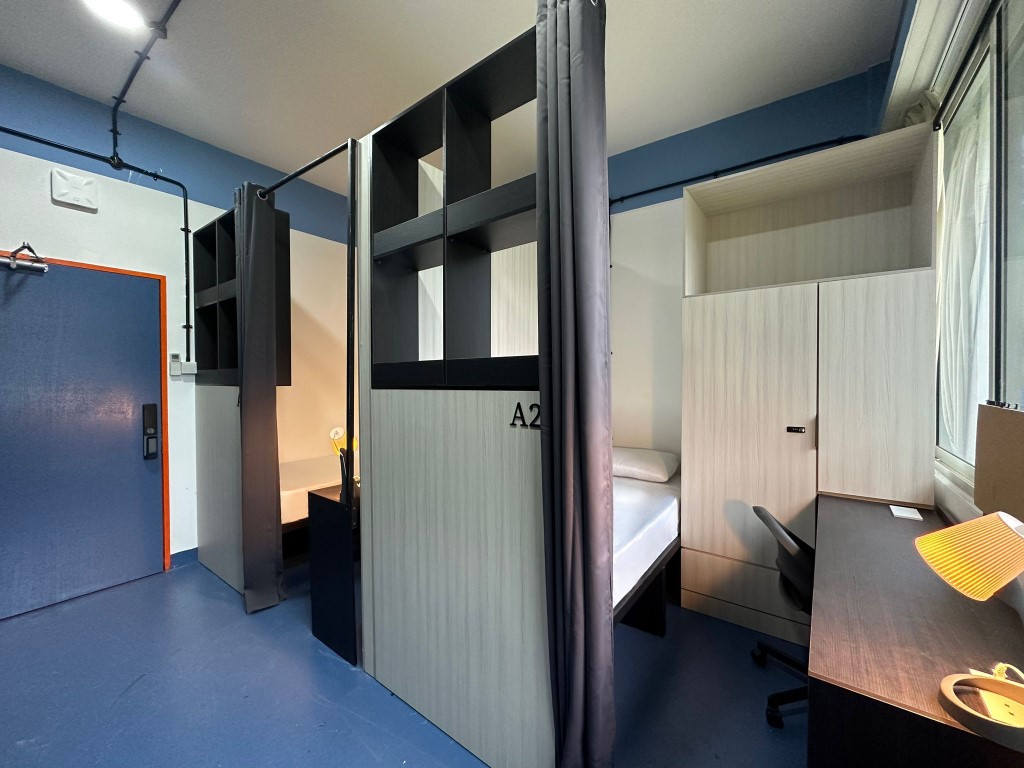
This is often the easiest option for new students arriving in Singapore. Rooms are usually furnished, utilities may be bundled, and leases can be shorter than a standard condo tenancy.
Good fit if you want:
- A furnished room with less setup work
- Flexible lease lengths
- A central location without managing a whole apartment
Shared condo rooms
A shared condo room can be a strong value choice if you are willing to share common spaces and sign a longer lease.
Good fit if you want:
- Lower monthly rent than a studio
- A kitchen and laundry access
- A more residential setup
Studios
Studios are the most private option, but in central Singapore they move into premium pricing quickly.
Good fit if you want:
- Full privacy
- Predictable routine
- No dependence on flatmates
Typical monthly costs
Central Singapore is expensive, so the realistic budget has to reflect both rent and daily living costs.
| Category |
Estimated monthly cost (SGD) |
| Shared room in central areas |
1,000 to 1,600 |
| Private studio in central areas |
2,200 to 3,500+ |
| Shared room in outer-central areas |
750 to 1,200 |
| Private studio in outer-central areas |
1,600 to 2,700 |
| Food |
280 to 550 |
| Local transport |
0 to 120 |
| Miscellaneous spending |
120 to 250 |
The biggest savings usually come from choosing a room instead of a studio and living near an MRT line rather than paying for the Orchard core.
How to choose the right area
If you want the shortest commute
Choose Orchard, Somerset, or Dhoby Ghaut. You will pay more, but you can often walk to class or use one MRT stop instead of a longer transfer.
If you want the best balance
Choose River Valley, Novena, or Little India. These areas still connect well to the campus and usually give you more housing variety.
If you want the lowest practical rent
Choose Queenstown, Tiong Bahru, or Redhill and stay on a direct or near-direct MRT route. The commute is longer, but the total monthly cost can be easier to manage.
Booking timeline
3 to 6 months before intake
- Set your total monthly budget.
- Decide whether you want a room, co-living unit, or studio.
- Shortlist areas by MRT access first, not just by price.
6 to 10 weeks before arrival
- Start contacting landlords or accommodation providers.
- Ask for the full monthly amount, including utilities, cleaning, internet, and GST if applicable.
- Confirm the exact address and walking time to the nearest MRT station.
2 to 4 weeks before move-in
- Review the tenancy agreement carefully.
- Check deposit, notice period, maintenance responsibilities, and house rules.
- Verify that the unit is legal for long-term residential use.
After arrival
- Do a move-in inspection.
- Photograph any existing damage.
- Keep copies of payment receipts and the signed agreement.
Safety and scam checks
Singapore has a strong rental market, but students should still check the basics before paying anything.
- Never transfer money without a written agreement and verified landlord details.
- Make sure the listing matches the real address and unit type.
- Be cautious if the rent is much lower than similar central listings.
- Confirm whether utilities, cleaning, and internet are included.
- Check that the property is meant for long-term stay. URA says residential properties cannot be used for short-term accommodation under three consecutive months.
International student basics
If you are coming from abroad, the main thing to sort early is immigration status.
- Full-time foreign students usually need a Student’s Pass.
- ICA says you should apply online about 2 to 3 months before course start.
- You will need school registration details, passport information, and a Singapore contact address.
For housing, that usually means you should have a realistic short-list before arrival so you are not trying to secure a room at the last minute.
Tenancy checklist
Before you sign, check the following:
- Monthly rent and what is included
- Deposit amount and refund conditions
- Lease length and notice period
- Repairs and maintenance responsibilities
- Guest policy and house rules
- Air-conditioning usage and utility caps
- Inventory list for furniture and appliances
- Whether the unit is shared or fully private
What to pack
If you are moving into a furnished room, pack light.
- Passport and student documents
- A universal adapter and charging cables
- Lightweight bedding if the room does not include it
- Basic cooking items if the kitchen is shared
- A small fan or laundry bag if you prefer extra convenience
You usually do not need to bring bulky furniture. In central Singapore, most student-ready rooms are already fitted out.
Accessibility and special requirements
If you need step-free access, quieter surroundings, or a private bathroom, ask early. Central Singapore has many buildings with lifts and modern facilities, but not every room matches every requirement.
- Ask about lift access before you book.
- Confirm bathroom setup if privacy matters.
- Check if the unit has a suitable study desk and enough natural light.
- If mobility is a concern, prioritise MRT proximity and fewer transfers.
Final advice
For Amity Global Institute Singapore, the housing decision is mostly a trade-off between Orchard convenience and monthly rent. If you can afford central living, staying near Somerset or Dhoby Ghaut makes daily life simple. If you need better value, move one or two MRT stops out and focus on transport efficiency rather than the cheapest headline rent.