University of Florence at a glance
The University of Florence is spread across the city, so where you live matters just as much as what you study. Some courses are based in the historic centre, while others cluster around Novoli, Rifredi and the wider metropolitan campuses. That means the smartest housing choice is usually the one that keeps your daily commute short and simple.
Florence is beautiful, but it is also one of Italy's tighter student rental markets. If you want the best value, start early, compare neighbourhoods carefully and focus on transport links first.
Best areas for students
| Area |
Best for |
Typical commute |
Why students choose it |
| Novoli |
Economics, law, political science and students who want modern housing |
0 to 15 minutes |
Closest to the main social sciences campus and one of the most practical areas for newer flats and PBSA-style living |
| Santa Maria Novella |
Students who want rail access and easy citywide transport |
10 to 20 minutes |
Strong tram and station access, good for commuters, international arrivals and students who travel often |
| San Marco and Duomo |
Humanities and students who want a central Florence lifestyle |
0 to 15 minutes on foot |
Walkable to historic university buildings, cafes and libraries, but usually expensive and competitive |
| Rifredi and Careggi |
Medicine, science and students who want a calmer residential base |
10 to 20 minutes |
Good for hospital-linked study, more residential stock and easier access to larger apartments |
| Campo di Marte and Coverciano |
Students who want a quieter area with decent transport |
20 to 30 minutes |
Often better value than the centre, with bus and rail connections and more space |
| Oltrarno and Porta Romana |
Students who want a central but more residential feel |
15 to 25 minutes |
Popular with students who want a local neighbourhood atmosphere without living in the busiest tourist streets |
If you are studying across multiple campuses, living near a tram or station is usually more useful than trying to be next to every department at once.
Accommodation types and what they cost
| Type |
Typical monthly range |
Best for |
Watch out for |
| DSU or subsidised residence |
Lowest-cost option if you qualify |
Students who can secure a competition-based place |
Availability is limited and usually priority-based |
| Shared room in a flat |
EUR 450 to 750 |
Budget-conscious students who want the lowest private-market cost |
Bills, deposit rules and room size vary a lot |
| Private room in a shared flat |
EUR 550 to 850 |
Students who want more privacy than a shared room without paying for a studio |
Older buildings may have stairs, small kitchens or limited storage |
| Studio |
EUR 750 to 1,300 |
Students who want independence |
Central studios are expensive and can disappear fast |
| One-bedroom flat |
EUR 950 to 1,500 |
Postgraduates, couples and students with a higher budget |
Agency fees and utilities can push the real cost higher |
Florence pricing changes quickly by neighbourhood. A small studio in the centre can be far more expensive than a larger room in Novoli or Rifredi, so compare the full monthly cost, not just the headline rent.
PBSA and university residences
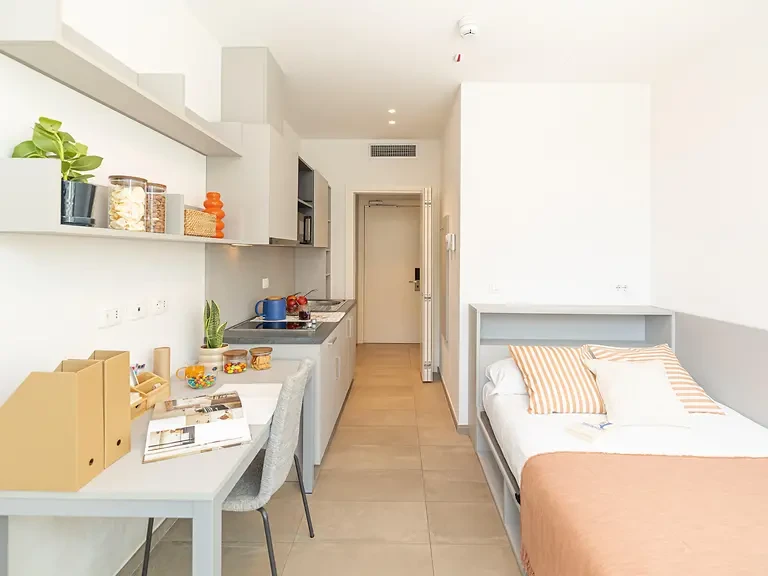
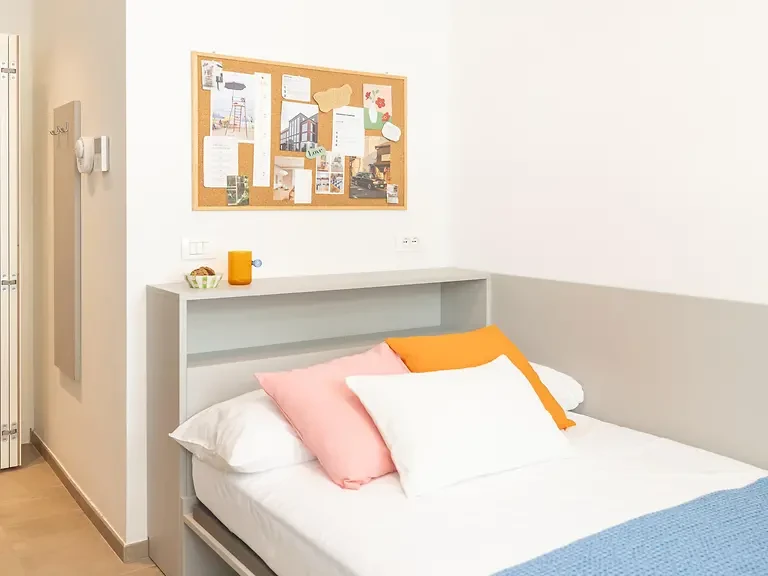
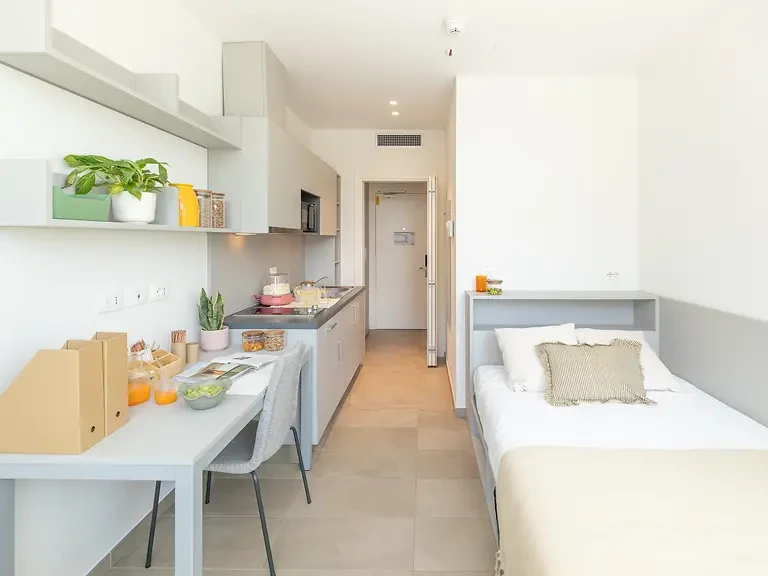
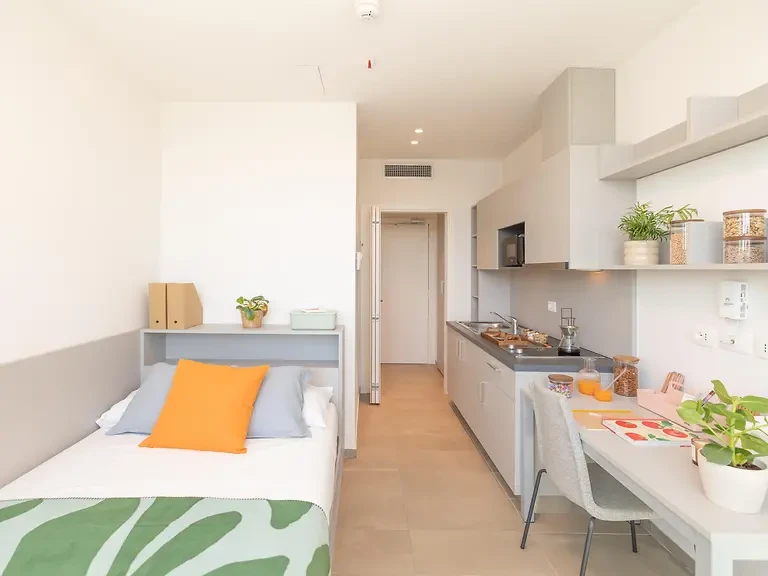
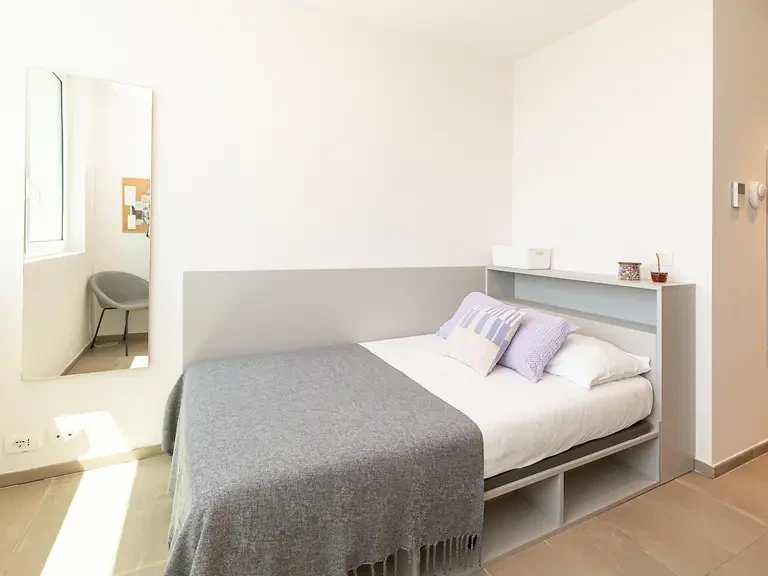
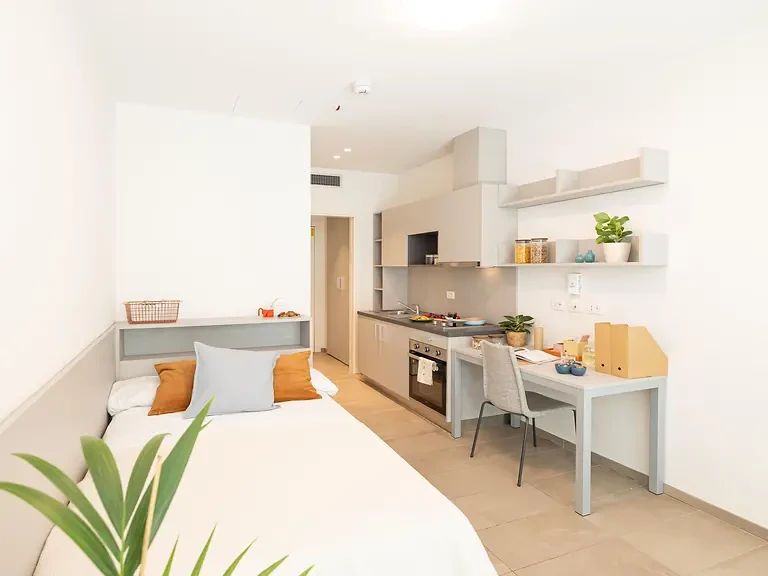
Purpose-built student accommodation can work well in Florence, especially if you want a predictable contract, furnished room and simpler move-in. The main advantage is convenience: you know what you are paying for, and you usually get utilities, Wi-Fi and student-friendly support bundled in.
University and DSU-managed residences are the cheapest route when you qualify, but they are competitive. The University of Florence says the accommodation notice is usually published in July, so do not wait until the last minute if you are hoping for a subsidised place.
Private PBSA and modern student residences are often the better fit if you want:
- A furnished room from day one
- A clearer all-in monthly cost
- Better access to services like cleaning, security or maintenance
- A simple contract if you are arriving from abroad
How to choose the right neighbourhood
For most students, the right area depends on campus location and daily habits.
- Choose Novoli if your course is based at the social sciences campus and you want modern, practical housing.
- Choose Santa Maria Novella if you want the best transport interchange and easy arrival by train.
- Choose San Marco or the Duomo area only if you are willing to pay more for a central lifestyle.
- Choose Rifredi or Careggi if your timetable is linked to medicine, science or hospital sites.
- Choose Oltrarno or Porta Romana if you want a more residential area with a strong local feel.
Florence is compact enough that many students can live in one district and reach class easily, but once you are carrying books, groceries and winter layers, those extra 15 minutes matter.
Transport and daily life
Florence is very manageable without a car. The University of Florence notes that its campuses are spread across the city and are easy to reach by public transport, and students can access discounted local transport through the university's agreement with the regional operator.
Autolinee Toscane currently sells Florence urban tickets that are valid for 90 minutes, and the network covers the tram, buses and key city connections. That makes it worth living near a tram stop, a station or a direct bus corridor if you are not within walking distance of campus.
Use this rule of thumb:
- Walk if you are in the historic centre and your classes are nearby
- Use tram or bus if you are choosing value over absolute centrality
- Avoid relying on a car, because parking is limited and traffic is not student-friendly
Booking timeline
The Florence market tightens fast for September arrivals, so plan early.
- February to April: shortlist neighbourhoods, set your budget and prepare documents.
- May to June: start viewing, especially if you want a private room or studio.
- July: watch for DSU residence notices and scholarship or housing updates.
- August: move quickly on any good private options because the best listings get taken first.
- September: only expect the leftovers if you are starting late.
If you are aiming for a central studio, start even earlier. Florence listings in the centre can be expensive and competitive, and the best-value rooms rarely stay open for long.
Documents and tenancy basics
Before you sign anything, make sure you have the essentials ready:
- Passport or ID
- University enrolment proof
- Codice fiscale
- Visa or residence permit documents if you are an international student
- Guarantor or income evidence if the landlord asks for it
Read the contract carefully and check:
- Whether bills are included
- The size of the deposit
- The notice period
- Whether the room is furnished
- Whether the kitchen, laundry and heating are shared or private
If something is not written down, do not assume it is included.
Scam checks
Florence has a busy student market, which means rushed decisions can be costly. Be careful if a landlord asks for money before sharing the contract, refuses to show the room or will not verify their identity.
Good habits include:
- Asking for recent photos or a video tour
- Confirming the full monthly cost in writing
- Checking the address and the transport link
- Making sure the deposit terms are clear before paying
What to pack
Most student places in Florence are partly furnished, but not always fully equipped.
Bring or budget for:
- Bedding and towels
- Kitchen basics
- A lamp if the room lighting is weak
- Extension leads and adapters
- Storage boxes or organisers
- Any specialist items you need for study or accessibility
Usually provided:
- Bed and mattress
- Wardrobe or storage
- Desk and chair
- Basic kitchen furniture in shared flats or residences
Accessibility and special requirements
Florence has many older buildings, especially in the centre, so accessibility varies a lot. If you need step-free access, a lift, a lower floor or an adapted bathroom, ask before you reserve.
For students with specific needs, the most practical approach is to shortlist newer buildings or student residences first, then confirm the exact room features in writing.