Politecnico di Milano accommodation at a glance
Politecnico di Milano is split across Milan's main teaching areas, with Leonardo in Citta Studi and Bovisa in the north-west. That means the best housing choice depends on where your classes are, how often you use public transport, and how much you want to spend.
For most students, the smartest options are:
- Polimi residences when you want a university-backed room and a simpler start in the city.
- PBSA and student-focused private residences when you want predictable bills and a smoother booking process.
- Shared flats when you want the best balance between cost, independence, and location.
Milan is a strong student city, but it is also a competitive housing market. If you are coming for a September 2026 intake, you should start looking early and avoid leaving the search until the last minute.
Where the main campuses are
| Campus |
Area |
What it means for housing |
| Leonardo |
Citta Studi |
Best for students who want to live close to class, with plenty of trams, metro, cafes, and student flats nearby. |
| Bovisa |
Bovisa / north-west Milan |
Best for students who want newer student housing, easier value options, and strong rail links into the city. |
Because Polimi is spread across the city, you do not need to live next to the Duomo to have a good commute. A room near the right metro or railway line is usually more useful than paying extra for a central postcode.
Best areas to live near Polimi
| Area |
Best for |
Typical student feel |
Practical notes |
| Citta Studi |
Leonardo Campus |
Classic student district |
Good for walking or short tram rides to campus, but demand is high. |
| Lambrate |
Leonardo Campus |
Lively and well connected |
Strong rail and metro links, often better value than the immediate campus core. |
| Piola |
Leonardo Campus |
Very student-oriented |
Close to campus and popular with first-year students, so rooms can go fast. |
| Porta Venezia |
Leonardo Campus |
Central, social, higher cost |
Good if you want nightlife and city access more than cheapest rent. |
| Bovisa |
Bovisa Campus |
Practical and campus-led |
Often the most convenient choice for engineering and design students in Bovisa. |
| Dergano |
Bovisa Campus |
Residential and good value |
A sensible balance of price, transport, and local services. |
| Lancetti / Maciachini |
Bovisa Campus |
Urban and connected |
Useful for quick links into the rest of Milan and for shared flats. |
| Affori |
Bovisa Campus |
Cheaper, more residential |
Good if you want a lower budget and do not mind a slightly longer commute. |
If you want the shortest commute, live by the campus you will use most often. If your timetable is split, choose a place with an easy connection between the Leonardo and Bovisa sides of the city.
Accommodation types students usually choose
1. Polimi residences
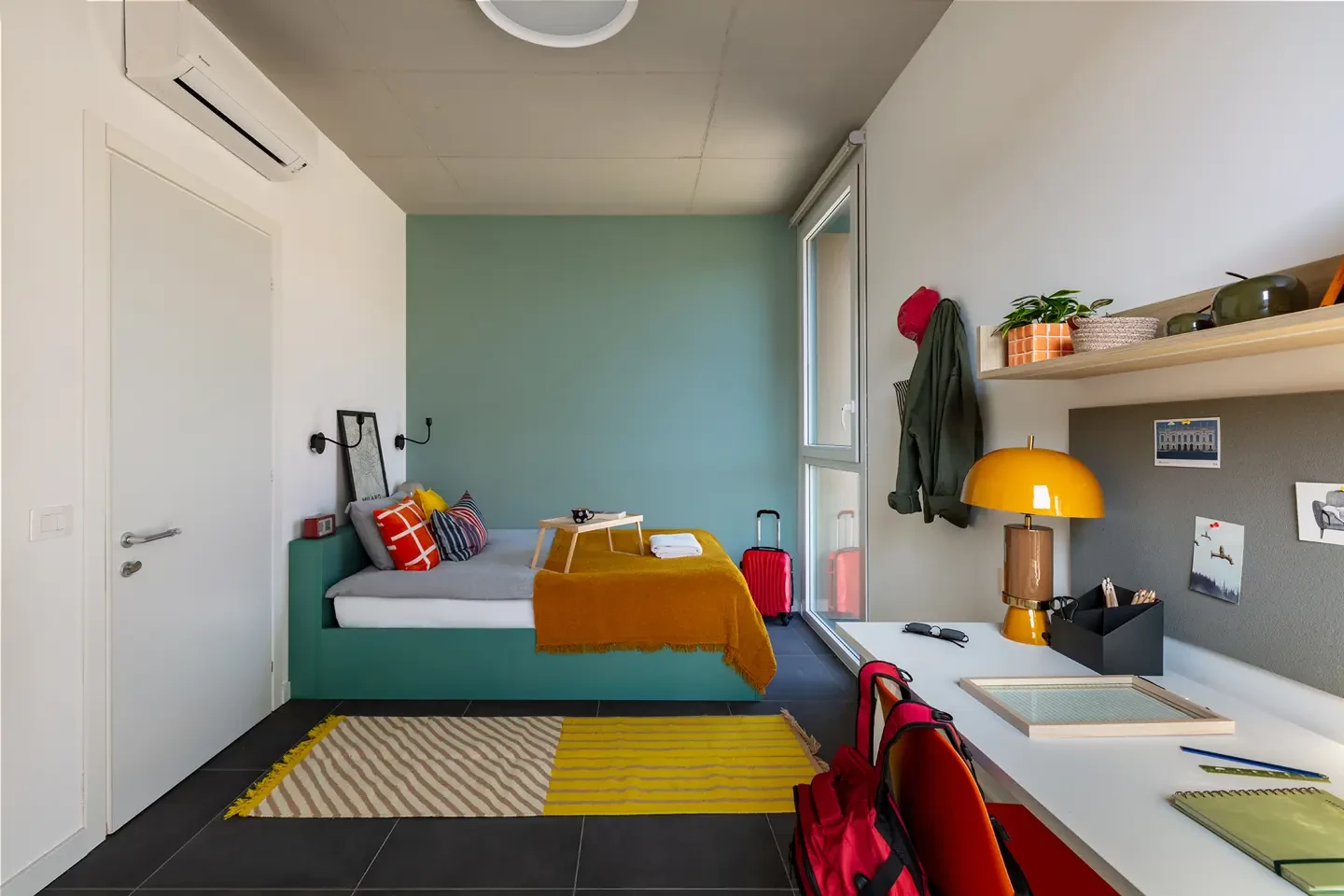
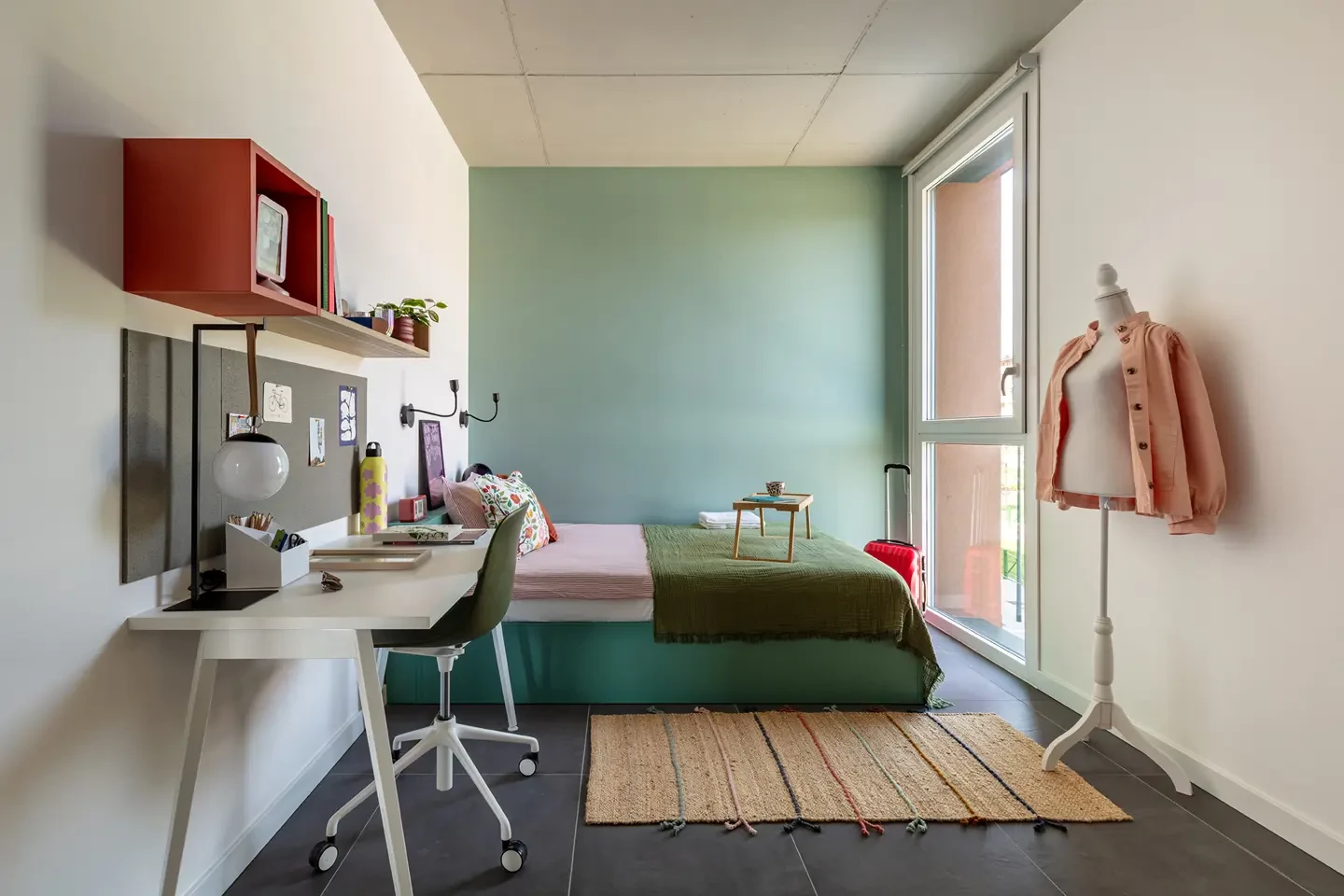
Politecnico di Milano offers university residence options in Milan, and these are worth checking first if you want a formal and student-focused setup. They are usually popular because they simplify the move and keep the housing search more predictable.
What students like:
- A student-only environment.
- Clear housing rules and administration.
- Easier first arrival for international students.
- Locations tied to the university network.
What to watch:
- Places can be limited.
- Room types vary a lot, from single rooms to shared-bathroom setups.
- Some offers are tied to eligibility rules or application windows.
2. PBSA and student residences
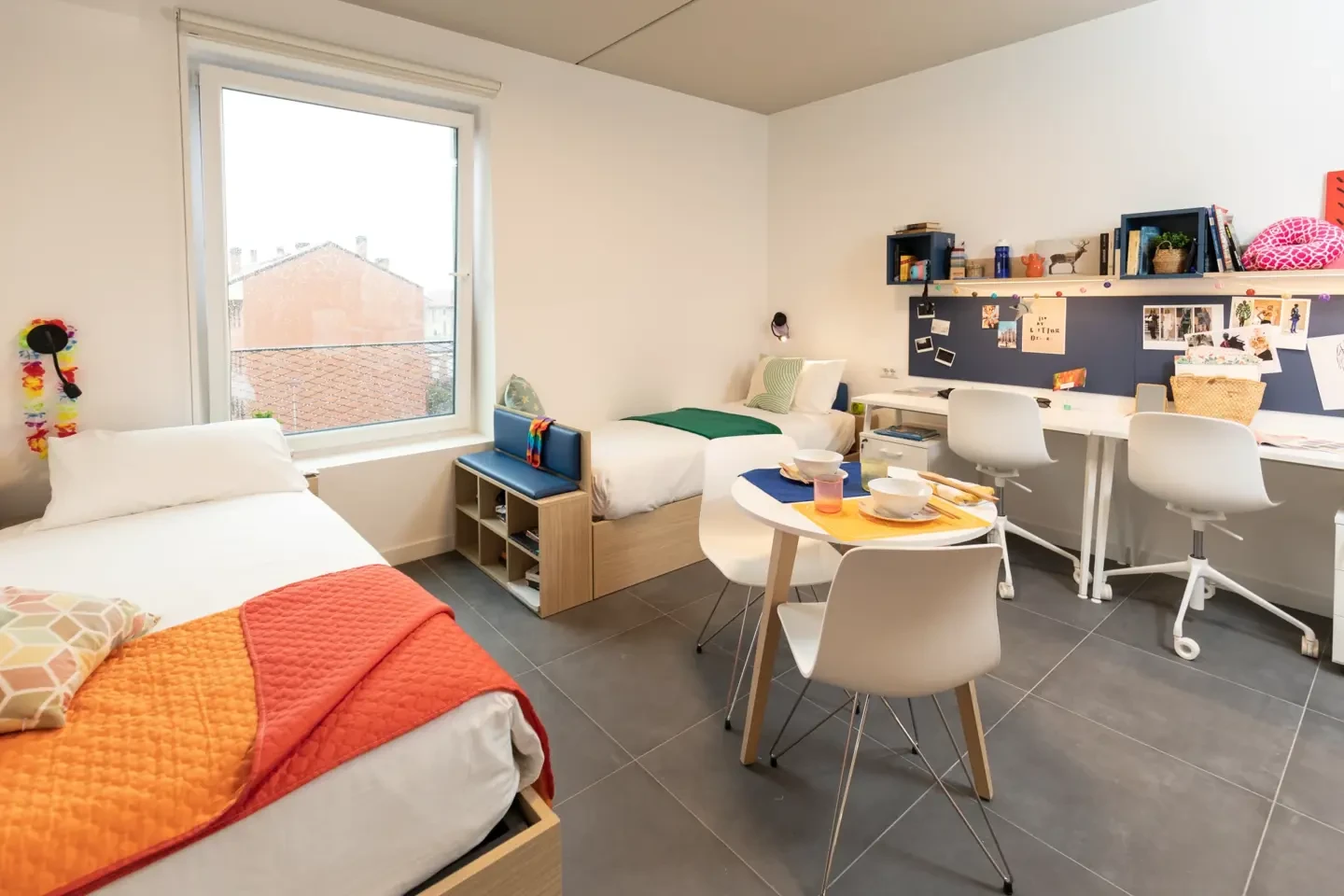
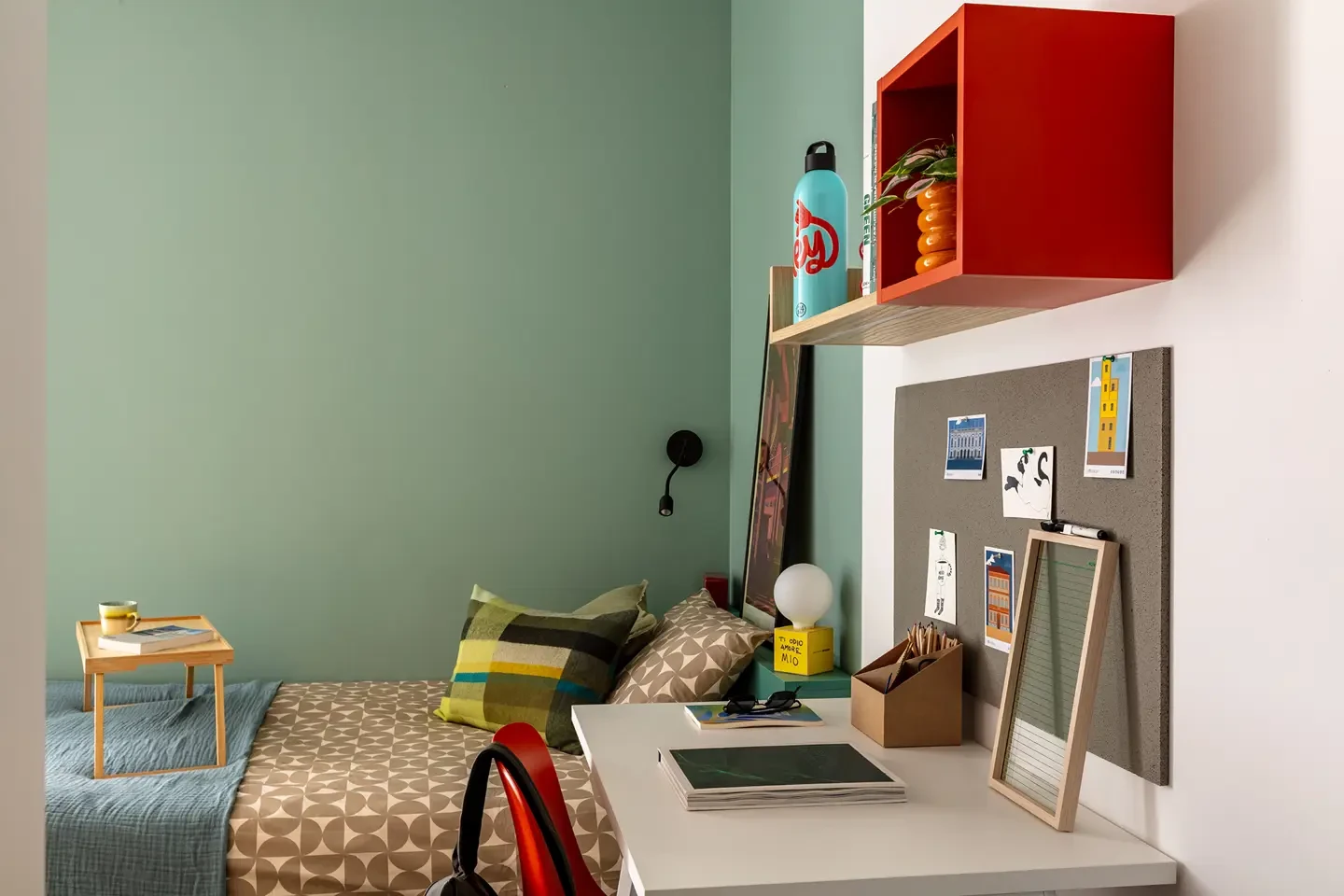
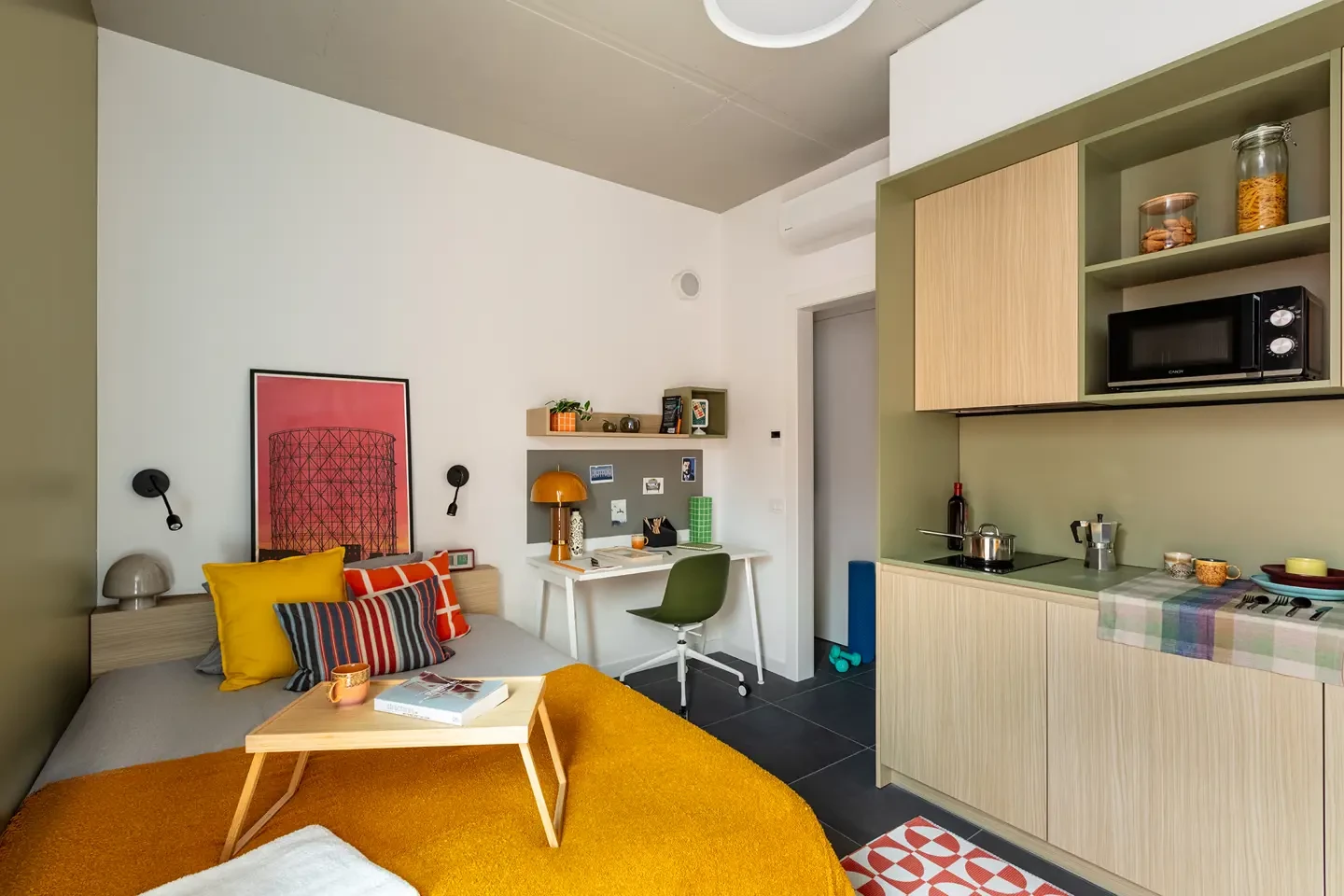
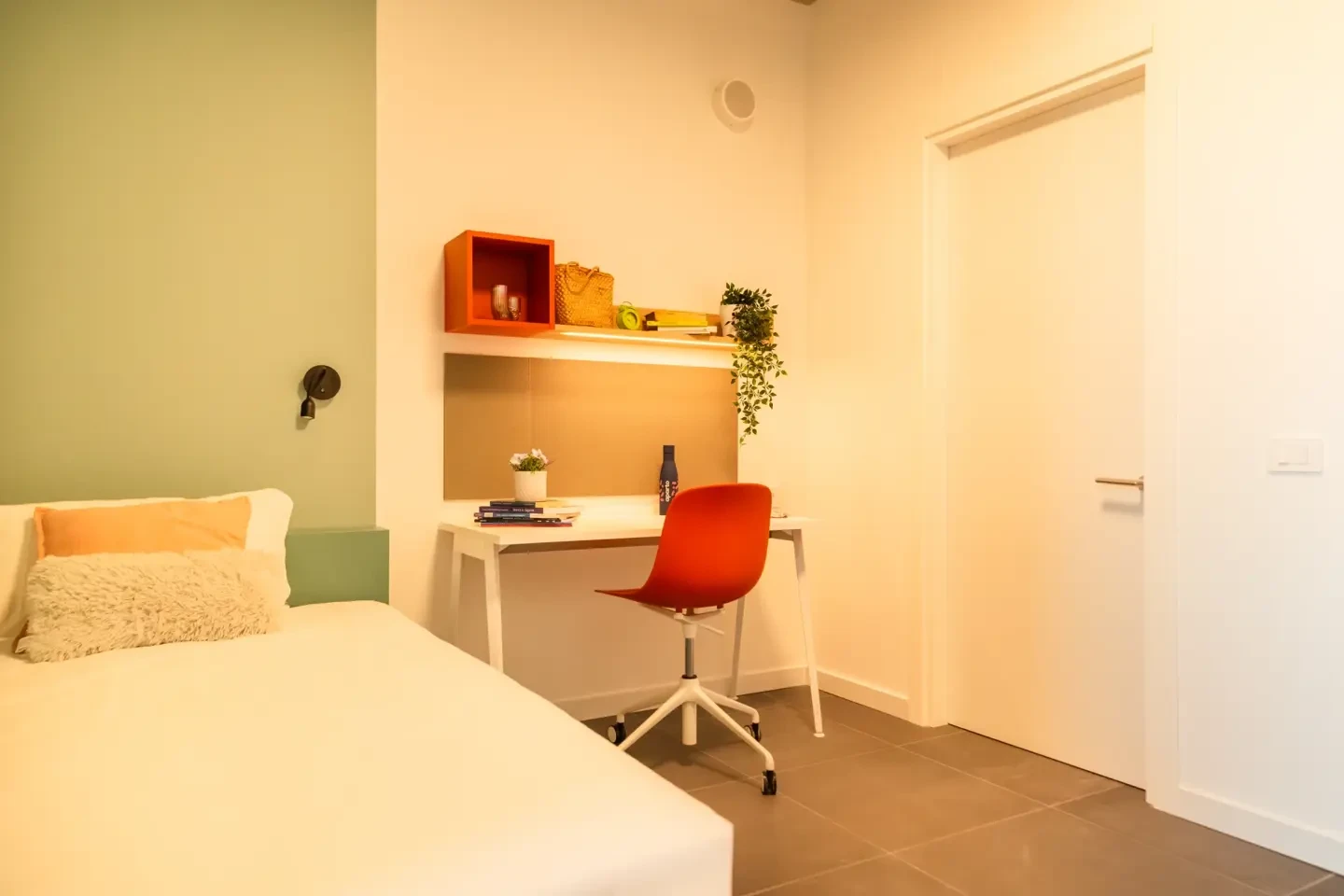
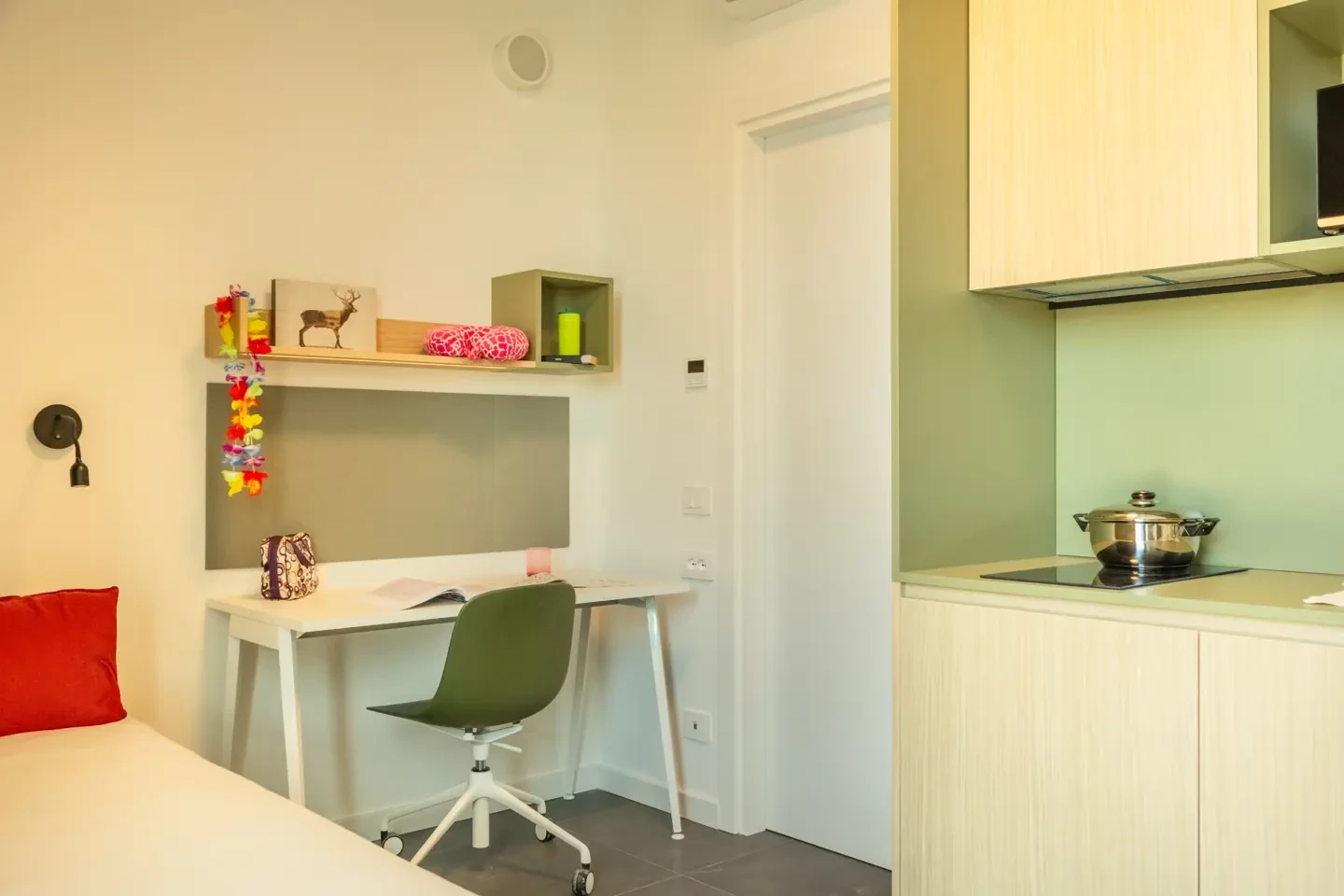
Purpose-built student accommodation is often the best middle ground in Milan. It is usually more expensive than the cheapest flat-share, but it can save time and stress.
Good reasons to choose PBSA:
- Bills are often easier to understand.
- Furniture is usually included.
- Contracts are typically simpler than a private rental.
- Many properties are designed around student life.
3. Shared apartments
Shared flats remain one of the most common choices in Milan. If you want to lower rent and live near a metro stop rather than inside a residence, this is often the best-value route.
Shared flats work well if you are comfortable with:
- Coordinating with flatmates.
- Handling utilities and deposits.
- Sorting your own furniture and basic setup.
4. Studios and one-bed flats
Studios are the most private option, but they also come with the highest monthly cost. They can make sense if you want quiet, need accessibility features, or plan to stay in Milan for a longer period.
What accommodation costs usually look like
Milan is one of Italy's more expensive student markets, especially near the most convenient areas. In general:
- Citta Studi and central areas cost more because demand is high.
- Bovisa and outer residential areas can save money if you are happy to commute.
- PBSA is often a predictable middle option even if the headline rent is not the cheapest.
| Budget level |
Shared room or student residence |
Private studio or one-bed |
| Lower budget |
EUR 700 to 850 per month |
EUR 1,000 to 1,200 per month |
| Mid range |
EUR 850 to 1,050 per month |
EUR 1,200 to 1,500 per month |
| Higher range |
EUR 1,050+ per month |
EUR 1,500+ per month |
Other monthly costs to plan for:
- Groceries and eating out: EUR 220 to 380
- Transport: EUR 30 to 120
- Mobile phone: around EUR 25 to 35
- Entertainment and day-to-day extras: EUR 90 to 120
If you are budgeting tightly, a room in a shared flat outside the very centre is usually the best starting point.
How to get around Milan
Milan's transport network is one of the reasons students can live a little farther from campus without making life difficult. ATM runs the city's buses, trams, and metro network, and its app lets you buy and validate tickets on your phone.
Good transport habits for Polimi students:
- Check whether your flat is on a metro, tram, or rail line that links cleanly to your campus.
- Validate tickets correctly in the ATM app or at the gate.
- If you commute every day, compare single tickets with monthly travel passes.
- Make sure your housing choice works for late lab sessions and winter travel.
For most students:
- Citta Studi is easiest for Leonardo.
- Bovisa, Dergano, and Affori are strong for Bovisa.
- Lambrate and Porta Venezia can work well if you want wider city access.
When to start searching
The housing market in Milan can move quickly, especially for rooms near campus. A sensible timeline is:
- 6 to 9 months before arrival: start research, shortlist neighborhoods, and compare residence options.
- 4 to 6 months before arrival: apply for student residences and contact PBSA providers.
- 2 to 4 months before arrival: secure the contract, pay only through traceable methods, and plan the move-in.
- Final 2 weeks: confirm check-in, transport from the airport or station, and what is already in the room.
If you are waiting for visa steps or final admission documents, keep searching anyway. In Milan, the best rooms usually disappear before the academic year begins.
Safety checks before you book
Student housing scams are common in any big city, and Milan is no exception. Before paying anything, make sure you have:
- A clear contract or booking confirmation.
- The full address and landlord or residence operator details.
- A proper payment trail, not just a screenshot or message thread.
- A room description that matches what was advertised.
- A clear view of what is included in the monthly price.
Red flags include:
- Pressure to pay immediately.
- Refusal to share a real contract.
- Prices far below the local market.
- Requests for cash-only deposits with no paperwork.
If something feels rushed, slow it down. Good housing in Milan is competitive, but bad housing decisions are expensive.
International students and the paperwork side
If you are coming from outside Italy, housing is only one part of the arrival process. You may also need:
- A passport and visa, if required.
- A codice fiscale, which is often needed for contracts and admin.
- A residence permit process after arrival if you are a non-EU student.
For accommodation specifically, keep these points in mind:
- Many landlords and residences ask for identity documents before final confirmation.
- A code fiscal can help with contracts and utilities.
- Student residences are often easier when you are still building your Italian paperwork trail.
The safest approach is to keep your housing search tied to your admission timeline, not to wait until all paperwork is perfect before you start.
Accessibility and room preferences
If you need accessible housing, ask early and ask directly. In Milan, the best rooms for accessibility often get reserved first.
Useful questions to ask:
- Is the building step-free from street to room?
- Is there a lift to the correct floor?
- Does the bathroom have accessible fittings?
- Can the room be set up for medical or mobility needs?
- Is the route to campus realistic in bad weather?
If you need a quieter setup, look for:
- A studio instead of a shared apartment.
- A residence with controlled access.
- A building closer to rail or metro rather than nightlife streets.
What to pack
Bring the basics, but do not overpack. Many rooms in Milan are furnished, especially in residences and PBSA.
Pack:
- Passport, admission documents, and housing paperwork.
- Laptop, charger, adapters, and any specialist study equipment.
- Basic bedding only if your residence does not supply it.
- A small set of kitchen essentials if you are joining a flat.
Leave room in your budget for:
- Deposit and first month's rent.
- Transport pass or arrival fares.
- Household items you will only know you need after move-in.
Bottom line
For Politecnico di Milano, the right housing choice depends on your campus and your budget. Leonardo students usually do best in Citta Studi, Lambrate, or Piola, while Bovisa students should look at Bovisa, Dergano, Lancetti, or Affori. If you want the smoothest start, begin with Polimi residences and PBSA, then widen your search if supply is tight.