Dublin City University at a glance
Dublin City University (DCU) sits in the Glasnevin-Drumcondra area of north Dublin and operates three main academic campuses: Glasnevin, St Patrick's, and All Hallows. DCU is a strong example of a university where accommodation choice matters: campus-linked beds are limited, Dublin is expensive, and the best value options usually go early.
For most students, the practical shortlist is:
- PBSA if you want bills included, security, and a student community
- DCU residence or host family if you are on an eligible programme and want the most campus-linked option
- Shared houses if you want to trade convenience for a lower monthly total
- Private studios or apartments if you want maximum privacy and can absorb Dublin rent levels
Why PBSA is usually the first search
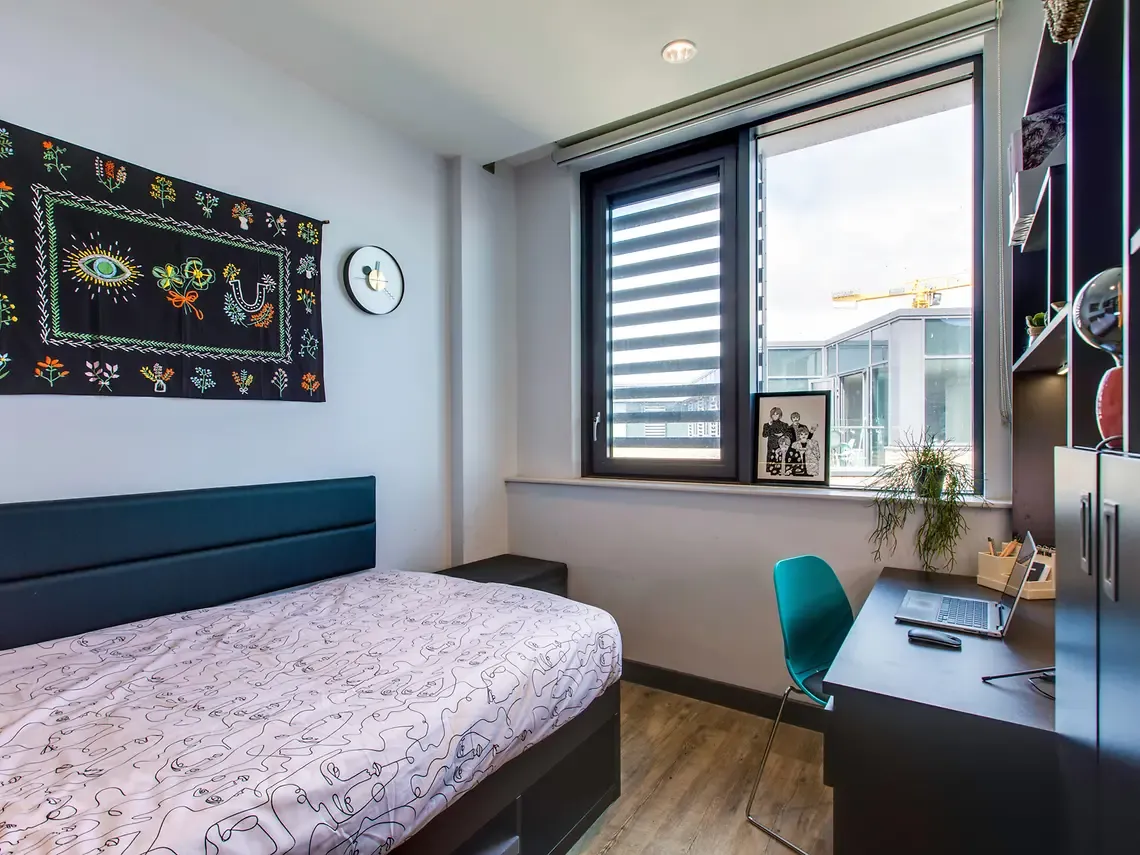
PBSA is often the cleanest option for DCU students because it simplifies the early-stage move:
- One weekly price is easier to budget around
- Furniture, internet, and utilities are usually included
- You get an established student environment
- You can often book without assembling a full house-share group
That does not mean PBSA is cheap. It means the cost is more predictable.
Best areas to live near DCU
The best area depends on whether you value walkability, rent, or a more central Dublin lifestyle.
| Area |
Best for |
Typical feel |
Why students choose it |
| Glasnevin |
Walking to campus |
Residential and practical |
Closest to the main DCU campus and sports facilities |
| Drumcondra |
Bus links and city access |
Busy and convenient |
Strong for St Patrick's and All Hallows, with quick access into the centre |
| Santry |
More space for the money |
Suburban and functional |
Useful north Dublin option if you do not mind a bus commute |
| Whitehall |
Balanced commute |
Residential |
Good compromise between DCU, the airport corridor, and daily amenities |
| Phibsborough |
More city energy |
Livelier |
Handy if you want a more central feel and easy connections |
| Cabra |
Budget-conscious city edge |
Mixed residential |
Often considered by students who want city access without city-centre rents |
| Dublin city centre |
Nightlife and convenience |
Fast-paced |
Best if you want everything on your doorstep and can pay the premium |
Accommodation options
1. DCU residence and host family
DCU has its own accommodation routes, and they are worth checking first if you qualify.
- DCU residence: the official 2026 summer booking window is Sunday 10 May to Saturday 29 August 2026
- DCU residence fee: EUR315 per week plus a EUR110 placement fee
- DCU host family: EUR294 per week plus a EUR110 placement fee
- Host family meals: breakfast and dinner Monday to Friday, and all meals at weekends
- Host family extras: desk, internet, towels, bed linen, and support for dietary or special requirements
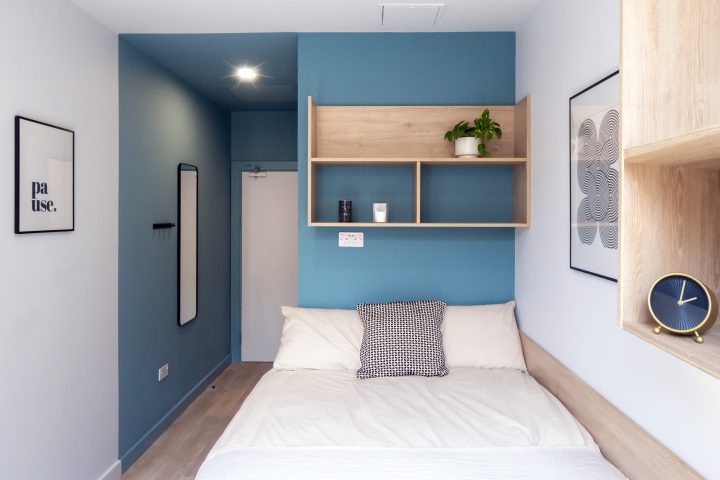
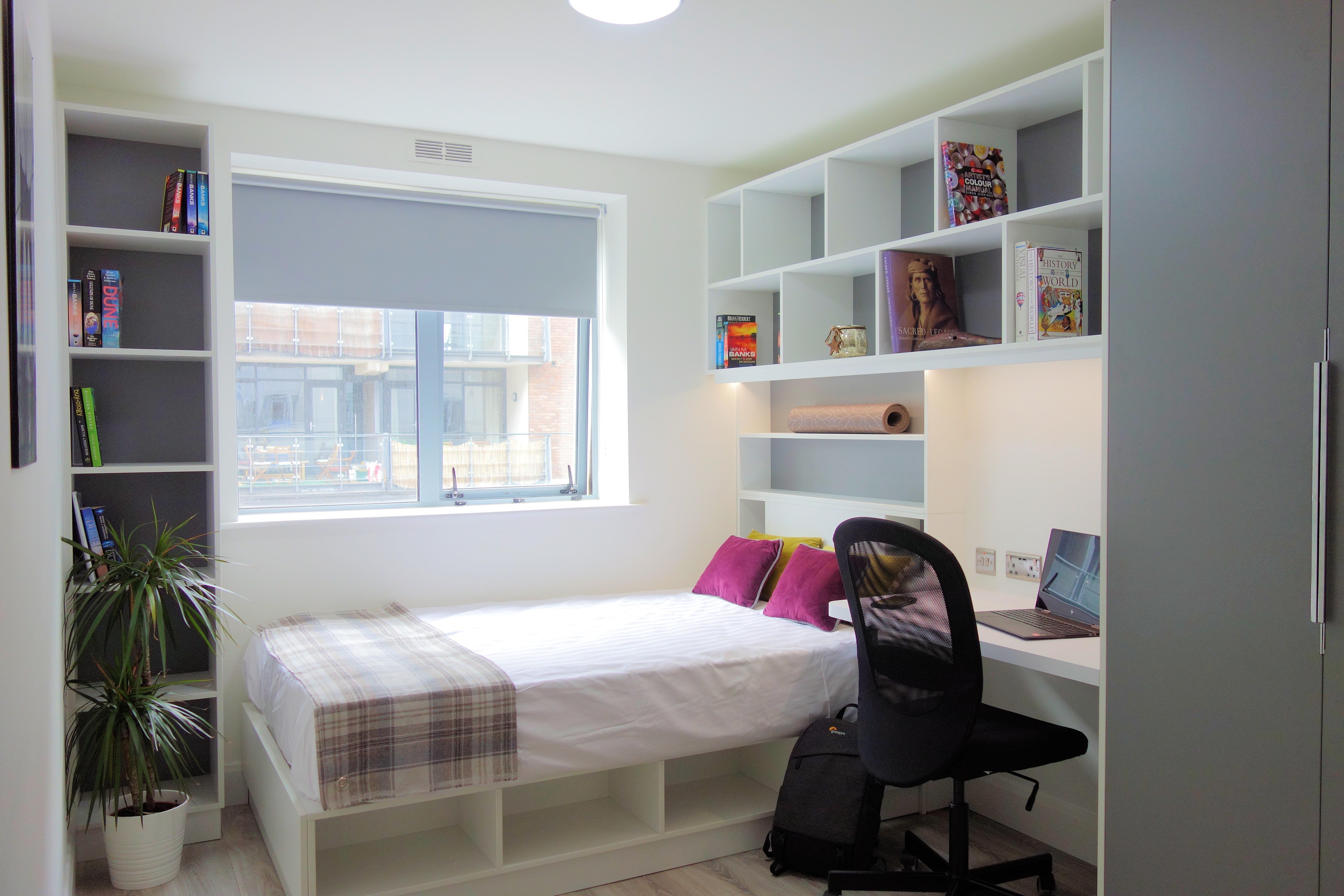
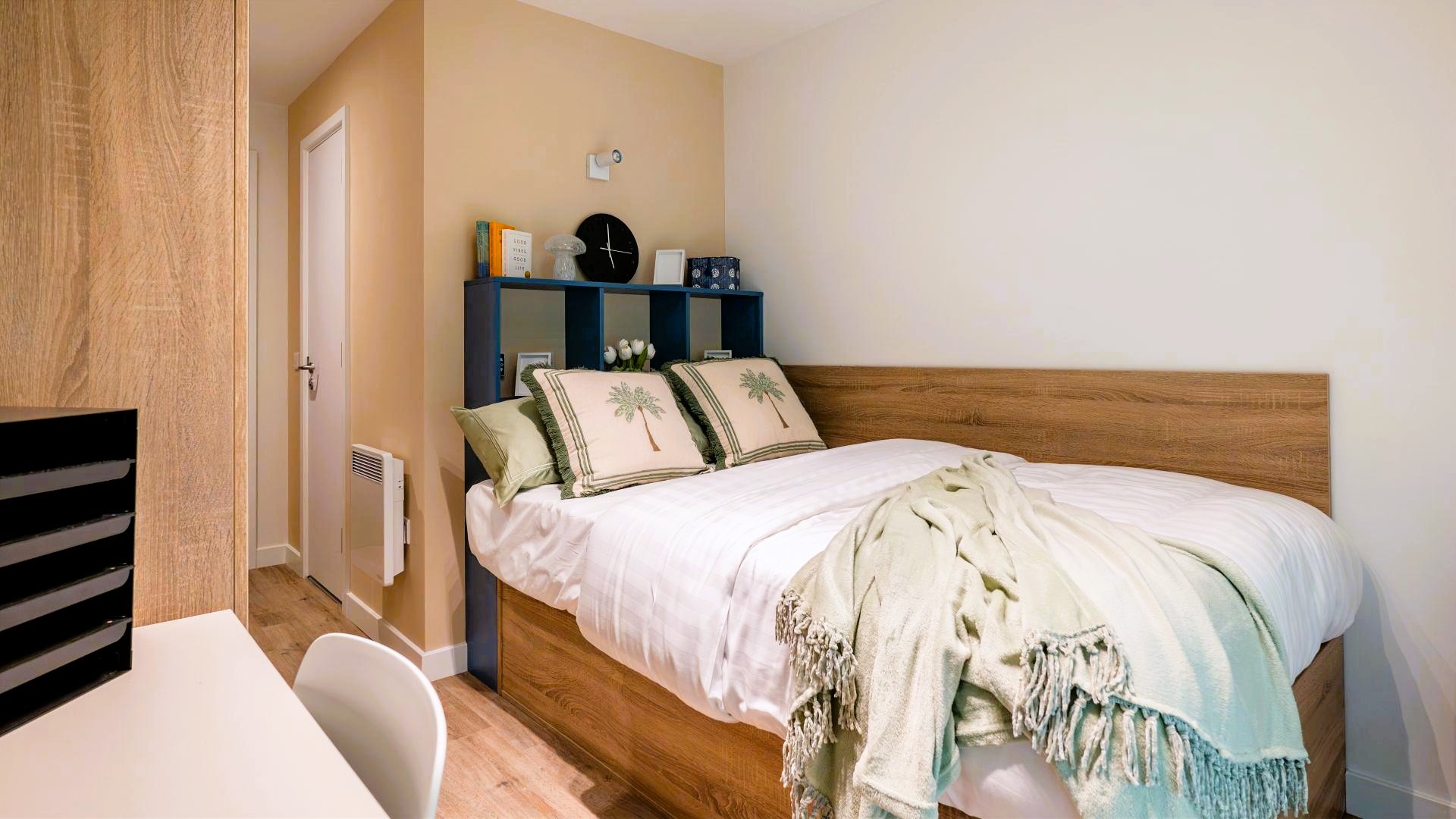
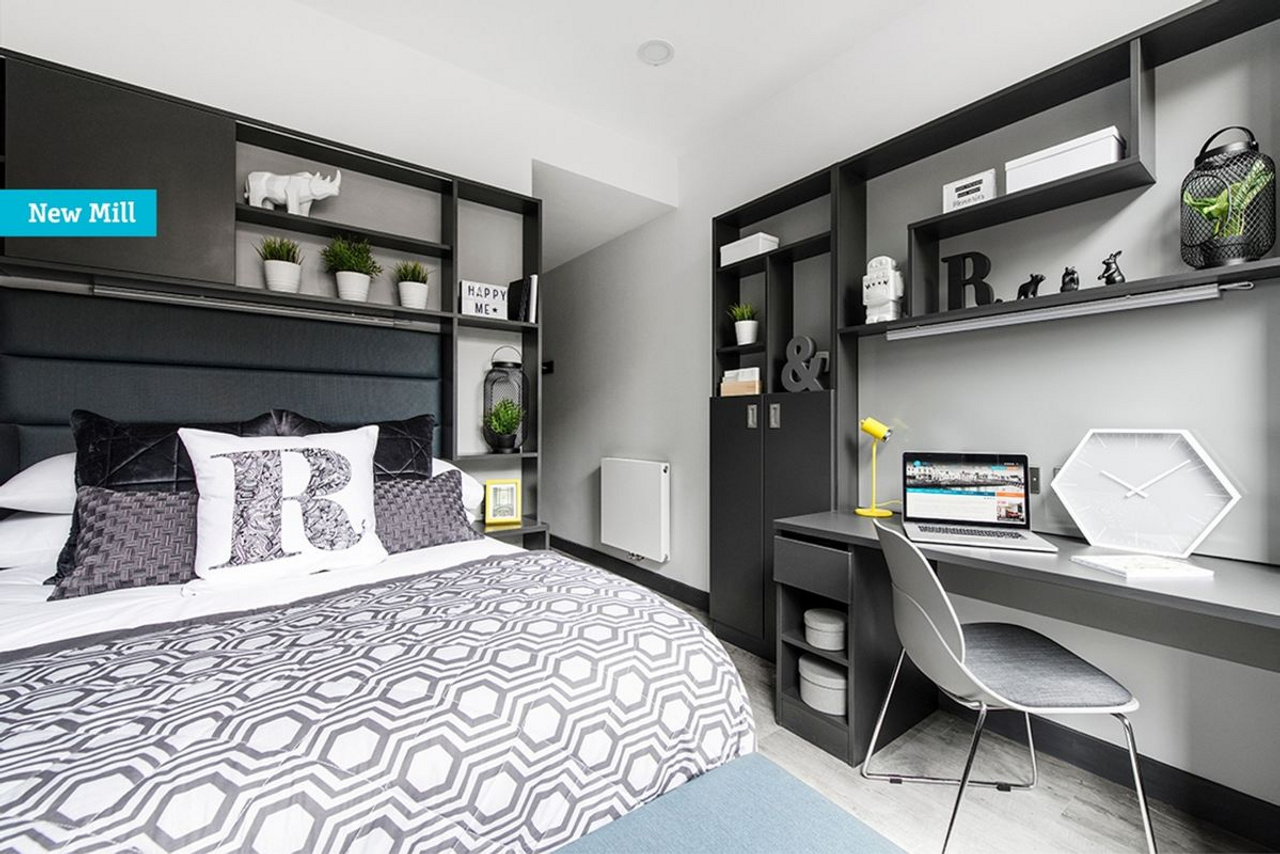
2. PBSA
Current Dublin examples show a useful market band for student residents:
- aparto Binary Hub from EUR291 per week
- Yugo Ardcairn House from EUR309 per week
- Other Dublin PBSA options can move above that when you choose larger rooms or studios
PBSA is especially useful if you want:
- a fixed bill structure
- a furnished room
- on-site support and common areas
- a simple move-in experience
3. Shared houses
Shared housing can work well if you want a more local and flexible Dublin experience.
- Expect shared kitchens, shared bathrooms in some cases, and separate utility arrangements
- Always confirm whether bills are included
- Check how far the room is from a bus corridor rather than relying on map distance alone
- Ask who pays for repairs, internet, and bin charges
4. Private studios and apartments
Private accommodation gives you privacy, but Dublin pushes the price up fast.
- Central studios can sit around EUR1,900 per month or more
- One-bed apartments in central Dublin can exceed EUR2,500 per month
- Private rooms farther out may still be expensive once you add utilities and deposits
What it is likely to cost
These estimates combine DCU guidance, current Dublin accommodation listings, and student public transport fares.
| Category |
Estimated monthly cost |
| Accommodation, city centre, student |
EUR1300 |
| Accommodation, city centre, private |
EUR2100 |
| Accommodation, suburbs, student |
EUR900 |
| Accommodation, suburbs, private |
EUR1500 |
| Food, budget |
EUR320 |
| Food, moderate |
EUR450 |
| Food, premium |
EUR620 |
| Public transport, rarely |
EUR25 |
| Public transport, sometimes |
EUR60 |
| Public transport, often |
EUR118 |
| Taxi, rarely |
EUR50 |
| Taxi, sometimes |
EUR100 |
| Taxi, often |
EUR180 |
| Entertainment |
EUR110 |
| Clothing |
EUR75 |
| Mobile plan |
EUR30 |
DCU's own student guidance puts food and groceries at about EUR320 per month and a transport card at about EUR118 per month. That is a sensible budgeting floor for Dublin.
Transport around DCU
DCU is well connected, especially if you are happy to use buses regularly.
Public transport snapshot
- TFI 90 Minute Fare for students: EUR1.00
- Dublin Bus student Leap fares: EUR0.75 short fare and EUR1.00 long fare
- TFI daily cap for students in Dublin: EUR3.00
- TFI weekly cap for students in Dublin: EUR12.00
How to think about commute quality
- Glasnevin is the easiest if you want the shortest walk or a very short bus ride
- Drumcondra works well for students who want city access without living in the centre
- Phibsborough and Cabra suit people who want a bit more city edge and do not mind a transit-first routine
- Santry and Whitehall can offer better value, but the commute becomes more timetable-driven
Step-by-step booking timeline
6 to 9 months before arrival
- Start looking at PBSA, DCU accommodation, and shared housing
- Decide whether you need en-suite, studio, or shared-bathroom accommodation
- Set a realistic monthly budget before you start booking calls
3 to 6 months before arrival
- Apply for the properties you actually want
- Prepare ID, offer letter, and deposit funds
- Check what is included: bills, Wi-Fi, bedding, laundry, and kitchen equipment
1 to 3 months before arrival
- Lock in your room and keep the confirmation in one place
- Arrange your arrival plan from Dublin Airport or your port of entry
- Keep a backup option ready in case the first choice falls through
In the last 2 weeks
- Re-check the move-in time and payment deadline
- Save the emergency contact for the provider
- Confirm what you need to bring on day one
Scam prevention and safety
Dublin housing pressure can attract bad actors, so stay disciplined.
- Never send a deposit before verifying the provider
- Be suspicious of prices that are far below the market
- Ask for a video tour if you cannot view in person
- Keep screenshots or email records of every payment and promise
- Make sure the address, payment schedule, and cancellation terms are written clearly
International student guide and right to rent note
If you are moving to Dublin from abroad, prepare for normal identity and immigration checks.
- Bring your passport and offer letter
- Keep proof of funds and accommodation confirmation ready
- Check Irish visa or immigration requirements for your nationality
- Bring a Type G power adapter for Ireland
Important note: Ireland does not use the UK's Right to Rent system. Instead, providers usually ask for standard identity, visa, and booking documentation. If you are unsure, check the provider's instructions before you travel.
Tenancy agreement cheat sheet
Before you sign, make sure you know:
- Whether rent is weekly or monthly
- Which bills are included
- The deposit amount and refund rules
- The notice period
- The minimum stay
- Guest rules
- What happens if you need to leave early
What to pack vs what is usually provided
| Bring with you |
Usually provided |
| Passport and travel documents |
Bed, mattress, and furniture in PBSA or residence |
| Offer letter and booking confirmation |
Desk and chair |
| Power adapter for Ireland |
Wi-Fi |
| Bedding if not listed as included |
Kitchen basics in many student residences |
| Towels if not listed as included |
Basic appliances in shared kitchens |
| Medication and copies of prescriptions |
Laundry room access in many PBSA buildings |
Accessibility and special requirements
If you need accessible housing, ask early and be precise.
- Ask about lift access and step-free entry
- Confirm the bathroom layout before booking
- Check whether the kitchen, bedroom, and bathroom are on the same floor
- Tell the provider about mobility, dietary, or medical needs before you commit
Bottom line
For DCU, the safest route is usually:
- Check DCU residence or host family if you qualify
- Treat PBSA as the next-best option because it is predictable and student-friendly
- Shortlist Glasnevin, Drumcondra, Santry, Whitehall, Phibsborough, and Cabra
- Book early, because good-value Dublin rooms disappear fast